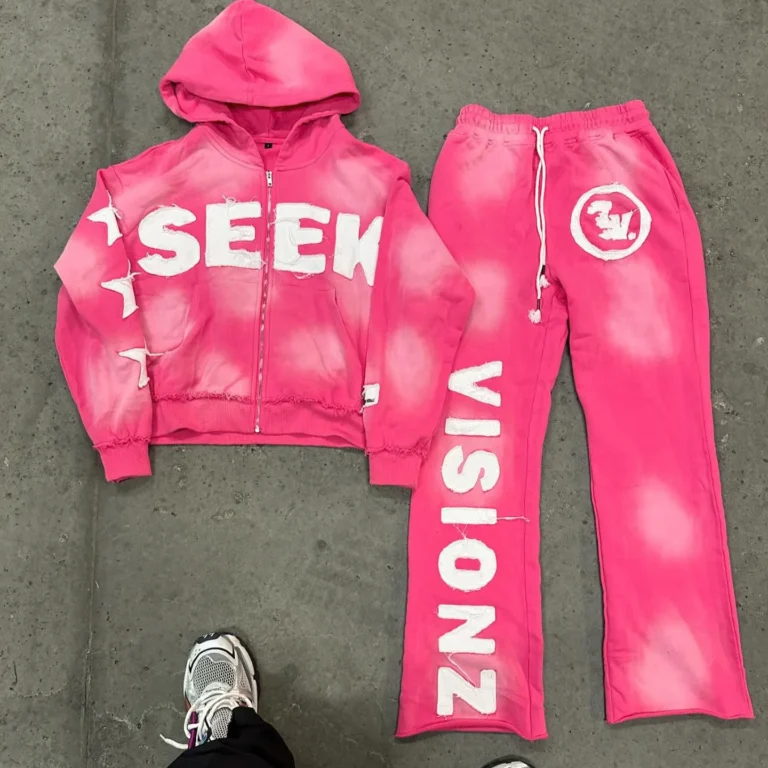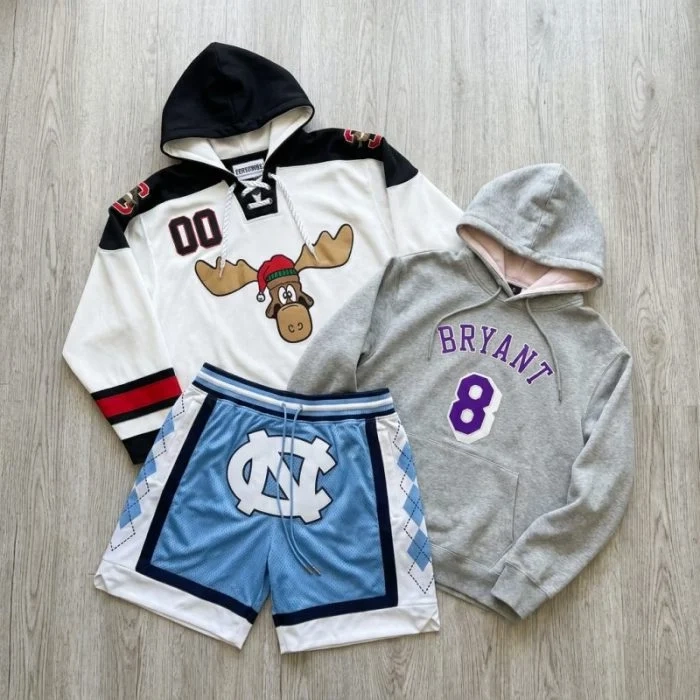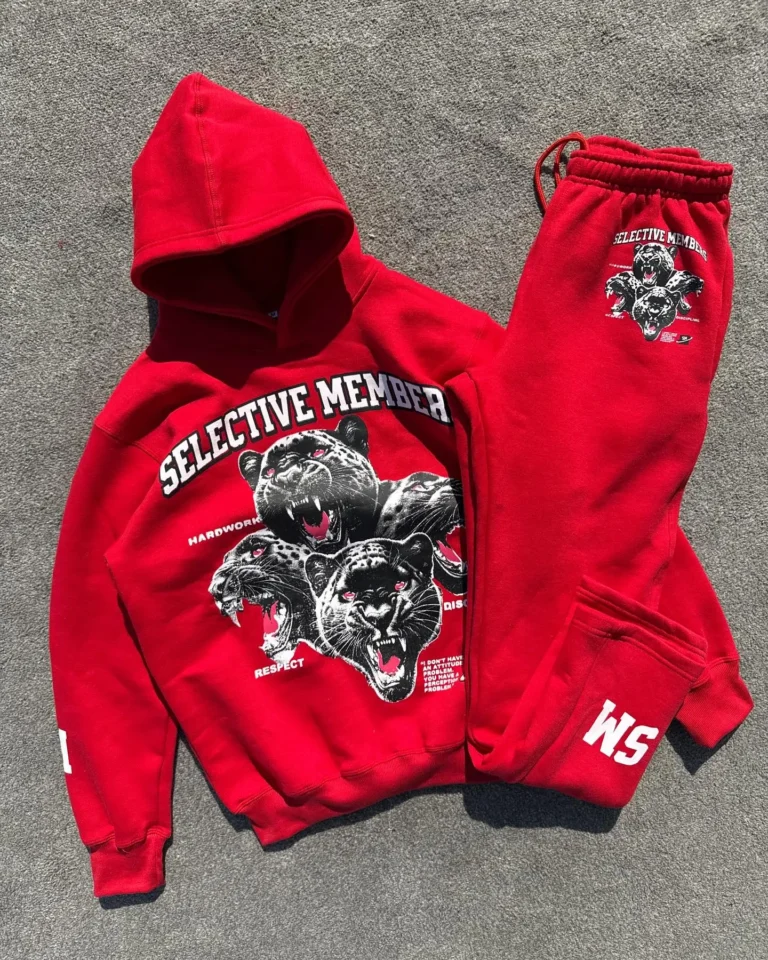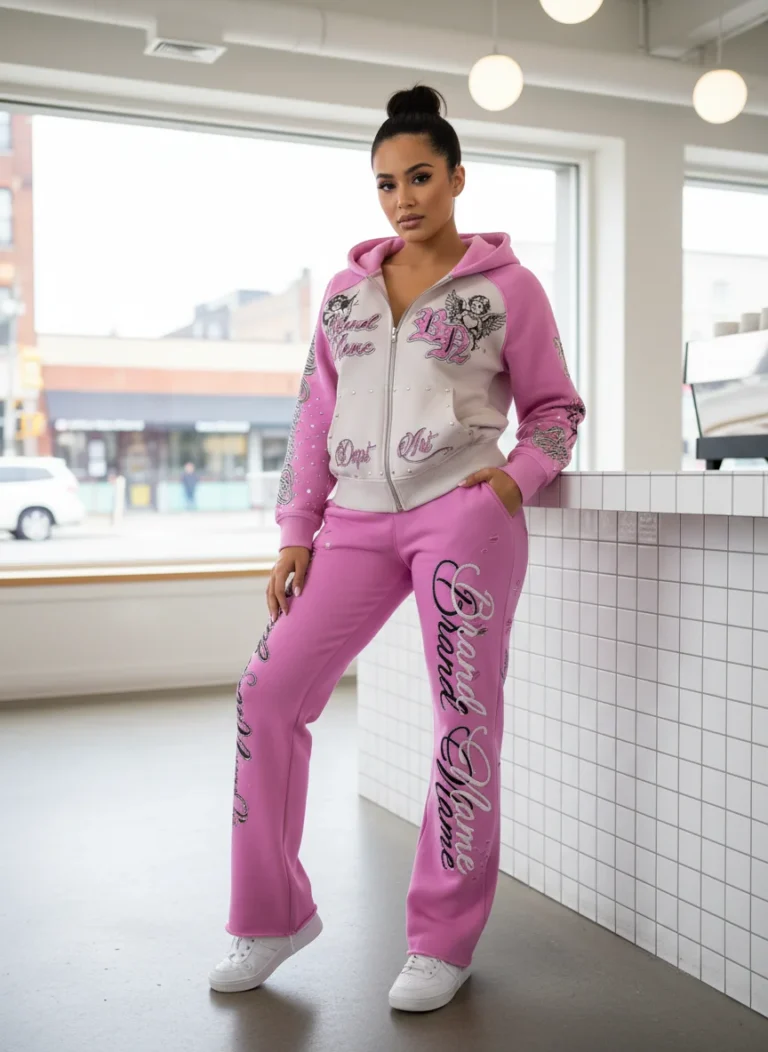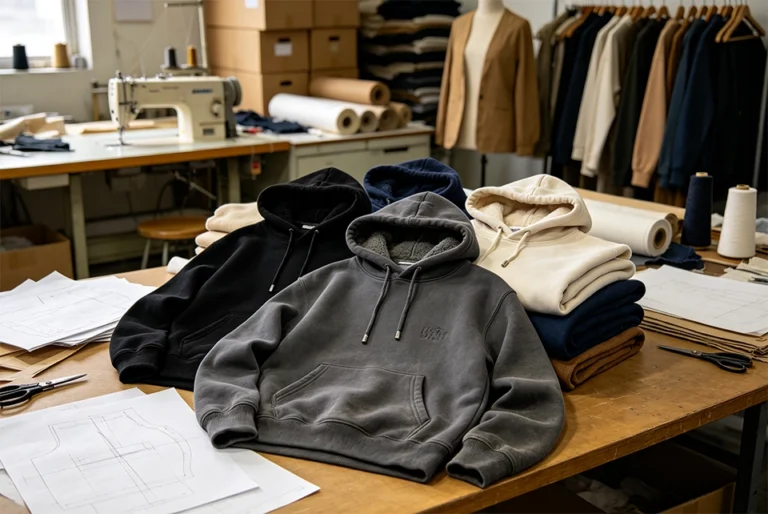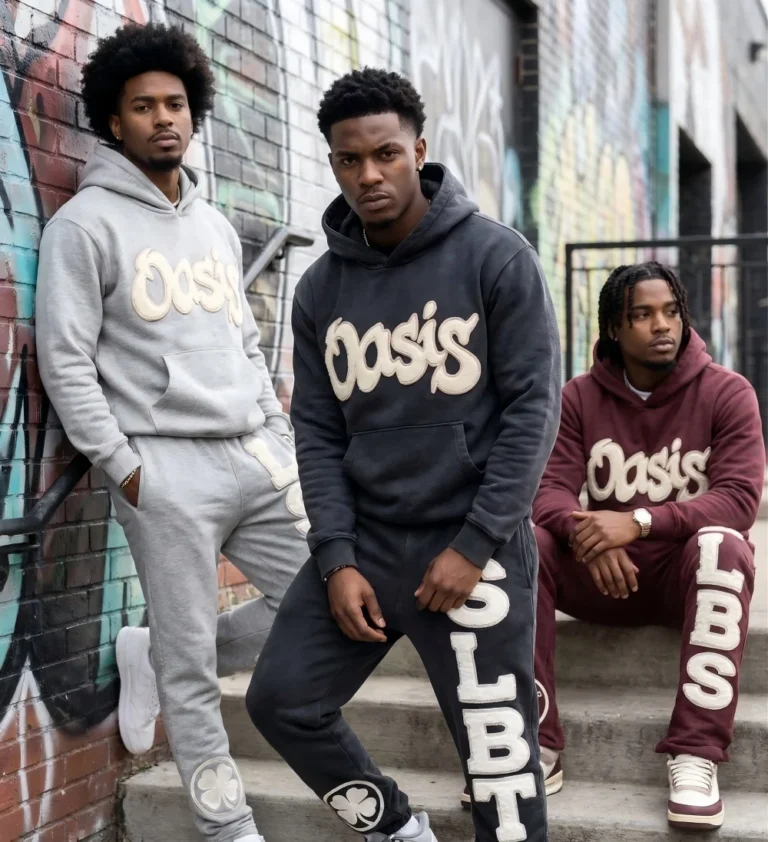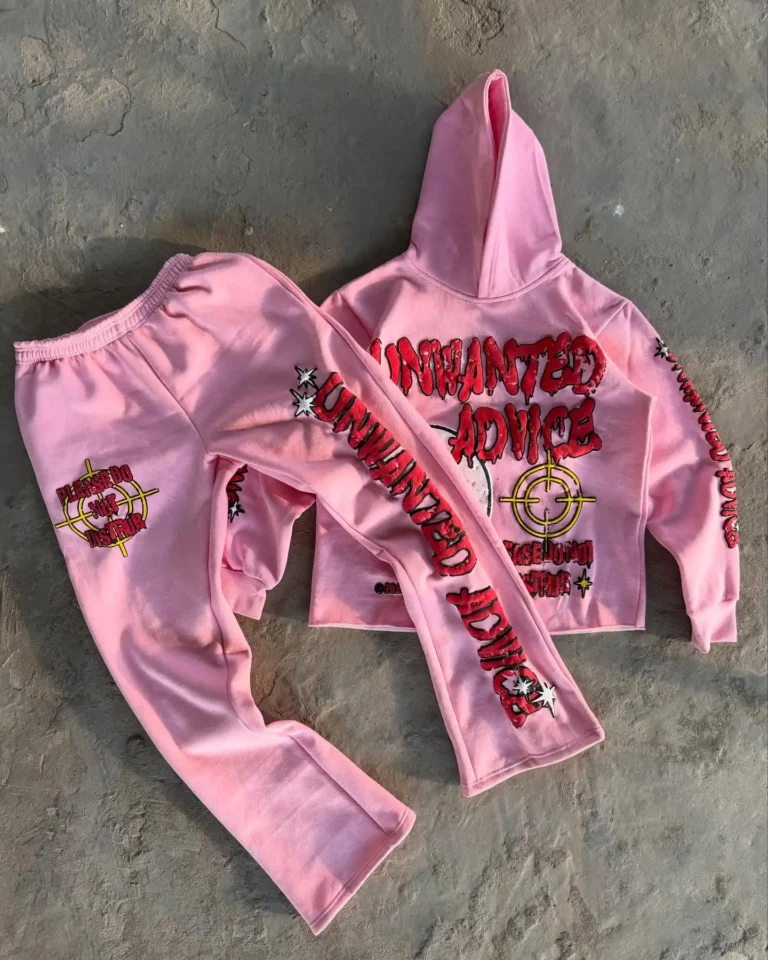
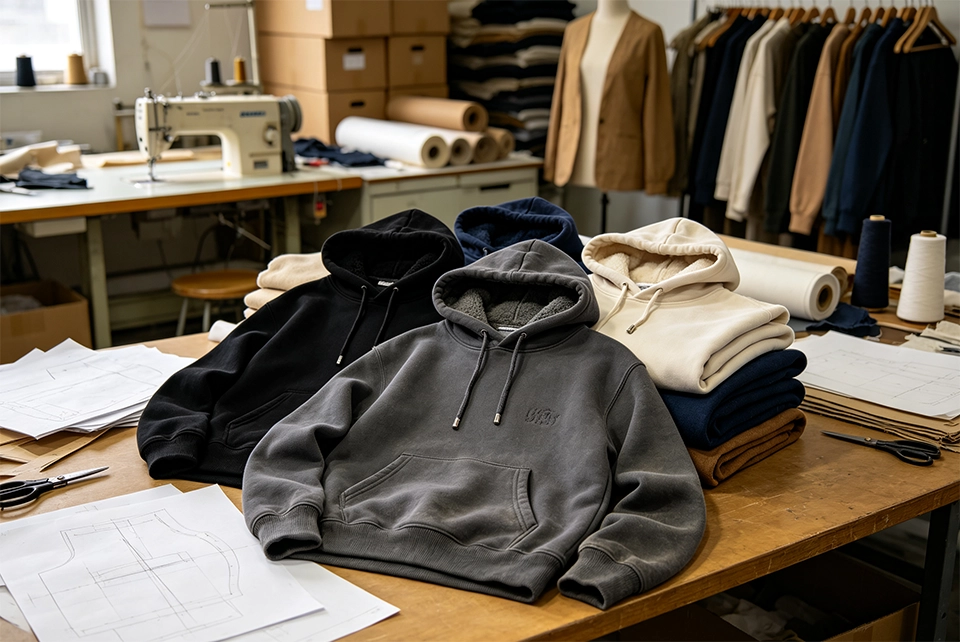
Made‑to‑order hoodie production has become a go‑to solution for streetwear startups, private‑label creators and boutique clothing brands looking to cut inventory risk. Unlike pre‑made blank hoodies, made‑to‑order hoodies are manufactured strictly following your tech pack, covering custom fabric, fit grading, embroidery, printing, woven labels, hang tags and hardware. Every garment is produced once your design specifications are locked in, removing the pressure of holding large stockpiles. This guide unpacks how made‑to‑order hoodie workflows operate, including sampling processes, customization scope, lead‑time expectations, cost factors, minimum‑order considerations, and actionable advice for brands building flexible, low‑waste hoodie collections.The Art of the Hoodie: A Comprehensive Guide to OEM Cut‑Sew Custom Hoodies
Introduction: The Hoodie as a Cultural Artifact
The hoodie is a sartorial chameleon. Born on the football fields and worn by laborers, it has evolved into a primary canvas for streetwear, high fashion, and corporate branding. It is a garment that carries immense cultural weight, representing everything from counter-culture rebellion to comfortable conformity.
For a brand, a hoodie is not just a piece of merchandise; it is a walking billboard, a tangible piece of identity that resonates with the wearer. But in a saturated market, generic bulk items won’t cut it. To truly stand out, brands must look beyond the ordinary. They need to explore the world of made-to-order hoodies and the bespoke craftsmanship of OEM cut‑sew manufacturing.
What is OEM Cut-Sew?
OEM stands for Original Equipment Manufacturer. In the context of apparel, it means a factory that produces garments according to your specific design specifications, which you then sell under your own brand name .
“Cut-sew” refers to the core process of transforming raw fabric into a finished product. The factory starts with rolls of fabric, cuts out the pattern pieces, and sews them together to create your unique hoodie. This is the antithesis of buying generic, “blank” hoodies. When you engage in an OEM cut‑sew partnership, you are commissioning a piece of art from a master tailor rather than buying a readymade painting from a department store.
Why Custom Hoodies are Essential for Brands
The allure of the custom hoodie is multifaceted. For a startup, it offers the chance to create a signature look from day one, sidestepping the ‘brandless’ feel of bulk blanks . For an established brand, it allows for the creation of exclusive, high-quality capsule collections that generate hype and drive loyalty.
Custom hoodies also offer superior quality control. You can specify the exact type of stitching, the weight of the fabric, and the depth of the pockets. Every detail can be curated to match your brand’s ethos, ensuring that what you deliver to your customer is a product of unmatched quality, not just another piece of fast fashion.
The Fabric of Identity: Choosing the Right GSM
The weight of the fabric, measured in GSM (Grams per Square Meter), is the primary dictator of the hoodie’s character. This is not merely a functional choice; it is a declaration of intent.
A lightweight 280 GSM hoodie is soft and breathable—perfect for layering or a summer evening. A heavyweight 360 GSM+ hoodie feels substantial, durable, and premium, often commanding a higher price point . The choice of GSM should align with the brand’s lifestyle imagery and the intended usage of the garment. A subpar fabric weight can make a premium design feel cheap and flimsy.
The Fit Factor: Silhouette and Cut Options
The ‘fit’ is the architecture of the garment, dictating how it interacts with the human form. A silhouette that fails to complement its wearer will fail to sell.
In the modern market, brands are experimenting with a wide array of fits. The classic standard fit is a safe, versatile choice. However, we are seeing a surge in popularity for the oversized, boxy silhouette, which speaks to a Y2K-inspired streetwear aesthetic . For a more sartorial look, a slim, tapered fit offers a modern, clean line. Understanding the nuanced differences between these cuts is essential for targeting your specific demographic.
The Anatomy of Customization: Necklines, Cuffs, and Hems
Often overlooked, the trims are the unsung heroes of a custom hoodie. They are the details that, when perfected, separate a cheap garment from a luxury one.
Consider the construction of the ribbing. A 2×1 or 1×1 rib knit for the cuffs and hem adds structure and durability. The neckline can be a classic crew neck, a trendy oversized hood, or a statement-making full zip . By specifying the weight of the ribbing and the depth of the hood, you can create a garment that feels meticulously engineered for its purpose.
Embellishment Arsenal: Printing vs. Embroidery
Once the hoodie is constructed, the branding begins. This is where you apply your logo, a process that can fundamentally alter the garment’s aesthetic and cost.
Screen printing is the classic choice for bold, vibrant graphics and is incredibly cost-effective for large orders . Embroidery, on the other hand, offers a premium, tactile finish. An embroidered logo creates a three-dimensional effect that screams quality and longevity, though it’s usually more expensive . A less common but equally valid option is Direct-to-Garment (DTG) , which is perfect for highly detailed or photographic prints. The choice between these methods should reflect the personality of the design.
The Made-to-Order Advantage
The “made-to-order” (MTO) model is the contemporary answer to the tyranny of overproduction. Instead of manufacturing thousands of units and hoping they sell, MTO allows you to produce goods in response to actual demand.
This is a win-win for brands and the environment. For the brand, it reduces inventory risk and drastically improves cash flow . For the planet, it minimizes waste and reduces the carbon footprint associated with unsold clothing being dumped in landfills. By selecting a manufacturer that specializes in made-to-order hoodies, you are aligning your business with a more sustainable and economically prudent future.
Navigating the Wholesale Landscape
Wholesale is the mechanism by which you get your custom hoodies from the factory floor to your customers. The wholesale market for OEM custom hoodies is vast and varied, ranging from budget manufacturers to premium luxury houses.
When sourcing, it’s vital to find a partner that understands the unique needs of a brand. The best wholesale OEM partners don’t just sell you a product; they offer design consultation, sampling services, and transparent communication. Building a relationship with a wholesale supplier that offers both competitive pricing and high-quality output is the key to scaling your brand.
The Production Cycle: From Concept to Creation
The journey from a sketch to a physical hoodie involves a series of carefully orchestrated stages. It’s a timeline that requires patience and precision.
The cycle usually begins with design and sourcing, followed by the creation of a prototype or sample. After approval, bulk production involves cutting, sewing, and finishing the garments. This is followed by rigorous quality control, and finally, packaging and shipping. A professional manufacturer will outline these steps clearly, giving you a timeline to plan your launch.
Sourcing Sustainably: Ethical Manufacturing
The modern consumer is increasingly conscious of the supply chain. A brand that relies on unethical labor or environmentally destructive practices will face serious backlash.
Sourcing sustainably means seeking out manufacturers who use eco-friendly materials, reduce water usage in washing and finishing, and treat their workers fairly. Integrating sustainable cotton or recycled polyester into your hoodie, and ensuring the factory holds certifications like OEKO-TEX or GOTS, is not just a moral imperative; it is a selling point that can differentiate your brand in a crowded market .
Quality Control: Ensuring Brand Integrity
Quality control is the final firewall between your brand’s reputation and a failed product. A single faulty garment can result in negative reviews and returns, tarnishing the brand image.
The best OEM suppliers enforce a multi-stage quality check. This often begins during the “inline” production phase and culminates in a 100% final inspection. Experienced inspectors meticulously check for loose threads, stitching tension, and fabric flaws to ensure every hoodie is a flawless ambassador for your brand .
Pricing and MOQs: Understanding the Economics
The price of a custom hoodie is a function of several variables: fabric cost, design complexity, order volume, and embellishment method. Generally, higher GSM fabrics, intricate embroidery, and smaller order quantities drive the cost up.
Understanding this interplay is crucial for margin planning. While low Minimum Order Quantities (MOQs) are becoming more common, they often come with a higher per-unit cost. Conversely, ordering in bulk lowers the unit cost but requires significant capital . The key is to find a balance that fits your business model and risk tolerance.
Building a Cohesive Collection
A hoodie doesn’t exist in isolation. It is often part of a broader brand narrative that includes other garments, branding materials, and packaging.
A successful brand ensures synergy across its product line. The fabric weight chosen for the hoodie might inform the fabric for matching sweatpants. The embroidered logo on the chest should match the woven label on the neck. This cohesive design language signals professionalism and attention to detail, fostering consumer trust and brand loyalty.
Conclusion: The Future of Branded Apparel
The hoodie is more than just a fashion statement; it is an enduring cultural symbol. The future of branded apparel lies in customization, quality, and sustainability. Through OEM cut-sew manufacturing and the adoption of made-to-order models, brands can create garments that are not only profitable but also meaningful.
By taking control of the supply chain, you are taking control of your brand’s legacy. The market is hungry for authentic, well-made products, and there has never been a better time to craft your signature hoodie and tell your brand’s story.