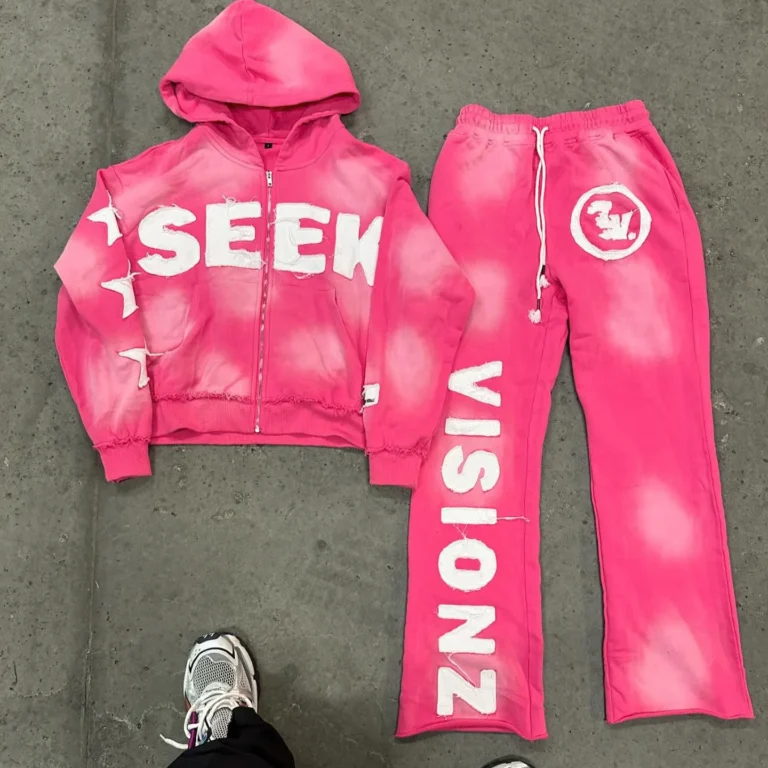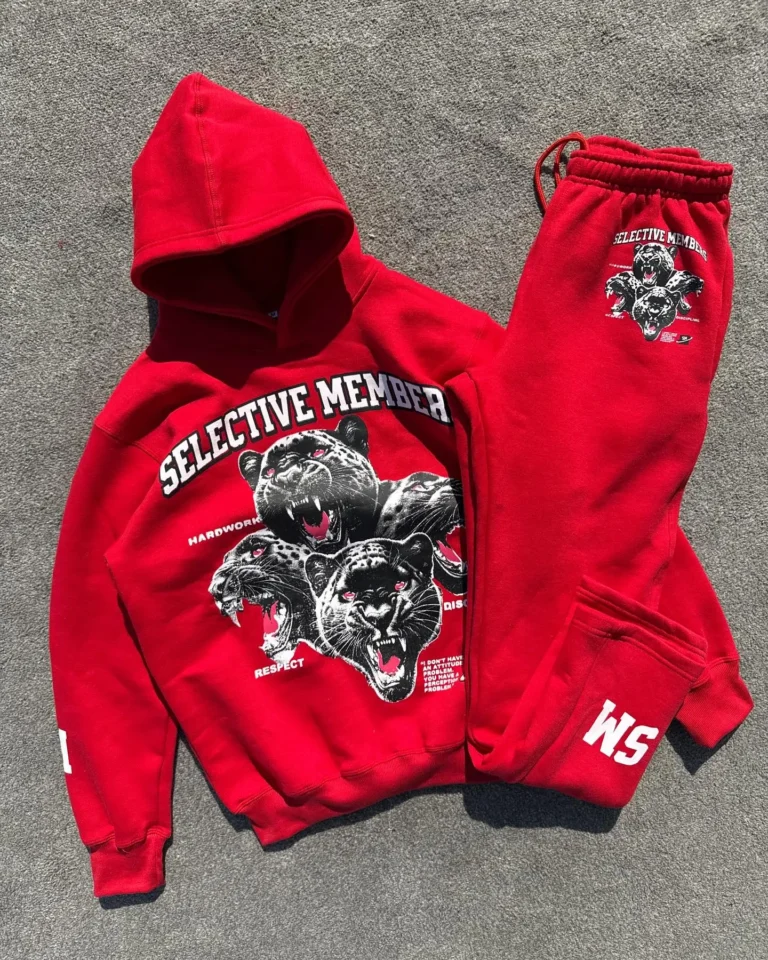
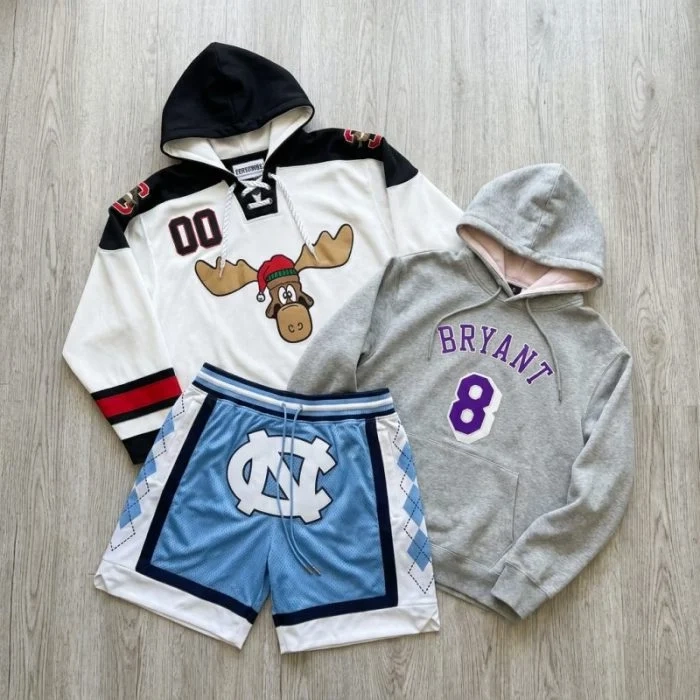
Searching for local custom hoodie‑to‑jersey conversion services? Many apparel creators and brand owners look to restyle existing hooded garments into short‑sleeve jerseys, crew‑neck sweat jerseys, or hybrid sport‑fashion tops instead of creating pieces completely from scratch. This modification service removes hood panels, replaces necklines, adjusts sleeve length, finishes raw edges, and retains your original prints, embroidery and branding while transforming the silhouette into a lightweight jersey‑style top. Local alteration and custom apparel workshops deliver hands‑on conversion work, yet quality outcomes vary widely based on pattern knowledge, knit‑fabric sewing expertise and finishing standards. This guide walks through what hoodie‑to‑jersey conversion entails, available local service options, common modification scopes, fit risks, cost ranges, sample‑check best practices, and practical tips whether you are restyling small‑batch brand samples or individual custom‑garment projects.
The Paradigm Shift: From Streetwear Staple to Athletic Essential
The apparel industry is perpetually in a state of flux, driven by the capricious winds of consumer preference and technological progress. Once relegated to the realm of casual comfort, the humble hoodie is undergoing a significant transmutation. The contemporary market demands garments that do not merely serve a singular purpose but seamlessly integrate into a multifaceted lifestyle. This has catalyzed the emergence of the “hoodie to jersey” concept, a development that represents a confluence of aesthetics and utility.
This metamorphosis is not a superficial alteration of design; it represents a fundamental re-engineering of the garment’s intrinsic properties. The heavy, fleece-lined silhouettes that once dominated the streets are now being supplanted by sleek, aerodynamic profiles constructed from lightweight materials. This is a direct response to a consumer base that values performance, breathability, and a refined sartorial presence. The garments of tomorrow will not just be worn; they will be actively utilized in a spectrum of activities, from the gym to the golf course. The distinction between loungewear and sportswear is becoming increasingly nebulous, a phenomenon that savvy apparel brands are leveraging to expand their market share.
Defining the “Hoodie to Jersey” Conversion Concept
The phrase “Custom Hoodie to Jersey Conversion” may initially appear to be a contradiction in terms, yet it is a precise description of a significant market trend. Fundamentally, it denotes the process of designing a garment that adopts the structural form of a hoodie—including its drawstring hood, kangaroo pockets, and relaxed fit—but utilizes the lightweight, high-performance fabrics characteristic of athletic jerseys . It is not about the physical act of cutting up an existing garment but rather about a conceptual conversion in the manufacturing process .
The resultant product offers the best of both worlds: the familiar comfort and streetwear credibility of a hoodie, combined with the technical benefits of a sportswear jersey. This construction is ideally suited for active individuals who desire a garment that is versatile enough for a pre-game warm-up, a round of golf, or a casual social engagement. The OEM landscape provides the infrastructure to make this concept a reality, allowing brands to transcend the limitations of off-the-rack offerings and create a truly bespoke product.
The OEM Advantage: Why Custom Manufacturing Trumps Off-the-Rack
For a brand to achieve true differentiation, reliance on generic, wholesale blanks is a strategic dead end. Original Equipment Manufacturing (OEM) provides the requisite pathway to cultivate a distinct brand identity that resonates with a targeted demographic. Engaging with an OEM partner affords unparalleled control over the garment’s DNA—from the specific fabric composition to the minutiae of the trims and the precise calibration of the fit.
This approach is particularly advantageous for boutique brands and startups aiming to curate a specific aesthetic without the prohibitive costs associated with maintaining an in-house production facility . By outsourcing the technical complexities of pattern-making, sourcing, and manufacturing, a brand can focus its resources on design, marketing, and strategic growth. The OEM partner serves as a critical conduit, transforming design concepts into tangible, market-ready products while adhering to the brand’s quality and sustainability standards.
Fabric Fundamentals: The Critical Role of Lightweight Jersey
The fabric is the foundation upon which a successful garment is built, and for a hoodie-to-jersey conversion, the selection of the appropriate textile is paramount. Traditional hoodie fleece is far too cumbersome for this application. Instead, the focus shifts to lightweight jersey knits, which are differentiated by their structure, weight, and performance characteristics. The GSM (grams per square meter) measurement serves as a primary indicator of the fabric’s density and weight; for a light jersey garment, options typically range from 180 to 220 GSM .
A 180 GSM fabric is exceptionally airy and breathable, making it ideal for high-intensity activities or warm-weather layering. Conversely, a 210 to 220 GSM option provides slightly more structure and opacity, lending the garment a more substantial hand feel while still maintaining the requisite lightweight profile. Beyond weight, the yarn type is equally critical. High-tenacity polyester blends, often combined with spandex or elastane, are frequently preferred for their moisture-wicking properties, four-way stretch, and exceptional durability under duress .
Navigating the “Near Me” Nexus: The Globalization of Local Apparel
The query for “Near Me” in the title is a nuanced search parameter. While it may suggest a desire for local artisans, the reality of contemporary apparel manufacturing is inherently globalized. The most sophisticated OEM capabilities for custom lightweight garments are often geographically concentrated in established manufacturing hubs, such as Guangdong Province in China, Sialkot in Pakistan, and other specialized regions .
However, “Near Me” is better interpreted as a request for accessibility, responsiveness, and logistical efficiency. Leading OEM manufacturers have adapted to the global marketplace by establishing robust communication protocols, offering expedited sampling services, and streamlining their international shipping capabilities to serve clients in the USA, Canada, Europe, and Australia . The modern OEM partner provides a “near” service experience irrespective of physical distance, ensuring that the process is transparent, collaborative, and efficient.
The Technical Specification Sheet: Communicating Your Vision
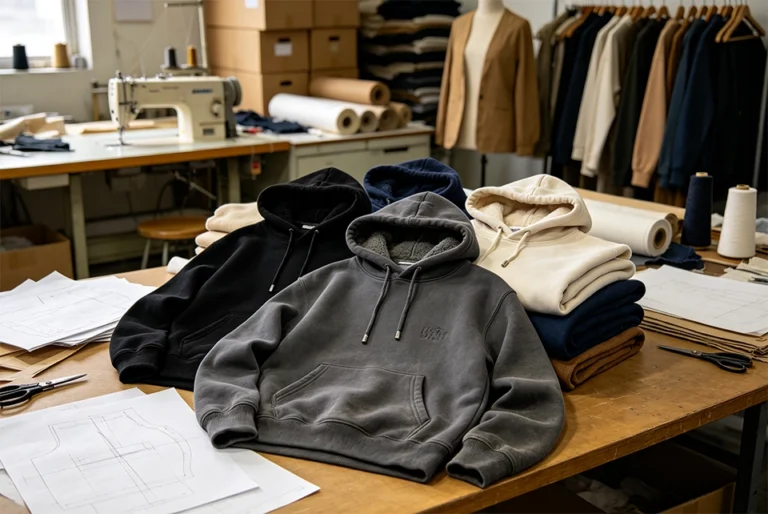
Successful OEM production is predicated on the clarity of communication, and the technical specification sheet (Tech Pack) is the primary instrument for conveying design intent. This document serves as a comprehensive blueprint, detailing every aspect of the garment’s construction, and it is imperative to be as meticulous as possible in its preparation.
The Tech Pack must include detailed flat sketches, precise grading specifications for the size range, and a comprehensive bill of materials (BOM) that lists all components, from the primary fabric to the thread, zippers, drawcords, and labels . Detailed information on stitch types, seam allowances, and the precise placement of logos or prints is non-negotiable for ensuring consistency and accuracy in production. The OEM’s pattern-making team relies on this document to generate the sample and, ultimately, to execute the bulk order.
Customization Capabilities: From Micro-Prints to Performance Finishes
The true value of the OEM model lies in its extensive customization capabilities, which extend far beyond merely selecting a fabric color. Brands can implement a wide range of technical and aesthetic enhancements to elevate the product. Printing techniques, for instance, have advanced significantly, with digital fabric printing and heat transfer enabling the application of complex graphics and micro-prints with exceptional precision and colorfastness .
Furthermore, the garment can be treated with specialized finishes to augment its performance. In addition to breathability and quick-drying properties, options such as anti-pilling finishes, wrinkle resistance, and anti-odor treatments can be incorporated to improve the garment’s longevity and functionality . These features add immense value, transforming a simple garment into a high-performance piece of activewear.
Sampling Protocols: The Indispensable Step of Prototyping
The sampling phase is a critical step that warrants due diligence. This process, which can often be completed within a matter of days, involves the production of a prototype sample (often referred to as a “proto”) based on the client’s Tech Pack . The purpose of this sample is to validate all design choices, from the fabric hand feel to the fit and the execution of customizations.
This is the client’s opportunity to scrutinize the garment and make necessary adjustments before production commences. It is an iterative process; a sample may be approved on the first attempt, though typically it undergoes one or two rounds of revisions. Approving the sample is an irrevocable sign-off for the bulk run, as the production team will replicate the specifications of this final approved prototype.
Quality Control Paradigms in OEM Production
Maintaining a consistent level of quality across hundreds or thousands of units is a formidable challenge. Reputable OEM manufacturers mitigate this risk through a robust Quality Control (QC) system that is integrated into every stage of production. This is not merely a final inspection but a continuous process of verification, from the arrival of the raw materials to the final packaging.
Prior to cutting, the fabric is inspected for defects and color consistency. During sewing, QC checkpoints ensure that seam construction, stitch tension, and measurements are within tolerance. Finally, a thorough examination of the finished garment is conducted to verify that the placement of logos, labels, and trims is correct and that the product matches the approved sample . This systematic vigilance is crucial for minimizing defects and guaranteeing that the final shipment meets the brand’s stringent standards.
Navigating the Logistics: Lead Times, MOQs, and Global Shipping
Practical considerations such as Minimum Order Quantities (MOQs) and lead times are significant determinants in the supplier selection process. Many OEMs now offer flexible low-MOQ options, a boon for startups and emerging designers who wish to test the market without a significant capital investment . This flexibility, however, often correlates with a higher per-unit cost.
Lead times for bulk production can vary significantly based on order volume, fabric availability, and the complexity of the design, typically ranging from 10 to 18 days after sample approval, with shipping adding an additional 5 to 20 days depending on the destination . It is prudent to engage in a detailed discussion regarding logistics with the OEM partner. Understanding the intricacies of shipping terms (such as FOB or DDP), customs clearance, and packaging requirements is essential for a seamless procurement process.
Conclusion: Strategic Sourcing for Brand Differentiation
The pursuit of a “Custom Hoodie to Jersey Conversion Near Me” is fundamentally a quest for strategic sourcing. It represents a deliberate choice to eschew commoditized products in favor of a bespoke garment that embodies the brand’s unique identity and meets the elevated expectations of the modern consumer. By leveraging the expertise of a skilled OEM partner, brands can navigate the complexities of the global apparel market.
This collaboration enables the creation of a compelling product that not only satisfies an immediate functional requirement but also contributes to a long-term, differentiated brand story. The investment in a high-quality, custom-fabricated jersey hoodie is not merely a cost of goods; it is a calculated investment in brand equity and market positioning.