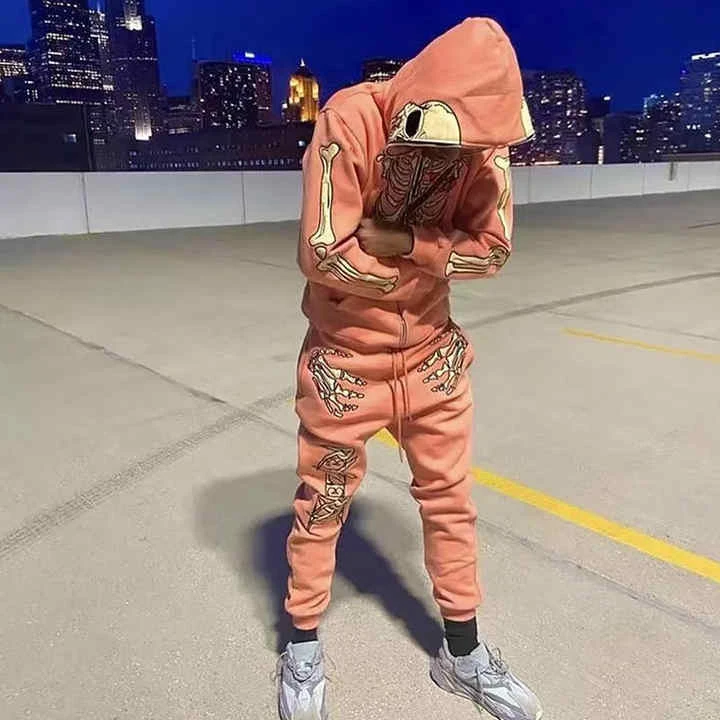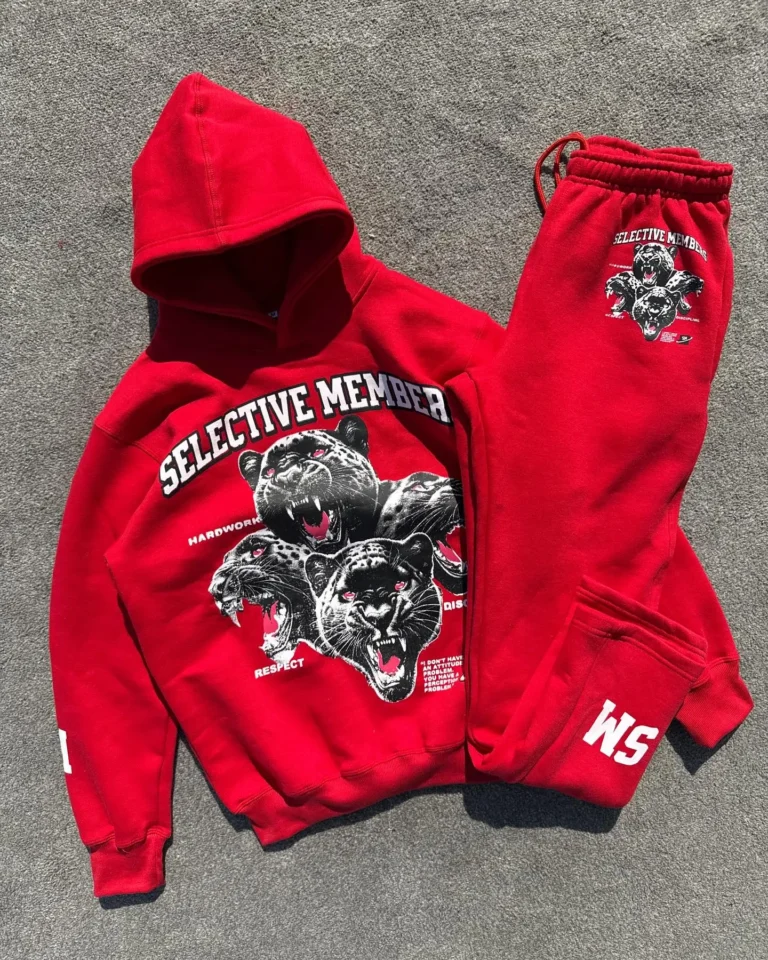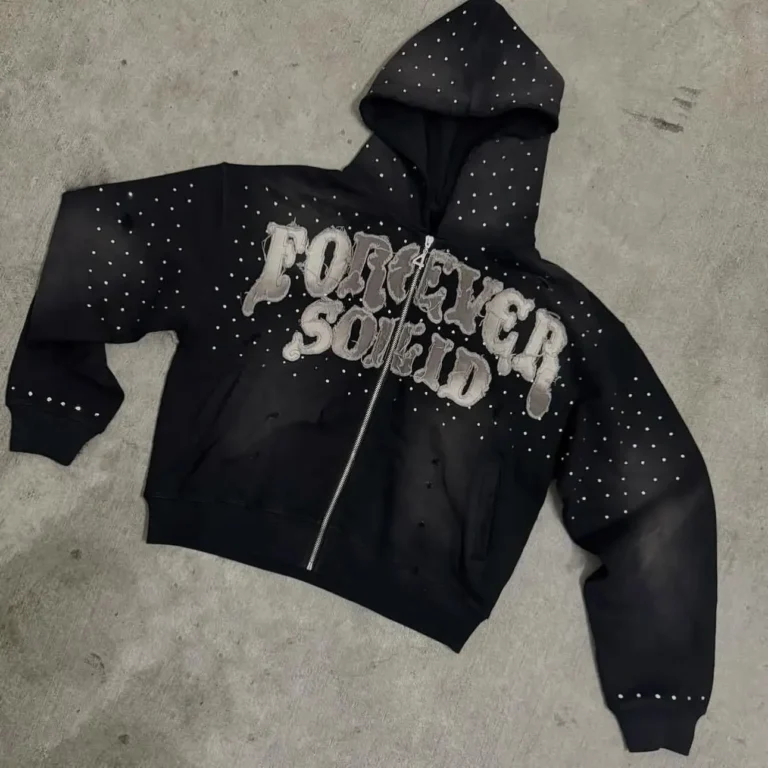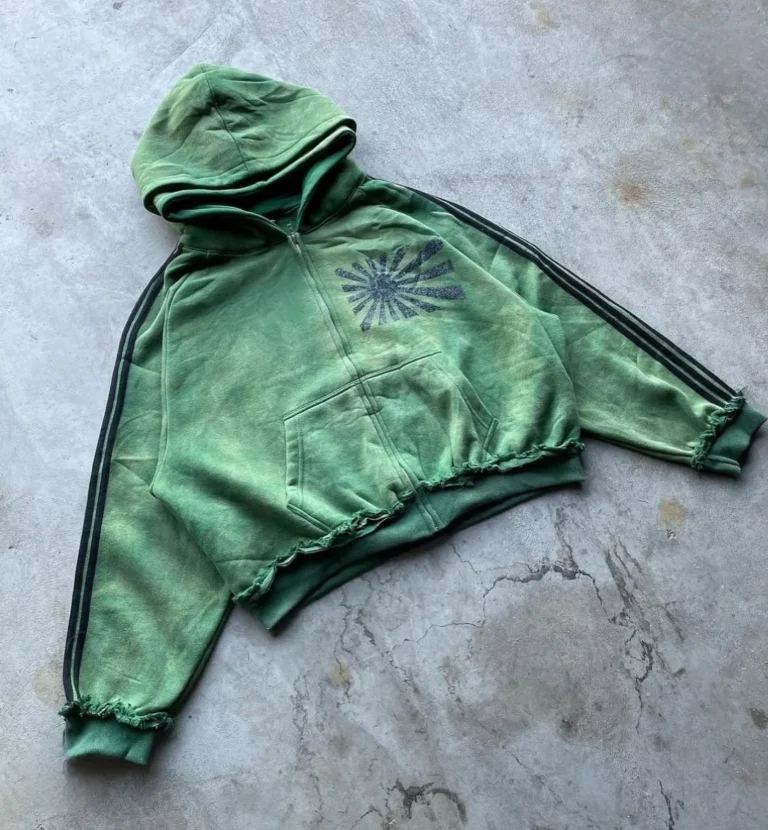
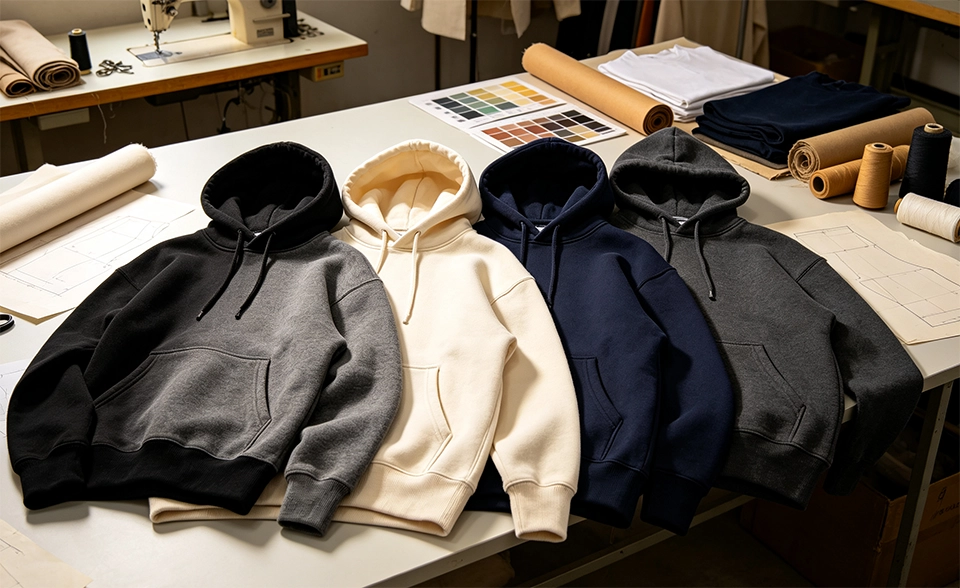
Building a custom hoodie collection for your streetwear or private‑label brand no longer requires huge upfront order volumes. Low‑MOQ hoodies made to order enable emerging labels to bring unique designs to market with flexible batch sizes, while pre‑bulk sampling services eliminate costly production mistakes before full manufacturing begins. From fabric selection and fit adjustment to print, embroidery, labeling and hardware tweaks, professional sampling lets you validate every detail of your custom hoodies, check construction quality and refine your tech pack prior to mass runs. This guide walks you through the complete made‑to‑order workflow: sample development cycles, revision processes, key quality checkpoints, MOQ expectations, lead‑time breakdowns, and practical tips for brands planning limited‑edition hoodie drops with pre‑production sampling.
Introduction: The Hoodie Renaissance
The humble hoodie has undergone a remarkable metamorphosis. Once relegated to the realm of gym bags and lazy Sundays, it has ascended to the pinnacle of modern fashion, becoming a canvas for self-expression and a staple in streetwear and high fashion alike. For the discerning brand, a custom hoodie is more than just a garment; it’s a billboard, a uniform, and a cultural touchstone.
For emerging designers and startup labels, the journey from concept to closet has often been fraught with daunting barriers. The primary obstacle? The dreaded Minimum Order Quantity. High MOQs have historically locked out the bold and the new from the manufacturing arena. However, the apparel industry is witnessing a paradigm shift towards flexibility, where low-MOQ hoodies are demystifying production and empowering a new generation of creators.
What is MOQ and Why Does It Matter?
MOQ, or Minimum Order Quantity, is the smallest number of units a manufacturer is willing to produce for a single order . It’s the entry ticket into the production game. This threshold exists to make a production run economically viable for the factory. Setting up machinery, cutting fabric, and programming embroidery machines entails fixed costs; if these are distributed over a tiny run, the per-unit cost becomes prohibitive.
For the brand, high MOQs mean significant capital outlay and substantial inventory risk. If you are a startup with a limited budget, committing to 300 pieces of a single design can be a financial gamble that cripples cash flow and leaves you with a garage full of unsold stock.
The Low-MOQ Revolution: Leveling the Playing Field
The rise of low-MOQ manufacturers has been a transformative force in the apparel industry. A decade ago, the idea of ordering just 50 to 100 custom hoodies from an OEM factory was a pipe dream. Today, it is a standard offering for many agile manufacturers .
This shift has democratized fashion production. It allows brands to test new designs, experiment with capsule collections, and respond to market trends with remarkable agility. You no longer need a seven-figure budget to launch a successful label; you just need a compelling design and a partner willing to produce a small first run . The ability to scale production up or down based on demand is a superpower for the modern entrepreneur.
Who Benefits from Flexible Minimums?
The low-MOQ model is a boon for a diverse range of players in the market. The most obvious beneficiaries are startup founders and emerging brands . It allows them to launch their vision without risking bankruptcy.
Beyond startups, event organisers and those creating short-run merchandise find immense value. Whether it’s for a charity run, a school fundraiser, or a community group, being able to order 15 or 20 pieces without a huge upfront cost is a lifeline . Even established companies benefit when ordering for new hires or for trial runs in new markets.
The Sampling Service: Your Blueprint for Success
Entering into a production partnership without seeing a physical sample is analogous to buying a house based on a floorplan. It is a leap of faith that often ends in disappointment. This is why the sampling service is the most critical stage of the entire process.
A comprehensive sampling service provides a tangible preview of your garment. It allows you to inspect fabric quality, assess construction, and verify the fit before you commit to the expense of bulk production . A reputable manufacturer will offer this as a standard part of their service, guiding you from a tech pack to a physical prototype .
The First Step: Fabric Swatches and Color Cards
Before a single thread is sewn on a sample, the journey begins with raw materials. Most reputable low-MOQ hoodie manufacturers will start by sending fabric swatches and color cards for approval .
Touching the fabric is the only way to truly understand its hand-feel—whether it is a soft fleece, a structured French terry, or a heavyweight cotton blend . It is also the opportunity to ensure the colour matches your brand’s exact Pantone specifications. This small step prevents the heartbreak of seeing your “black” hoodie look more like “charcoal” on the finished product.
From Tech Pack to Physical Garment
Once the fabric is approved, the creation of the sample begins. The manufacturer will use your tech pack—a document outlining all measurements, design features, and construction details—to create a pattern .
This is where the artisan skill of the factory comes into play. The sample stage is not just about sewing a garment; it’s about translating a two-dimensional design into a three-dimensional reality. A good sample maker will test the pattern, ensuring the hood depth is correct, the sleeves have the right drape, and the pocket sits perfectly. This is the blueprint’s first test.
Pre-Production Samples: The Non-Negotiable Phase
The Pre-Production Sample (PPS) is the final, definitive version of your garment before the bulk order is cut . It is the holy grail of the sampling process.
The PPS is made using the same materials, techniques, and machinery that will be used for the main production run. It acts as a benchmark against which the entire bulk order will be compared. Approving this sample with confidence means you can green-light production knowing that the mass-produced goods will match your approved standard.
Sampling Timelines: Managing Expectations
Patience is a virtue, especially in apparel manufacturing. While a manufacturer’s speed is a key selling point, it’s vital to have realistic expectations regarding sampling timelines.
For simple, pre-designed style modifications, sampling can be remarkably quick—often taking just 3 to 5 working days . For fully custom styles with intricate details or specific washes, expect a longer timeline, typically 7 to 10 working days . Understanding these timeframes is essential for planning a product launch or marketing campaign.
Sample Costs: An Investment, Not an Expense
It’s important to note that samples are rarely free. The sample cost is the price you pay for the manufacturer’s time, materials, and expertise in creating your prototype. This fee is typically a nominal amount, often ranging from $20 to $40 .
More importantly, most manufacturers will deduct the sample cost from your bulk order invoice if you proceed with production . Therefore, you should view the sample cost as a vital investment in quality assurance, not an overhead expense.
Deciphering the Decoration Methods
Your brand logo is the soul of the garment. The method by which it is applied will define the aesthetics and longevity of your hoodie. You have several options to choose from, each with unique advantages .
The choice of decoration method should be dictated by the complexity of your logo and the intended use of the garment. A logo for a work uniform, designed for daily washing, will have different durability requirements than a design for a limited-edition drop.
Embroidery: The Durable Workhorse
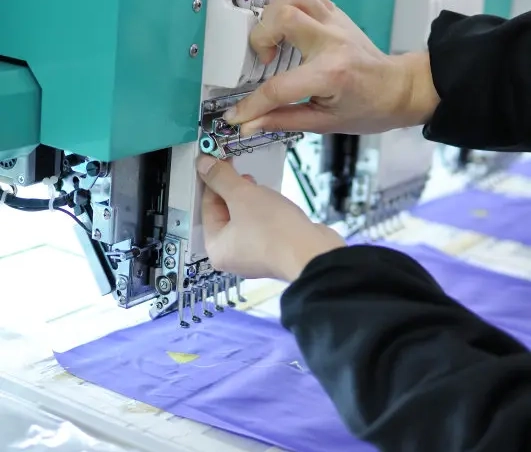
For a premium, long-lasting finish, embroidery is the gold standard. This technique stitches the design directly into the fabric, creating a tactile, three-dimensional effect that exudes quality .
The durability of embroidery is unmatched. An embroidered logo can easily survive more than 100 wash cycles . It is the ideal choice for corporate uniforms or any hoodie that will be heavily worn and washed. However, it is important to note that complex, highly detailed designs with fine lines or gradients may not translate perfectly to thread.
Screen Printing: A Classic Staple
Screen printing is a traditional and highly effective method for applying bold, vibrant designs. This process involves pushing ink through a mesh stencil onto the fabric.
It is an excellent choice for large, colourful graphics and is very cost-effective for bulk orders . For designs with simple shapes and solid colours, screen printing produces a sharp, durable finish that holds up well to regular wear and tear.
The Rise of DTG and Heat Transfer
Modern technology has introduced more nuanced options. Direct-to-Garment (DTG) printing is akin to a high-tech inkjet printer for clothing. It excels at reproducing complex, multi-colour designs and photographic imagery, making it perfect for artistic logos .
Heat press transfer applies a pre-printed design to the fabric using heat and pressure. It’s a fast, cost-effective option for small runs and can handle colour very well, though it may not match the longevity of embroidery for the toughest applications .
Navigating the Bulk Production Phase
With the sample approved, the journey moves to the final destination: bulk production. This is where the factory scales up from one prototype to the full order quantity.
The manufacturer will source the necessary yardage of your chosen fabric in bulk and coordinate the production schedule . A good factory will maintain clear communication, providing regular progress updates and ensuring a seamless transition from the sampling stage.
The Quality Control Crucible
Quality control is not a single action; it is a discipline that permeates the entire production process. Reputable low-MOQ hoodie manufacturers enforce rigorous quality standards .
Expect a multi-stage inspection process. This includes inline checks during the sewing phase and a 100% final inspection of finished garments . Skilled quality control teams meticulously inspect each hoodie for stitching consistency, fabric flaws, and the correct application of prints and trims to ensure the bulk order mirrors your approved sample.
Lead Times: From Sample Approval to Delivery
Understanding the lead time is critical for managing your inventory and launch schedule. Once you approve the PPS, the countdown to delivery begins.
For bulk production, standard lead times typically range from 15 to 35 working days . The specific timeframe depends on the order quantity and the intricacy of the design. While rush production is sometimes available, it often incurs a premium. Planning your order to accommodate a standard timeline is the wisest course of action.
Navigating the Customisation Catalogue
One of the most exciting aspects of working with an OEM supplier is the breadth of customisation available. Beyond the cut of the hoodie itself, you can specify a myriad of details to make the garment uniquely yours.
You can choose from a vast array of fabric weights (GSM), ranging from lightweight summer blends to heavyweight 360gsm fleece for cold weather . You can also dictate the fit—boxy, oversized, or relaxed—and add branded details like woven labels, custom hang tags, and specialised packaging . This is how you build a cohesive brand experience.
Building a Long-Term Partnership
The world of low-MOQ manufacturing is about more than just a single transaction. It’s about building a symbiotic partnership. When you find a reliable manufacturer that consistently delivers quality, communicates transparently, and offers flexibility, they become an invaluable asset to your brand .
Conclusion: The Fabric of Your Future
The barriers to creating a custom apparel line have never been lower. The availability of low-MOQ production and a robust sampling process before bulk has paved the way for a new era of creativity and entrepreneurship. Your brand’s future isn’t determined by the size of your first order, but by the quality of your vision and the strength of your partnerships.