1. Introduction: The Hoodie as a Cultural Canvas
The hoodie has long transcended its humble origins as a utilitarian garment for laborers in the 1930s. Today, it stands as a potent cultural signifier—a blank canvas for self-expression, a uniform for subcultures, and a cornerstone of modern streetwear. For the discerning streetwear brand, a custom 100% cotton hoodie for men represents more than just a product; it is an opportunity to forge a tangible connection with a community. In 2025, the hoodie remains at the “center of the athleisure boom,” lauded for its versatility and its role as a “blank canvas for brand storytelling” . It is arguably the most powerful piece of apparel a brand can create, offering unmatched visibility on the street, at the gym, and online.
2. Why 100% Cotton? The Fiber of Choice
In a world saturated with synthetic blends, why do premium brands gravitate towards 100% cotton? The answer lies in the fabric’s intrinsic qualities: breathability, comfort, and an unparalleled hand feel. A 100% cotton hoodie offers a softness against the skin that poly-cotton blends simply cannot replicate . Furthermore, pure cotton takes to garment dyeing and advanced printing techniques like DTG (Direct to Garment) with remarkable fidelity. The fibers absorb water-based inks beautifully, resulting in vibrant, long-lasting prints that are soft to the touch . For a brand chasing a “premium lifestyle wear” identity, 100% cotton is non-negotiable .
3. Understanding GSM: The Weight of Quality
If cotton is the soul of the hoodie, the GSM—or Grams per Square Meter—is its backbone. This metric defines the fabric’s weight and, consequently, its durability, warmth, and structure. For streetwear, you want a garment that drapes well and holds its shape. We are talking about heavyweight cotton. Options range from a substantial 370 GSM to a truly formidable 550 GSM or even 800 GSM . A higher GSM results in a more premium, “weighty” feel, which is highly desirable for the current streetwear aesthetic. Lightweight hoodies have their place, but for a flagship custom piece, a fabric weight of 400 GSM or more projects an air of uncompromising quality.
4. Silhouette Selection: From Regular to Oversized
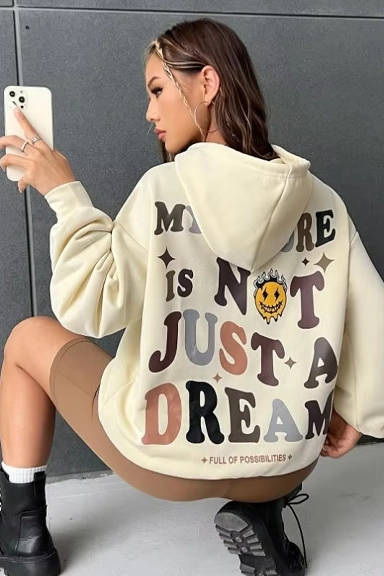
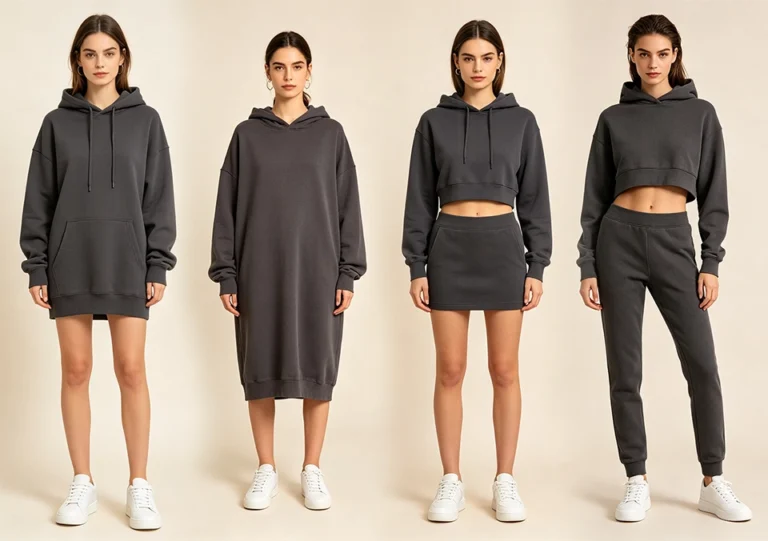
The fit of your hoodie is the primary vector of its attitude. The regular fit is a timeless classic, offering a clean and versatile silhouette. However, the streetwear world is currently dominated by the “oversized” and “baggy” aesthetic . An oversized hoodie offers a relaxed, architectural volume that resonates with the Y2K revival and skate culture. It provides a sense of comfort and effortless cool. When deciding on a silhouette, it is crucial to align the fit with your brand’s core identity. Are you building a label for the minimalist purist or the trend-forward maximalist? The choice of cut communicates as much as the logo itself.
5. Made to Order vs. Bulk Production: Understanding the Difference
There is a subtle but critical distinction between “made to order” and standard bulk production. True made-to-order, or “cut and sew,” involves manufacturing garments only after an order is placed. This model is often championed by manufacturers in Los Angeles, where they can “cut, sew, and garment-dye to order” . The primary benefit is reduced inventory risk, allowing brands to create pieces on demand. However, this is distinctly different from the “OEM” (Original Equipment Manufacturer) model where a brand places a pre-determined batch order. Both have their place. Made-to-order is excellent for high-end, low-run capsule collections, while the OEM model is more common for streetwear brands looking to scale.
6. Customization Options: Embroidery, Screen Print, and DTG
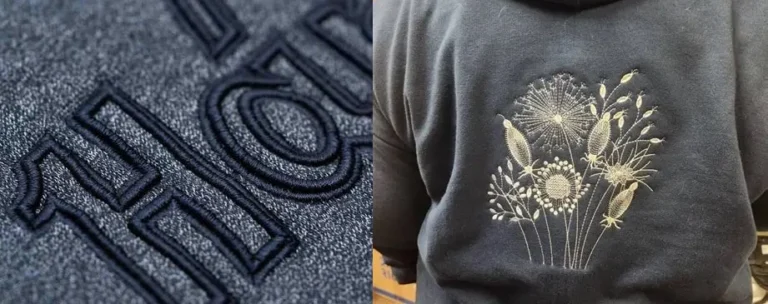
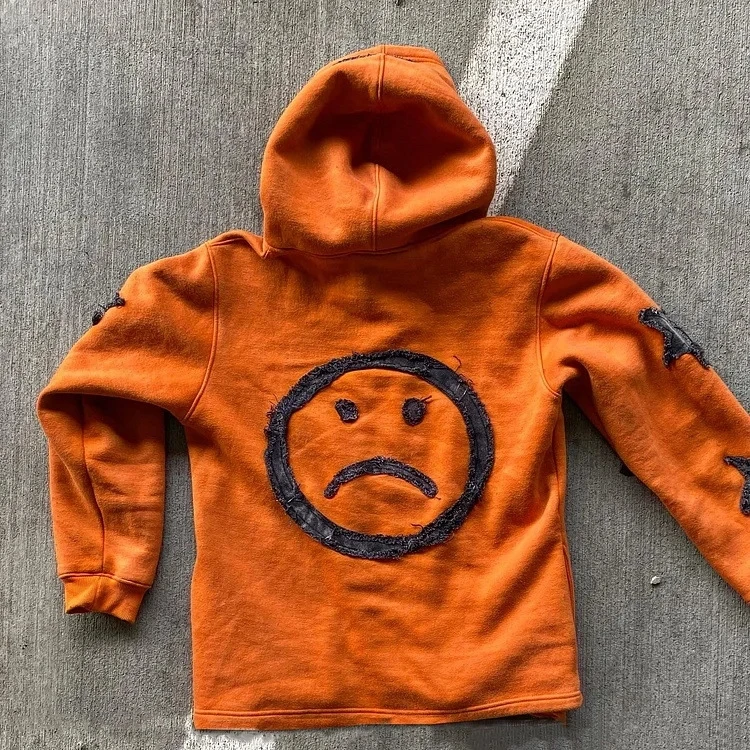
The method you choose to apply your branding or artwork will define the garment’s aesthetic and feel. Embroidery offers a premium, textured, and durable finish. It exudes quality but is best suited for smaller, simpler logos, typically at a higher cost . Screen printing is the workhorse of the industry, producing bold, solid colors with excellent durability on larger runs. It is cost-effective but requires setup fees for screens . Direct to Garment (DTG) is a game-changer for “made-to-order” programs. This digital process “applies water-based textile inks directly onto finished garments,” resulting in a soft hand feel and the ability to print complex, photo-like designs without high setup costs . For flexibility and detail, DTG is unmatched.
7. The Art of 3D Puff Printing: Adding Dimension
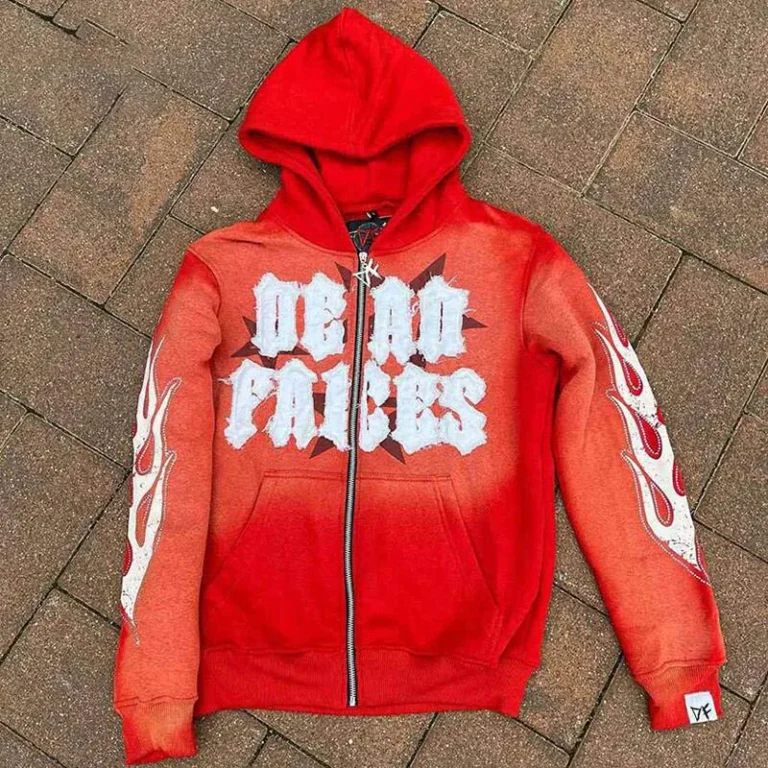
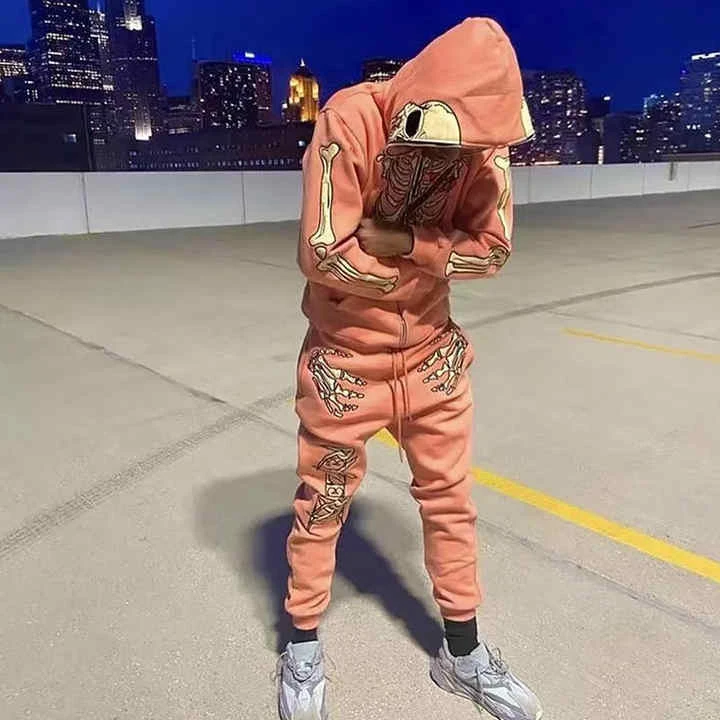
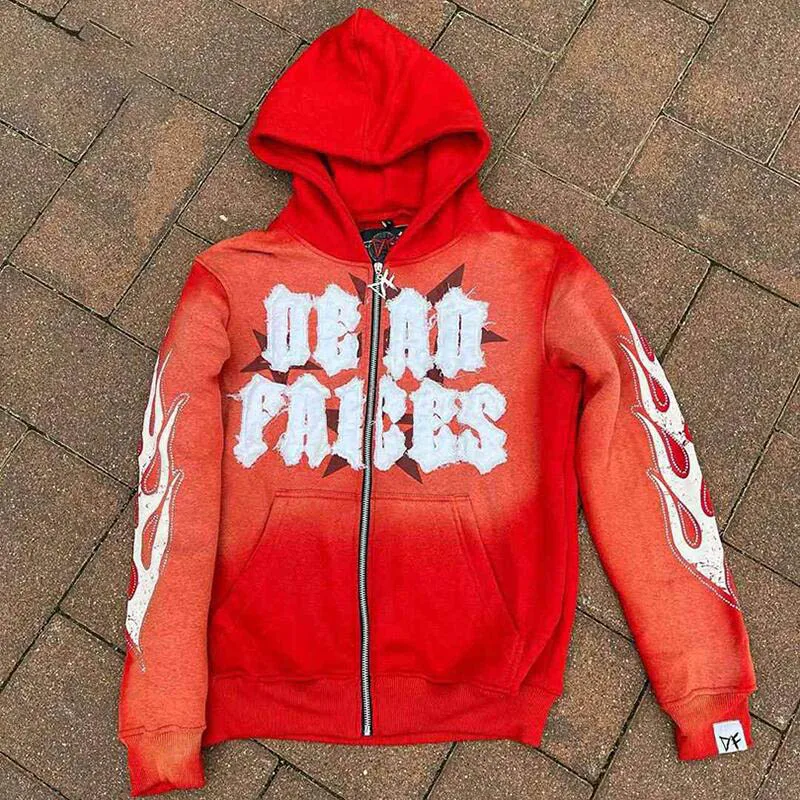
For brands seeking to push the boundaries of textile design, 3D puff printing is a compelling option. This technique creates a raised, textured effect on the fabric, typically by mixing a chemical additive with standard screen printing ink that expands under heat . The result is a tactile, visually striking “puff” that adds a layer of dimension to logos and graphics . This method is a hallmark of avant-garde streetwear, lending a sculptural quality to the garment. It is ideal for making a bold statement and differentiating your product from the sea of flat-print hoodies.
8. Sampling: Bringing Your Design to Life
You should never commit to a full production run without first vetting a physical sample. The sampling phase is your opportunity to validate the fit, fabric, print quality, and overall feel of the garment. Reputable manufacturers offer rapid sampling services, typically completing a sample within 3 to 7 working days . It is a small investment—often between $15 and $100—to safeguard against expensive production errors . During this phase, you can inspect the material weight, the tension of the stitching, and the accuracy of the embroidery or print. Use this time to make any necessary adjustments to the pattern or design before the bulk order begins.
9. Minimum Order Quantities: The Low-MOQ Revolution
Gone are the days when you needed to order 500 or 1,000 pieces to access custom manufacturing. The industry has shifted to accommodate the needs of independent brands. We are seeing a remarkable spectrum of MOQs. While some traditional facilities still require a minimum of 300 pieces , many agile suppliers now offer MOQs as low as 10, 50, or even 1 piece per design . This democratization of production allows emerging brands to launch “test runs,” “capsule collections,” and “limited drops” without significant financial exposure . For a first collection, starting with a modest order is not a limitation; it is a prudent business strategy.
10. Lead Times and Production Timelines
Managing expectations is key to a successful product launch. The timeline from sample approval to your doorstep involves several stages. After sample approval, bulk production generally takes between 2 to 5 weeks, depending on the complexity of the order and the factory’s capacity . Some suppliers with dedicated production lines promise turnaround times as quick as 2 weeks for an order of 100 to 200 pieces . Always factor in an additional week or two for shipping and customs clearance. Good planning prevents poor performance, and in manufacturing, patience is a prerequisite for a premium product.
11. Color Customization: Beyond Black and White
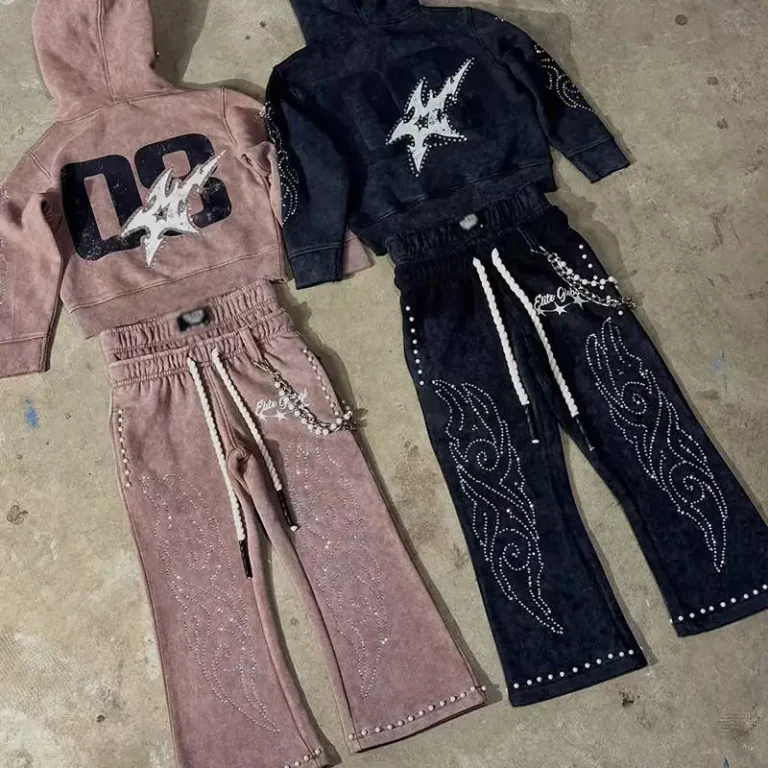
While a black hoodie is a wardrobe staple, custom colors are a powerful way to build a unique brand identity. Leading manufacturers can match any Pantone color you provide, from subtle earth tones to vibrant neons . This capability allows for cohesive collections that can be rolled out across different seasons. You are not limited to the standard palettes. Offering a hoodie in a distinctive, brand-specific colorway can create a strong visual signature that is instantly recognizable to your audience.
12. Size Inclusivity: From S to 10XL
A modern streetwear brand speaks to a diverse audience. Modern manufacturing can accommodate this. Beyond the standard S-2XL range, many manufacturers offer grading up to 5XL, 6XL, or even 10XL . Size inclusivity is no longer an afterthought; it is a core value. By ensuring your custom hoodie is available in extended sizes, you demonstrate a commitment to welcoming all body types into your community. This approach broadens your market reach and fosters a more genuine connection with your consumers.
13. Private Label Branding: Making It Yours
Custom production is about creating a product that is unequivocally yours. This goes beyond the design of the hoodie itself. A full-service manufacturer offers private label services that include applying custom woven neck labels, branded jacron patches, and hangtags . Even the inner size tags can be customized with your branding. This “white glove” approach ensures that every element of the product, from the fabric to the finished packaging, reflects your brand’s specific aesthetic and quality standards.
14. Packaging and Presentation
The unboxing experience is the first physical interaction a customer has with your brand. Do not underestimate its power. Custom packaging can elevate a simple hoodie into a premium product. Options include custom-printed polybags, branded tissue paper, and custom-made cartons . This attention to detail signals to the customer that you care about the entire experience, not just the garment. In the age of social media, a great unboxing experience is a free marketing campaign, often shared online by delighted customers.
15. Certification and Compliance
Selling garments, especially online, comes with a responsibility to meet safety and quality standards. When selecting a manufacturing partner, look for established certifications. The EC1907/2006 certification, for example, ensures compliance with REACH regulations in the EU market . Other common certifications include OEKO-TEX, BSCI, and ISO 1833 . Working with a certified factory provides peace of mind, knowing that your product meets international safety standards and that the production process is ethically and environmentally sound.
16. Cost Per Unit: Understanding the Economics
The price you pay per hoodie is influenced by the order quantity, fabric, and complexity of the design. As a general benchmark, for a 50-piece order of a heavyweight 100% cotton hoodie, the per-unit cost can range from $9 to $14, depending on the manufacturer . Produced in the US, that same hoodie might cost between $35 and $45 due to higher labor costs . The price decreases as the quantity increases. A low MOQ means you pay slightly more per unit, but this is a calculated trade-off. You are paying for the flexibility, reduced inventory risk, and capital preservation that a smaller run affords.
17. The Sampling Process: What to Expect
Let’s walk through the typical process. Step one: you contact a manufacturer with your design—a vector file (AI, EPS, SVG) is best for clarity . Step two: the manufacturer provides a quote and timeline. Step three: you place an order for a sample and pay a sample fee (often refundable with the bulk order). Step four: the manufacturer creates the sample within 5-7 days . Step five: you review the sample and request any necessary revisions. Step six: the manufacturer creates the final approved sample. Only after you sign off on the final sample does bulk production begin. It is a methodical process designed to eliminate surprises.
18. Choosing the Right Manufacturing Partner
The success of your custom hoodie project hinges on the relationship with your manufacturer. Look for partners with specific denim or streetwear expertise, a proven track record, and transparent communication. Verify their certifications and read reviews from other brands. A good manufacturer serves as a collaborative partner, offering guidance on design feasibility, fabric selection, and production efficiency. They respond promptly, respect deadlines, and demonstrate a genuine interest in the success of your brand. This is a partnership, not just a transaction.
19. Marketing Your Custom Hoodies
Once your hoodies are in hand, the real work begins. Marketing a custom hoodie means selling the story and the lifestyle it represents. Utilize high-quality product photography that showcases the garment’s details and fit. Leverage social media, influencer collaborations, and email marketing to build anticipation for your “drop.” For a custom hoodie, emphasize the premium fabric, the unique design, the customization details, and the value of the limited run. You are not just selling cotton; you are selling a piece of your brand’s identity.
20. Conclusion: The Future of Custom Streetwear
The world of custom apparel manufacturing has never been more accessible. The barriers that once kept creative founders out of the market have been dismantled by low MOQs, rapid prototyping, and diverse customization technologies. For the modern streetwear entrepreneur, a custom 100% cotton hoodie is within reach. It is an opportunity to translate a vision into a tangible product that can forge deep connections with a community. This is not just about clothing; it’s about building a culture.