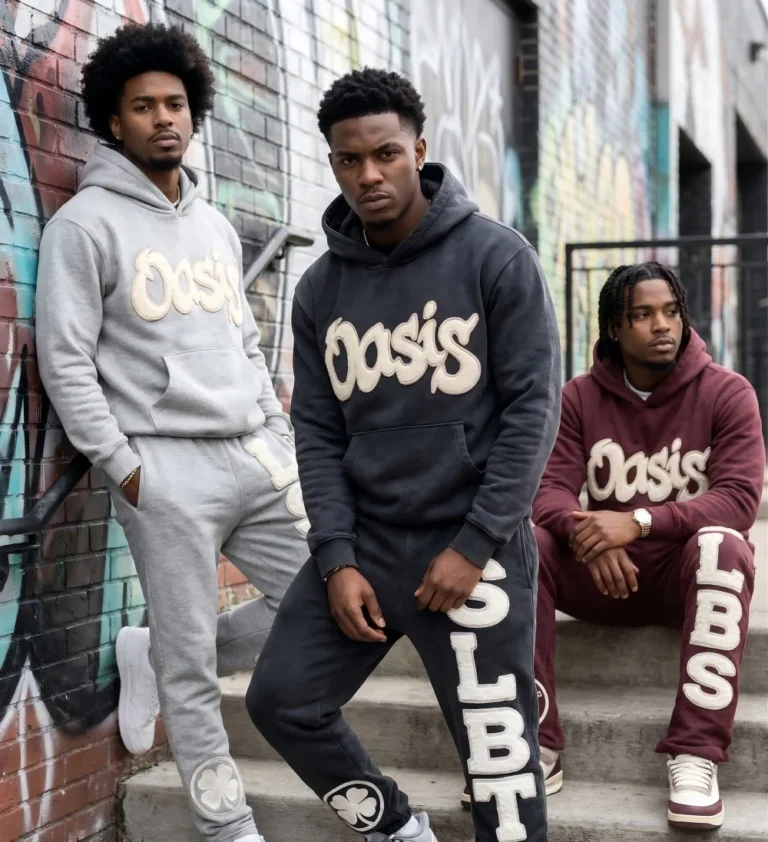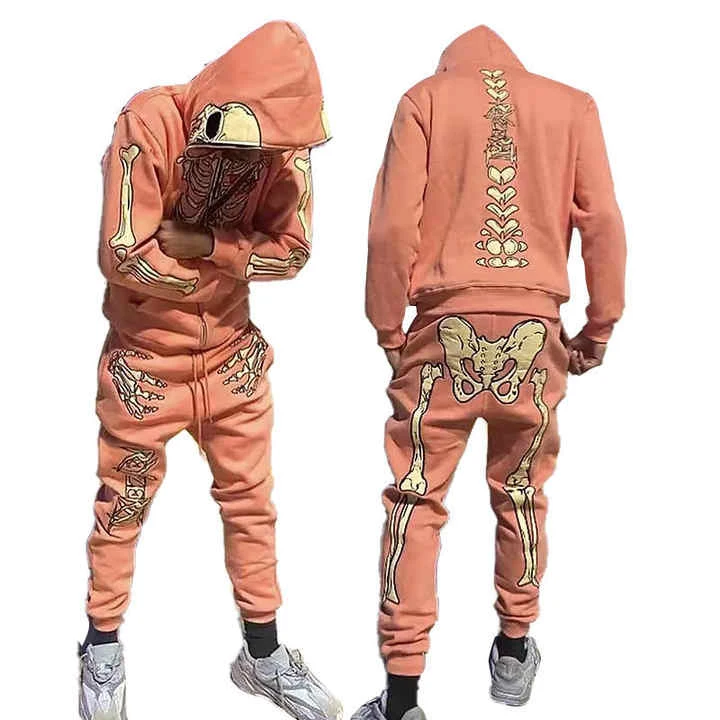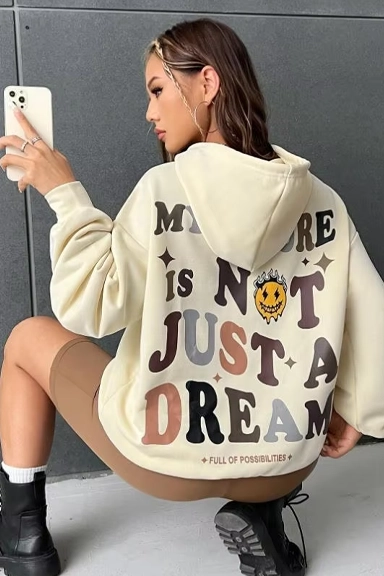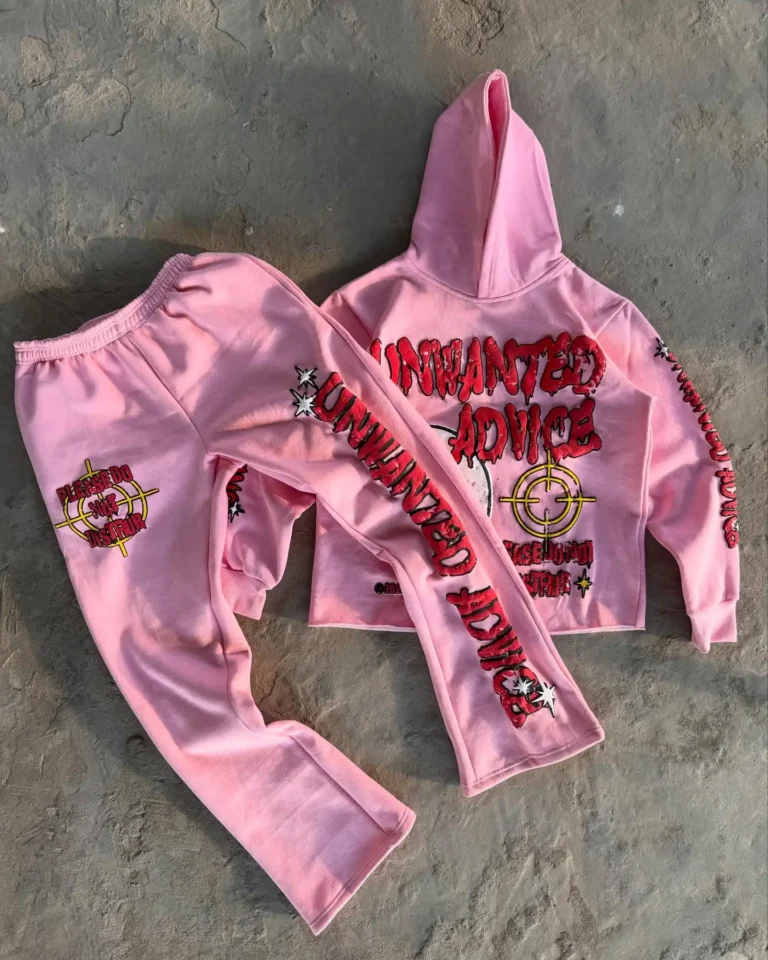
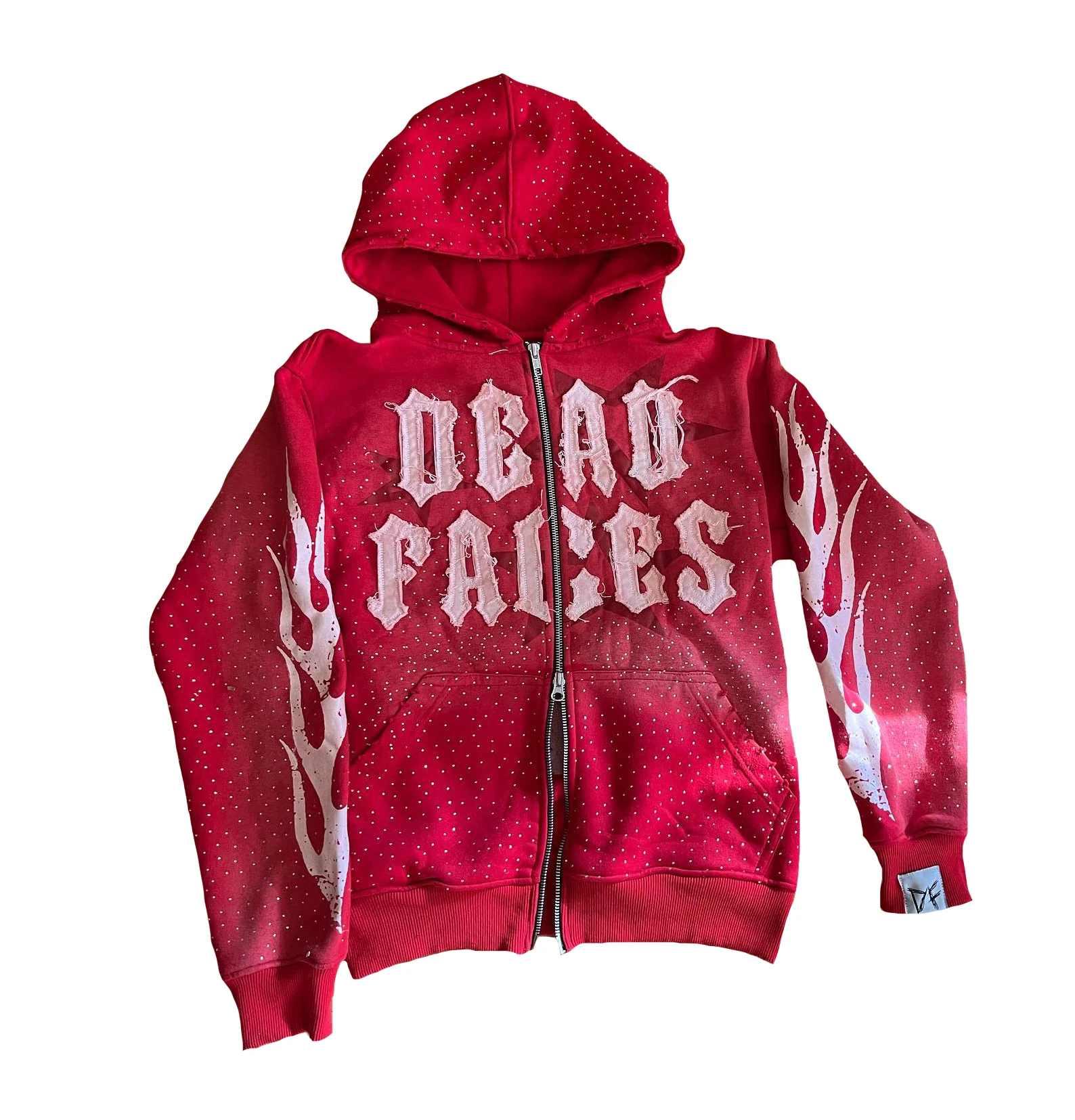
Introduction: The Custom Hoodie as a Democratic Canvas
The hoodie is a garment of uncommon versatility. It is at once athletic and casual, utilitarian and expressive. To customize a hoodie is to transform a mass-produced commodity into a personal or branded artifact. The question of where to do so, however, admits of no single answer. The landscape of custom apparel production is a variegated terrain, populated by local artisans, digital platforms, artisan marketplaces, and offshore manufacturers, each offering distinct advantages and imposing unique constraints. This treatise maps that terrain and provides a methodical framework for navigating it.
Pathway One: Local Brick-and-Mortar Establishments
Independent Screen Printing and Embroidery Shops
The most accessible local provider is the independent print shop. These establishments typically offer screen printing, embroidery, and heat transfer vinyl applied to blank garments sourced from wholesale distributors. Wisdom Printing & Embroidery in Chula Vista, California, exemplifies the model: over ten years of experience, direct-to-garment printing on hoodies, embroidery services, and a reputation for rapid turnaround—sometimes within a single day . Leftside Printing in Richmond, California, has earned praise for capturing clients’ visions and meeting tight deadlines, with customers noting the helpful and professional staff .
The advantage of the local shop is proximity. Samples can be inspected in person. Communication is immediate. The turnaround is swift. For individuals seeking a single custom hoodie, or small businesses ordering a modest run, the local print shop offers the path of least resistance.
Boutique Print Studios and Their Niche Offerings
A subset of local providers positions itself as boutique studios, offering curated techniques and specialized aesthetics. These establishments may specialize in discharge printing, puff printing, or water-based inks that yield a softer hand-feel. Squiggle Print in Chorley, United Kingdom, advertises “bespoke service” and “same day turn around available” for hoodie printing . These studios often work with smaller clientele and emphasize craftsmanship over volume. For brands seeking a distinctive aesthetic, a boutique studio may be the appropriate partner.
The Walk-In Experience: Immediacy and Tangible Proof
The walk-in experience is the distinctive advantage of the local provider. At We Custom Fashion Square in Sherman Oaks, California, customers describe designs being finished in “around 20 minutes” . The ability to see the blank, feel the fabric, and approve the placement before the decoration is applied eliminates the guesswork inherent in digital ordering. For those who value immediacy and tangible proof, the local shop is unmatched.
Pathway Two: Etsy and the Artisan Marketplace
The Embroidery Specialist: Personalization as Craft
Etsy has become a significant platform for custom hoodie production, particularly for embroidery. Sellers such as SANTINAEmbroidery, a London-based shop with over 50,000 sales, specialize in “custom high quality personalised embroidery” and have cultivated a reputation for flawless stitching and thoughtful customer service . juju + stitch offers custom embroidered apparel for all ages, with customers praising the quality and the care taken in bringing their visions to life . ModernPeony, a small family business, embroiders each item in-house .
These sellers occupy a distinctive niche: they are not mass producers, nor are they traditional decorators. They are artisans who have adapted their craft to the e-commerce marketplace. Their products are typically personalized items—names, initials, small motifs—rather than complex branded graphics. The aesthetic is often sentimental, gift-oriented, and deliberately intimate.
Communication, Mockups, and the Custom Order Process
The Etsy custom order process typically involves direct communication between buyer and seller. The buyer specifies the text or design, the thread color, and the placement. The seller may provide a digital mockup for approval before production. SANTINAEmbroidery’s FAQ notes that they “outline your photo as closely as possible” and that their interpretation of the design is part of the agreement . This collaborative, iterative process is well-suited to personalization but may be less efficient for larger orders or complex graphics.
Reviews, Ratings, and the Calculus of Trust
Trust is the currency of the Etsy marketplace. Reviews and ratings serve as proxies for reliability. SANTINAEmbroidery has a 4.7 rating across nearly 7,000 reviews; juju + stitch and ModernPeony similarly maintain high ratings across thousands of transactions . The volume of reviews provides a measure of confidence. A seller with hundreds of positive reviews for custom hoodies is a safer bet than one with none. The buyer should scrutinize reviews for mentions of communication quality, turnaround time, and the accuracy of the finished product.
Pathway Three: Online Design Platforms and Print-on-Demand
The 3D Designer and the Virtual Atelier
Online design platforms offer a self-service approach to customization. Peculiar People Designs provides an “Online Designer” where users select a product, upload artwork or add text, and complete their order; the platform then reviews the artwork for print readiness . owayo offers a 3D Designer with over 2,000 logos and graphics, allowing users to visualize their design on a virtual garment before ordering . These interfaces democratize design, placing the creative tools in the hands of the consumer.
Print-on-Demand Aggregators: The No-Minimum Paradigm
Print-on-demand platforms such as Printful, Printify, and Teespring impose no minimum order quantity, making them ideal for single-piece orders. The decoration is typically direct-to-garment or sublimation, and the blank selection is limited to the platform’s catalog. Bulkthreads.com operates on a similar model, though with a 12-piece minimum per design, and offers instant pricing and a design tool . The trade-off is that the decoration quality may be inferior to embroidery or screen printing, and the blank options are constrained.
The Digital Mockup and Its Limitations
Every online platform provides a digital mockup before production. This mockup is a simulation, not a photograph. It approximates the appearance of the finished product but may not capture the subtleties of fabric texture, ink opacity, or embroidery sheen. The customizer should interpret the mockup with a degree of skepticism and request a physical sample when possible. The mockup is a guide, not a guarantee.
Pathway Four: Direct-to-Consumer Brand Experiences
Nike By You and the Experiential Model
Nike By You represents a distinctive model: customization as brand experience. The platform allows consumers to personalize select Nike apparel, including hoodies, with a curated menu of graphics and colors. Nike’s collaboration with BTS for the “ARIRANG” world tour introduced a first-of-its-kind Nike By You customization experience, featuring ten custom designs created specifically for the band, allowing fans to co-create and personalize select Nike apparel and totes . The experience launched at select Nike stores in cities including Seoul, Tokyo, London, Berlin, Paris, Toronto, and New York .
The Nike By You model is characterized by curation and constraint. The consumer is not designing from scratch; they are selecting from a predetermined palette. The result is a co-created product bearing the imprimatur of both the brand and the consumer. Availability, however, is restricted by geography and platform capacity, and the customization options are limited.
Limited Availability and Regional Constraints
The Nike By You experience is not universally accessible. It is available at select stores in specific cities, and the BTS-specific designs launched on a staggered schedule across global markets . For consumers outside these markets, the Nike By You pathway may be inaccessible. The direct-to-consumer brand customization model, while compelling, remains a boutique offering rather than a universal solution.
Pathway Five: Overseas OEM Manufacturers and B2B Channels
The Chinese Industrial Clusters and Flexible MOQs
For brands seeking full cut-and-sew production with custom labels, packaging, and proprietary designs, overseas manufacturers offer a viable pathway. Qianshiwear, based in Guangzhou, offers custom spliced zip-up hoodies with MOQs as low as 50 pieces per color per design, specializing in heavyweight fleece and complex cut-and-sew construction . Renrui Textile provides comprehensive OEM services, emphasizing the importance of a complete tech pack for efficient sampling . Ninghow, operating from Shenzhen, offers no strict minimum order quantity, with tiered pricing beginning at 100 pieces .
These manufacturers function as more than mere production facilities. They provide design consultation, fabric swatch selection, and technical guidance on wash development and embellishment placement. The collaborative model—wherein the factory’s design team works alongside the brand to refine specifications—is standard practice for OEM hoodie production.
The Tech Pack and Sampling Protocol
The foundation of any successful OEM order is the technical specification package, or Tech Pack. Renrui Textile specifies that a complete tech pack should include a technical flat sketch, measurement spec chart, fabric spec, color spec, trim spec, decoration placement, seam type callouts, and grade rules . The absence of a comprehensive Tech Pack is the primary cause of production misalignment.
The sampling process typically involves the creation of a pre-production sample that incorporates all specifications. Sample lead times range from 7 to 10 days after artwork confirmation, with one revision round typically required . The approved sample is sealed and retained as the definitive reference against which bulk production is measured.
Communication, Timelines, and Quality Assurance
Working with overseas manufacturers requires clear communication across time zones and, often, language barriers. Production timelines for bulk orders range from 25 to 35 days . Inline quality control is conducted at multiple stages—typically at 30% and 70% completion—to catch deviations before the entire production run is sewn . Pre-shipment inspection measures units against the approved spec and photographs the bulk lot before the balance invoice is issued .
The Decoration Matrix: Methods and Their Applications
Embroidery: Durability and Premium Aesthetics
Embroidery is the most durable decoration method. The design is stitched directly into the fabric with thread, surviving washing cycles that would destroy a print. The limitation is detail: very fine lines and gradient effects do not translate well to thread. Embroidery is the preferred method for logos with simple shapes and clean edges. Etsy sellers specializing in embroidery have demonstrated the method’s suitability for personalization—names, initials, small motifs—rendered with precision and care .
Screen Printing and DTG: Vibrancy and Digital Precision
Screen printing is the commercial standard for volume runs requiring bold colors and long-lasting durability. Direct-to-garment (DTG) printing handles full-color artwork, complex gradients, and photographic images without additional cost for extra colors. DTF transfers are ideal for detailed artwork and smaller orders requiring crisp detail without high screen setup fees. The choice of method should align with the design’s complexity, the order volume, and the desired aesthetic.
Conclusion: Matching Pathway to Purpose
The question of where to customize a hoodie admits of no universal answer. The local print shop offers immediacy, personal service, and the ability to inspect samples in person. The Etsy artisan offers personalized embroidery and a collaborative, gift-oriented experience. The online design platform offers convenience, breadth of options, and no-minimum ordering. The direct-to-consumer brand offers a curated, experiential model with limited availability. The overseas manufacturer offers full creative control and proprietary production for brands with the volume and patience to navigate international logistics.
The discerning consumer or brand must assess their own priorities—timeline, budget, degree of customization, and desired aesthetic—and select the pathway that best aligns with those priorities. The custom hoodie, in its myriad forms, is available to all who possess the clarity of purpose to pursue it.