Learn how to make your own custom hoodie with simple DIY techniques. Cover fabric paint, patches, embroidery and printing ideas to create your unique personalized hoodie at home.
Introduction: The Democratization of Apparel Design
The custom hoodie represents more than a garment; it is a canvas for personal expression, a potential profit centre for an emerging brand, or a deeply personal gift. In the contemporary landscape, the tools to create a distinctive hoodie are more accessible than ever, ranging from humble DIY methods to sophisticated commercial production. This guide delineates the comprehensive pathways to achieving a custom hoodie, from selecting the foundational fabric to employing advanced decoration techniques.
The Foundational Decision: Selecting the Right Hoodie
The success of any custom hoodie project is predicated upon the quality of its base garment. Fabric weight and composition are not mere technical specifications; they are the defining characteristics that dictate durability, comfort, and the efficacy of decoration methods .
Fabric weight, measured in ounces per square yard or grams per square meter (GSM), determines the warmth, drape, and overall feel of the garment. Lighter fabrics (200-350 GSM) are suited for summer wear, while heavier fleece (400-500 GSM and above) is preferred for structured, retail-quality pieces . For premium gifts or collections that are meant to withstand repeated wear, heavyweight fabrics with a structured feel are the prudent choice .
The fiber blend is equally consequential. A cotton-polyester blend combines the breathability and softness of cotton with the durability and wrinkle resistance of polyester . High-cotton blends, particularly those with a 100% cotton face, are the optimal substrate for screen printing and Direct-to-Garment printing, as the fibers absorb ink effectively . Conversely, high-polyester blends are suitable for sublimation, where the dye bonds directly with the synthetic fibers .
Method One: Sewing a Hoodie From Scratch
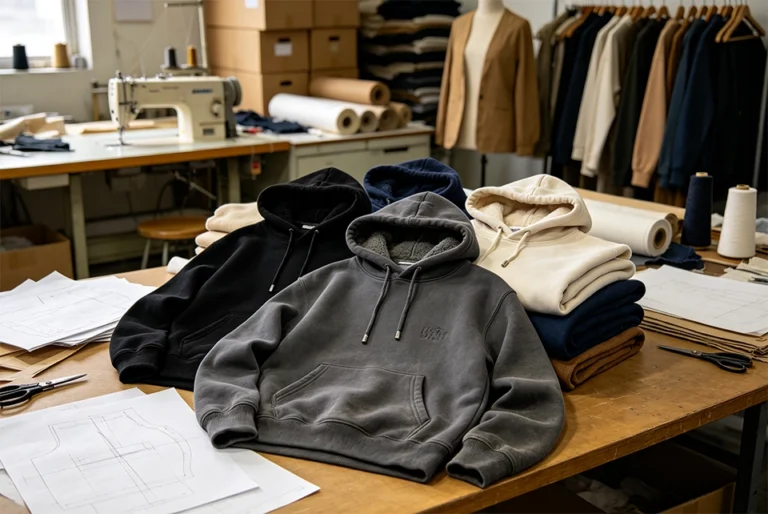
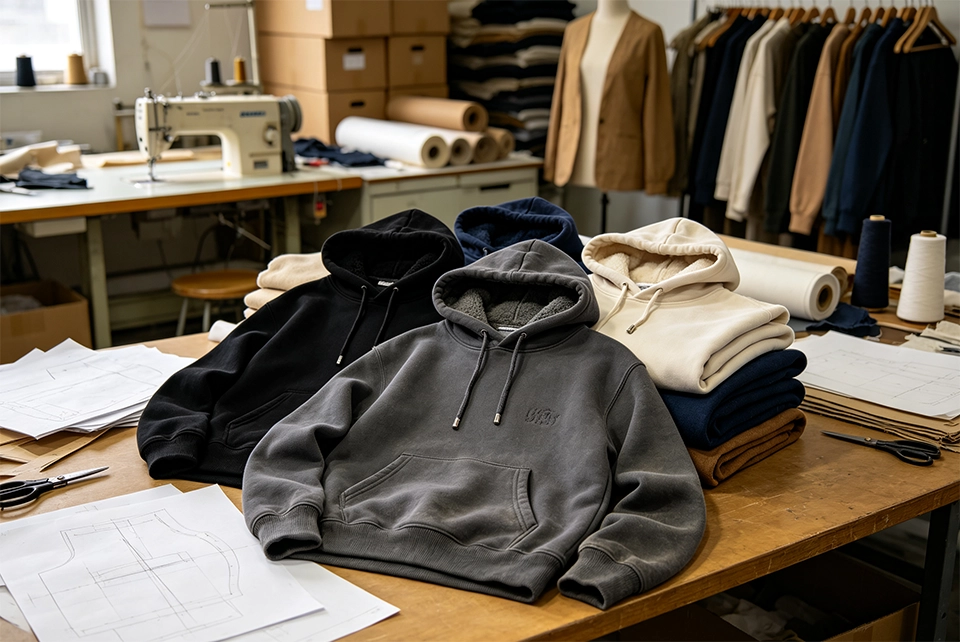
For the artisan who demands absolute control, constructing a hoodie from its constituent pieces is the ultimate expression of craftsmanship. This pathway, while labor-intensive, results in a garment of unparalleled originality, without reliance on a pre-existing blank .
The process begins with a pattern. One can either trace an existing hoodie onto paper or procure a commercial pattern, paying close attention to its recommendations for fabric type. For knit fabrics, a ballpoint or stretch needle is essential to prevent skipped stitches and damage to the fibers . The assembly process involves sewing the shoulder seams, attaching the sleeves, stitching the side seams, constructing the hood, and affixing it to the neckline, culminating in the addition of cuffs, waistband, and pockets . This route, demanding a sewing machine and a significant investment of time, rewards the craftsperson with a garment that is entirely their own .
Method Two: Decorating a Blank Hoodie
The most accessible route for individuals and small groups is the decoration of a ready-made blank hoodie. This approach eliminates the complexities of pattern engineering and garment assembly, allowing the creator to focus solely on the application of their design .
Preparation is paramount. The blank hoodie should be washed and dried prior to decoration to pre-shrink the fabric and ensure dimensional stability . The application method can then be selected:
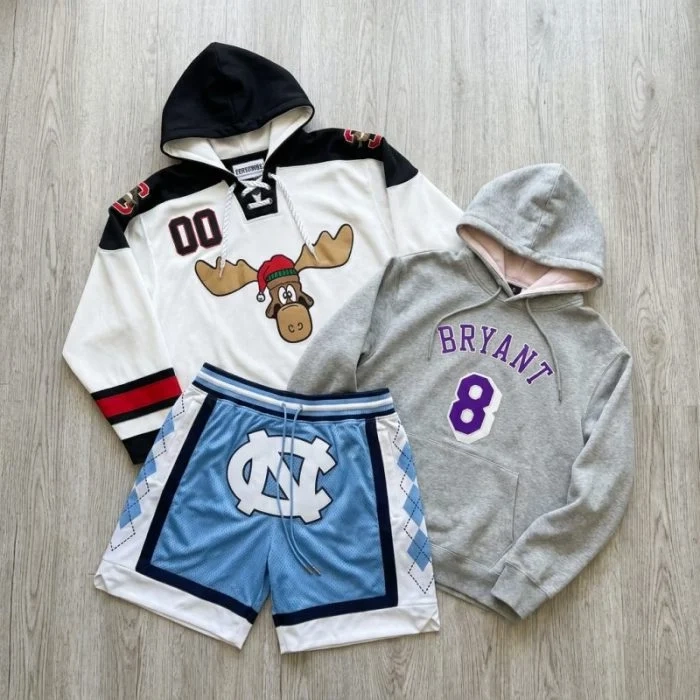
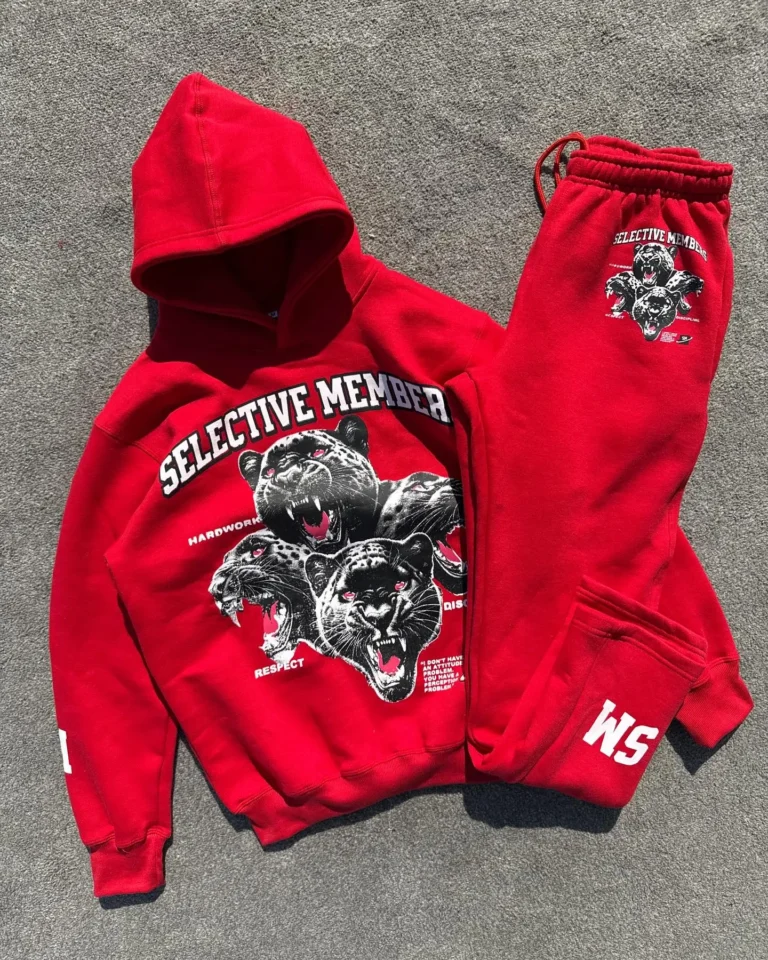
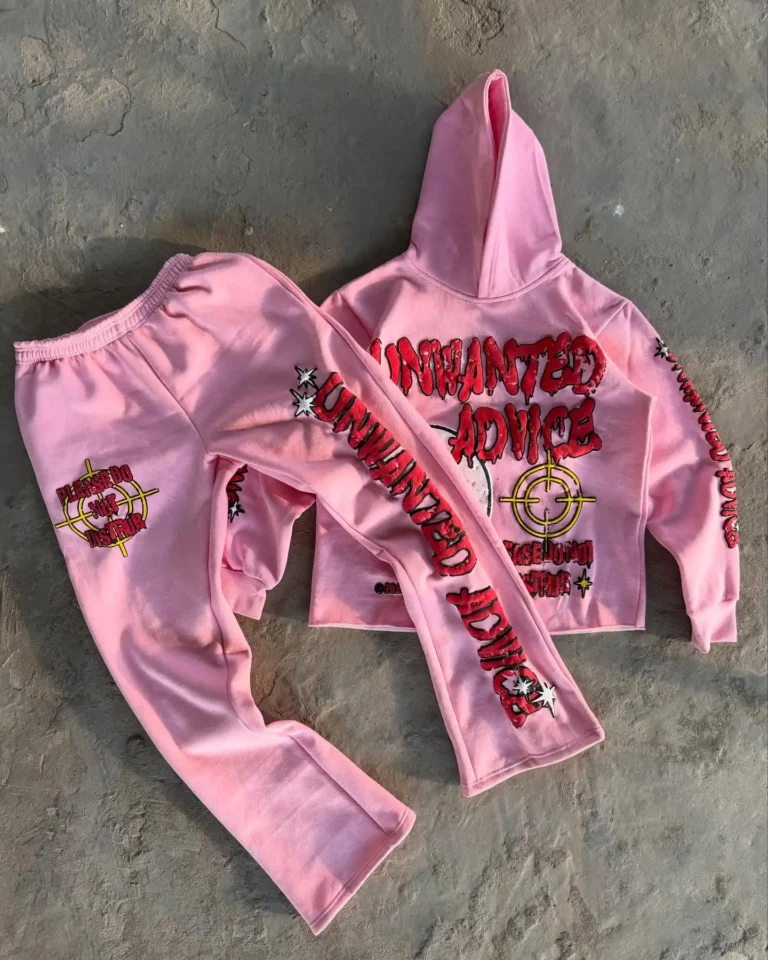
- Heat Transfer Vinyl (HTV): A craft cutter is used to cut a design from vinyl sheets, which is then heat-pressed onto the garment. This method is accessible, affordable, and ideal for one-off projects .
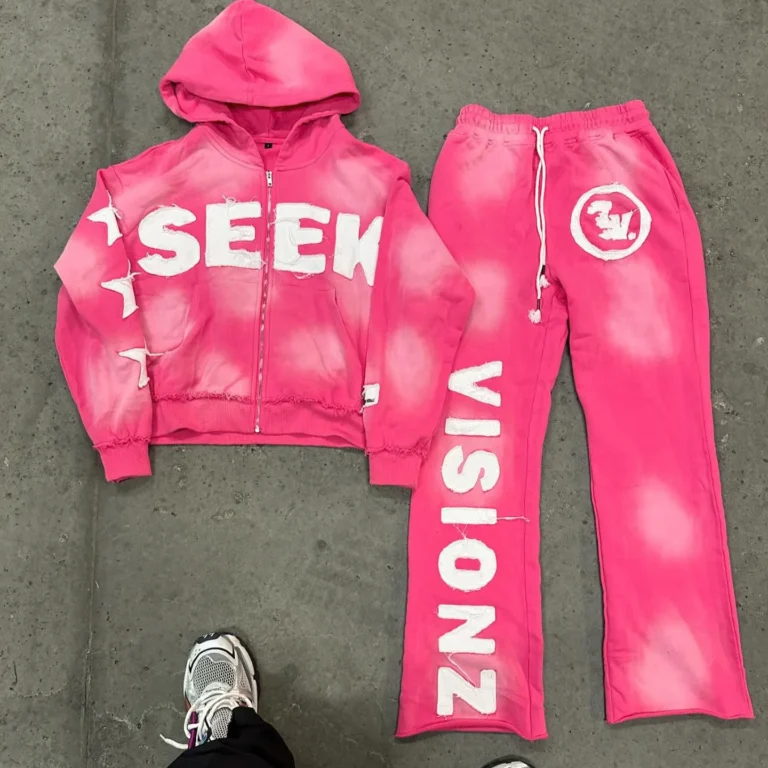
- Fabric Paint: Paint can be applied by hand, through stencils, or via splatter techniques. Once dry, the paint must be heat-set with an iron to render it permanent .
- Patches and Appliqués: Sew-on or iron-on patches offer a quick method to add texture and visual interest .
While accessible, it must be noted that heat transfers and paint can crack or fade over time, necessitating careful adherence to care instructions to ensure longevity .
Method Three: Print-on-Demand and Professional Manufacturing
For those seeking a professional-grade finish without the capital expenditure of mass production, online print-on-demand services offer a streamlined solution. In this model, the designer uploads their artwork, selects a hoodie style, and the platform handles printing, fulfillment, and shipping . However, for a brand seeking to build a proprietary identity and control quality, engaging directly with a manufacturer for a small-run production is the superior path.
This path involves selecting a manufacturer, ordering a pre-production sample, and approving a sample before committing to a bulk order . This model is particularly suitable for small brands with lower Minimum Order Quantities (MOQs), often starting at 100 pieces, allowing them to test the market before scaling .
The Pantheon of Decoration Methods
The choice of decoration method is the most critical decision after selecting the substrate. Each technique possesses distinct advantages, limitations, and best-use cases .
Screen Printing: The Industrial Standard
Screen printing remains the most prevalent method for hoodie decoration. It involves pushing ink through a stenciled mesh screen onto the fabric. This technique is lauded for its durability, vibrancy, and cost-effectiveness on larger runs. However, it is best suited for bold, solid-color designs, as each color requires a separate screen .
Direct-to-Garment (DTG): The Digital Artisan
Direct-to-Garment printing functions like a large-format inkjet printer, applying ink directly to the fabric . DTG excels at producing photorealistic, full-color, intricate designs with unlimited colors, making it ideal for small orders and one-off pieces . The primary limitation is its fabric specificity; the best results are achieved on 100% cotton substrates, where the ink bonds effectively .
Direct-to-Film (DTF): The Versatile Alternative
Direct-to-Film printing offers a compelling alternative, particularly for dark-colored fleece. A design is printed onto a film with a white adhesive base, which is then heat-pressed onto the garment . Unlike DTG, DTF is fabric-agnostic, performing well on cotton, polyester blends, and everything in between . It eliminates the need for garment pre-treatment and is known for producing vibrant, full-colour designs on dark grounds with a soft, durable finish .
Embroidery: The Premium Touch
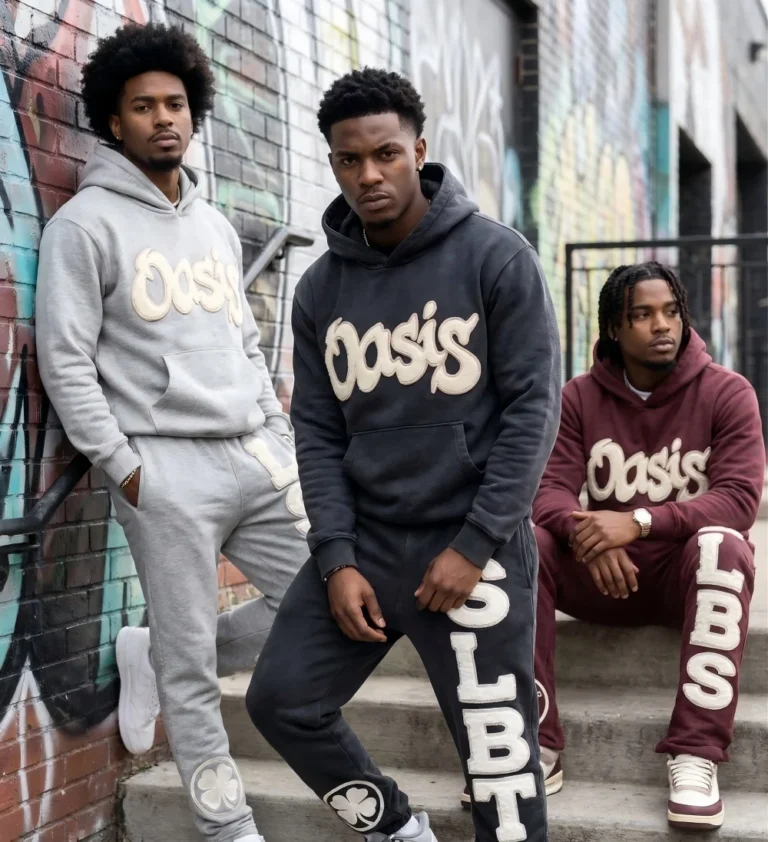
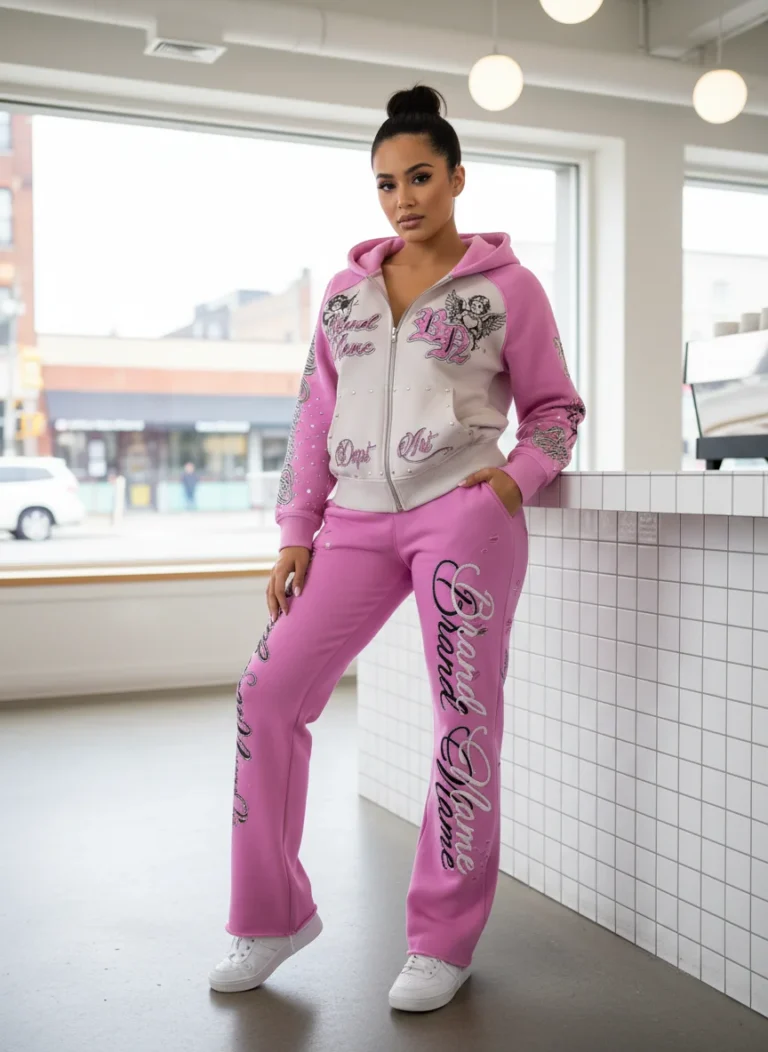
Embroidery is the gold standard for a premium, professional aesthetic. It involves stitching a design directly into the fabric using thread, creating a textured, three-dimensional finish . Embroidery is exceptionally durable—it does not crack, fade, or peel. It is the preferred method for logos, small text, and corporate apparel . A critical consideration is that lettering under approximately 0.5 inches can lose definition on fleece .
Sublimation Printing: The All-Over Aesthetic
Sublimation is a unique process where dye is transferred to a fabric using heat, chemically bonding with the fibers. This allows for edge-to-edge, all-over prints that are incredibly durable. The material must be high in polyester content, as the dye bonds only with synthetic fibers .
The Sampling Process: The Crucible of Quality
Before committing to a bulk order, the pre-production sample is indispensable . This physical prototype allows for the evaluation of the fabric, the fit, the placement of the design, and the quality of the decoration . For small-batch orders, this phase is particularly critical, as consistency is harder to achieve. Manufacturers often treat a 100-piece order differently, implementing full inspections to flag any issues that could jeopardize a brand’s first launch .
The Business of Custom Hoodies
For brands, the journey involves more than creative expression; it requires a commercial acumen. The decision to make a hoodie is often governed by the desire to build a brand, establish credibility, and achieve scale . The modern manufacturer and print-on-demand ecosystem has lowered the barrier to entry, allowing a brand to start with as few as 100 units to test a market or, for a premium, even less . Each hoodie in a small run represents a significant decision, with the goal of maintaining bulk-production-level quality despite the low volume .
The Care Protocol: Preserving the Investment
The longevity of a custom hoodie is contingent upon proper maintenance. Decoration methods have specific vulnerabilities: screen prints are generally durable, while DTG and heat transfers can be susceptible to fading and cracking if not treated with care . To preserve the garment, washing inside out in cold water, using a mild detergent, and air drying are strongly recommended. Avoiding high heat in tumble dryers will prevent shrinkage and protect the integrity of the embellishments.
Conclusion: From Vision to Wearable Art
The creation of a custom hoodie is a journey that navigates a spectrum of complexity, from the solo artisan constructing a garment from scratch to the entrepreneur launching a brand through a professional manufacturing partnership. The common thread is the pursuit of individuality—the desire to translate a vision into a tangible, wearable artifact. By making informed decisions at each stage, from the selection of the fabric to the mastery of the print method, one can transform a blank garment into a statement of personal identity or a powerful emblem of a burgeoning brand.