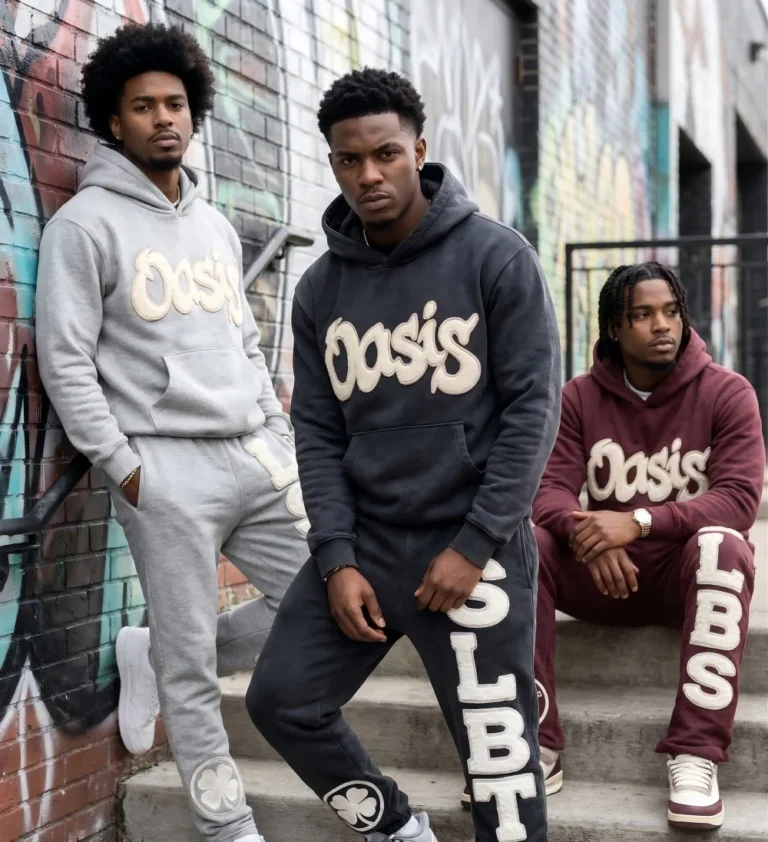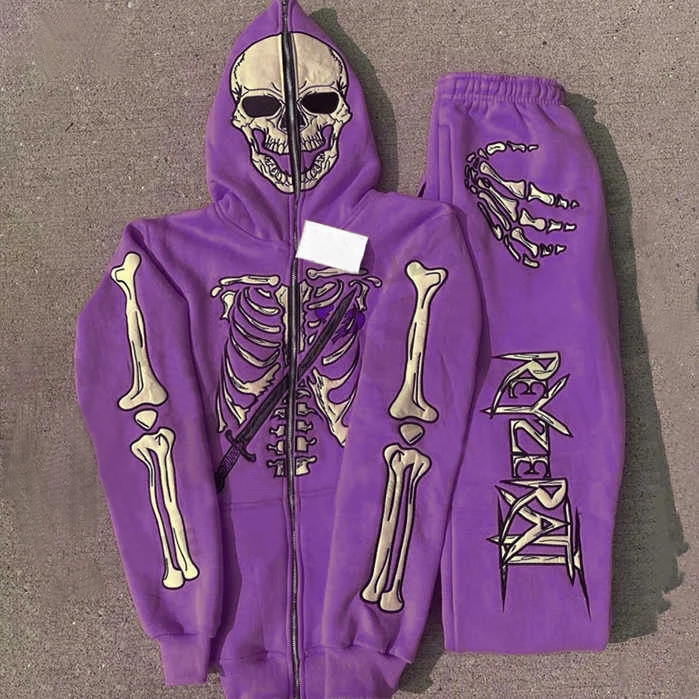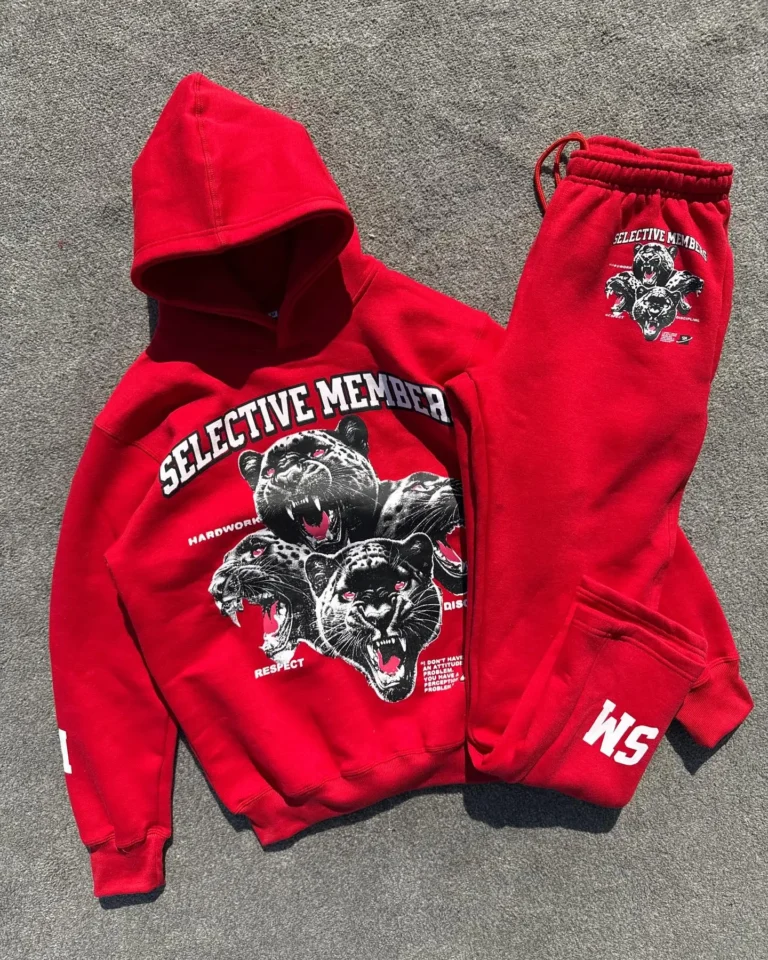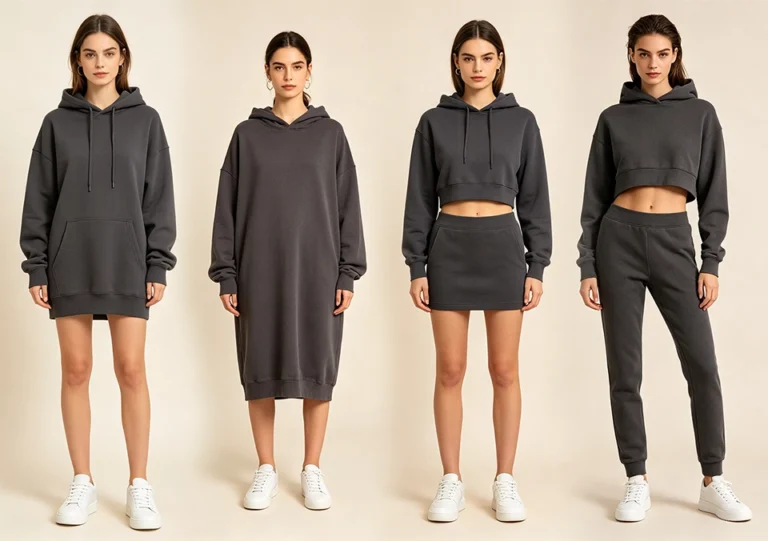
Introduction: The Custom Hoodie as a Strategic Artifact
The hoodie is a garment of uncommon versatility. It is at once athletic and casual, utilitarian and expressive. To commission a custom hoodie is to engage in a process that spans design, material selection, decoration, and logistics. The question of how to get custom hoodies made admits of no single answer. The landscape of custom apparel production is a variegated terrain, populated by local artisans, digital platforms, and offshore manufacturers, each offering distinct advantages and imposing unique constraints. This treatise maps that terrain and provides a methodical framework for navigating it.
Defining the Customization Spectrum
Decoration Versus Cut-and-Sew Production
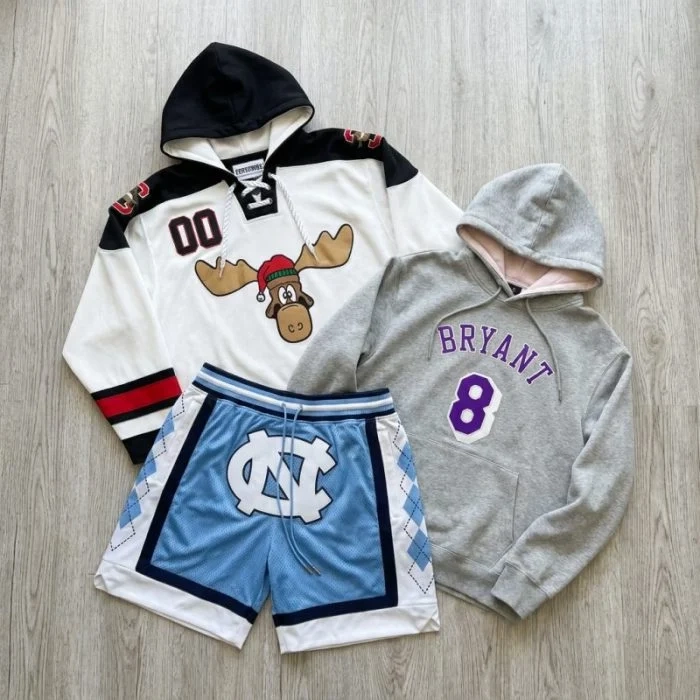
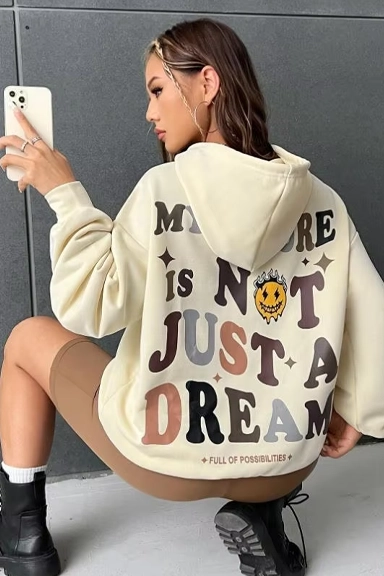
The term “custom hoodie” encompasses a spectrum of interventions. At one pole lies decoration: the application of a graphic, logo, or text onto a pre-existing blank garment. At the other pole lies cut-and-sew production, wherein the silhouette, fabric, and construction are designed from inception. The provider one selects must align with the depth of customization desired. A screen printer may excel at the former; a cut-and-sew factory is requisite for the latter.
The Distinction Between Personalization and True Customization
Personalization typically involves the addition of a name, monogram, or number to a stock item. True customization, by contrast, implies substantive alteration of the garment’s appearance or construction. A hoodie bearing one’s name in embroidered script is personalized; a hoodie featuring a proprietary cut, custom-dyed fabric, and original hardware is customized. The distinction matters for both expectation management and provider selection.
Pathway One: Local Artisans and Brick-and-Mortar Establishments
The Independent Screen Printing and Embroidery Shop
The most accessible local provider is the independent print shop. These establishments typically offer screen printing, embroidery, and heat transfer vinyl applied to blank garments sourced from wholesale distributors. They accommodate orders ranging from single pieces to several hundred units. The advantage of the local shop is proximity: samples can be inspected in person, and communication is immediate.
Boutique Print Studios and Their Niche Offerings
A subset of local providers positions itself as boutique studios, offering curated techniques and specialized aesthetics. These establishments may specialize in discharge printing, puff printing, or water-based inks that yield a softer hand-feel. They often work with smaller clientele and emphasize craftsmanship over volume. For brands seeking a distinctive aesthetic, a boutique studio may be the appropriate partner.
Full-Service Cut-and-Sew Manufacturers
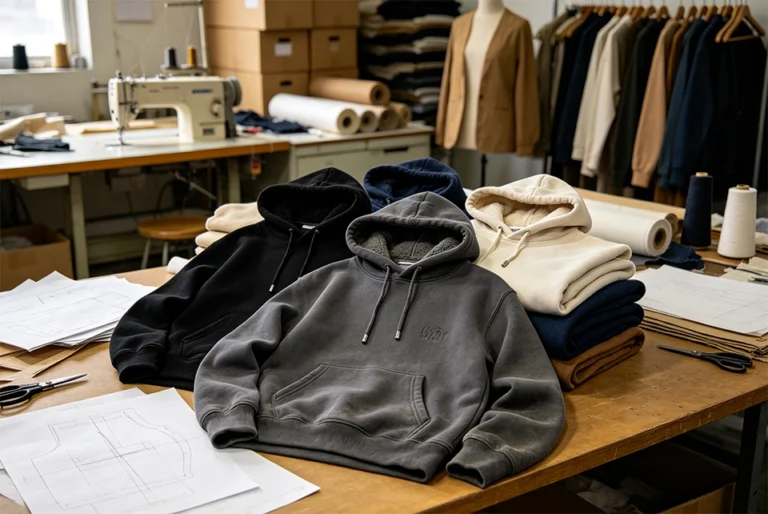
At the apex of local production are cut-and-sew manufacturers capable of producing garments from scratch. These facilities source fabric, cut patterns, sew seams, and apply finishing touches. They are the appropriate partner for brands seeking original silhouettes and proprietary fits. Such manufacturers are rarer than decorators but exist in most metropolitan regions. For those with the ambition and volume to warrant it, they offer the greatest degree of creative control.
Pathway Two: The Digital Atelier and Online Platforms
Print-on-Demand Aggregators: The No-Minimum Paradigm
Print-on-demand platforms have democratized the production of custom hoodies. Printful, Printify, and Teespring (now Spring) dominate this space, each with distinct strengths. These platforms impose no minimum order quantity, making them ideal for single-piece orders, samples, or merchandise drops. The trade-off is that the decoration is typically direct-to-garment or sublimation, and the blank selection is limited to the platform’s catalog.
Specialist Decorators with Digital Frontends
Many traditional decorators have erected digital frontends. Custom Ink offers an online design lab where users can create and preview designs on Nike, Gildan, and Bella+Canvas hoodies, with minimums as low as six pieces and lead times of seven to ten days. RushOrderTees caters to last-minute orders with turnaround as fast as three days. These platforms provide superior blank selection and decoration quality compared to pure print-on-demand aggregators.
Direct-to-Consumer Brand Customization Programs
A third digital archetype is the direct-to-consumer brand that offers customization as a core feature. Nike By You is an exemplar, offering a curated selection of garments and a limited but high-quality menu of customization options. The result is a co-created product bearing the imprimatur of both the brand and the consumer. Availability, however, may be restricted by geography and platform capacity.
Pathway Three: Overseas OEM/ODM Manufacturing
The Chinese Industrial Clusters and Their Specializations
For brands seeking full cut-and-sew production with custom labels, packaging, and proprietary designs, overseas manufacturers offer a viable pathway. The industrial clusters of Guangdong province—Guangzhou, Dongguan, Foshan—are home to vertically integrated factories that span fabric milling, dyeing, cutting, sewing, and finishing. These facilities can produce garments from scratch, executing proprietary designs with precision.
Minimum Order Quantities and Flexible Production Tiers
The MOQ landscape for overseas hoodie manufacturing varies considerably. Traditional factories may require 500 to 1,000 pieces per style. However, a growing number of suppliers now accommodate orders of 50 to 200 pieces, enabling smaller brands to access custom production. The MOQ is influenced by factors including fabric selection, decoration complexity, and packaging requirements.
Communication, Sampling, and Quality Assurance
Working with overseas manufacturers requires clear communication across time zones and, often, language barriers. A comprehensive Tech Pack—specifying measurements, stitch density, fabric weight, and decoration placement—is essential. The sampling process typically involves the creation of a pre-production sample that is evaluated for fit, construction, and aesthetic quality. The approved sample is sealed and retained as the definitive reference for bulk production.
The Substrate Question: Selecting the Appropriate Blank
Fabric Composition and Weight Considerations
The foundation of any custom hoodie is the fabric. Fleece, with its brushed interior, offers warmth and softness. French terry, with its looped back, is lighter and more breathable. The weight of the fabric, measured in grams per square meter, ranges from a lightweight 250 GSM to a substantial 500 GSM or higher. A 50/50 cotton-polyester blend provides durability and resistance to shrinkage; 100% cotton offers breathability and a premium hand-feel.
Silhouette, Fit, and Sizing Nuances
Fit is a perennial challenge in custom apparel. Pullover versus full-zip, regular versus slim, unisex versus women’s—these distinctions matter. When ordering for a group, it is prudent to order a sample in the target size before committing to a bulk order. Platforms such as Print.com allow ordering from as little as one piece, enabling customers to test fit and quality before scaling.
The Decoration Matrix: Methods and Their Applications
Embroidery: Durability and Premium Aesthetics
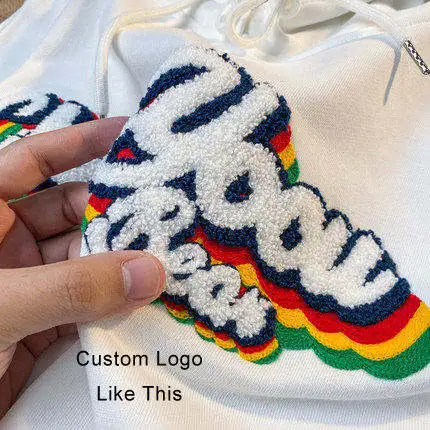
Embroidery is the most durable decoration method. The design is stitched directly into the fabric with thread, surviving washing cycles that would destroy a print. The limitation is detail: very fine lines and gradient effects do not translate well to thread, so logos with simple shapes and clean edges embroider best. Embroidery is the preferred method for staff uniforms, workwear, and any hoodie that will be washed regularly.
Screen Printing: Volume Economics and Vibrancy
Screen printing is the commercial standard for volume runs requiring bold colors and long-lasting durability. The process involves pressing ink through a mesh screen onto the fabric. It is cost-effective for large orders and yields vibrant, opaque prints. The trade-off is the setup cost: each color in the design requires a separate screen, making screen printing less economical for small runs or multi-color designs.
Direct-to-Garment and DTF: Digital Precision
Direct-to-garment (DTG) printing works like a wide-format inkjet printer applied directly to the fabric. It handles full-color artwork, complex gradients, and photographic images without additional cost for extra colors. DTF transfers print the design onto a film sheet before transferring it onto the garment with heat. DTF is ideal for detailed artwork, photo graphics, and smaller orders requiring crisp detail without high screen setup fees.
Logistical and Economic Considerations
Minimum Order Quantities and Flexibility
Minimum order quantities vary widely across the provider landscape. Print-on-demand aggregators impose no minimum, allowing single-piece orders on the same terms as bulk orders. Traditional decorators may require six, twelve, or twenty-four pieces. Overseas manufacturers typically require 50 to 100 pieces per design. The prospective buyer must align the provider’s minimum with the intended scale of production.
Production Timelines and Rush Availability
Production timelines range from a few days to several weeks. Print.com delivers printed hoodies in as little as six working days. RushOrderTees offers turnaround as fast as three days. Overseas manufacturers require 15 to 25 days for bulk production after sample approval, plus shipping time. For event-driven orders, a buffer of several days is prudent.
Pricing Structures and Hidden Costs
Unit pricing is typically tiered by volume. Beyond the unit price, ancillary costs may accrue: setup fees for screen printing, digitizing fees for embroidery, art charges when designers must refine artwork, and shipping costs. The total landed cost is the relevant metric for comparison.
Quality Assurance and Proofing Protocols
The Digital Mockup and Its Limitations
Every reputable platform provides a digital mockup before production. This mockup is a simulation, not a photograph. It approximates the appearance of the finished product but may not capture the subtleties of fabric texture, ink opacity, or embroidery sheen. The customizer should interpret the mockup with a degree of skepticism and request a physical sample when possible.
Physical Samples and Pre-Production Verification
For orders of significant value or complexity, a physical sample is indispensable. The sample reveals the true color, the hand-feel of the fabric, the accuracy of the print or embroidery, and the overall quality of construction. The cost of a sample is trivial compared to the cost of a flawed bulk order.
Conclusion: Matching Provider to Purpose
The question of how to get custom hoodies made admits of no universal answer. The local print shop offers immediacy, personal service, and the ability to inspect samples in person. The online platform offers convenience, breadth of options, and no-minimum ordering. The overseas manufacturer offers full creative control and proprietary production for brands with the volume and patience to navigate international logistics. The discerning consumer or brand must assess their own priorities—timeline, budget, degree of customization, and desired aesthetic—and select the pathway that best aligns with those priorities. The custom hoodie, in its myriad forms, is available to all who possess the clarity of purpose to pursue it.