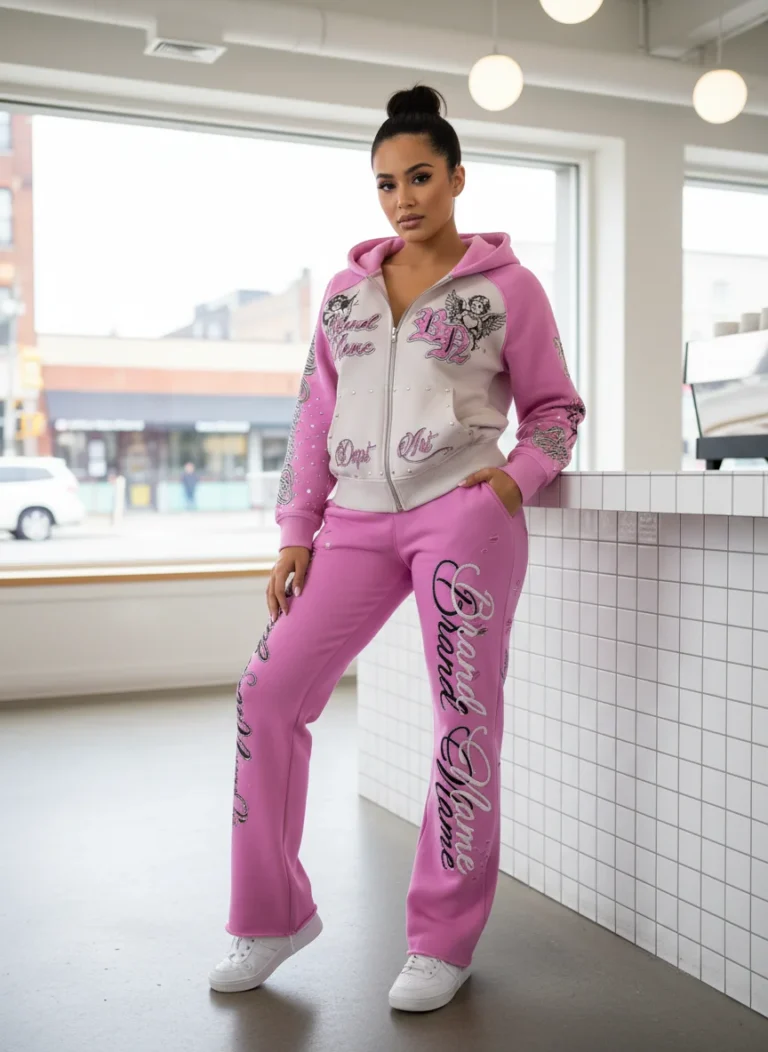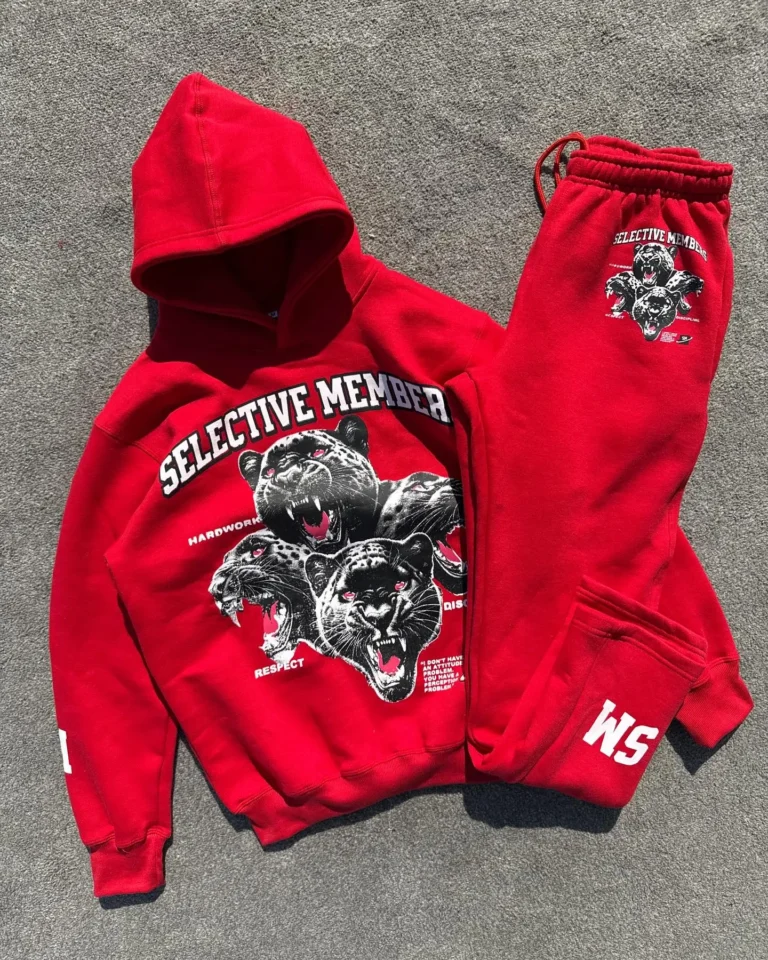
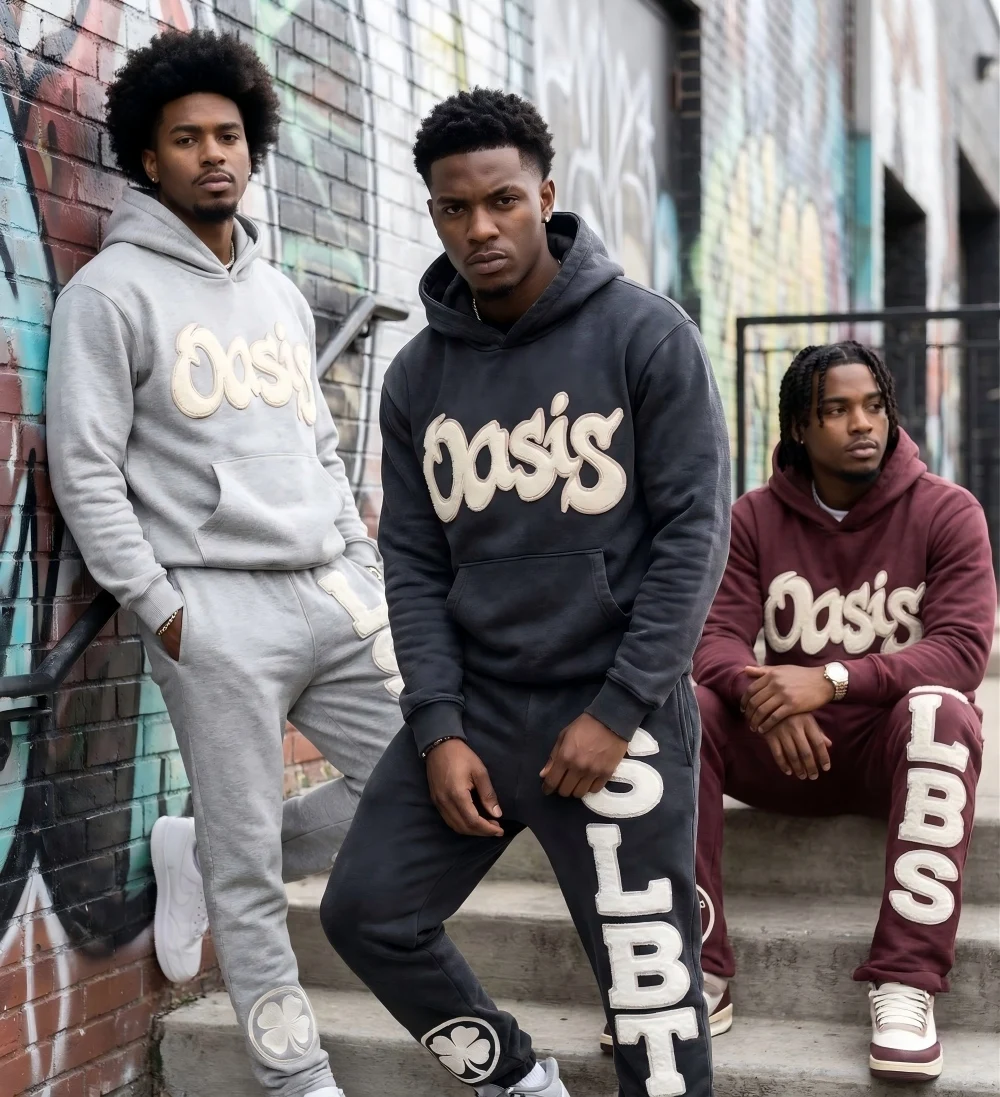
The modern apparel landscape is witnessing a distinct gravitation towards garments that prioritize authenticity, comfort, and sustainability. For brands and retailers, the humble hoodie remains a perennial bestseller, but discerning consumers are increasingly moving away from synthetic blends towards the pure, tactile experience of 100% cotton. Sourcing these garments through a wholesale, made-to-order model represents a strategic opportunity to marry exceptional quality with commercial agility. It’s a process that transcends mere transaction, evolving into a partnership of craftsmanship and vision.
Deconstructing the 100% Cotton Proposition
Choosing 100% cotton for a men’s hoodie is a deliberate decision with significant implications for the end-user experience. Unlike blends, pure cotton offers superior breathability, making it an ideal year-round layering piece that regulates temperature effectively . Furthermore, it provides a superior canvas for decoration; the natural fibers readily accept inks in both screen-printing and direct-to-garment (DTG) processes, ensuring that intricate designs and bold logos remain vibrant and durable . It’s an investment in a quality feel that customers can immediately discern.
Navigating the Fabric Weight Spectrum (GSM)
The fabric weight, measured in grams per square meter (GSM), is the primary determinant of a hoodie’s character and utility. For a robust, structured garment that exudes durability, a heavyweight fabric of 380 GSM or higher is the gold standard, offering superior warmth retention and a substantial “hand-feel” . Conversely, a 280 GSM fabric provides a lighter, more breathable option suitable for transitional seasons . Understanding this metric is crucial for aligning the product with the end-user’s lifestyle and climate.
The Cut-and-Sew Advantage in Wholesale
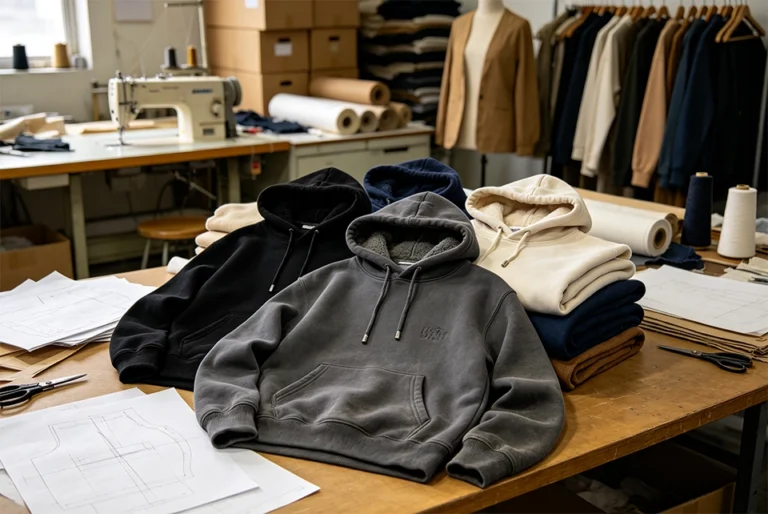
Opting for a cut-and-sew manufacturer moves beyond the limitations of pre-made “blanks.” This process allows for total control over the garment’s architecture—from the drop of the shoulder to the contour of the hood . It is the essence of OEM (Original Equipment Manufacturing) and ODM (Original Design Manufacturing), allowing a brand to realize a unique, proprietary silhouette that cannot be replicated. This level of customization is what distinguishes a premium private-label offering from generic market fare.
Key Considerations for Sampling and Tech Packs
The journey from concept to bulk production is forged in the sampling phase. A comprehensive tech pack is the blueprint; it should detail flat sketches, precise measurement specifications, Pantone color codes, trim details (zippers, drawcords), and seam types . This document minimizes ambiguity and ensures the manufacturer’s prototype, or “proto,” aligns perfectly with the vision. A standard sample timeline is generally 7–10 days from tech pack sign-off, with one or two revision rounds to refine fit and details .
Customization and Branding Opportunities
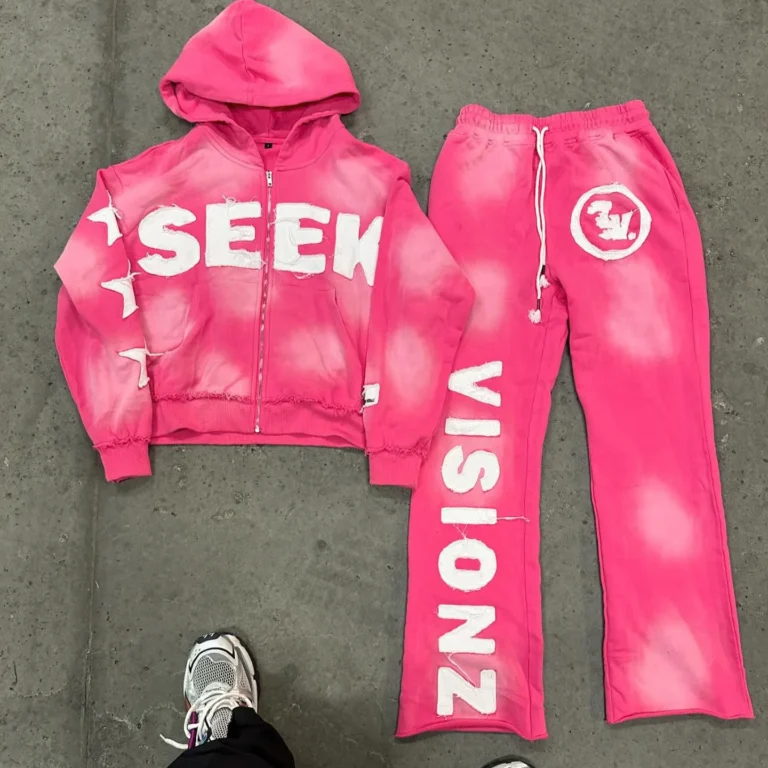
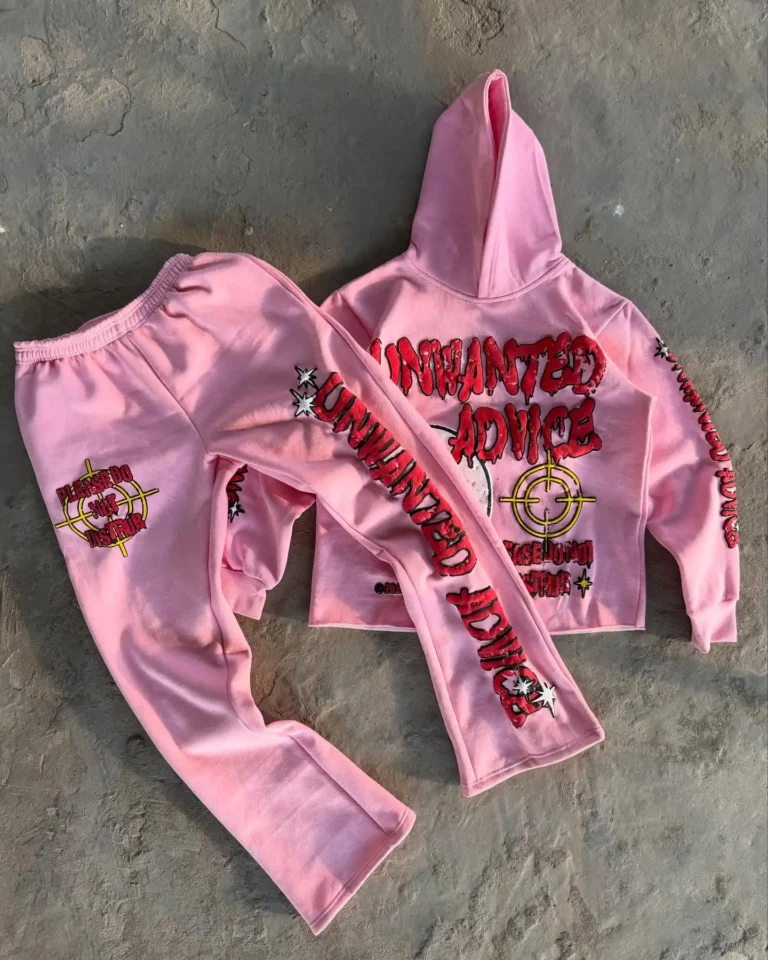
The true allure of wholesale manufacturing lies in the depth of customization available. Beyond the fabric and fit, brands can select from a panoply of trims, including branded zippers, custom-dyed drawcords with metal or rubber aglets, and woven neck labels . Decoration methods are equally varied, encompassing screen printing (water-based, plastisol, puff), embroidery (3D puff, applique), and heat transfers, allowing for rich textures and visual complexity that elevate the product .
Minimum Order Quantities (MOQs) and Financial Viability
One of the most critical aspects of made-to-order manufacturing is navigating the financial thresholds. Wholesale suppliers typically have minimum order quantities (MOQs) that vary wildly. Some manufacturers offer low MOQs, often starting around 50 pieces for custom production, making them accessible for smaller brands or capsule collections . Others require a larger commitment, such as 100 pieces per colorway or up to 500 pieces . Aligning with a supplier whose MOQ matches the brand’s scale is essential for managing cash flow and reducing inventory risk.
Understanding Production Lead Times
Patience and planning are prerequisites for this model. The typical production timeline after the sample is approved and a deposit is made ranges from 25 to 35 days for bulk orders . This period encompasses fabric sourcing, cutting, sewing, and quality control. It is vital to factor in shipping times—which can be 3-5 days via express for small orders or 25-30 days via sea for bulk containers —to ensure a seamless supply chain.
The Importance of Compliance and Sustainability
Today’s conscious consumer demands more than just a great-looking hoodie; they demand ethical and sustainable production. Savvy brands should prioritize manufacturers who offer OEKO-TEX Standard 100-certified fabrics, ensuring that the materials are free from harmful substances . The use of 100% organic cotton is another powerful differentiator, appealing directly to the eco-aware demographic . Sourcing from suppliers with BSCI social compliance audits further demonstrates a commitment to ethical labor practices.
Logistics: The Final Mile
The manufacturing process concludes with meticulous logistics. Reliable suppliers will handle export documentation, including commercial invoices, packing lists, and bills of lading . They will coordinate with freight forwarders and offer flexible packaging solutions, from simple polybags for protection to custom, retail-ready packaging that complements the brand’s identity. This end-to-end service is what transforms a supplier into a true strategic partner.