
Introduction: The DIY Hoodie as a Vessel of Personal Expression
The hoodie is a garment of uncommon versatility. It is at once athletic and casual, utilitarian and expressive. To commission a custom hoodie from a commercial decorator is a straightforward transaction. To customize one within the domestic sphere, however, is an endeavor of greater ambition and corresponding reward. The home atelier—whether a dedicated sewing room or a kitchen table—can yield garments of genuine distinction. This treatise examines the pathways, techniques, and considerations incumbent upon the domestic creator who wishes to customize a hoodie with their own hands.
The Philosophical Underpinnings of DIY Garmentry
Autonomy from Commercial Supply Chains
The decision to customize a hoodie at home is, at its core, an assertion of autonomy. It is a refusal to accept the tyranny of available options. Commercial blanks come in predetermined colors, weights, and fits. A homemade garment answers only to the specifications of its maker. This autonomy extends beyond aesthetics to ethics: the maker knows the provenance of every stitch.
The Heuristic Value of Manual Production
There is an epistemological dimension to making. The hands learn what the mind cannot fully grasp through observation alone. The tension of a seam, the drape of a fabric, the resistance of a needle against fleece—these are forms of knowledge accessible only through practice. The customized hoodie is thus not merely a product but a pedagogy.
Sustainability through Localized Creation
The environmental calculus of homemade apparel is favorable. There is no transoceanic shipping, no warehousing, no retail overhead. Fabric can be sourced from deadstock or recycled garments. The garment is made to last and to be repaired. In an era of disposable fashion, the home atelier is a quiet insurrection.
Pathway One: The Blank Canvas Method
Sourcing the Appropriate Substrate: Blank Hoodie Selection
The most accessible entry point is the decoration of a pre-existing blank hoodie. The selection of this substrate is consequential. A heavyweight fleece (400 GSM and above) provides a substantial canvas and resists distortion. A 50/50 cotton-polyester blend offers dimensional stability; 100% cotton provides breathability and a superior hand-feel. The blank should be pre-washed to accommodate shrinkage before decoration.
Heat Transfer Vinyl: The Accessible Entry Point
Heat transfer vinyl (HTV) is the most democratic of decoration methods. It requires only a cutting machine, a heat press or iron, and a design. The vinyl is cut to shape, weeded (excess material removed), and pressed onto the garment at a specified temperature and duration. HTV adheres well to cotton and cotton blends and is available in a panoply of colors, finishes, and specialty effects.
Fabric Markers and Paints: The Hand-Rendered Approach
For those disinclined toward machinery, fabric markers and paints offer a direct, gestural method. The design is applied by hand, allowing for spontaneity and idiosyncrasy. The limitations are equally apparent: fine detail is difficult, and color blending requires practice. The resulting aesthetic is deliberately artisanal, bearing the unmistakable trace of the maker’s hand.
Pathway Two: The Cut-and-Sew Endeavor
Pattern Selection and Drafting Fundamentals
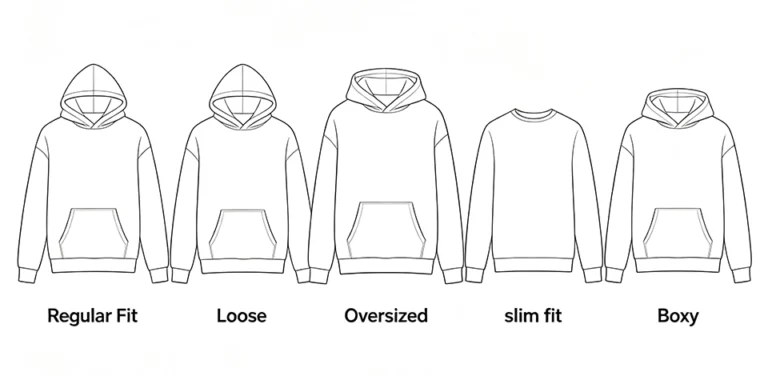
The cut-and-sew hoodie begins with a pattern. Commercial patterns are available from vendors such as Simplicity, McCall’s, and independent pattern houses. Alternatively, the maker may draft a pattern from an existing garment—a process known as “rubbing off.” The pattern comprises discrete pieces: front, back, sleeves, hood, pocket, cuffs, and waistband. Each must be cut with precision, accounting for seam allowances and grainline.
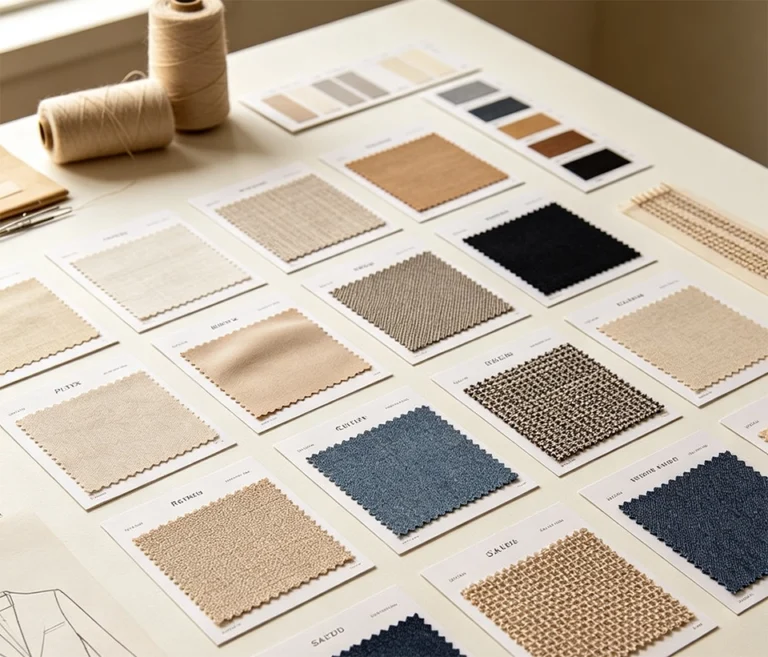
Fabric Procurement: Fleece, French Terry, and Interlock
The fabric is the soul of the hoodie. Fleece, with its brushed interior, is the standard. French terry offers a lighter, looped back and a more refined drape. Interlock knit is smooth on both sides and suitable for lighter-weight garments. Fabric should be pre-washed and dried to eliminate shrinkage before cutting. The yield required depends on the pattern’s dimensions and the fabric’s width.
The Requisite Toolset: Machines, Notions, and Sundries
A cut-and-sew hoodie demands a substantial toolkit. A sewing machine with a stretch stitch or serger is essential for knit fabrics. A walking foot aids in feeding bulky fleece evenly. Notions include ballpoint needles, polyester thread, fusible interfacing, drawcord, grommets, and ribbing for cuffs and waistband. A rotary cutter and self-healing mat facilitate accurate pattern cutting.
The Decoration Arsenal: Methods for Domestic Application
Hand Embroidery: The Slow Craft
Hand embroidery is the most ancient and intimate form of embellishment. A needle, thread, and hoop are the only requisites. The technique is slow, meditative, and capable of extraordinary detail. For hoodies, embroidery is well-suited to chest marks, sleeve designs, and small motifs. The thread should be colorfast and compatible with the garment’s care instructions.
Appliqué and Patchwork Techniques
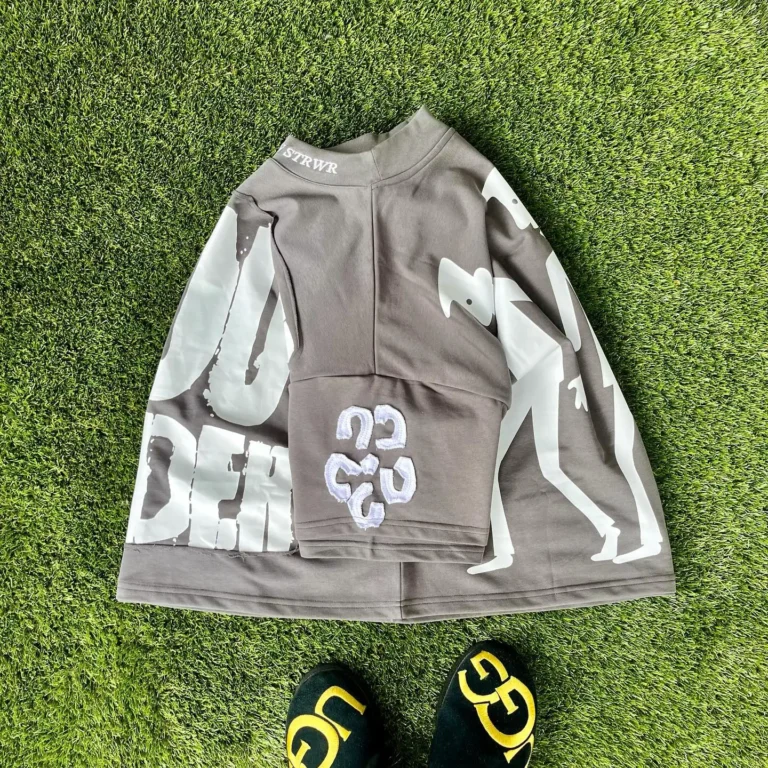
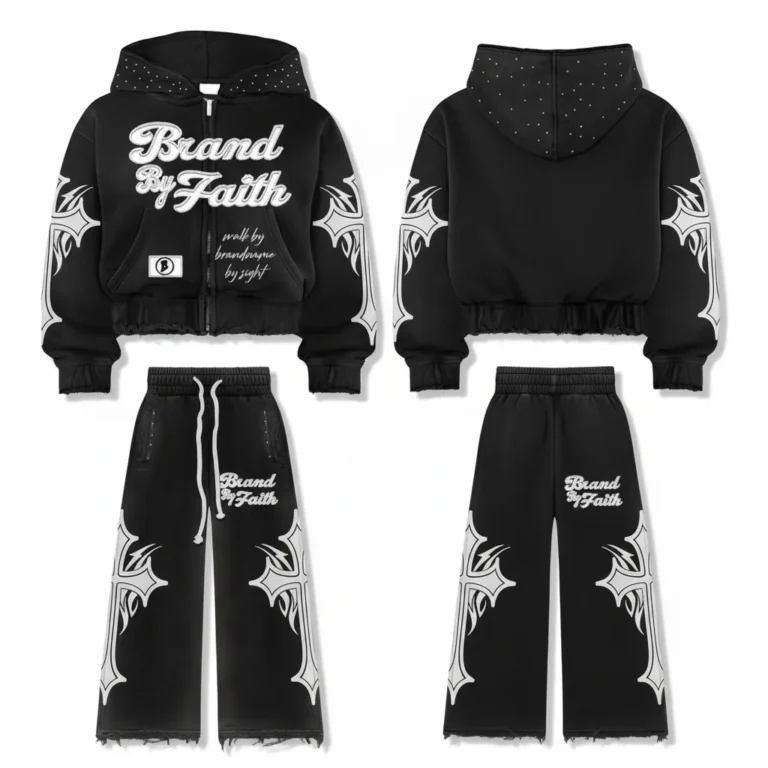
Appliqué involves stitching a cut fabric shape onto the surface of the garment. It is a method of layering and contrast, allowing the maker to introduce colors, patterns, and textures not present in the base fabric. Patches—woven, embroidered, or leather—may be sewn or fused onto the hoodie. The result is a garment of accumulated narrative, each patch a chapter.
Screen Printing at Home: Emulsions, Squeegees, and Curing
Home screen printing is an advanced but achievable method. It requires a screen, photo emulsion, a transparency of the design, a squeegee, and ink. The design is burned onto the screen using light exposure. Ink is then pushed through the mesh onto the garment. Curing—whether by heat press or iron—is essential for wash-fastness. The process is messy, iterative, and deeply satisfying.
The Embellishment Spectrum: Beyond the Graphic
Distressing and Garment Dyeing
The hoodie may be distressed before or after decoration. Techniques include sanding, slashing, and the application of bleach solutions. Garment dyeing—immersing the finished hoodie in a dye bath—produces a variegated, lived-in appearance. Procion dyes are suitable for cotton; acid dyes are required for nylon. The process is unpredictable, which is part of its charm.
Hardware Modifications: Zippers, Grommets, and Drawcords
Hardware transforms a pullover into a zip-up or adds functional detail. A zipper may be installed down the center front. Grommets at the hood’s base allow drawcords to be threaded. Custom drawcords—in contrasting colors or reflective materials—add a note of deliberate design. Each modification requires specific tools and a willingness to puncture the garment.
Quality Control and Finishing Protocols
Seam Reinforcement and Structural Integrity
The seams of a homemade hoodie are points of vulnerability. Knit fabrics demand stretch stitches or serged edges to prevent popping. Stress points—the crotch of the pocket, the junction of sleeve and body—should be reinforced with bar tacks or additional stitching. The garment should be tried on before finishing to confirm fit.
Curing, Washing, and Setting the Decoration
The final steps are often the most neglected. Heat transfer vinyl must be pressed for the full specified duration. Screen-printed ink must be cured to the proper temperature. Embroidery should be pressed from the reverse. The finished hoodie should be washed—gently, in cold water—to remove any residual chemicals and to confirm the durability of the decoration.
The Economic Calculus of Home Production
Cost of Materials Versus Retail Acquisition
The raw materials for a homemade hoodie—fabric, thread, notions, decoration supplies—may approach or exceed the cost of a mass-produced equivalent. This is particularly true for a single garment. The economic advantage of home production emerges at scale or when the desired garment is unavailable commercially at any price.
The Value of Time and Labor
The hours invested in a homemade hoodie are substantial. A cut-and-sew garment may require ten to twenty hours; a decorated blank, two to four. The maker must decide whether this expenditure of time is a cost or a benefit. For many, the process itself is the reward—a reprieve from the passive consumption of ready-made goods.
Conclusion: The Hoodie as Personal Artifact
The DIY custom hoodie is a garment of singular provenance. It bears the mark of its maker’s hand, the trace of their decisions, the record of their labor. It is not merely clothing but an artifact of intentionality. In a world of ubiquitous mass production, the domestic atelier offers a counter-narrative: that garments can be made, not merely bought; that style can be crafted, not merely selected. The hoodie, humble and ubiquitous, becomes the vehicle for this quiet revolution.