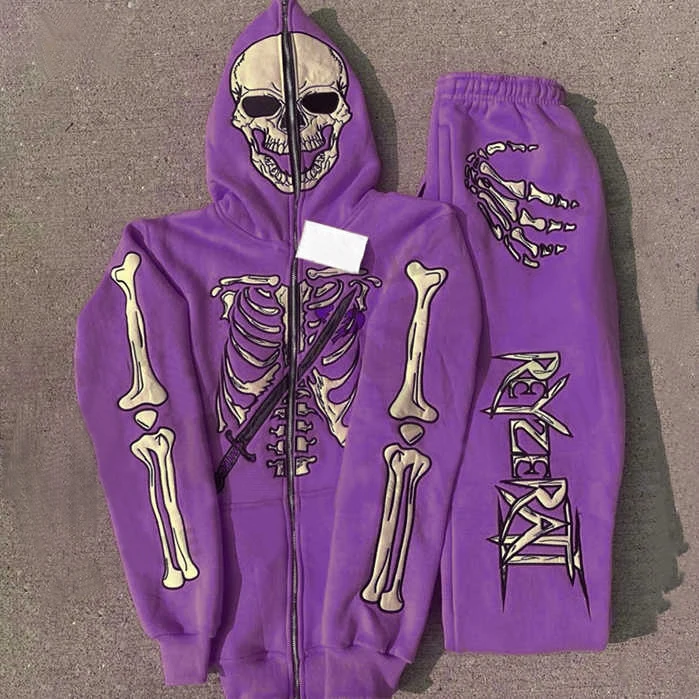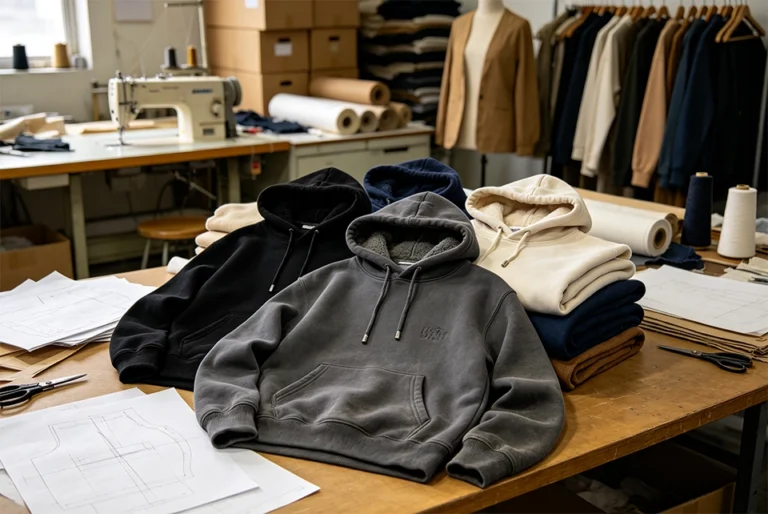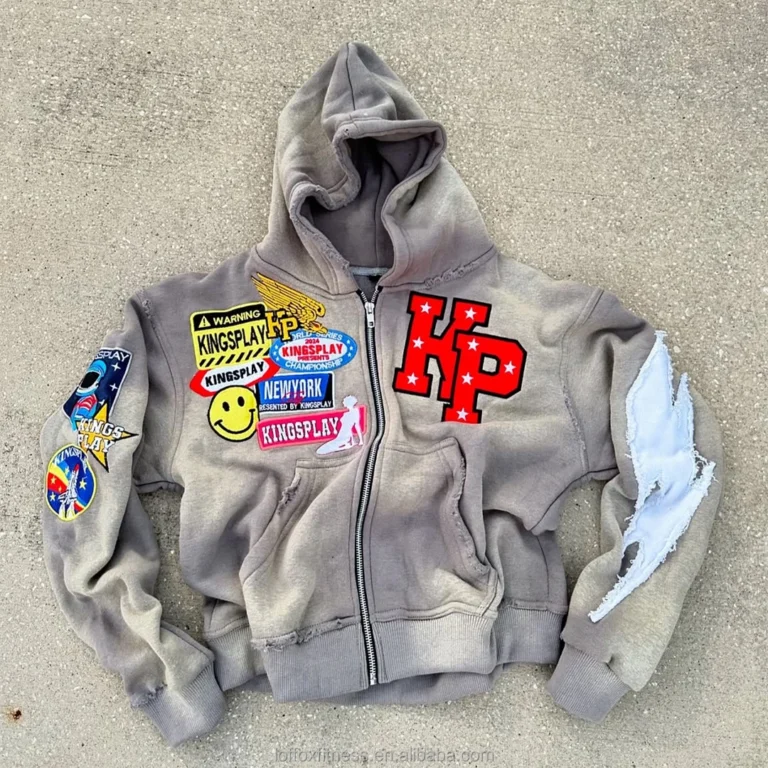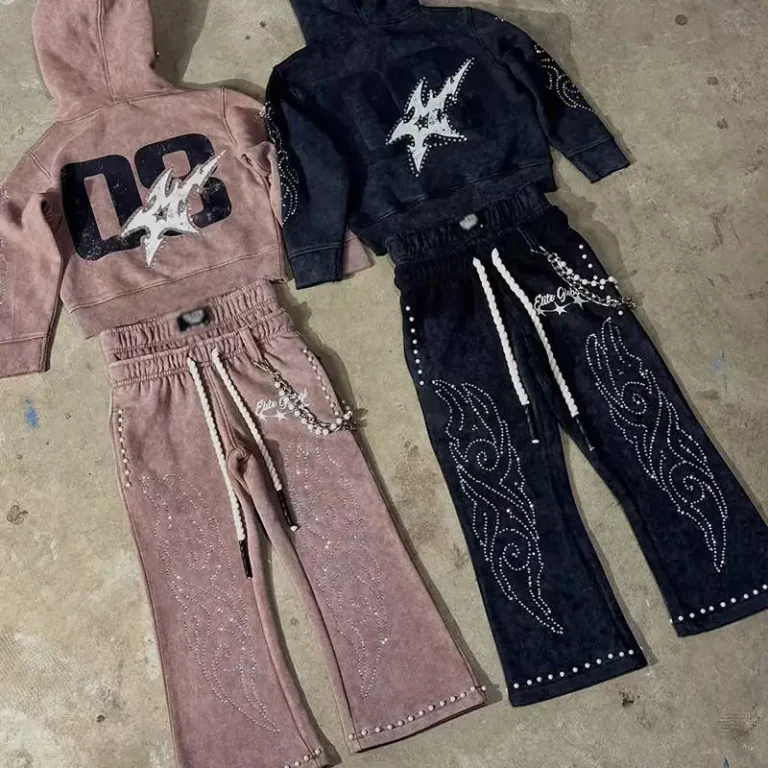
Wondering where can i get a custom hoodie made? Explore reliable custom‑hoodie services, print‑on‑demand & low‑batch manufacturers for personalized logo, embroidery and unique designs.
The question of where to source a custom hoodie is not a simple one, as the optimal answer depends entirely on the project’s scale, purpose, and desired level of involvement. The landscape has evolved significantly, offering pathways that range from zero-inventory print-on-demand platforms to partnerships with specialized manufacturers. This guide delineates the primary avenues, enabling a strategic decision that aligns with specific needs.
The Print-on-Demand Model: Agility Without Inventory
For individuals, content creators, and brands seeking to test a design with minimal financial risk, the print-on-demand (POD) model presents the most accessible entry point. This approach allows for the creation and sale of custom hoodies without holding any inventory, as the printing and fulfillment are handled by a third party upon receipt of an order .
This model offers significant advantages. It permits rapid response to market trends and allows for testing new designs without a substantial capital outlay. The design process is typically facilitated by an online studio where artwork is uploaded and product mockups are generated in real time . For digital decoration, this is an effective strategy.
Low-Batch Manufacturers: The Startup and Brand Pathway
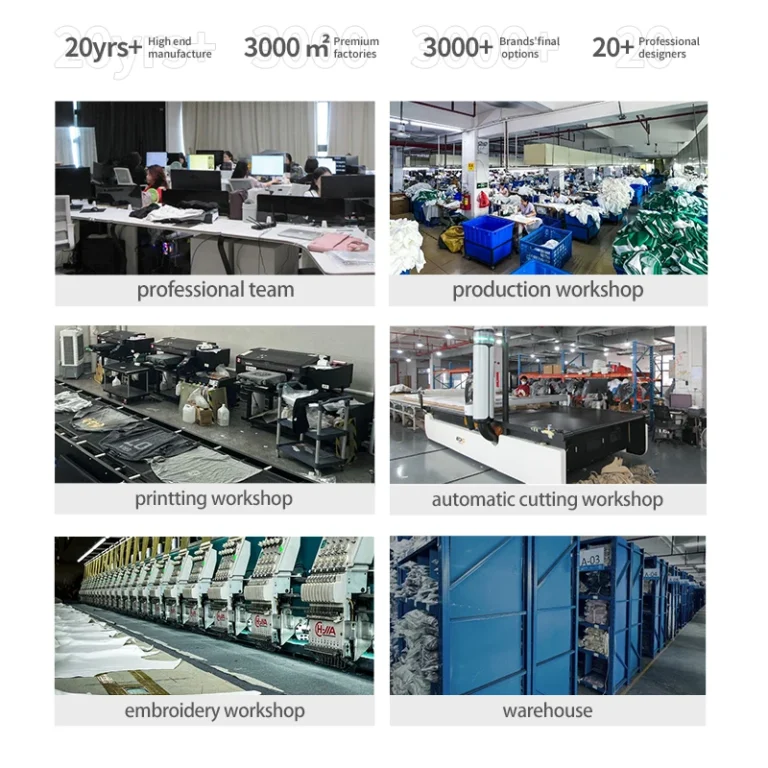
For entrepreneurs and brands seeking to establish a proprietary identity, engaging a manufacturer for a low-batch production run is the superior path. This offers control over the garment’s foundation—the fabric weight, composition, and silhouette—which is not possible when using a pre-selected POD blank. The market has responded to the needs of emerging labels by offering flexible Minimum Order Quantities (MOQs).
A significant number of specialized manufacturers now set their MOQ at 100 pieces per color, providing a practical threshold for market testing . This has lowered the barrier to entry significantly. For specific categories or more flexible arrangements, some manufacturers now offer MOQs as low as 50 pieces per style, further accommodating small-batch development .
A fundamental aspect of this model is the sampling phase, where a physical prototype is created to evaluate the fabric, fit, and decoration. Standard sampling timeframes for custom hoodies can be as brief as 3 to 5 working days, depending on the manufacturer and the complexity of the project . This is an indispensable step for quality assurance.
Decoration Methods: A Technical Consideration
The choice of decoration method is a critical technical decision that influences the hoodie’s final aesthetic and durability. For low-batch production, the most relevant methods are embroidery, screen printing, and Direct-to-Garment (DTG) printing.
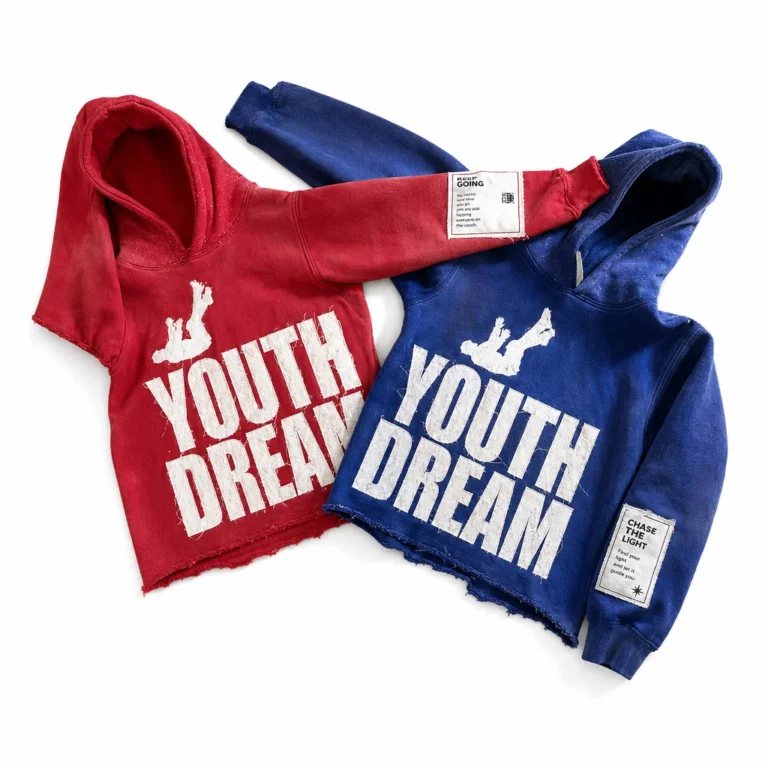
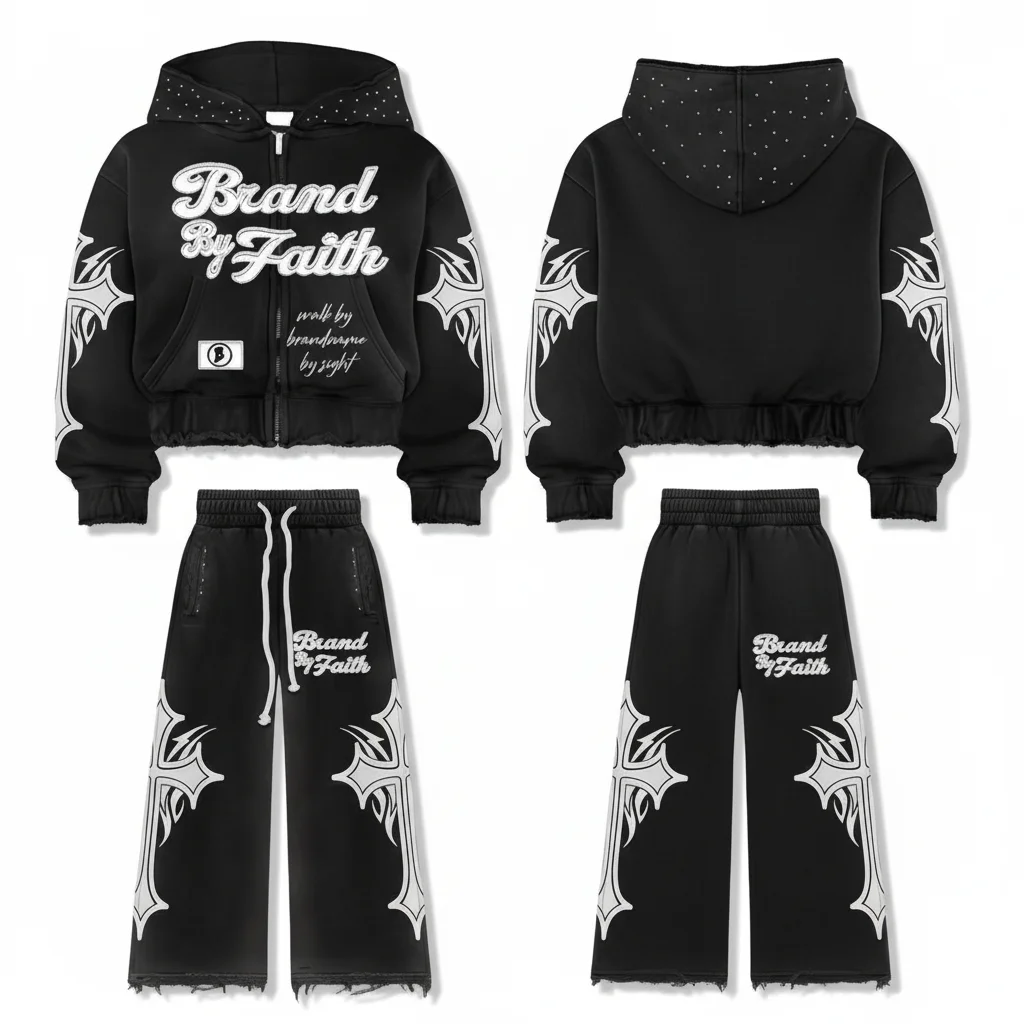
Embroidery is widely regarded as a premium option, particularly for logos and text. It offers a tactile, three-dimensional finish that is exceptionally durable and resistant to fading or peeling, outlasting the garment itself . It is the preferred method for corporate apparel and premium product positioning . Embroidery can be further categorized: flat embroidery is the industry standard for intricate details, while 3D embroidery uses a foam insert to create a raised effect suitable for bold block letters .
Screen printing is the most prevalent method for hoodie decoration, particularly for bold, solid-color designs. It is highly durable and allows for the use of special inks. However, it is best suited for larger runs, as each color in a design requires a separate screen, making multi-color designs more expensive for small batches . DTG printing, conversely, functions like an inkjet printer and excels at producing photorealistic, full-color designs with unlimited colors, making it ideal for one-off pieces and small orders .
Essential Considerations for Selecting a Partner
When evaluating a potential supplier, several key factors must be assessed.
Fabric Flexibility: A competent manufacturer will offer a spectrum of fabric options, including cotton fleece, cotton-polyester blends, French terry, and heavyweight premium fleece, with GSM ranging from 200 to 550 . The ability to select the appropriate fabric for the intended season and use case is a hallmark of a professional operation.
Private Label Services: For a brand seeking to build a distinct identity, the manufacturer must support full private label customization, including custom neck labels, woven tags, size labels, hang tags, and branded packaging .
Quality Control and Compliance: The supplier should demonstrate a commitment to quality control, with protocols that include in-line inspections and final checks to ensure consistency . Certifications such as ISO, BSCI, and WRAP indicate adherence to established standards for quality and social compliance . Manufacturers serving international markets often employ third-party inspections to further validate product quality .
Production Lead Times: For low-batch production, standard lead times for bulk orders typically range from 20 to 30 working days following sample approval . Clarifying these timelines is essential for integrating the collection into a brand’s retail calendar.
Conclusion
The pathway to a custom hoodie is defined by the intersection of the project’s scale and the desired level of control. Print-on-demand platforms provide the agility to test designs with minimal risk. Low-batch manufacturers offer the foundational control necessary to build a proprietary brand. By evaluating the potential partner against criteria such as MOQ, fabric flexibility, decoration capabilities, and quality control protocols, a creator or brand can secure the right partnership to bring their distinct vision to life.