
In the golden age of streetwear, hype alone is no longer enough. Today’s consumers are educated, discerning, and demanding. They want more than just a bold graphic or a celebrity co-sign—they want performance, durability, and intentionality woven into the very fibers of their garments.
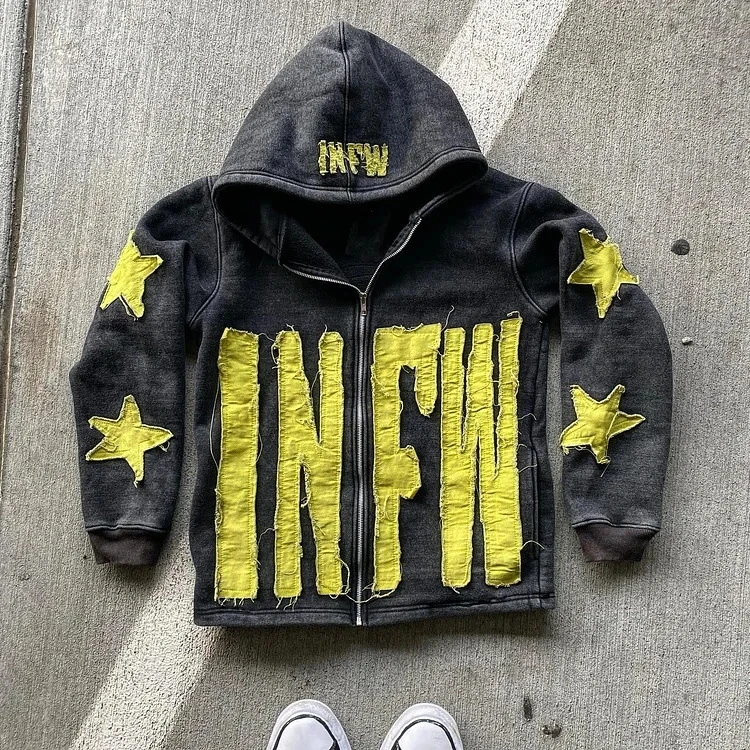
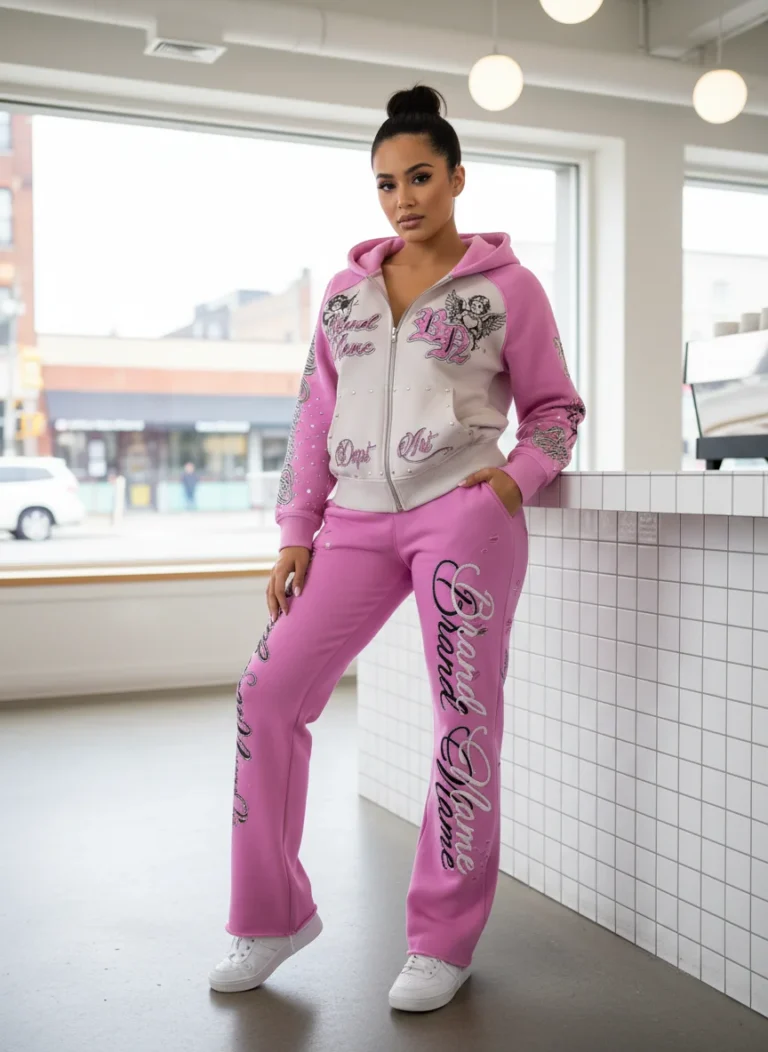
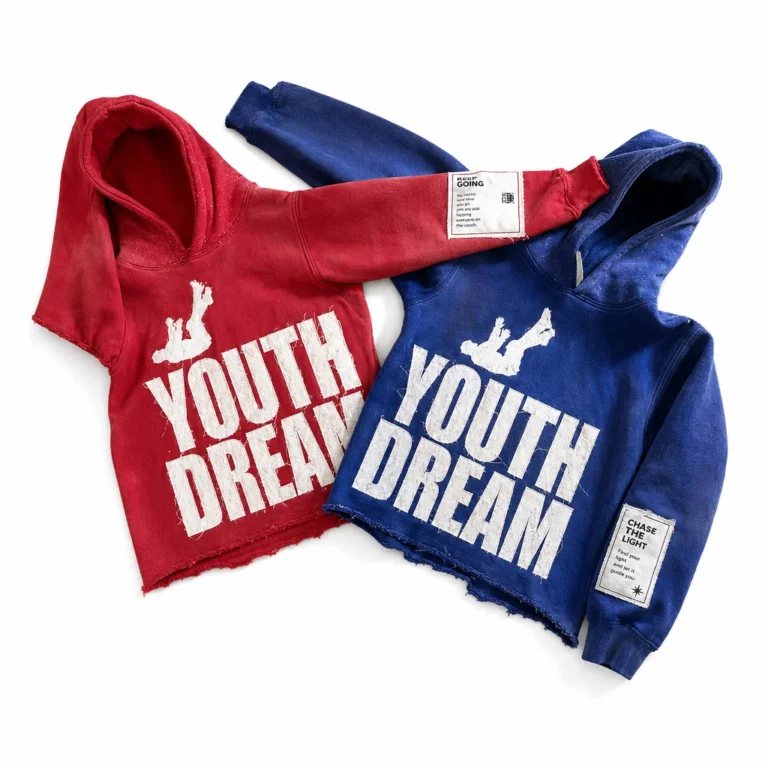
Streetwear custom hoodies stand out not only through graphics and branding, but carefully curated structural and decorative features that define your brand’s identity. Every detail—from hood construction, pocket variations, drawcord hardware, hem cuts and sleeve finishes to washing treatments, contrast panels and hidden detailing—directly shapes the silhouette, texture and overall street aesthetic. Whether you are launching oversized vintage hoodies, heavyweight boxy silhouettes, distressed styles or modern minimalist streetwear lines, choosing the right hoodie features helps differentiate your collection from mass-market basics. In this ultimate guide to custom hoodie features for streetwear clothing collections, we unpack trending functional and design-focused details, covering material choices, customizable hardware, construction techniques and styling tips to help you refine your tech packs, prepare sampling and build cohesive, market-ready streetwear hoodie ranges.
While silhouette and hardware define the look of a hoodie, the fabric features define its legacy. A hoodie that pills after three washes, shrinks to an unwearable size, or traps sweat like a plastic bag will destroy your brand’s reputation faster than any design flaw ever could.
If you are building a streetwear collection that stands the test of time—and the elements—here is your ultimate guide to the eight essential custom hoodie features that separate premium quality from fast-fashion filler.
1. Anti-Wrinkle (The Effortless Aesthetic)
Streetwear culture idolizes the “effortless” look, but actual wrinkles are never part of the aesthetic. The Anti-Wrinkle feature—often achieved through resin finishes, mechanical stretching, or blended fiber compositions (like cotton-polyester hybrids)—ensures that your hoodie looks fresh straight out of the bag, the drawer, or even a packed suitcase.
- How It Works: The fabric undergoes a “wash-and-wear” finishing process, or it utilizes polyester filaments that have a natural memory, allowing the fibers to bounce back to their original shape after compression.
- Why It Matters for Streetwear: For the consumer who travels, commutes, or lives out of a gym bag, an anti-wrinkle hoodie is a lifesaver. It communicates that your brand understands modern, mobile lifestyles.
- Designer’s Tip: Be cautious with chemical resin finishes, which can weaken cotton fibers over time. Opt for a mechanical finish (like Sanforization or compacting) or a high-quality poly-cotton blend that resists creasing naturally without sacrificing breathability.
2. Quick Dry (The Active Essential)
Gone are the days when hoodies were exclusively for lounging. The modern streetwear enthusiast skates, bikes, and trains in their favorite pieces. The Quick Dry feature utilizes moisture-wicking fibers (such as high-performance polyester, nylon, or treated cotton) that pull sweat away from the skin and release it into the air at an accelerated rate.
- How It Works: The fabric structure is engineered with “capillary action”—micro-channels in the yarn that transport moisture to the surface where it evaporates rapidly.
- Why It Matters for Streetwear: This feature prevents the dreaded “sweat patch” look and keeps the wearer comfortable during high-activity moments. It also reduces drying time post-wash, which is a practical selling point for younger, urban demographics with limited laundry access.
- Designer’s Tip: For a truly premium quick-dry hoodie, consider a mesh-backed or French terry construction where the loops are left unbrushed. This creates airflow channels while maintaining the substantial weight that streetwear customers crave.
3. Waterproof (The Urban Shield)
Rain should never be an excuse to stop the mission. The Waterproof hoodie goes beyond a simple DWR (Durable Water Repellent) coating; it is engineered to prevent water penetration entirely, often through laminated membranes or dense, tight-weave constructions combined with hydrophobic treatments.
- How It Works: A waterproof hoodie typically uses a technical face fabric with a breathable membrane (like a simplified version of Gore-Tex) or a heavy waxed-cotton finish. Water beads up and rolls off rather than soaking in.
- Why It Matters for Streetwear: It transforms the hoodie from a casual layer into a legitimate outerwear piece. It allows for a minimalist, single-layer approach to weather protection—perfect for the “techwear” and “gorpcore” aesthetics that dominate the scene.
- Designer’s Tip: Ensure that the zippers (if any) are also water-resistant (like YKK AquaGuard) and that the seams are taped. A waterproof body with non-waterproof zippers is a leak waiting to happen. Balance the waterproofing with sufficient breathability (see Feature #5) to avoid creating a sauna effect.
4. Anti-Pilling (The Longevity Standard)
Few things cheapen a hoodie faster than a surface covered in tiny, fuzzy balls of tangled fiber. Anti-Pilling fabric is engineered to resist this phenomenon, ensuring that the garment maintains a smooth, clean surface wash after wash.
- How It Works: Pilling occurs when short fibers work their way loose and tangle. Anti-pilling fabrics use longer-staple cottons (like Supima or Egyptian) and tightly twisted yarns that hold their structure. Polyester blends can also be engineered with anti-pill fiber finishes.
- Why It Matters for Streetwear: Your logo, graphic, or embroidery is only as good as the canvas it sits on. A pilled hoodie looks old, tired, and low-quality—undermining the premium price point you are trying to establish.
- Designer’s Tip: Do not rely solely on chemical anti-pilling sprays (which wash out). Specify long-staple combed cotton or ring-spun yarns to your manufacturer. Also, consider the fabric construction—single-knit jersey pills more than dense, compacted fleece.
5. Breathable (The Comfort Core)
A hoodie that traps heat is a hoodie that gets discarded. Breathability refers to the fabric’s ability to allow air circulation and moisture vapor to escape from the inside out. This is the unsung hero of wearability, directly impacting how comfortable the wearer feels across different temperatures.
- How It Works: Breathability is determined by the weave structure (looser weaves breathe more), fiber type (natural fibers like cotton breathe better than synthetics), and fabric weight (lighter weights breathe easier).
- Why It Matters for Streetwear: A breathable hoodie prevents overheating during transitional seasons. It allows for layering without creating a microclimate of sweat. It is the difference between a hoodie you wear all day and one you rip off after an hour indoors.
- Designer’s Tip: The gold standard for streetwear is a loose-knit French terry or a cotton-modal blend. For performance streetwear, consider laser-cut perforations hidden under the arms or along the back panel—they add a technical aesthetic while physically improving airflow.
6. Eco-Friendly (The Ethical Imperative)
Sustainability is no longer a niche selling point; it is a baseline expectation for the modern consumer. An Eco-Friendly hoodie utilizes materials and processes that minimize environmental impact—from the farm to the factory floor.
- How It Works: This encompasses organic cotton (grown without pesticides), recycled polyester (made from plastic bottles), closed-loop water systems, natural dyes, and biodegradable packaging. Certifications like GOTS (Global Organic Textile Standard), OCS, and GRS (Global Recycled Standard) provide third-party verification.
- Why It Matters for Streetwear: The streetwear community is heavily influenced by social consciousness. An eco-friendly hoodie tells your customer that you care about the planet as much as you care about the drip. It builds trust and justifies a higher price tier.
- Designer’s Tip: Go beyond the fabric. Consider using recycled polyester threads, corozo nut buttons (instead of plastic), and paper-based hang tags with soy-based inks. Tell the story of your supply chain transparently—consumers can smell greenwashing from a mile away.
7. Windproof (The Cold-Weather Warrior)
Wind chill is the enemy of warmth. A hoodie might be thick, but if the wind cuts through the knit, it offers little insulation. Windproof features involve dense weaves, bonded layers, or technical membranes that block air penetration, trapping body heat inside.
- How It Works: Windproofing is typically achieved through a tight, compacted weave structure, a bonded interlining, or a laminated barrier that sits between the outer face fabric and the inner fleece.
- Why It Matters for Streetwear: It extends the functional season of your hoodie. A windproof hoodie can replace a light jacket in autumn and serves as a formidable mid-layer in deep winter. For the urban commuter, this is invaluable.
- Designer’s Tip: Pair windproofing with a high-neck collar or integrated mask (as discussed in our previous guides) to prevent cold air from seeping in through the top. Ensure the cuffs are snug (via ribbing or elastic binding) to seal the sleeves—wind often enters through the wrists.
8. Anti-Shrink (The Fit Protector)
Perhaps the most frustrating experience for any hoodie lover is pulling a garment out of the dryer to find it has shrunk two full sizes. Anti-Shrink (or shrink-resistant) hoodies are pre-treated to ensure the garment retains its original dimensions through repeated washing and drying cycles.
- How It Works: The primary method is pre-shrinking during manufacturing—specifically, a process called Sanforization, which mechanically compresses the fabric to stabilize it. High-quality combed cotton with low-twist yarns also resists shrinkage better than cheap, high-twist yarns.
- Why It Matters for Streetwear: Fit is sacred. If a customer buys a Large based on your size chart, they expect it to stay a Large. An anti-shrink hoodie protects your brand’s size integrity and prevents customer returns (which eat into margins).
- Designer’s Tip: Never assume that a fabric is anti-shrink just because it is “heavyweight.” Always request shrinkage test reports from your factory. Specify a maximum shrinkage tolerance of 3% in length and 2% in width. If you are producing 100% cotton hoodies, advise your customers to wash cold and hang dry—but for the ultimate convenience, engineer a poly-cotton blend that is inherently shrink-resistant.
The Final Takeaway: Building the Ultimate Feature Set
No single hoodie can—or should—do everything. The art of collection building lies in selecting the right combination of features for the specific drop you are designing.
- For a Summer Collection: Prioritize Breathable, Quick Dry, and Eco-Friendly.
- For a Winter Capsule: Prioritize Waterproof, Windproof, and Anti-Shrink.
- For a Core Collection: Prioritize Anti-Pilling, Anti-Wrinkle, and Eco-Friendly to ensure longevity and brand trust.
Remember: Streetwear is an emotional purchase, but it is evaluated on technical performance. When you combine bold, expressive design with these scientifically-backed fabric features, you create a product that is not just worn—it is relied upon. That is the foundation of a lasting clothing line.
Choose your features wisely, test them rigorously, and always prioritize the end-user experience. The streets will thank you.