Introduction: The Hoodie as a Vehicle for Philanthropy
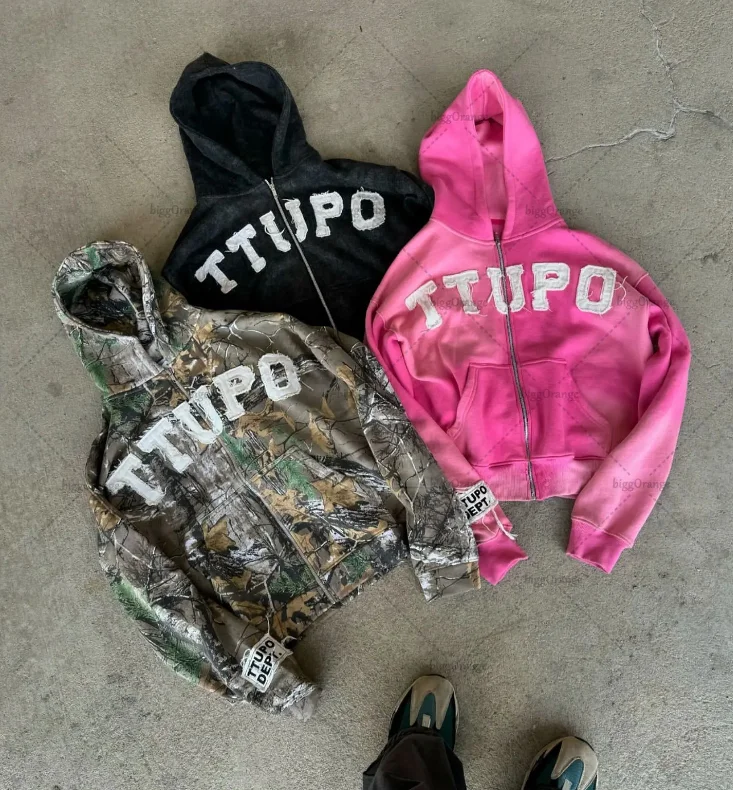
The fundraising landscape has undergone a significant transformation. The traditional solicitations for donations, unaccompanied by a tangible token of appreciation, have increasingly given way to a more reciprocal model: the sale of branded merchandise. Among the panoply of promotional products, the custom hoodie has emerged as a particularly potent instrument for charitable organizations . It is a garment that offers higher perceived value, year-round wearability, and an unparalleled capacity for visibility. When a supporter dons a branded hoodie, they become a walking ambassador, generating impressions and initiating conversations with every wear . For the nonprofit, the hoodie fundraiser is not merely a mechanism for raising capital; it is a strategic investment in awareness and community identity.
The Strategic Advantages of Hoodie-Based Fundraising
The selection of the hoodie as a fundraising vehicle is predicated upon a confluence of favorable attributes. Unlike lower-priced items such as mugs or tote bags, supporters expect to pay a premium for a quality hoodie—typically in the range of thirty-five to fifty-five dollars. This price point creates substantial room for a healthy profit margin while still delivering a product that the donor perceives as valuable . Furthermore, the hoodie is a garment of remarkable versatility, worn across three seasons, ensuring that the organization’s message is carried for months, rather than at a single event. The emotional connection that people form with a comfortable, well-loved hoodie ensures that the cause remains top-of-mind each time the garment is worn .
Step One: Defining the Purpose and Audience
The foundational decision in any hoodie fundraiser is the articulation of its purpose. The design, fabric, and budget must all be calibrated to the specific use case. A hoodie intended as a daily uniform for staff and volunteers will be subjected to far greater wear than one distributed as a one-time giveaway at an annual gala . A hoodie sold at a premium price point to discerning supporters must justify that cost through superior fabric and construction. A volunteer recognition hoodie, conversely, becomes a keepsake—a tangible token of gratitude. The answer to the question of purpose drives every subsequent decision, from the blank selection to the decoration method .
Step Two: Selecting the Base Garment
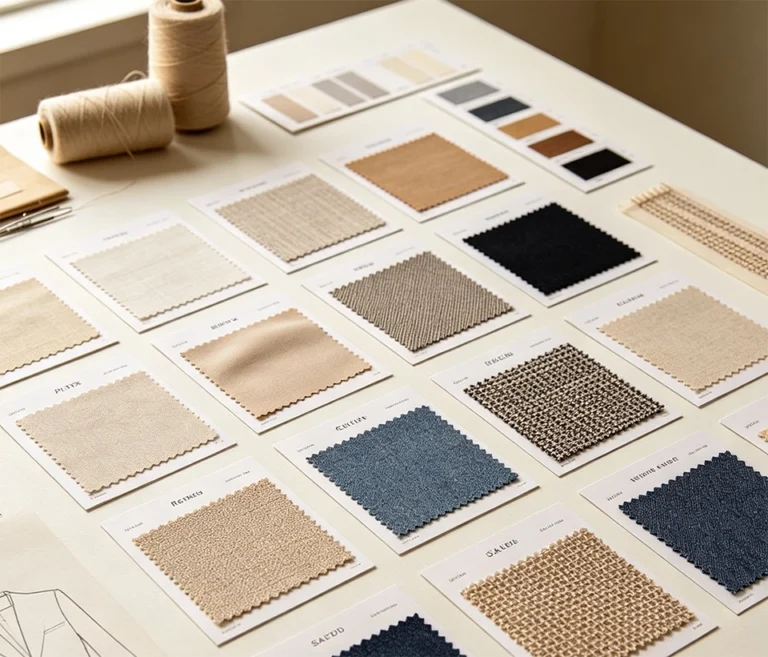
The blank hoodie accounts for forty to sixty percent of the total cost of the order, making its selection the most consequential financial decision in the process . The choice of fabric weight is a balance between comfort, durability, and cost. Midweight fleece, typically in the range of eight to nine ounces per square yard, is the most versatile and cost-effective option for fundraising campaigns . For a more premium product, heavyweight fleece of three hundred and fifty grams per square meter (approximately twelve ounces) offers a substantial, retail-quality feel . The composition of the fabric—whether a cotton-polyester blend or a higher-cotton product—also influences the hand-feel and the efficacy of decoration methods .
Step Three: The Art of Wearable Design
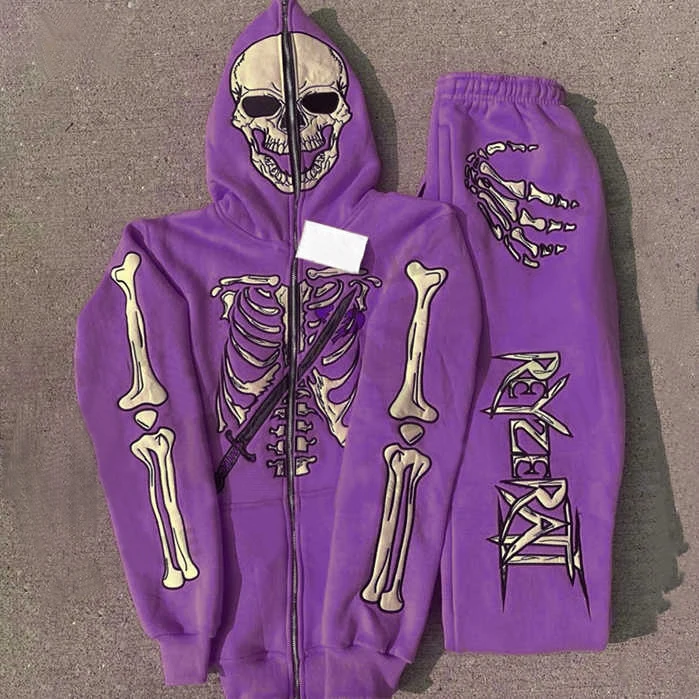
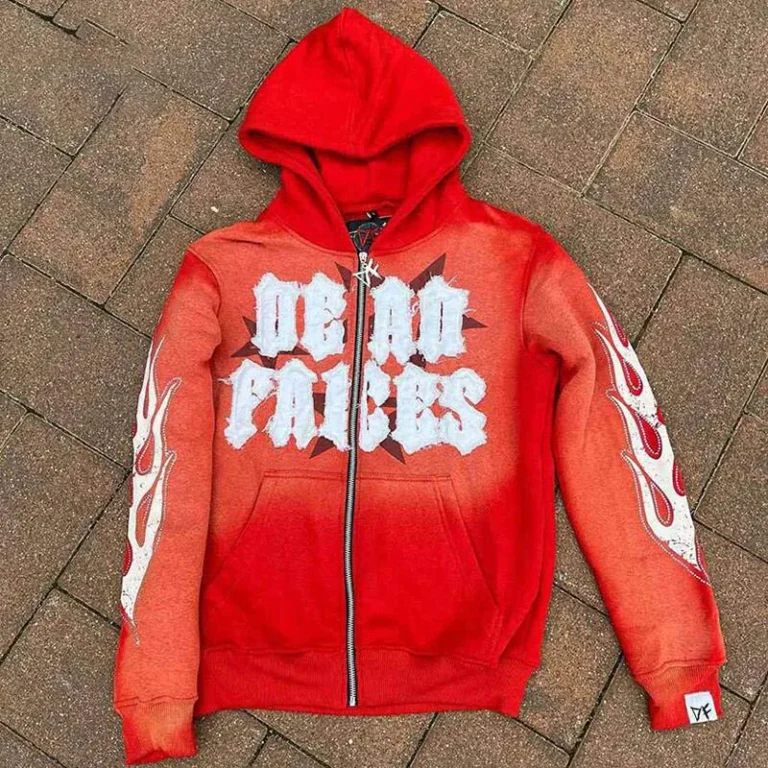
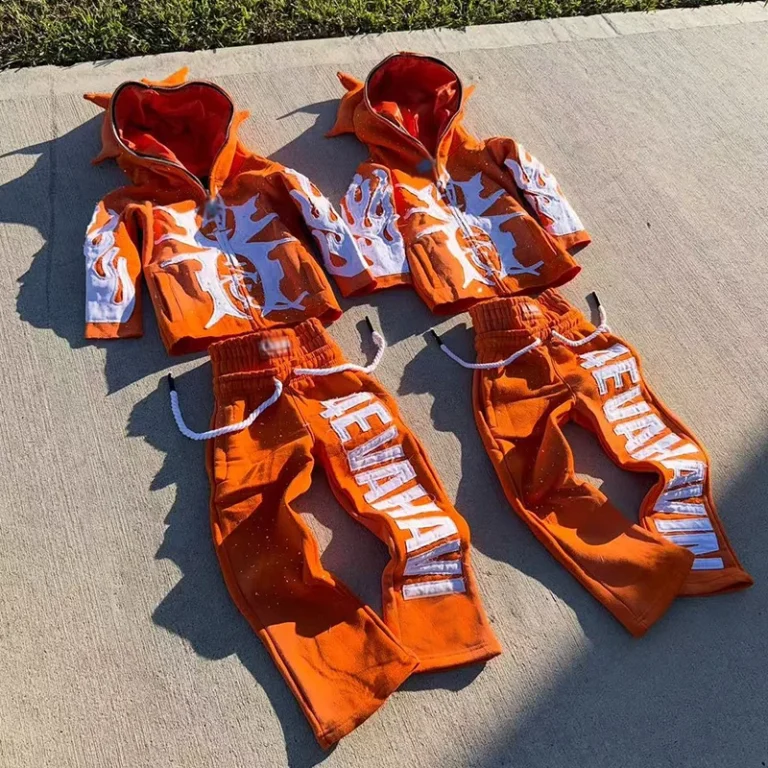
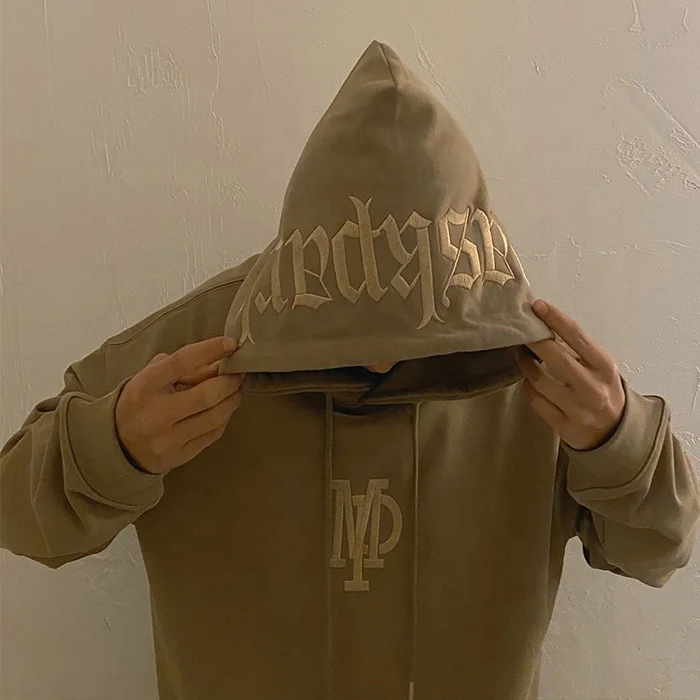
The cardinal sin of fundraising merchandise is a design that resembles a walking advertisement. The goal is to create a garment that supporters will genuinely want to wear in their daily lives, thereby extending the campaign’s reach . The design should lead with the mission rather than the logo. A powerful phrase or a symbolic image often resonates more deeply than the organization’s full name or logo in isolation . Simplicity is paramount. A one or two-color front chest print is inexpensive to produce and projects a clean, professional aesthetic . The addition of a back print with a campaign slogan or the organization’s name can amplify visibility without cluttering the front of the garment .
Step Four: Choosing the Appropriate Decoration Method
The choice of decoration method is a critical strategic decision that impacts cost, durability, and aesthetic. For fundraising campaigns, the method must align with the order quantity and the complexity of the artwork.
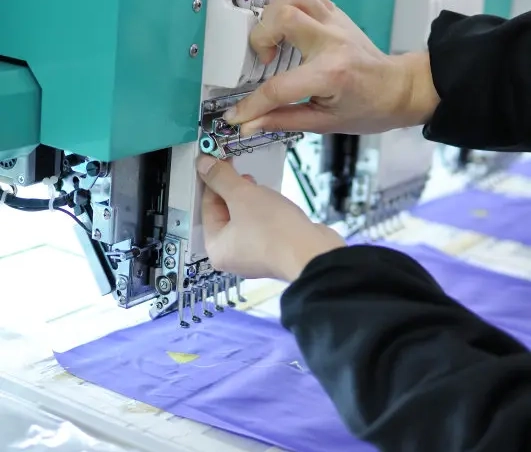
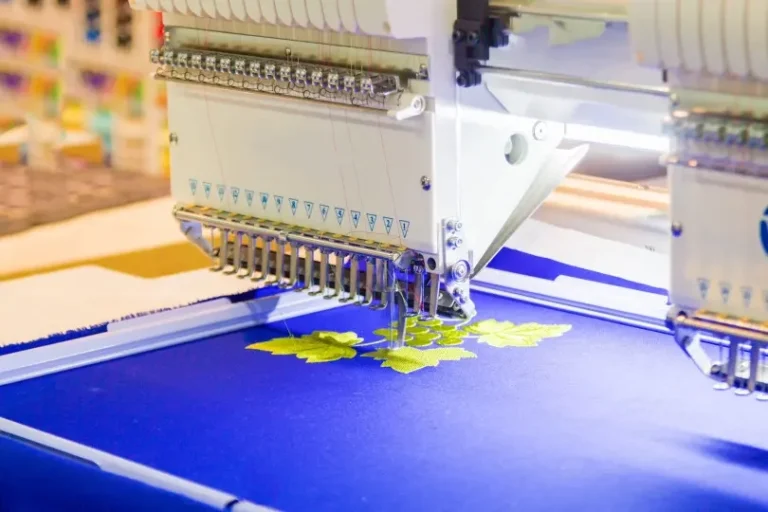
Screen printing is the most cost-effective method for larger orders of twenty or more pieces with simple, bold designs of one to two colors . The per-unit cost decreases significantly as volume increases, making it the ideal choice for bulk fundraising orders . For smaller quantities or designs with complex, full-color artwork, Direct-to-Film (DTF) transfers offer a flexible and budget-friendly alternative to multi-color screen printing . Embroidery is the gold standard for logos and minimalist branding, offering a premium, textured finish that withstands the test of time . The embroidery of a small left-chest logo, combined with a screen-printed slogan on the back, is a popular and effective formula for fundraising apparel .
Step Five: Navigating the Pre-Sale Model
For first-time fundraising campaigns, the pre-sale model is the recommended approach . This eliminates financial risk by collecting orders and payment before placing the production order. The process involves setting a two to three-week ordering window, during which supporters can place their orders online. Once the window closes, the final size and quantity breakdown is submitted to the manufacturer . This model ensures that only the quantities that have been sold are produced, eliminating the burden of unsold inventory and the upfront capital expenditure required for an inventory-based approach .
Step Six: Collecting Accurate Size Data
One of the most common operational failures in bulk apparel orders is the lack of a complete size breakdown. Manufacturers quote and order blanks based on the size distribution provided by the client . The absence of a reliable size breakdown can halt the production process. It is prudent to collect size information from supporters before finalizing the order . It is also advisable to order a small buffer of five to ten percent in the most popular sizes to accommodate last-minute additions or sizing exchanges .
Step Seven: Building a Realistic Budget
A realistic budget is the foundation of a viable campaign. The following table provides a framework for understanding the cost structure and potential profit margins for a custom hoodie fundraiser.
| Cost Component | Budget Tier | Mid Tier | Premium Tier |
|---|---|---|---|
| Hoodie + Print Cost | $16 – $20 | $22 – $28 | $30 – $38 |
| Suggested Retail Price | $30 – $35 | $40 – $45 | $50 – $60 |
| Profit Per Hoodie | $12 – $15 | $15 – $20 | $20 – $25 |
| Profit on 100 Units | $1,200 – $1,500 | $1,500 – $2,000 | $2,000 – $2,500 |
Adapted from fundraising pricing frameworks .
For a more granular view, a sample order of forty-eight hoodies with a two-color front chest print has been estimated at approximately $17.54 per piece, all-inclusive of blanks, printing, setup fees, and shipping . This figure demonstrates the economies of scale that are realized at even modest order volumes.
Step Eight: Establishing a Timeline
The timeline for a hoodie fundraiser must be established by working backwards from the distribution date. Standard turnaround time at most decoration shops is ten to fourteen business days from the receipt of approved artwork and payment . Rush production is often available for an additional fee of twenty-five to fifty percent, but it should not be relied upon as a planning assumption . The campaign itself should include a two to three-week ordering window, followed by a production period, and finally, a fulfillment and distribution phase.
Step Nine: Quality Assurance and Proofing
Before any production commences, the decorator will provide a digital proof—a mockup of the artwork on the garment. This proof is the final opportunity to identify and correct errors in color, placement, or scale . It is imperative that this step is not skipped. Once the screens have been burned or the embroidery files digitized, changes become expensive or impossible. A thorough review of the proof is the last line of defense against a costly mistake.
Step Ten: The Campaign Launch and Promotion
The success of the fundraiser is contingent not only on the product but on the effectiveness of its promotion. Social media campaigns that feature authentic photos of real supporters wearing the hoodies are more compelling than polished product shots . Email marketing, with a sequence of announcement, reminder, and last-chance messages, is a reliable method for driving sales . Peer-to-peer selling, where board members and volunteers are provided with unique referral links, can significantly expand the campaign’s reach . The most successful campaigns integrate the merchandise launch with an existing event, such as a gala or a walkathon, where the audience is already engaged .
Case Study: The Power of a Well-Executed Campaign
A regional animal shelter serves as an illustrative example of the potential of a well-designed hoodie fundraiser. The organization created a custom hoodie featuring a paw print heart design with the tagline “Rescue is My Favorite Breed.” A three-week pre-sale campaign was promoted through social media and email channels, resulting in the sale of two hundred and eighty hoodies at forty-two dollars each. With a per-unit cost of twelve dollars, inclusive of shipping, the campaign generated a net profit of eight thousand four hundred dollars for the shelter, while simultaneously creating two hundred and eighty walking advertisements for animal adoption . This case study demonstrates the dual benefit of fundraising merchandise: the generation of revenue and the amplification of the organization’s message.
Conclusion: The Durable Impact of a Thoughtful Campaign
The design and execution of a bulk custom hoodie fundraiser is a multifaceted endeavor that requires attention to strategy, design, logistics, and promotion. By adhering to the principles of pre-sale modeling, thoughtful design, and meticulous planning, organizations can create a fundraising campaign that not only raises essential funds but also fosters a sense of community and extends the reach of their mission. The hoodie, in this context, is far more than a garment; it is a durable artifact of shared purpose, a tangible manifestation of support, and a powerful instrument for change.