The search for a reliable custom hoodie manufacturer is an exercise in due diligence. The difference between a successful production run and a costly misadventure often lies not in the price quoted, but in the operational discipline of the factory behind it. The following framework delineates the essential criteria for identifying and vetting a manufacturing partner.
The Geography of Production: Regional Specializations
China remains the dominant source for custom hoodie manufacturing, but the country’s production capabilities are not monolithic. Distinct regional clusters have evolved specialized competencies that buyers should align with their specific product needs.
Fujian Province (Fuzhou, Xiamen, Quanzhou) has established itself as a hub for cotton-based fabrics and garment dyeing, with vertically integrated supply chains that support rapid turnaround for solid-color and vintage-washed hoodies. Factories in this region excel in digital sublimation and French terry processing, making them suitable for fashion-forward streetwear lines.
Guangdong Province (Dongguan, Guangzhou, Zhongshan) is known for mature supply chains and extensive experience in knitted garments. This region is ideal for complex designs requiring precise stitching, embroidery, or specialty washes. The proximity to Shenzhen and Hong Kong ports enables efficient global shipping, making it a preferred choice for time-sensitive orders.
Zhejiang Province (Yiwu, Ningbo) specializes in technical textiles and advanced dyeing processes. If exact color matching is a priority—such as reproducing a specific Pantone shade—Zhejiang-based suppliers typically use spectrophotometers and lab-dip testing to ensure consistency across batches.
Operational Reliability Metrics: The Objective Indicators
Price alone is an insufficient basis for supplier selection. Several measurable performance indicators provide objective insight into a manufacturer’s operational maturity and reliability.
On-time delivery rate should exceed 95%, with top-performing suppliers maintaining rates of 97% to 99%. A consistent 100% rate signals strong internal coordination and production planning.
Response time is a critical indicator of engagement and operational efficiency. Suppliers responding within two to four hours are typically more proactive and client-focused. Top-tier manufacturers often respond within one hour or less.
Reorder rate reflects customer satisfaction. A rate above 25% suggests that buyers are returning for additional production runs, indicating consistent quality and reliable service.
Online revenue serves as a proxy for operational stability. Vendors earning over $100,000 annually typically maintain stable operations and quality consistency.
Quality Assurance and Certifications: Verifying the Claims
Formal certifications provide independent verification of a manufacturer’s commitment to quality, safety, and ethical practices. Buyers should prioritize suppliers holding credentials such as ISO 9001 (quality management), BSCI (ethical labor), WRAP (social compliance), and OEKO-TEX Standard 100 (chemical safety).
Certification alone, however, is not sufficient. Buyers should request pre-production samples to evaluate fabric hand-feel, seam strength, zipper quality, and color accuracy under different lighting conditions. A lab dip sample for custom-dyed fabrics confirms colorfastness and batch uniformity before bulk production commences.
For brands selling into regulated markets, compliance with REACH (EU) and CPSIA (USA) is non-negotiable. Transparent packaging, accurate size charts, and documented QC procedures—such as AQL 2.5 inspection protocols—provide additional assurance of production discipline.
Customization Capabilities: Beyond Basic Printing
The scope of a manufacturer’s customization capabilities determines the creative latitude available to the brand. Suppliers vary significantly in the depth of their service offerings.
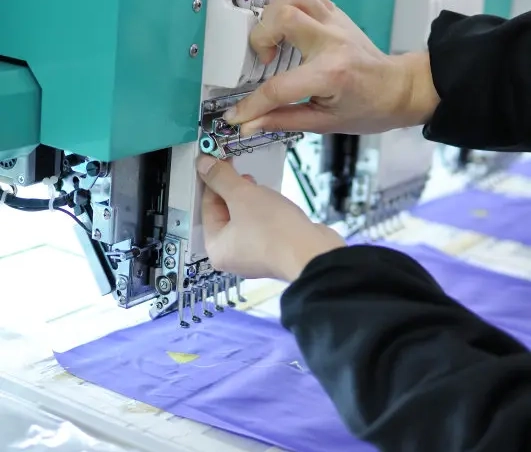
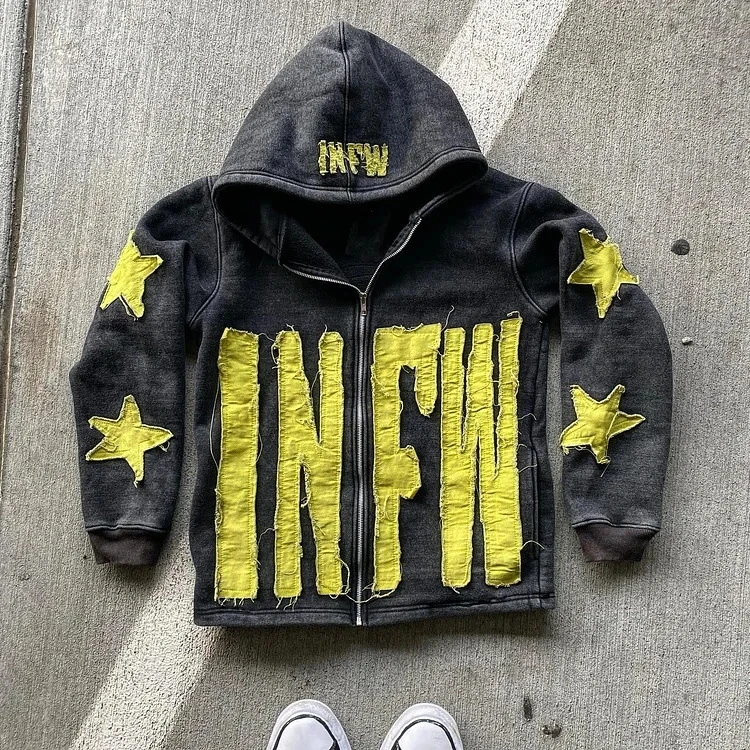
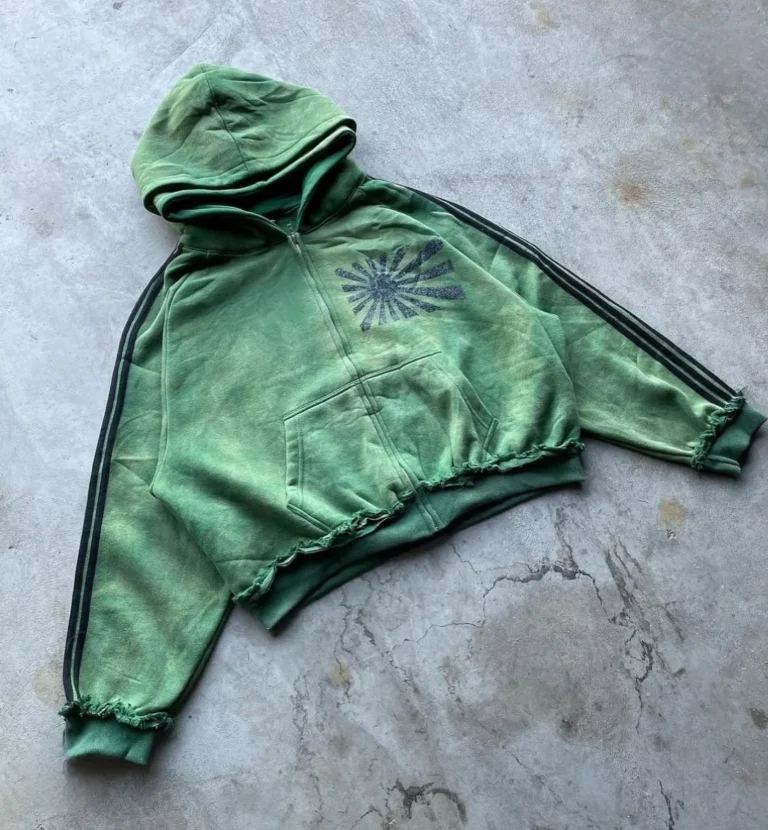
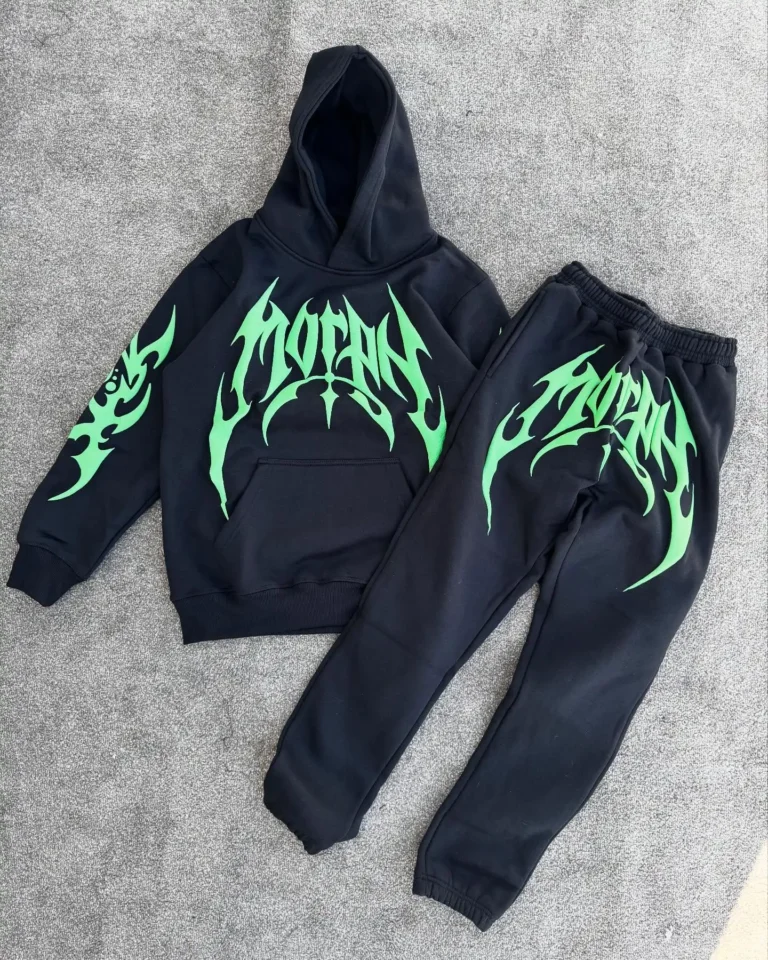
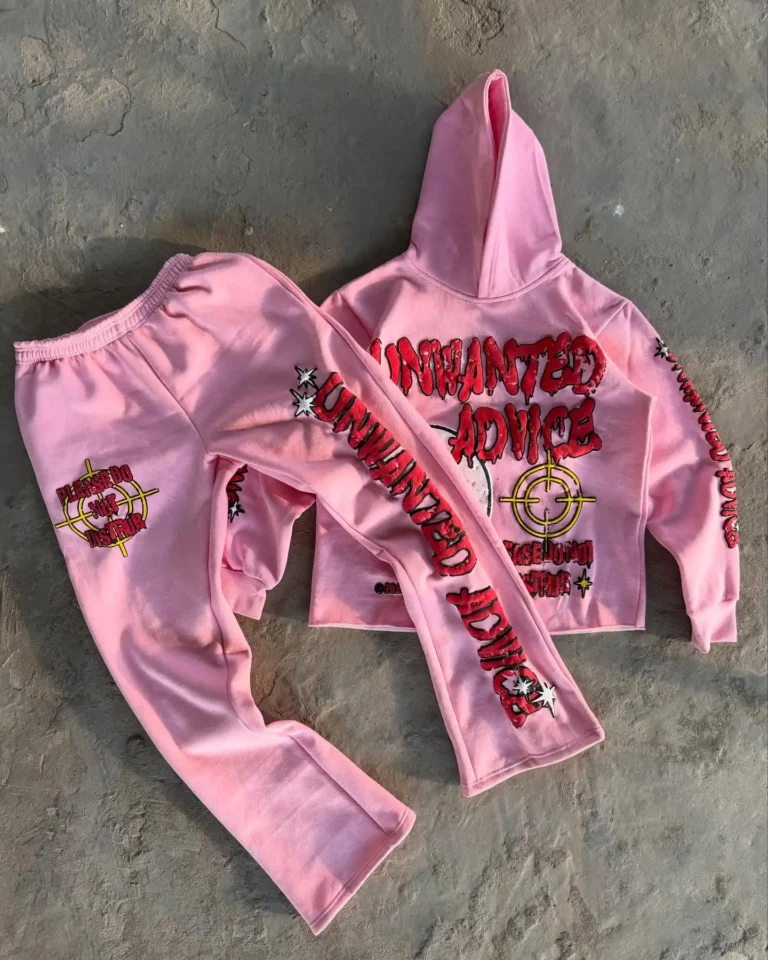
Decoration methods should encompass embroidery (flat, 3D puff, chenille), screen printing, DTG, DTF, sublimation, patch application, and specialty finishes such as puff print and distressing.
Material flexibility is another differentiator. A capable manufacturer will offer a spectrum of fabrics—100% cotton, polyester blends, French terry, fleece, and brushed interiors—across a range of weights, typically 280–400 GSM for standard hoodies and 400–600 GSM for premium streetwear.
Private label services include custom neck labels, woven tags, size labels, hang tags, and branded packaging. These details contribute significantly to the perceived value of the final product.
The Sampling Imperative: The Contractual Benchmark
The pre-production sample is not a formality; it is the contractual benchmark against which the entire bulk order is measured. A transparent sampling policy is a hallmark of a trustworthy supplier.
Sampling lead times typically range from five to ten days, depending on the complexity of the design and the availability of materials. Some factories charge for samples but credit the fee toward the bulk order; others provide free samples for stock items.
The sample evaluation should encompass fabric hand-feel after washing, fit accuracy across the size range, decoration placement and adhesion, and stitching integrity at stress points. Requesting a wash test on the sample—washing it multiple times to check for fading, cracking, or shrinkage—is the most reliable way to validate durability.
Risk Mitigation Strategies for New Partnerships
For first-time collaborations, a phased approach is prudent. Begin with a sample batch before committing to full production. Use Alibaba Trade Assurance or a third-party inspection service for the first bulk order. Confirm return policies and defect resolution protocols in writing before production commences.
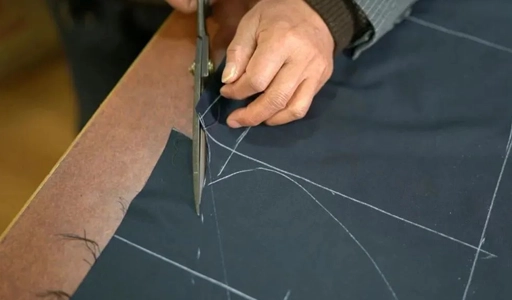
A live video walkthrough of the factory’s cutting, sewing, and packing areas during working hours—with the current date in the frame—can separate an operating factory from a showcase operation. Requesting to see the order’s own work in progress provides additional verification of genuine production activity.
The factory that passes the paper stage—verified registration, matching company name on quotation and bank account, and documented quality systems—is the only one worth the investment of a video tour and samples.
Conclusion: The Partnership as a Continuum
The identification of a reliable custom hoodie manufacturer is not a discrete event but the beginning of a collaborative relationship. The most successful partnerships are built on clear communication, mutual transparency, and a shared commitment to quality. By applying the metrics and verification protocols outlined above, a brand can navigate the global manufacturing landscape with confidence, securing a partner capable of translating its creative vision into a durable, market-ready product.