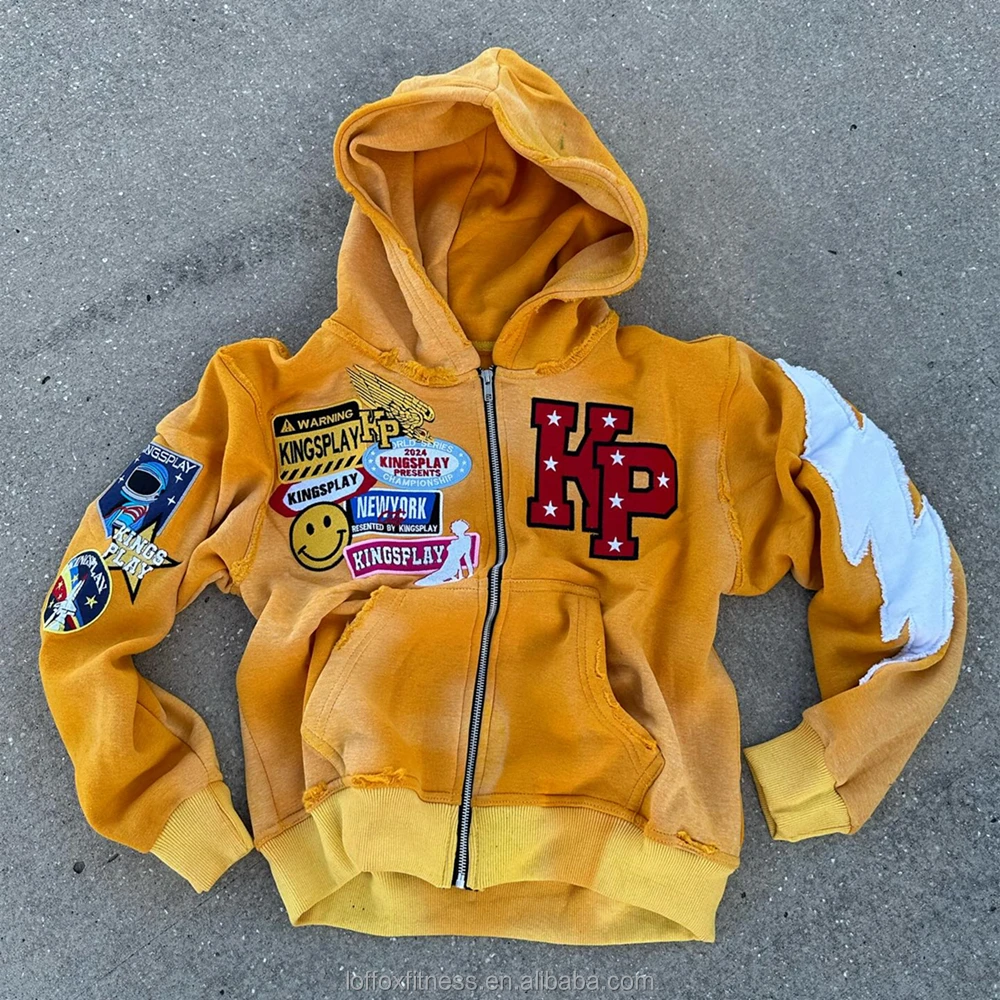
Introduction: The Hoodie as a Canvas for Personal Expression
The ubiquitous hoodie, a garment of humble origins and profound cultural resonance, transcends its utilitarian function to become a potent vehicle for individualism. To customize a hoodie is to engage in a dialogue with the object itself, transforming a mass-produced article into a singular artifact of personal narrative. This undertaking is not merely a craft; it is an act of reclamation, an assertion of identity against the tide of homogeneity. The subsequent discourse will serve as a meticulous compendium of techniques, from the foundational to the intricate, enabling the aspirant artisan to imbue this commonplace garment with unprecedented distinction.
Selecting the Optimal Foundation: Choosing Your Base Garment
The success of any customization endeavor is predicated upon the judicious selection of the substrate. A flawed foundation will invariably compromise the most skilled of interventions. Therefore, one must approach the acquisition of the base hoodie with a connoisseur’s discernment.
Fiber Composition and Its Impact on Customization
The intrinsic properties of the fabric dictate the parameters of its manipulation. Natural fibers, such as cotton and hemp, exhibit a remarkable receptivity to dyes and a forgiving nature when subjected to structural alterations. Conversely, synthetic polymers like polyester and nylon present unique challenges; they are hydrophobic, resisting aqueous dyes, yet they possess a thermoplastic quality that allows for heat-activated embellishments. Blended fabrics offer a median path, but the artisan must remain cognizant of the differing rates of dye uptake and durability.
The Significance of Fit and Silhouette
One must consider the intended final silhouette. A garment that is excessively capacious can be reduced, yet one that is constrictive is a far more formidable adversary. A slightly oversized hoodie provides ample material for cropping, tailoring, and the addition of voluminous embellishments. The drape of the fabric—its weight and pliability—will influence the ultimate aesthetic, whether it be structured and architectural or fluid and organic.
Color as a Foundational Element
The initial hue of the hoodie is not merely a starting point but a critical variable in the alchemical equation of customization. A pristine white or heather grey provides a neutral canvas, allowing for the most accurate color reproduction in dyeing and printing processes. A black or deeply saturated garment serves as a somber backdrop for stark, contrasting embellishments, requiring opaque mediums to achieve visibility. The artisan must envision the final composition, working with or against the established chroma.
Necessary Implements: Assembling Your Artificer’s Toolkit
The execution of these techniques necessitates a curated collection of tools. The absence of a proper implement can render a task unnecessarily arduous or even impossible.
Core Sewing and Cutting Instruments
The sine qua non of any textile alteration is a robust sewing machine, capable of penetrating multiple layers of dense fabric. A selection of needles—sized appropriately for the fabric weight—is imperative. For manual interventions, a set of sharp fabric shears, a seam ripper, and an array of hand-sewing needles are indispensable. A rotary cutter and a self-healing mat facilitate precise, linear incisions.
Adjuncts for Adornment and Application
Beyond the realm of sewing, one must amass a panoply of adjuncts. These include textile paints and mediums, fabric dyes (both fiber-reactive and acid-based), paintbrushes of varying sizes, screen-printing equipment (screens, squeegees, photo-emulsion), embroidery hoops and floss, and a heat press or iron for transfer applications. Not to be overlooked are the sundry notions: pins, clips, measuring tapes, and marking instruments such as tailor’s chalk or water-soluble pens.
Preparatory Protocols: The Crucial Steps Before Alteration
The impulse to immediately commence modification must be tempered by discipline. A series of preparatory protocols will mitigate risk and ensure a more predictable outcome.
Pre-Shrinking and Sanitizing the Garment
Natural fiber garments are prone to shrinkage upon their first laundering. To preempt the heartbreak of a perfectly customized hoodie subsequently contracting to an unwearable size, one must pre-wash and dry the garment according to its care label before any alterations are undertaken. This process also removes any sizing or finishes applied by the manufacturer that might impede dye absorption or paint adhesion.
The Indispensable Role of Mock-Ups and Patterning
For any structural alteration, the creation of a mock-up is a sagacious investment of time. Using inexpensive muslin or even a sacrificial garment, one can test the proposed cuts and seams. This trial run reveals the nuances of the fabric’s behavior and allows for refinement of the pattern. Furthermore, placing the garment on a dress form or a live model and pinning the intended design provides a three-dimensional visualization, forestalling missteps.
Chromatically Yours: The Discipline of Dyeing
The alteration of a garment’s color is among the most dramatic of transformations. It requires an understanding of chemistry as much as artistry.
Immersion Dyeing for a Monolithic Hue
This technique involves submerging the entire garment in a dye bath. For even, saturated results, the fabric must be continuously agitated to ensure the dye penetrates uniformly. The concentration of dye, the temperature of the bath, and the duration of immersion are the variables that determine the final intensity. Fiber-reactive dyes are the preferred medium for cellulose fibers like cotton, forming a covalent bond with the material.
Tie-Dye, Shibori, and Resist Techniques for Patterned Effects
By strategically binding, folding, or stitching the fabric before immersion, one can create intricate patterns of resist. The Japanese art of Shibori encompasses a multitude of these techniques, from the bound-resist of kanoko to the pole-wrapping of arashi. The application of a mordant can further alter the hue, creating complex, multi-tonal effects.
Bleach and Discharge Processes for Deconstructionist Aesthetics
For garments that are already dyed, the removal of color can be as impactful as its addition. A dilute solution of chlorine bleach can be applied via spray bottle, brush, or sponge to create ethereal, cloud-like patterns. Discharge paste, a more controllable alternative, is a chemical agent that removes dye when activated by heat. This process is inherently unpredictable, yielding a uniquely distressed aesthetic.
The Cut and Thrust: Structural Alterations for a Bespoke Fit
To alter the structure of a hoodie is to redefine its very essence, tailoring it to the contours of the individual form.
Slimming and Tailoring the Torso
A voluminous hoodie can be refined by removing excess fabric from the side seams. This involves turning the garment inside out, pinning along the desired new seam line—often a gentle curve from the armpit to the hem—and stitching. The excess fabric is then trimmed, and the raw edges are finished with a serger or a zigzag stitch to prevent fraying.
Cropping and Asymmetrical Hemlines
The crop is a decisive alteration, excising the lower portion of the garment to create a shorter, more contemporary silhouette. A raw, unhemmed edge offers a nonchalant, deconstructed vibe, while a folded and stitched hem provides a more polished finish. An asymmetrical hem, cut at a diagonal or with a dramatic high-low profile, introduces a dynamic, avant-garde element.
Sleeve Modifications: Length, Cuffs, and Detailing
Sleeves can be shortened, widened, or entirely removed to create a vest. The existing cuffs can be replaced with a contrasting fabric, such as ribbed knit in a different color or a sleek leather. The addition of thumbholes, elbow patches, or a contrasting stripe running the length of the sleeve are all viable avenues for personalization.
Adorning the Surface: Techniques for Graphic and Textural Embellishment
The surface of the hoodie is a tabula rasa, awaiting the imposition of imagery and texture.
Appliqué and Patchwork: The Art of Superimposition
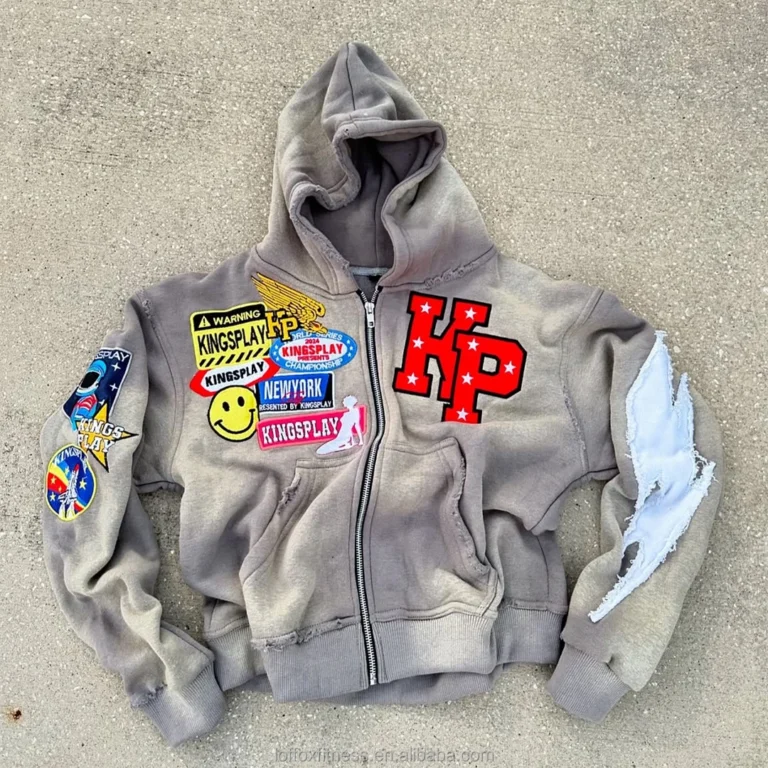
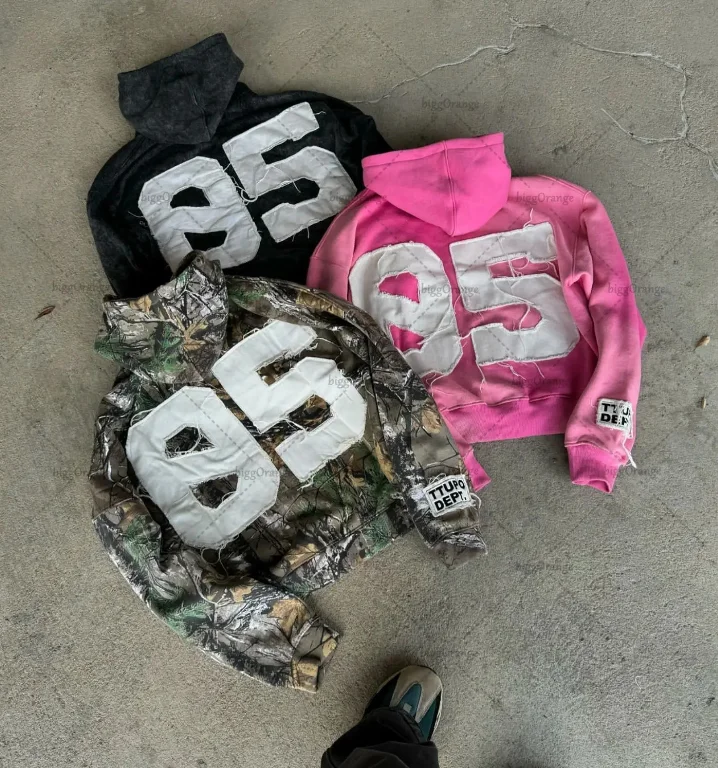
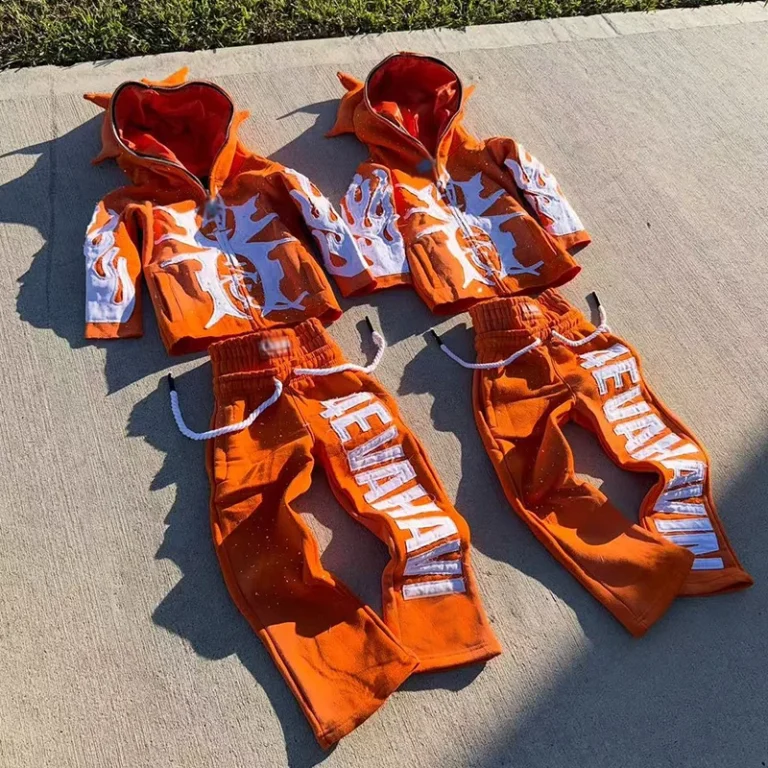
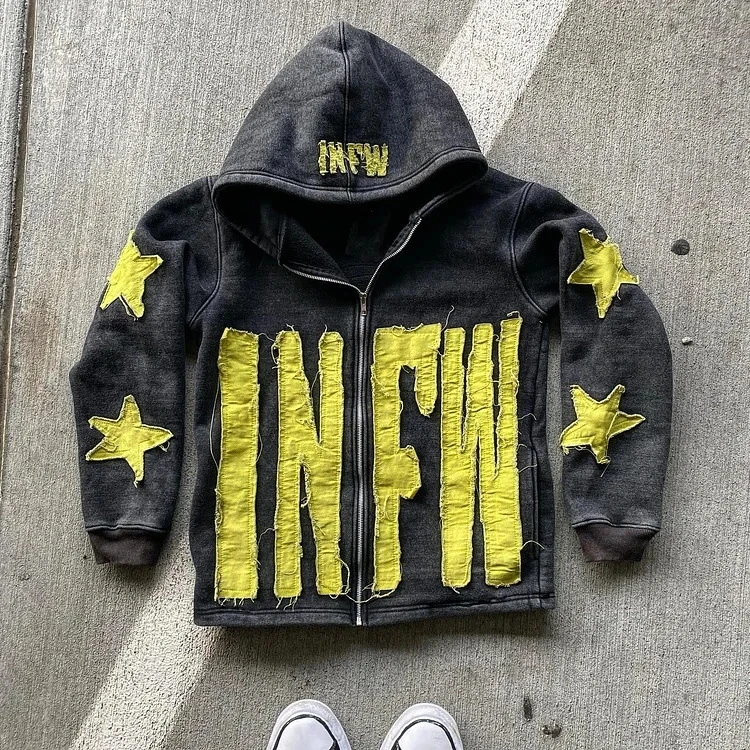
Appliqué involves stitching a piece of fabric onto the surface of the hoodie to create a design. This can be as simple as a monogram or as complex as a multi-layered pictorial scene. Patchwork, the joining of disparate fabric pieces to form a larger whole, can be used to construct entire panels or to create a collaged effect.
Embroidery: Machine and Hand-Stitched Narratives
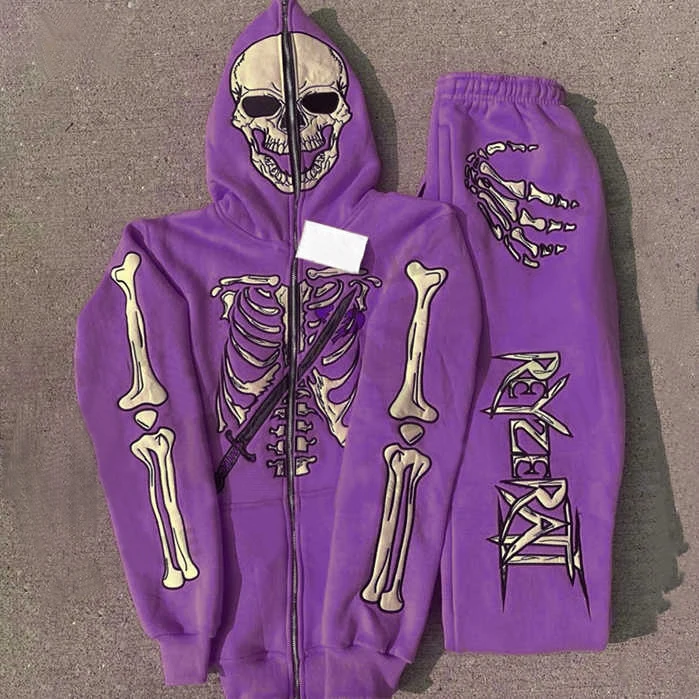
Embroidery imparts a level of craftsmanship and dimensionality that is unparalleled. Hand embroidery, with its myriad of stitches—from the humble running stitch to the intricate French knot—allows for organic, freeform expression. Machine embroidery, conversely, offers precision and the ability to replicate complex logos or intricate patterns with exacting consistency.
Screen Printing and Heat Transfer for Crisp Iconography
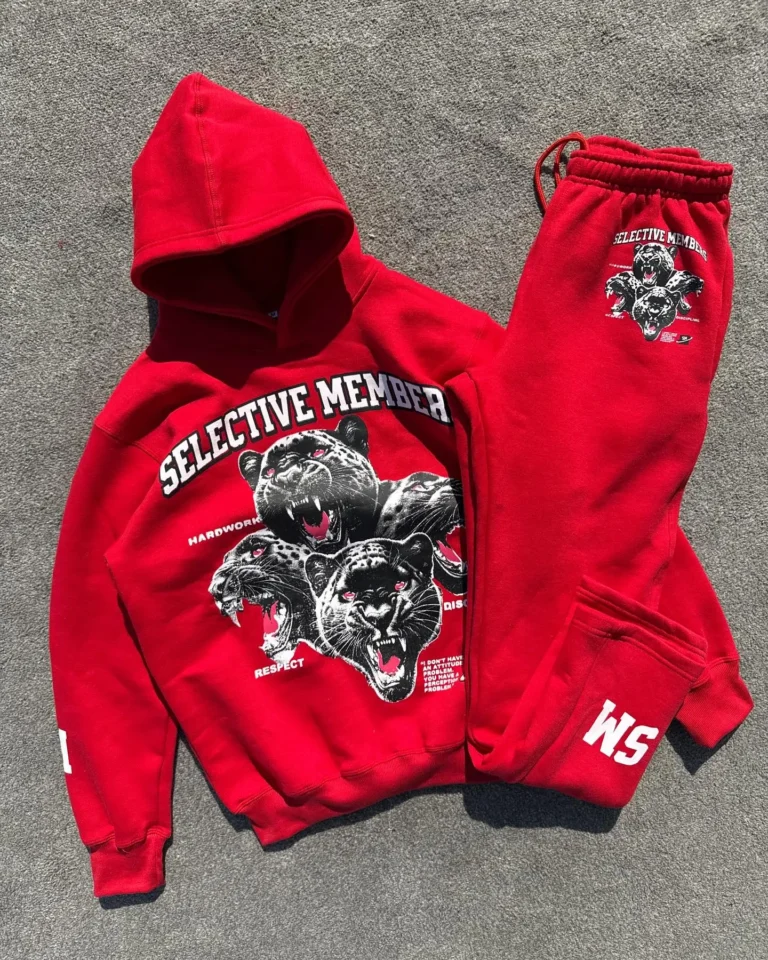
For graphic designs requiring sharp lines and solid blocks of color, screen printing is the optimal method. A stencil is created on a mesh screen, and ink is forced through the open areas onto the fabric. Heat transfer, or iron-on, offers a more accessible alternative, utilizing specialized paper and a printer to create designs that are then bonded to the fabric with heat and pressure.
Fabric Painting and Freehand Expression
The direct application of textile paint with a brush offers the most immediate and intuitive means of embellishment. Fabric markers provide a similar immediacy with greater control for fine details. This approach is ideal for expressive, painterly designs, lettering, or abstract compositions.
Hardware and Accoutrements: Functional and Decorative Additions
The integration of metal and plastic hardware can elevate a hoodie from a simple garment to a piece of functional art.
The Installation of Zippers, Snaps, and Eyelets
The addition of a full-length zipper can transform a pullover hoodie into a zip-up. This is a complex alteration requiring precision and a zipper foot for the sewing machine. Snap fasteners and eyelets can be installed with specialized tools, adding both utility and a rugged, industrial aesthetic.
Drawstrings, Aglets, and Cord Locks
The humble drawstring is a prime opportunity for customization. One can replace the standard cord with a length of leather, paracord, or a metallic chain. The ends can be finished with custom aglets—the small sheaths at the tip—made of metal or shrink tubing. Cord locks, in various shapes and colors, add a functional, technical detail.
The Strategic Application of Studs, Rivets, and Pins
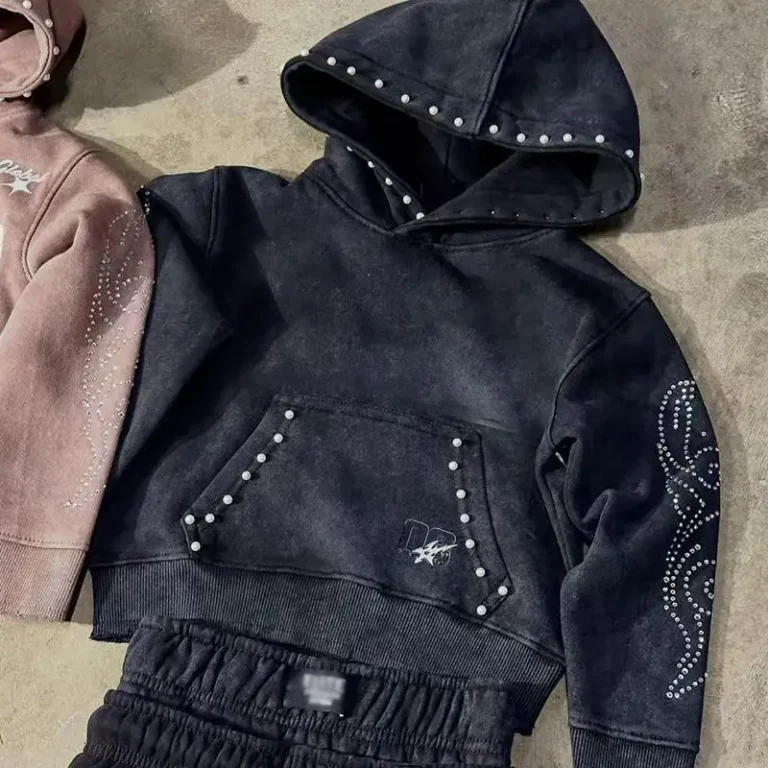
The application of studs and rivets imparts a punk or moto-inspired edge. These are typically affixed by creating a small hole in the fabric and then securing the two halves of the stud with a setting tool and a hammer. Safety pins, both functional and decorative, can be arranged in patterns or used to hold together intentional rips and tears.
Textural Manipulations: Beyond the Flat Surface
The creation of texture adds a tactile dimension to the hoodie, inviting touch and adding visual complexity.
Distressing, Fraying, and Raw Edges
Intentional distressing can be achieved through a variety of means: sanding with coarse-grit sandpaper, slicing with a razor blade, or grinding with a rotary tool. The resulting frayed edges can be left raw or sealed with a dab of fabric glue to prevent excessive unraveling. This technique lends a garment a sense of history and wear.
Quilting and Padding for Dimensionality
Quilting involves stitching through two or more layers of fabric, often with a layer of batting in between, to create a raised, textured surface. This technique can be used to create geometric patterns, or to add warmth and structure to specific areas, such as the hood or the chest.
The Incorporation of Lace, Mesh, and Contrast Fabrics
The juxtaposition of disparate materials can create a visually arresting composition. The insertion of a panel of delicate lace into the back of a rugged cotton hoodie creates a striking contrast. Similarly, the addition of a mesh pocket or a leather elbow patch introduces a new textural element.
Finishing Touches and Aftercare: Preserving Your Creation
The final phase of the customization process is dedicated to ensuring the longevity and integrity of the work.
Securing Loose Threads and Reinforcing Seams
Upon completion of all alterations and embellishments, a meticulous inspection is required. All loose threads must be trimmed. Seams that bear significant stress—such as those on the shoulders or the crotch—should be reinforced with a second line of stitching. Any applied hardware must be checked for security.
Washing and Maintenance Guidelines for Customized Garments
A customized hoodie demands a bespoke approach to care. Generally, it should be washed inside out in cold water on a gentle cycle to protect the embellishments. It is often advisable to hand-wash garments with delicate appliqués or hand-painted elements. Tumble drying should be avoided, as heat can damage prints, dyes, and adhesives; line drying in the shade is the preferred method.
Conclusion: The Hoodie as a Singular Artifact
The transformation of a hoodie is a journey of creative emancipation. It is a process that weds technical skill with personal vision, resulting in a garment that is not merely worn, but expressed. The customized hoodie ceases to be a mere commodity; it becomes a testament to the wearer’s ingenuity, a wearable manifesto of individual style. In an age of mass production, the act of personalization is a quiet, yet powerful, rebellion. The finished piece is not just a hoodie; it is a singular artifact, imbued with intention, narrative, and the unmistakable hallmark of its creator.