Introduction: The Hoodie as a Canvas for Individual Expression
The hoodie is among the most versatile garments in contemporary wardrobes. It is at once utilitarian and expressive, casual and deliberate. To custom a hoodie is to transform a mass-produced staple into a singular artifact—one that reflects the wearer’s identity, the brand’s ethos, or the occasion’s significance. The process, however, is not a single act but a series of decisions, each with aesthetic, practical, and economic consequences. This article examines those decisions in sequence, providing a comprehensive guide to hoodie customization.
Defining Customization: A Taxonomy of Approaches
Customization admits of degrees. At its simplest, it involves applying a graphic to a stock garment—a screen-printed logo, an embroidered monogram. At its most elaborate, it entails developing a unique pattern, sourcing specialty fabric, and executing bespoke construction. Between these poles lie intermediate approaches: custom labels, custom drawcords, garment dyeing, distressed finishes, and mixed-media embellishment. Clarifying the intended degree of customization at the outset prevents misalignment of expectations and resources.
The Preliminary Question: Personal Wear or Commercial Distribution
The first decision concerns purpose. A hoodie customized for personal wear may be produced as a single unit through a local printer or crafted by hand. A hoodie intended for commercial distribution—whether as merchandise, promotional giveaway, or retail product—requires a manufacturer capable of scale and consistency. The purpose determines the sourcing pathway, the budget, and the timeline. Conflating personal and commercial objectives leads to inefficiencies and frustration.
Establishing the Design Brief: Aesthetic, Fit, and Function
Before sourcing, a design brief should be established. What aesthetic is desired—minimalist, graphic-heavy, vintage, athletic? What fit—snug, relaxed, oversized? What function—layering, standalone, seasonal? The brief should also specify the target wearer, the intended occasion, and the desired price point. A well-articulated brief serves as a reference point throughout the customization process, reducing the risk of drift and disagreement.
The Anatomy of a Hoodie: A Component-by-Component Survey
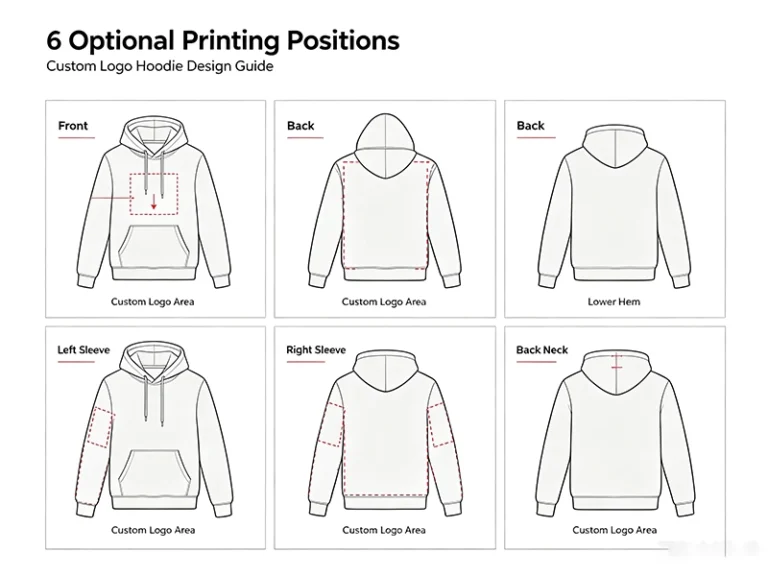
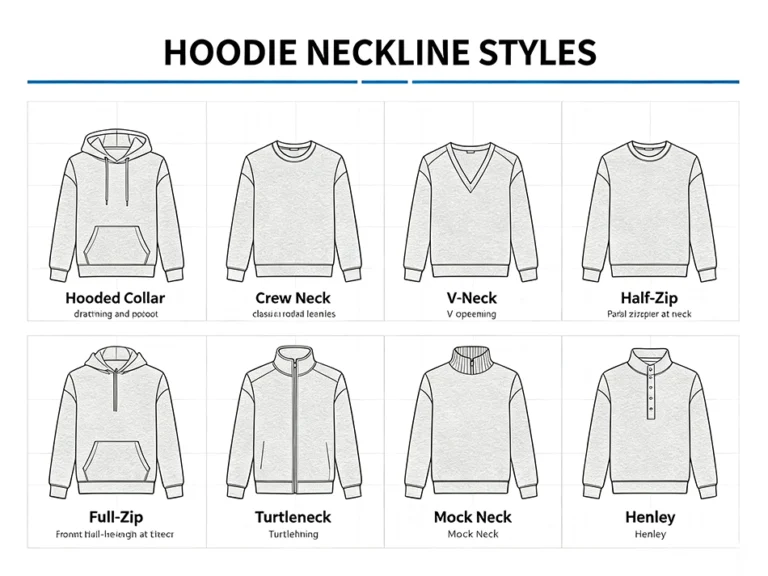
A hoodie comprises multiple components, each subject to customization. The body—front and back panels—forms the main structure. The sleeves attach at the armholes. The hood covers the head and may be lined. The pocket, typically a kangaroo pouch, sits at the front. The ribbing at cuffs and hem provides stretch and shape retention. Drawcords adjust the hood. Labels and tags convey branding and care information. Understanding these components enables deliberate customization.
Selecting the Base Garment: Blanks Versus Bespoke Construction
A fundamental choice is whether to begin with a blank hoodie or commission bespoke construction. Blanks—available from brands such as Gildan, Bella+Canvas, and Independent Trading—offer convenience, consistent quality, and low minimums. Bespoke construction offers complete control over fit, fabric, and construction but requires higher minimums and longer lead times. The choice depends on the project’s objectives, budget, and timeline.
Fabric Selection: Fleece, French Terry, and Specialty Knits
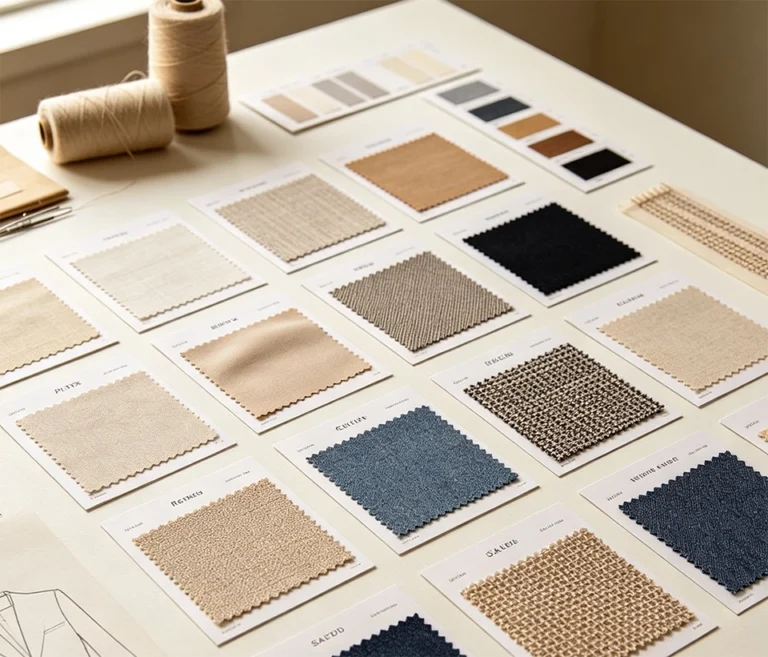
Fabric selection shapes the hoodie’s character. Fleece—brushed on the interior—offers warmth and softness. French terry—unbrushed, with visible loops—offers breathability and a lighter hand. Specialty knits such as sherpa, bouclé, and jacquard introduce texture. The choice depends on the intended use and season. Swatches should be obtained and evaluated tactilely. The fabric’s behavior during printing, embroidery, and washing must be considered.
GSM Gradations and Their Practical Ramifications
GSM—grams per square meter—is the standard metric for knit fabric weight. A 280 GSM fleece is lightweight, suited to mild climates. A 350 GSM fleece offers mid-weight warmth. A 450 GSM fleece is heavy, providing substantial insulation. Heavier fabrics command higher prices but may limit wearability. The appropriate GSM depends on the intended season, market, and price point.
Cotton Varieties, Blends, and the Question of Hand Feel
Cotton varieties influence hand feel, durability, and cost. Long-staple cottons—Supima, Egyptian—produce softer, stronger yarns. Blends incorporating polyester enhance durability and reduce shrinkage; blends with rayon or modal enhance softness. The choice depends on the desired hand feel and performance. Transparency regarding fiber content is essential for labeling compliance and consumer trust.
Silhouette Selection: Pullover, Zip-Up, Oversized, and Cropped
The silhouette shapes the hoodie’s character. The pullover features a single front panel with a kangaroo pocket. The zip-up incorporates a full-length zipper. The oversized hoodie embraces contemporary volume. The cropped hoodie exposes the midriff. Each silhouette presents distinct pattern engineering challenges and appeals to different demographics. The choice should align with the wearer’s body type and aesthetic preferences.
Color Selection and Dyeing Methodologies
Color selection shapes the hoodie’s visual identity. Piece dyeing—dyeing the fabric before cutting—yields uniform color. Garment dyeing—dyeing the finished garment—produces softer hand feel and subtle color variation. Pigment dyeing—applying pigment to the surface—yields a faded, vintage aesthetic. The choice depends on the desired look and the fabric composition. Colorfastness must be verified.
Graphic Design: Resolution, Color Space, and Composition
Graphic design determines the hoodie’s visual impact. Resolution must be sufficient for the printing method; vector files are preferred. Color selection should account for the fabric’s base color and the printing method’s capabilities. Composition—placement, scale, balance—influences visibility and aesthetics. Design files should be prepared in the appropriate format and color space for the chosen printing method.
Printing Methodologies: Screen, DTG, DTF, and Sublimation
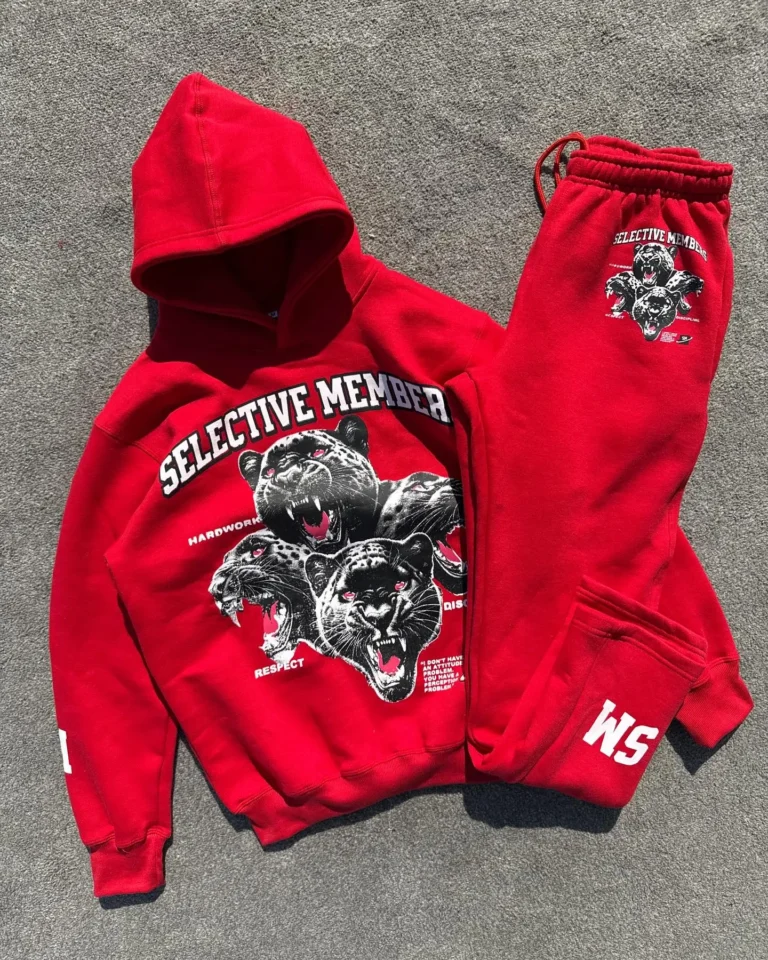
Printing methodologies vary. Screen printing—applying ink through a mesh—offers vibrancy and durability for bold graphics and large runs. DTG (direct-to-garment) printing enables photographic detail and short runs. DTF (direct-to-film) printing transfers designs via heat, working well on diverse fabrics. Sublimation—transferring dye via heat—works best on polyester. The choice depends on fabric, design complexity, and quantity.
Embroidery and Appliqué: Dimensional Branding
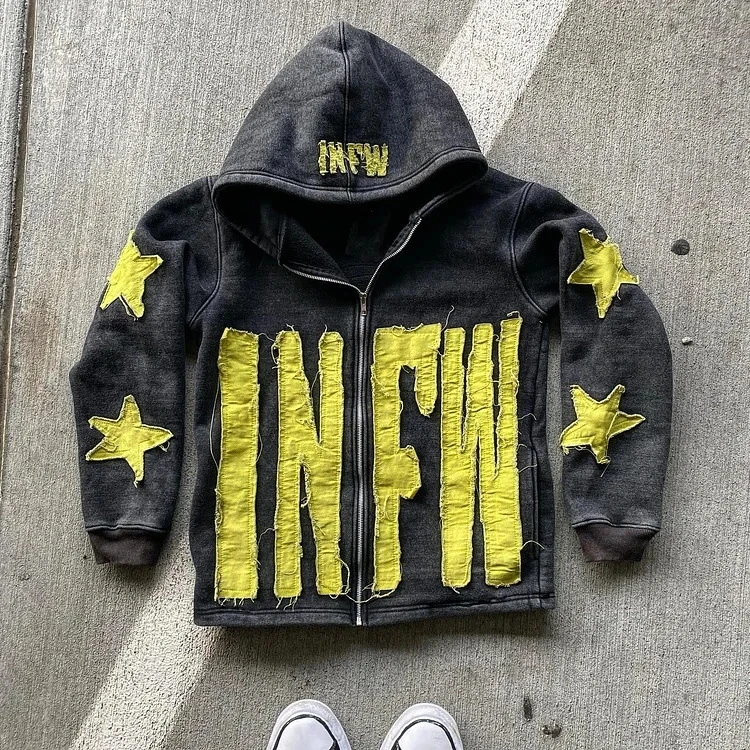
Embroidery offers dimension and durability; it is well-suited to hoodie fleece. Appliqué—sewing fabric patches onto the garment—provides a tactile, premium effect. Both techniques require digitized files and careful placement. Stitch counts should be optimized for cost and quality. The choice between embroidery and appliqué depends on the design’s complexity and the desired aesthetic.
Patchwork, Chenille, and Mixed-Media Embellishment
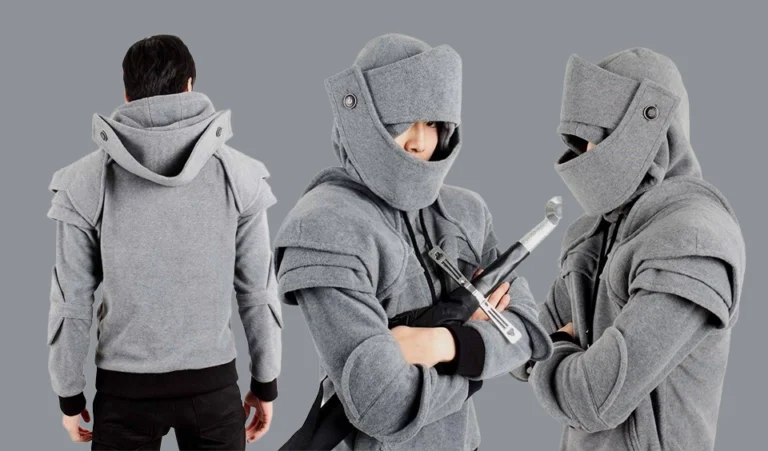
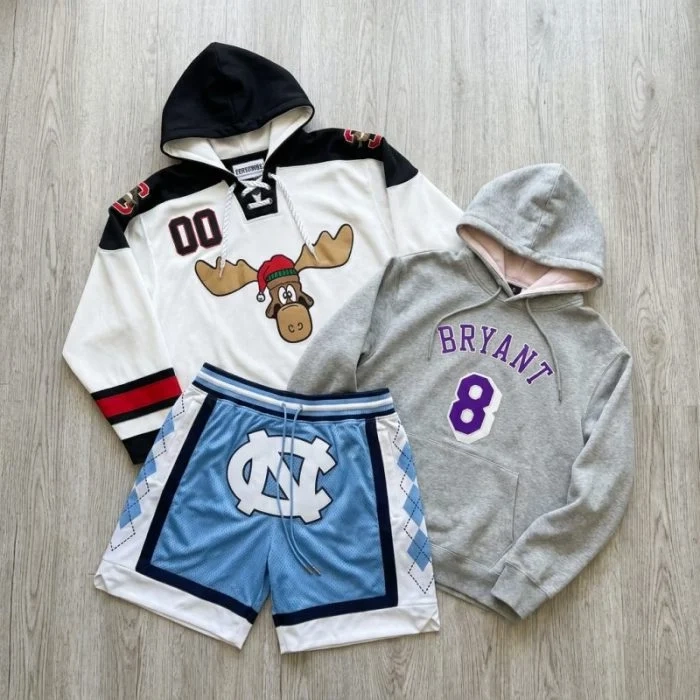
Beyond printing and embroidery, hoodies may be embellished through patchwork, chenille, and mixed-media techniques. Patchwork involves sewing together disparate fabric pieces. Chenille—a fuzzy, tufted yarn—adds texture and nostalgia. Mixed-media may incorporate leather, denim, or reflective materials. These techniques demand skilled labor and may increase cost, but they yield distinctive, artisanal garments.
Drawcords, Aglets, and Hardware Customization
Drawcords contribute both function and fashion. The cord may be flat or round, cotton or polyester, dyed to match or contrast. Aglets—the tips—may be plastic, metal, or shrink-wrapped. Metal aglets with engraved logos enhance perceived value. Hardware—zippers, eyelets, snaps—must meet durability and compliance standards. The selection should align with the hoodie’s aesthetic and intended use.
Labels, Hangtags, and Packaging as Branding Instruments
Customization extends beyond the garment itself. Woven labels, printed neck tags, and hangtags reinforce brand identity. Packaging—polybags, boxes, tissue paper—shapes the unboxing experience. These elements, though often overlooked, contribute to perceived value and brand recall. They should be designed in concert with the garment and sourced from reputable suppliers.
Sourcing Pathways: Domestic Printers, Cut-and-Sew Workshops, and Overseas Factories
Sourcing pathways vary. Domestic printers and embroiderers offer proximity, speed, and small minimums, but limited control over garment construction. Cut-and-sew workshops can produce custom garments but may lack printing capabilities. Overseas factories offer scale and low costs but require longer lead times and higher minimums. The choice depends on the project’s priorities. Hybrid approaches—blanks sourced overseas, embellished domestically—are common.
The Sampling Process: Prototypes, Fit Samples, and Pre-Production
Sampling validates design, construction, and branding. Prototypes reveal pattern flaws, fabric behavior, and print or embroidery fidelity. Fit samples assess silhouette and comfort. Pre-production samples confirm that bulk materials and methods will yield the approved result. Iterative sampling reduces the risk of bulk production failures. Patience during sampling averts costly corrections later.
Minimum Order Quantities and Their Implications
MOQs vary by supplier and method. Domestic printers may accommodate single-unit orders; overseas factories typically require higher volumes. Screen printing often requires minimums per design and color. Embroidery may have lower minimums. Buyers should understand that MOQs reflect setup costs and production efficiency. For small runs, per-unit costs will be higher.
Pricing Structures and Budgeting for Customization
Pricing structures vary. Some suppliers charge per unit; others charge setup fees plus per-unit costs. Screen printing may involve charges per screen. Embroidery may involve digitizing fees. Budgeting should account for sampling, shipping, duties, and contingencies. Comparing quotations on a total cost basis, rather than unit price alone, ensures accurate assessment.
Quality Assurance and Inspection Protocols
Quality assurance must address measurements, stitch integrity, print or embroidery fidelity, and hardware function. Colorfastness, shrinkage, and pilling resistance must be verified. For overseas production, third-party inspections offer verification. A supplier with a documented QA protocol and traceable records provides assurance. Inspection should occur at multiple stages, not merely at final shipment.
Compliance, Certification, and Ethical Sourcing
Compliance is non-negotiable. Certifications such as WRAP, BSCI, Sedex, GOTS, and OEKO-TEX provide independent verification of labor conditions and environmental performance. Restricted substances lists must be observed. A supplier committed to these standards enables buyers to market their hoodies with integrity and mitigates legal and reputational risks.
Lead Times and Production Scheduling
Lead times vary by method and supplier. Domestic printing may take days; overseas production may take weeks or months. Rush services are often available at additional cost. Production scheduling should account for sampling, material procurement, production, quality inspection, and shipping. Buffer time should be built into the schedule to accommodate unforeseen delays.
Common Pitfalls and Their Remedies
Pitfalls are plentiful. Vague specifications invite disputes. Overlooking shrinkage tolerances yields ill-fitting garments. Neglecting to verify compliance invites customs delays. Underestimating lead times causes missed deadlines. Poor communication leads to misunderstandings. Remedies include meticulous documentation, early engagement with suppliers, realistic timelines, and regular progress reviews.
Case Studies: Customized Hoodie Successes
Examination of successful projects yields insights. A musician commissioned screen-printed hoodies for a tour, achieving rapid sell-through. A startup brand developed a bespoke oversized hoodie with embroidered logo, leveraging a domestic workshop for small-batch production. A corporate client ordered DTG-printed hoodies for an event, meeting tight deadlines. In each case, success derived from clear objectives, quality execution, and alignment between product and purpose.
Future Trends in Hoodie Customization
The future will be shaped by digitalization, sustainability, and personalization. 3D sampling reduces the need for physical prototypes. On-demand printing enables individual customization. Recycled and organic fabrics appeal to eco-conscious consumers. Blockchain traceability and circular economy models are emerging. Those who embrace these trends will find new opportunities for expression and commerce.
Conclusion: Bringing a Custom Hoodie to Fruition
Customizing a hoodie is a journey of decisions. Fabric, fit, color, graphics, construction, sourcing—each choice shapes the final garment. For personal projects, the process is an act of self-expression. For commercial endeavors, it is an exercise in brand-building. By approaching each stage with rigor and creativity, one can bring a custom hoodie to fruition that satisfies both maker and wearer. The hoodie may be ubiquitous, but a well-customized hoodie is singular.