Looking for a trusted made‑to‑order hoodies supplier for small‑batch runs? Flexible low‑volume production, full custom options, quality control for your apparel brand.
Introduction: The Small-Batch Imperative
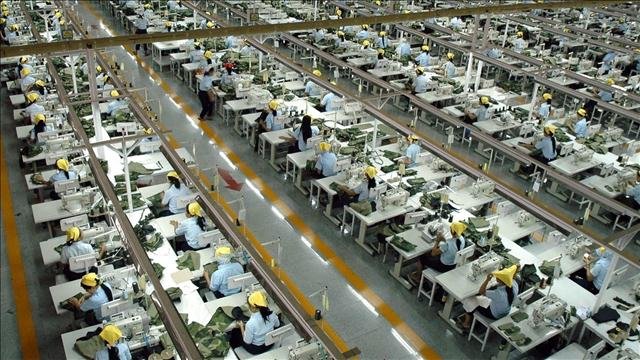
The contemporary apparel landscape is characterized by a fundamental paradox: the desire for individuality in an age of mass production. For the emerging brand, the independent designer, or the boutique retailer, the path to market has historically been obstructed by the formidable barrier of the Minimum Order Quantity. The traditional manufacturing model, predicated on economies of scale, has often excluded smaller players from the ecosystem of custom apparel. The advent of specialized, made-to-order hoodies suppliers—designed to accommodate small-batch runs—represents a paradigm shift. It is an empowering democratization of production, allowing brands to test collections, manage inventory risk, and cultivate an aura of exclusivity .
Defining the Made-to-Order Model
The made-to-order model is philosophically and operationally distinct from mass production. It is a system where goods are manufactured only upon the receipt of a customer’s order, eschewing the speculative risks of large-scale inventory . For hoodies, this translates to a production environment that prioritizes flexibility and responsiveness. It allows brands to launch capsules, experiment with seasonal colorways, and react to market trends without the financial burden of unsold stock. This model is the antithesis of the generic, serving a market that increasingly demands authenticity and uniqueness.
The Low MOQ Advantage: Lowering the Barrier to Entry
The most significant attribute of a small-batch supplier is its accessible Minimum Order Quantity. While mass-market exporters may demand commitments of 1,000 pieces or more, specialized suppliers have recalibrated their operations to serve smaller clients . The prevailing standard for these agile manufacturers is an MOQ of 100 pieces per style and color, with some facilities offering thresholds as low as 50 pieces . This accessible entry point allows brands to launch with confidence, mitigating the financial risk associated with new product lines.
The B2B Landscape: OEM vs. ODM
Understanding the distinction between Original Equipment Manufacturing and Original Design Manufacturing is essential for navigating the B2B landscape. In an OEM arrangement, the brand provides the complete design specifications—the tech pack, measurements, and material requirements—to the manufacturer for execution . In an ODM model, the manufacturer offers pre-existing designs that the brand can adapt and label as its own, providing a faster route to market for those with limited design resources .
The Sampling Cycle: The Crucible of Refinement
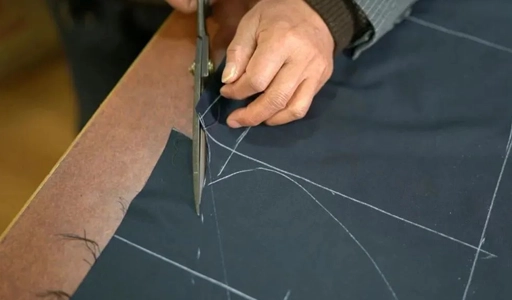
Before any bulk production, the sampling phase is indispensable. This iterative process involves creating physical prototypes from the brand’s specifications to evaluate fit, fabric behavior, and aesthetic details . The sample is the crucible in which potential issues are identified and rectified. A reputable supplier will offer a structured sampling timeline, typically ranging from 3 to 10 days, and will require written approval before moving to mass production .
Fabric Foundations: The Substrate of Quality
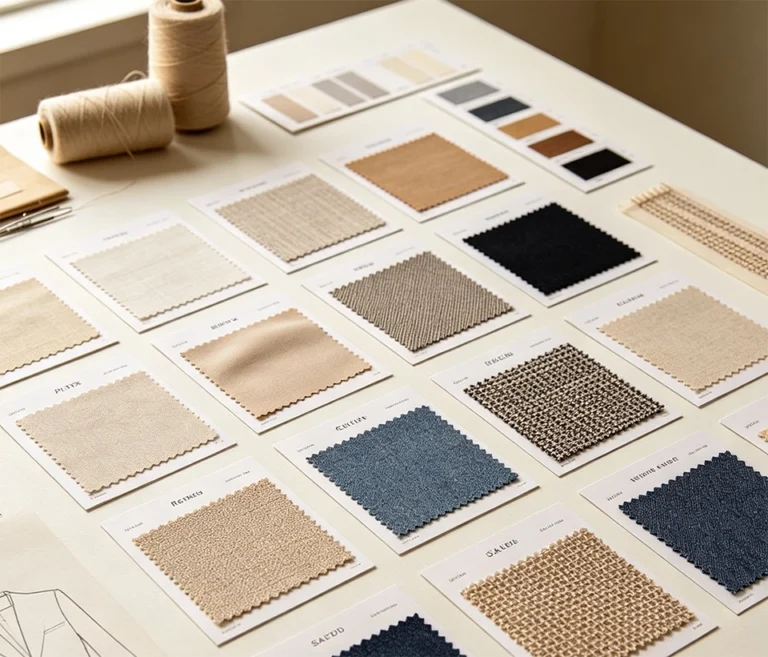
The integrity of a custom hoodie is predicated upon the quality of its substrate. The selection of fabric—its weight, composition, and knit—dictates the garment’s drape, durability, and warmth. Suppliers typically offer a spectrum of weights, measured in grams per square meter (GSM), ranging from lightweight (250-360 GSM) to heavyweight (420-500+ GSM) . French terry, with its looped interior, offers moisture-wicking properties, while fleece provides superior warmth and a soft hand-feel .
The Textile Spectrum: Fabric Options for Distinctive Hoodies
The fabric composition further refines the garment’s character. A 100% cotton hoodie is prized for its breathability and capacity for high-quality dye absorption. Cotton-polyester blends offer enhanced durability and color retention, making them ideal for graphic applications. For premium collections, suppliers may offer organic cotton or sustainable alternatives, aligning with the values of the conscientious consumer.
Color and Dyeing: The Chemistry of Customization
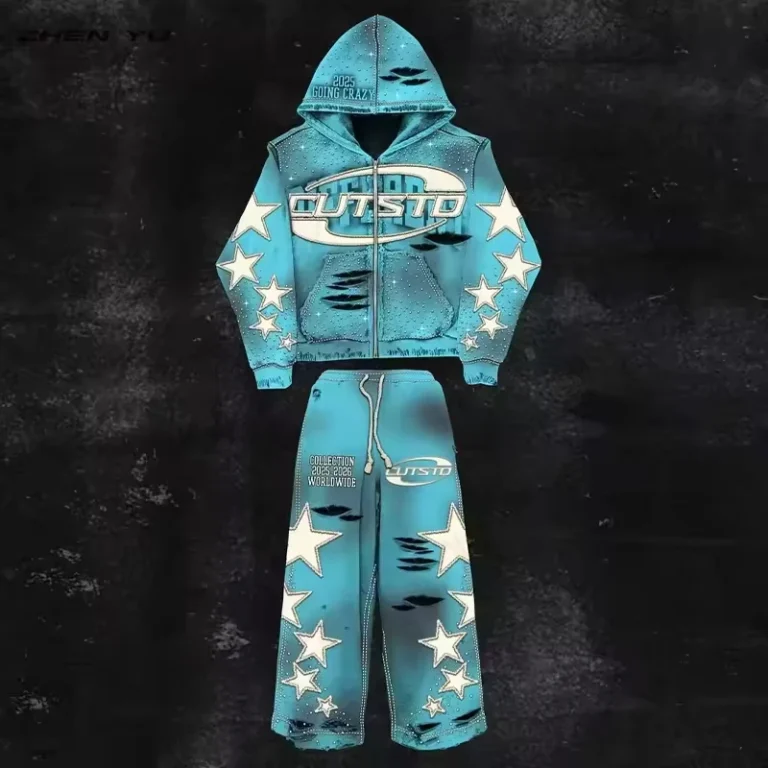
The chroma of a hoodie is a defining element of its visual identity. Suppliers offer a range of customization options, from standard color cards to precise Pantone matching for brand consistency . The garment-dyeing process, where the finished garment is immersed in a dye bath, allows color to penetrate every fiber, including seams and ribs, resulting in a nuanced, vintage-like aesthetic .
The Silhouette Spectrum: From Cropped to Oversized
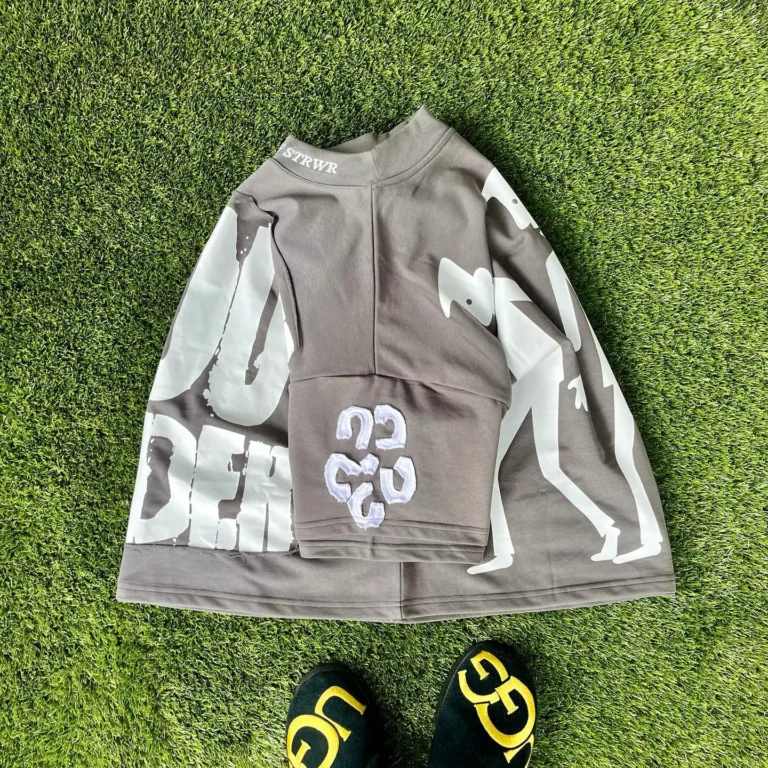
Contemporary streetwear has expanded the vocabulary of the hoodie silhouette. Brands can now choose from a variety of fit profiles, including boxy, oversized, cropped, or classic relaxed fits . This ability to control the garment’s architecture is essential for aligning the product with the brand’s target audience and market positioning.
The Art of Application: Decoration and Branding
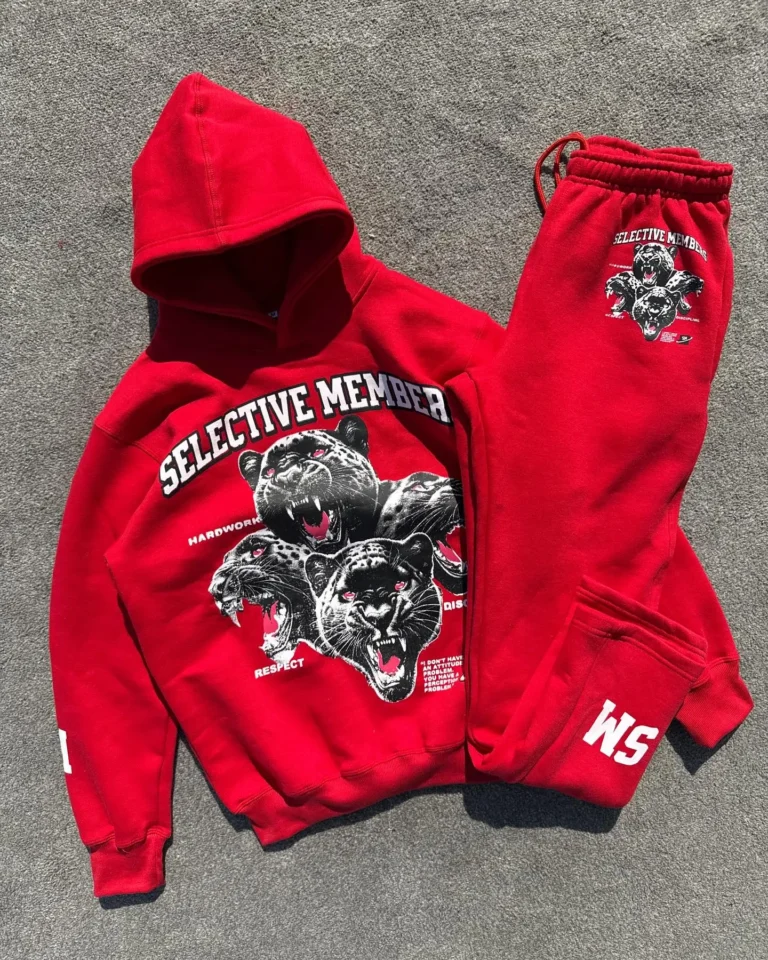
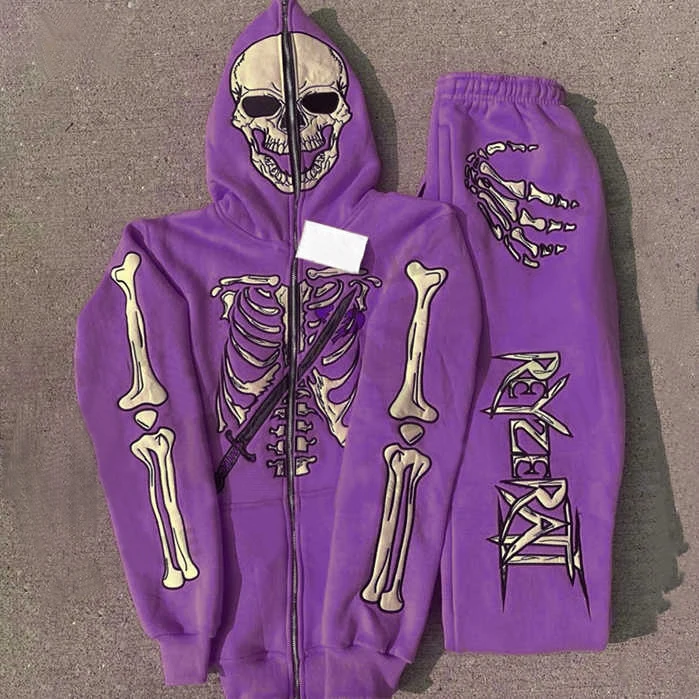
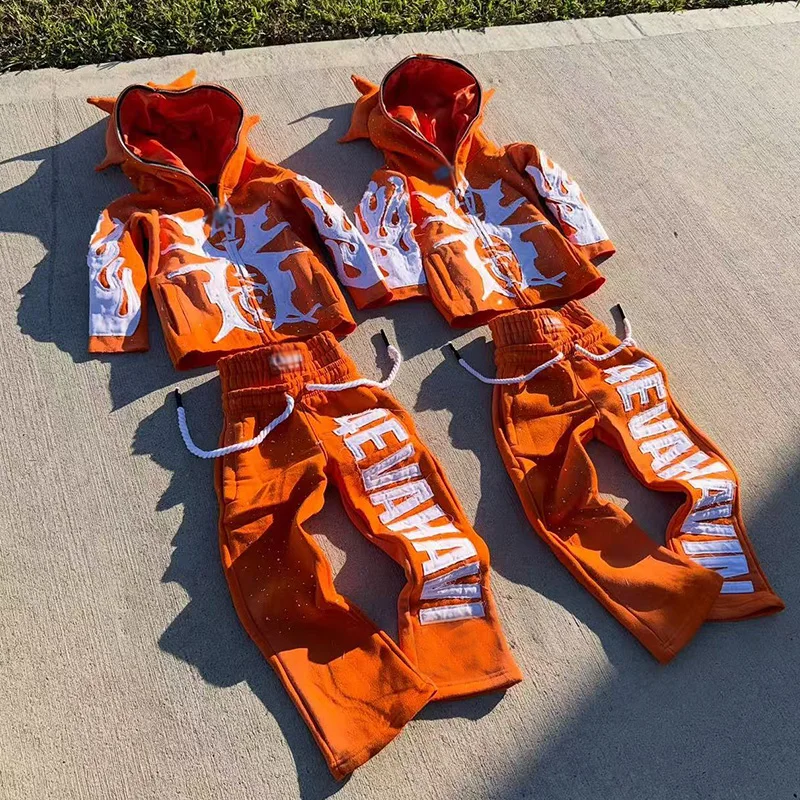
The application of a brand’s logo or design is the defining moment of customization. Suppliers offer a panoply of application methods, each with distinct aesthetic and functional properties. Screen printing is favored for its durability and vibrancy on solid-color graphics . Direct-to-Garment (DTG) printing allows for intricate, photorealistic designs with a soft hand-feel . Embroidery, whether standard or 3D, imparts a tactile, premium quality and is a hallmark of high-end streetwear .
Beyond the Print: Custom Labels and Packaging
Branding extends beyond the garment’s surface to the labels and packaging. A comprehensive supplier will offer private-label services, including custom neck labels, size labels, care labels, and hang tags . Even the packaging—from poly bags to custom boxes—contributes to the unboxing experience and reinforces brand perception.
Quality Control: The Assurance of Consistency
Maintaining consistency across a small-batch run is a formidable challenge. Reputable suppliers implement rigorous in-line and final quality control checks that measure stitching integrity, print adhesion, color fastness, and overall fit . This process often involves a multi-point checklist on every piece, ensuring that the quality observed in the sample is replicated across the entire order. Some facilities engage third-party inspection agencies to provide an additional layer of impartial quality assurance .
Production Timelines: Managing Expectations
The made-to-order model inherently entails a waiting period, a necessary compromise for personalization. Standard lead times for bulk production typically range from 18 to 35 days following sample approval . This timeline can fluctuate based on the complexity of the design, the manufacturer’s existing capacity, and the availability of materials. For clients requiring expedited delivery, some manufacturers offer a rush service for a premium .
Global Logistics: Navigating Shipping and Compliance
The physical movement of goods from the factory to the end consumer is a complex logistical undertaking. Suppliers experienced in international shipping coordinate with freight forwarders and manage export documentation, including commercial invoices, packing lists, and certificates of origin . Reliable shipping partners like DHL and FedEx facilitate rapid delivery, with express options reaching major markets like the USA in 3-4 days .
The Economics of Customization: Pricing Structures
The cost of a custom hoodie is determined by a confluence of factors: the quality of the fabric, the complexity of the decoration, the type of hardware, and the order volume. As order quantities increase, the per-unit cost decreases, reflecting economies of scale . Understanding this cost structure is essential for brands to manage their margins and price their products competitively.
Sustainability: The Green Imperative
The apparel industry faces increasing scrutiny regarding its environmental impact. Forward-thinking suppliers are adopting sustainable practices, such as using water-based and discharge inks, sourcing organic cotton, and implementing water-saving technologies . Certifications like OEKO-TEX, GOTS, and BSCI provide assurance of a manufacturer’s commitment to ethical and environmental standards .
Risk Mitigation: Protecting the Brand
In the landscape of global sourcing, due diligence is paramount. A comprehensive evaluation of a potential supplier should extend beyond pricing. Assessing a manufacturer’s response time, communication protocols, and client reorder rate provides critical insights into their reliability and professionalism . A high client retention rate is a powerful indicator of satisfaction and trust.
Conclusion: Forging an Agile Partnership
The selection of a made-to-order hoodies supplier for small-batch runs is a strategic decision that fundamentally shapes a brand’s potential. It is a partnership that demands more than transactional efficiency; it requires a collaborator that possesses the technical acumen, infrastructural capacity, and flexibility to support a brand’s growth trajectory. By prioritizing low MOQs, rigorous quality control, and transparent communication, a brand can navigate the complexities of production and bring its distinctive vision to the market with confidence. The small-batch hoodie is not merely a garment; it is a declaration of intent—a tangible artifact of creativity, agility, and independent spirit.