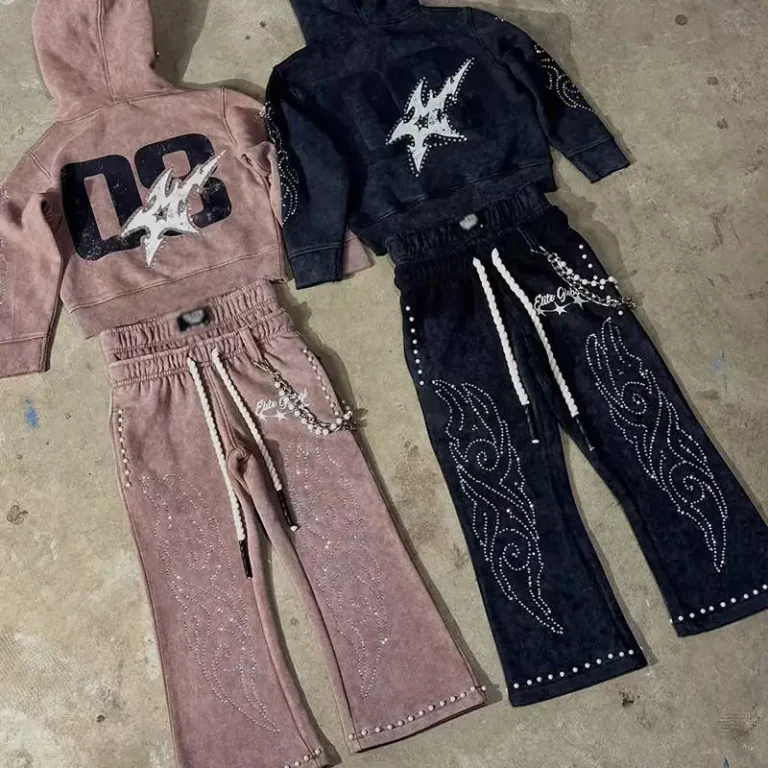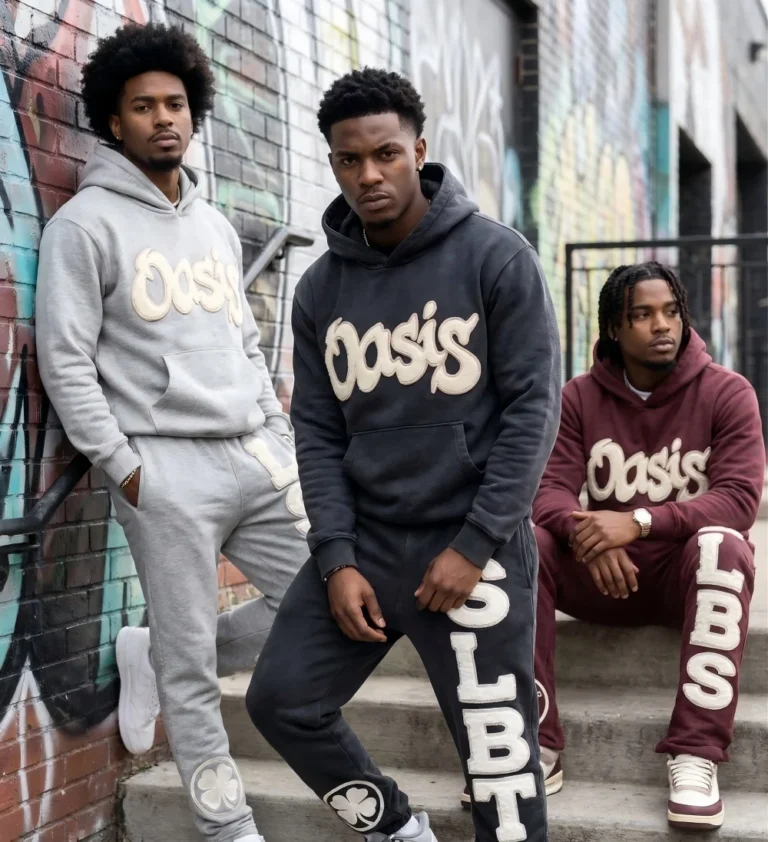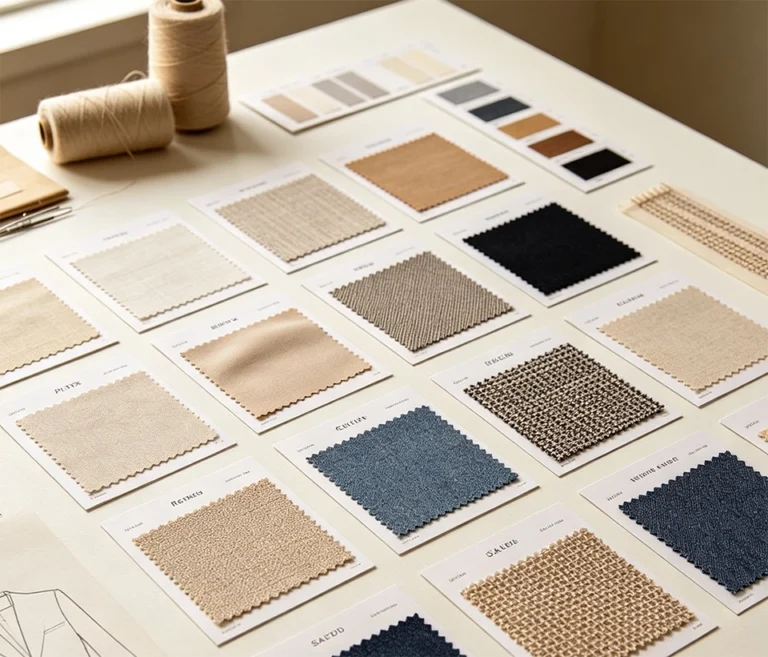
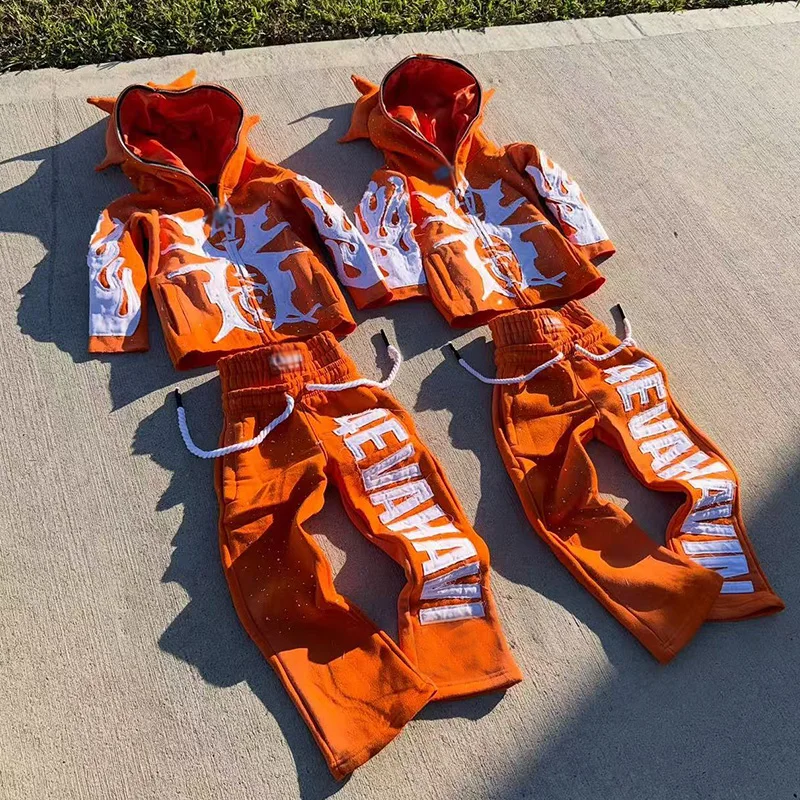
The question of what to charge for a custom hoodie is answered not by looking outward at competitors, but by looking inward at one’s own cost structure. A price built on competitor benchmarks rather than a true cost base is a recipe for margins that appear healthy on paper but evaporate in practice . The following framework delineates the essential components of a defensible pricing strategy.
The Foundation: Know Your True Cost Per Unit
Before a price can be set, the cost of producing a single hoodie must be calculated with precision. This figure—the Cost of Goods Sold—is the bedrock upon which all pricing decisions rest. It encompasses the blank garment, the decoration, and the labor required to bring the product to a sellable state.
The Blank Garment as Primary Cost Driver
The blank hoodie is the single largest component of production cost, accounting for 40 to 60 percent of the total . The variance in blank costs is substantial. A basic cotton-poly blend hoodie may begin at approximately $15, while a heavyweight fleece or a branded style from Champion or Adidas can command $35 or more before any decoration is applied . For print-on-demand sellers using platforms like Printify, actual catalog prices illustrate the spread: an entry-level Gildan pullover costs $21.58, a mid-range Lane Seven zip hoodie costs $29.89, a garment-dyed Comfort Colors hoodie costs $37.28, and an Adidas fleece hoodie reaches $51.06 . The garment choice is the decision that most profoundly shapes the cost structure; everything else adjusts around it .
Decoration Costs by Method
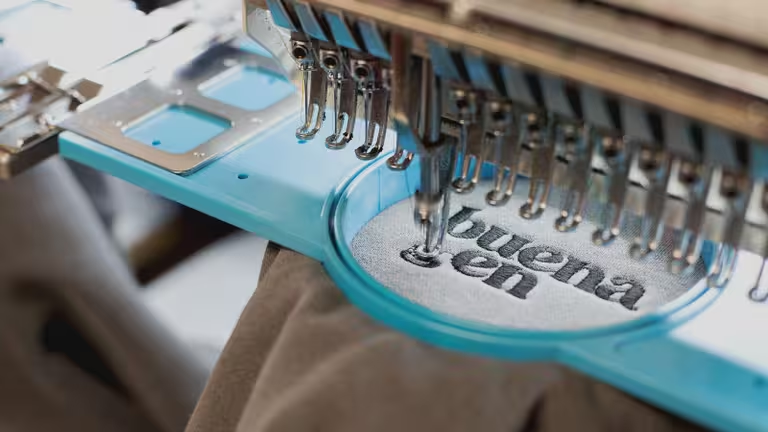
The method of applying a design introduces its own cost layer. Screen printing adds approximately $0.50 to $3 per design at volume, but this requires amortizing setup fees of $50 to $150 per color . Embroidery, which imparts a premium, textured finish, adds $3 to $10 per hoodie depending on stitch count and thread colors . Direct-to-Garment (DTG) printing adds $8 to $15 per piece with no setup fee, making it suitable for small orders and detailed artwork . Direct-to-Film (DTF) transfers add $6 to $12 per hoodie and work across a broader range of fabric compositions . All-over sublimation, which bonds the design into the fabric itself, adds $10 to $20 per unit but requires a polyester or poly-blend substrate .
Labor and the Geography of Production
The location of manufacturing exerts a significant influence on the labor component. Factories in Asia—including China, Vietnam, and Bangladesh—charge between $1 and $8 in labor per hoodie for cutting, sewing, and finishing. Turkey and Eastern Europe range from $5 to $10, while the United States and Western Europe can exceed $10 to $20 per unit . This differential reflects not merely wage scales but the depth of skill and the efficiency of the production line.
The Quantity Effect on Unit Cost
The relationship between order quantity and per-unit cost is the most powerful lever in hoodie economics. Fixed setup costs—pattern making, sampling, screen preparation, and quality control protocols—are amortized across the production run. At low volumes, each garment absorbs a disproportionate share of these expenses. The following table illustrates the pricing ladder for a heavyweight cotton hoodie :
| Order Quantity | Estimated Cost Per Hoodie | Price Premium vs. 500 Units |
|---|---|---|
| 50 pieces | $20 – $30 | +57% |
| 100 pieces | $16 – $22 | +29% |
| 300 pieces | $15 – $22 | +7% |
| 500 pieces | $12 – $16 | Baseline |
| 1,000 pieces | $10 – $14 | -14% |
| 3,000 pieces | $10.50 | -25% |
A 50-piece order can carry a unit cost nearly 60 percent higher than a 500-piece run of the identical garment. This premium is not a function of the garment itself but of the setup costs that cannot be divided below a certain threshold .
The Markup Framework: From Cost to Price
With the true cost established, the pricing strategy can be constructed. The industry standard for small apparel businesses employs a tiered markup approach.
The Two-Tier Multiplier
A widely adopted framework applies a multiplier to the calculated cost. For wholesale pricing—orders destined for schools, teams, or corporate accounts—the formula is Cost × 2. For retail pricing—one-off sales, Etsy shops, or boutique buyers—the formula is Wholesale Price × 2, effectively a 4× multiplier on the original cost . This approach ensures that the business remains sustainable even as material or utility costs shift.
The Three-Tier Offering Model
To accommodate a range of customer budgets without commoditizing the product, a tiered offering is recommended. This model, often described as “Good, Better, Best,” simplifies decision-making for customers and sets expectations .
- Good (Budget Tier): Budget-friendly basics such as Gildan or Port & Company. These are suited for giveaways or community organizations where cost is the primary concern. A basic custom hoodie in this tier might retail for $30 to $35 .
- Better (Mid-Tier): Mid-range, fashion-forward blanks such as District or Tultex. These offer a softer feel and better fit, making them ideal for schools, events, or corporate swag where recipients will actually wear the garment again. Retail pricing for this tier typically ranges from $40 to $45 .
- Best (Premium Tier): Premium options such as Bella+Canvas, Next Level, or Comfort Colors. These are suited for retail brand launches or anyone seeking to elevate their apparel game. Retail pricing here can range from $50 to $60 or more .
The Real-World Pricing Spectrum
The appropriate charge for a custom hoodie ultimately depends on its production method, quality, and market positioning.
Print-on-Demand: The Single-Piece Economy
For a single custom hoodie with a basic one-color print, the total production cost typically falls between $25 and $40, inclusive of the blank garment, decoration, and standard packaging. This translates to a retail price in the range of $40 to $55 for a reasonable margin . Premium fabrics with full-color or all-over prints push production costs to $45 to $70, supporting retail prices of $65 to $90 or higher . Print-on-demand platforms like Printify bundle material, printing, and fulfillment into a single base price of roughly $20 to $45 with no upfront spend, allowing sellers to set prices with a clear view of their margin before committing .
Bulk Manufacturing: The Scale Economy
At production volumes of 100 units or more, the per-unit cost for a mid-weight hoodie with basic decoration drops to $16 to $30 . A premium heavyweight hoodie of 400 GSM fleece with both printing and embroidery might land in the $25 to $35 range at this scale . The retail price for such garments in a brand context can range from $55 to $85, reflecting the perceived quality and the value of the design.
The Designer Premium
Designer clothes typically command higher prices due to premium materials, complex designs, and craftsmanship, but a significant portion of the markup reflects branding and exclusivity rather than pure production cost. A standard custom hoodie might cost around $20 to make and sell for $50 to $70, while a designer piece costing $40 to produce could retail for $200 or more . For sellers, the lesson is that the price captures not merely the physical garment but the narrative and identity it carries.
A Final Consideration: The Cost of Delay
A pricing model built on a static cost table is vulnerable to input price fluctuations. Cotton prices are forecast to rise through 2026 and 2027, with the USDA projecting world cotton prices to rebound to 90 cents per pound in the 2026/27 season, up from around 80 cents in the previous two seasons . Any cost table is a snapshot rather than a fixture, and the pricing strategy should be reviewed regularly to ensure it continues to clear the true cost base .
The charge for a custom hoodie is, ultimately, a reflection of the value it delivers. By grounding the price in a meticulous understanding of cost, applying a disciplined markup framework, and offering tiered options that serve different customer needs, the seller ensures that every transaction contributes to the sustainability of the enterprise—and to the integrity of the product.