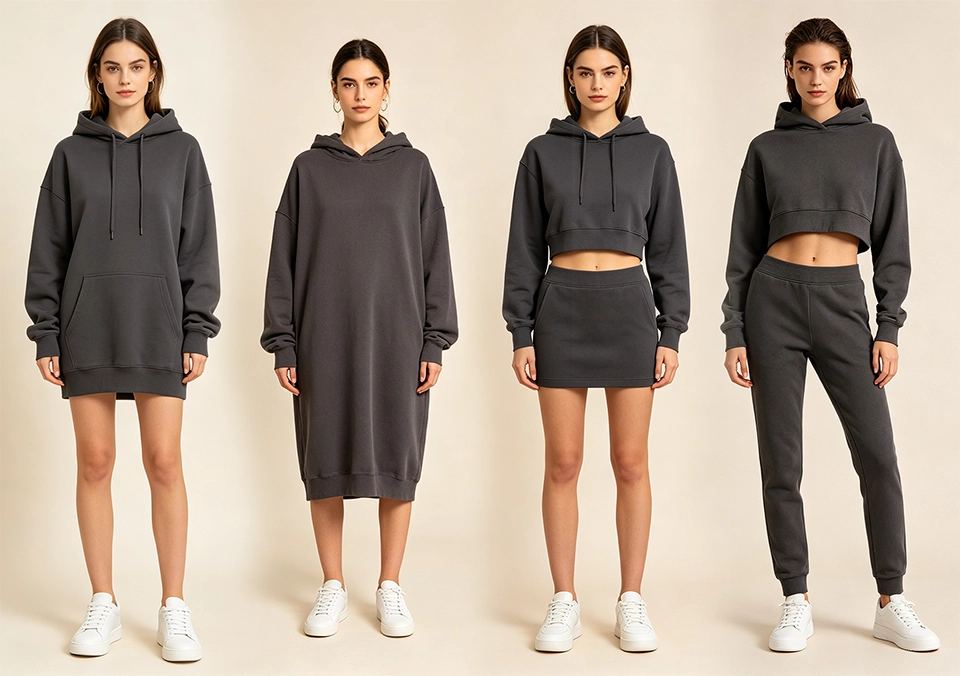
In the world of streetwear and contemporary fashion, fit is everything. While graphics, fabrics, and hardware often steal the spotlight, the length of a hoodie is arguably the most critical factor in defining its silhouette, proportion, and overall vibe. A single design translated across four different lengths can look like four completely different garments—and appeal to four entirely different customer psychographics.
Whether you are designing for skaters, minimalists, layering enthusiasts, or high-fashion avant-gardists, understanding the nuances of hoodie length is non-negotiable. Here is your definitive guide to the four essential hoodie lengths: Regular, Long, Short, and Crop.
1. Regular Length (The Goldilocks Standard)
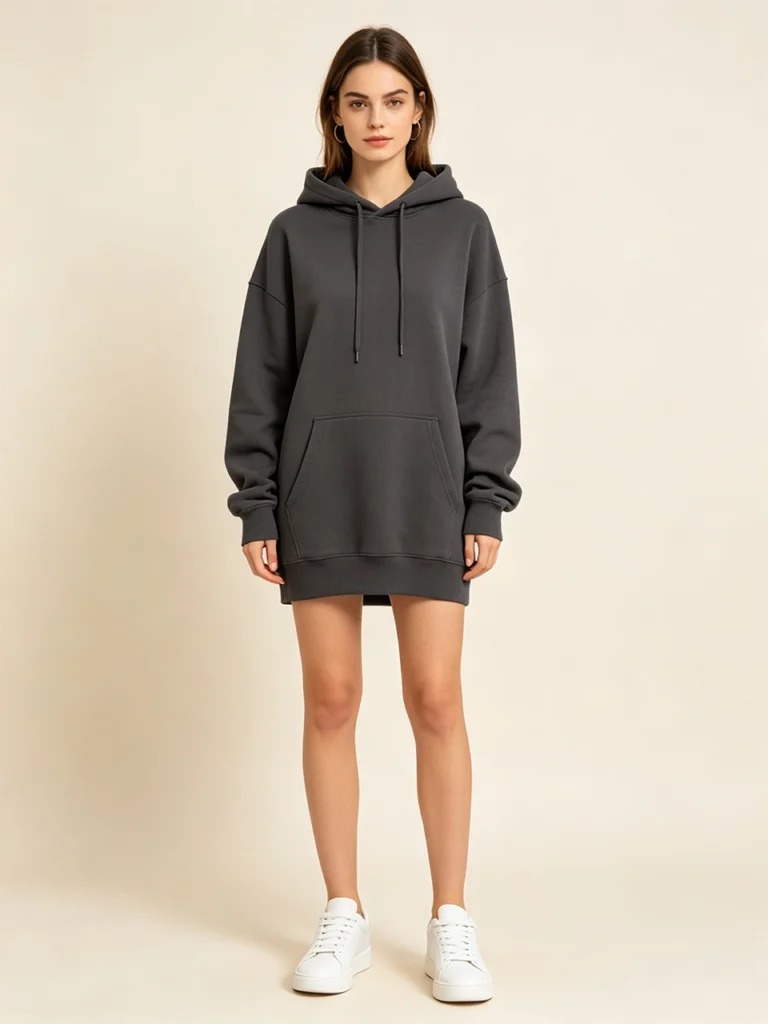
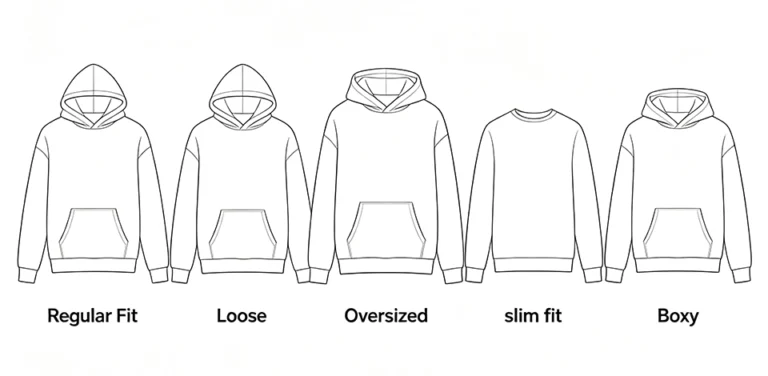
The Regular length hoodie is the benchmark of the industry. It sits comfortably at the midpoint of the zipper—typically falling right at the hip bone or just below the belt line of standard-waist pants. This is the “true to size” silhouette that dominates the mass market.
- The Fit: The hem usually aligns with the wearer’s fingertips when the arms are resting at the sides. It features a standard drop shoulder that doesn’t exaggerate the width.
- The Vibe: Accessible, versatile, and timeless.
- Best For: Everyday wear, core collections, and unisex sizing. It requires no stylistic “second-guessing” from the consumer.
- Designer’s Note: While this is the “safe” option, do not let it become boring. The magic of a regular-length hoodie lies in its proportions—specifically, the relationship between the body length and the sleeve length. Ensure the ribbed hem is snug enough to sit flat against the hips but not so tight that it rides up during movement. This is your bread-and-butter piece; invest in the highest quality fleece here.
2. Long Length (The Extended Silhouette)
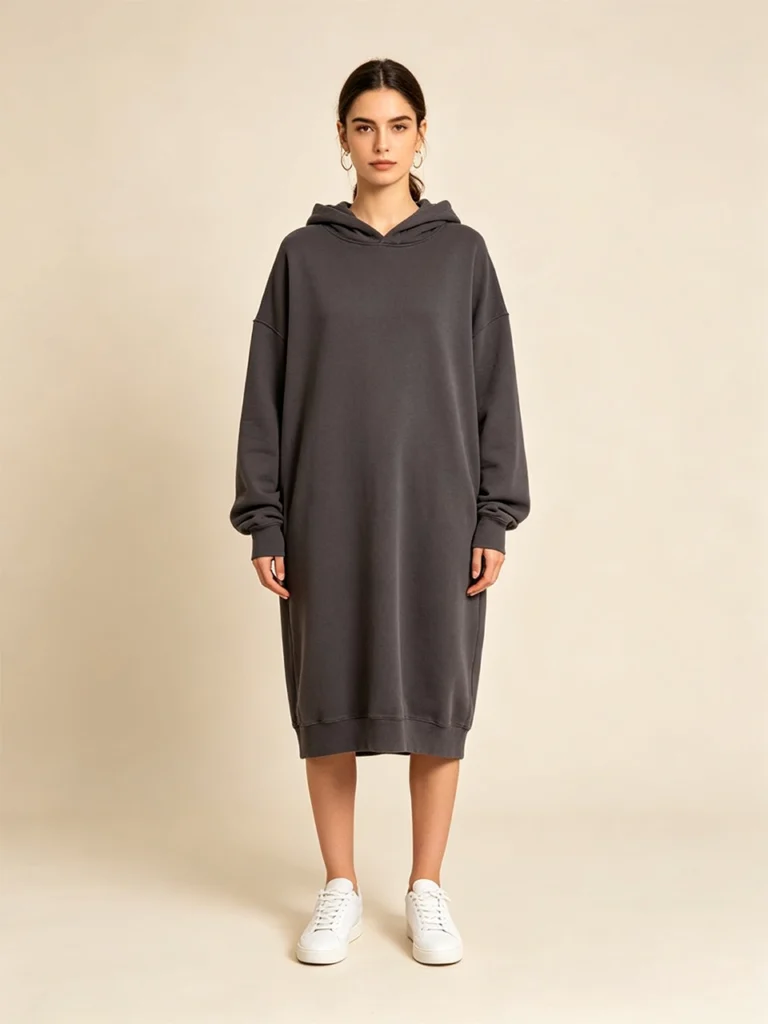
The Long hoodie, often referred to as the “extra-long” or “extended” fit, pushes the hem well past the hips, often falling to mid-thigh or even knee-length on shorter frames. This is not just a larger size; it is a deliberate shift in proportion that prioritizes drape and fluidity.
- The Fit: The hem will typically sit 6 to 10 inches below the crotch line. The sleeves remain proportionate to the body, or they may feature elongated cuffs for a “gorilla arm” effect.
- The Vibe: Relaxed, urban, and avant-garde.
- Best For: Layering over skinny jeans, biker shorts, or leggings. It functions almost as a hoodie-dress hybrid.
- Designer’s Note: When manufacturing an extended length, fabric weight becomes your primary concern. A lightweight fabric (10oz or less) will drape elegantly and cascade down the body, while an extra-heavy fabric (14oz+) might become too rigid and heavy, pulling the shoulders backward. Consider adding a slight A-line cut (wider at the bottom) to prevent the hoodie from looking like an overgrown tube. This length demands a strong side-seam construction to prevent twisting.
3. Short Length (The Boxed Crop)
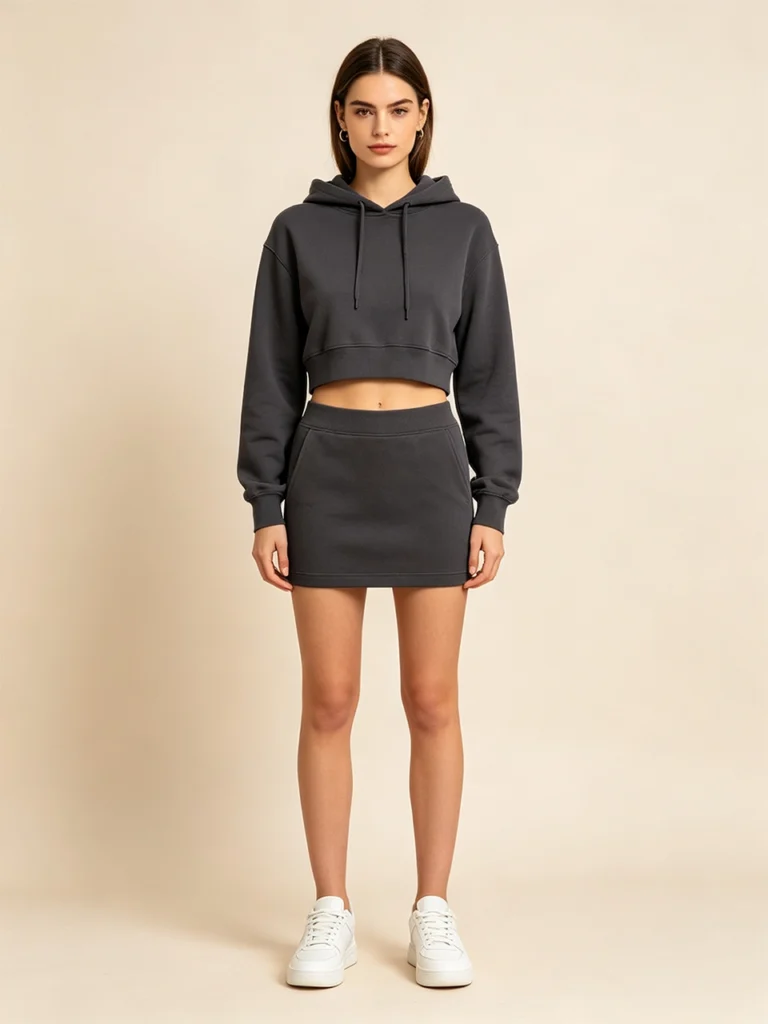
The Short hoodie—distinct from the “crop”—is a boxier, more structural take on abbreviated sizing. It typically hits right at the natural waist or just an inch or two above the belt line. Unlike the crop, the short hoodie maintains a wide, exaggerated chest and shoulders, creating a stark “box” shape.
- The Fit: The hem sits high, but the body is wide. This creates a silhouette where the torso looks like a perfect square, emphasizing the waistline of the pants.
- The Vibe: Sporty, 90s retro, and structured.
- Best For: High-waisted trousers, cargo pants, or basketball shorts. It is the preferred length for “oversized-but-cropped” trends that dominate skater and hip-hop aesthetics.
- Designer’s Note: The challenge with a short, boxy hoodie is the “belly gap”—the tendency for the hem to ride up and expose the midriff when the arms are raised. To counteract this, design a wider, heavier ribbed waistband that grips the torso. Alternatively, use a dropped back hem (longer in the back than the front) to provide coverage while maintaining the short aesthetic in the front. The sleeves on this style should be voluminous to balance the shortness of the body.
4. Crop Length (The High-Fashion Statement)
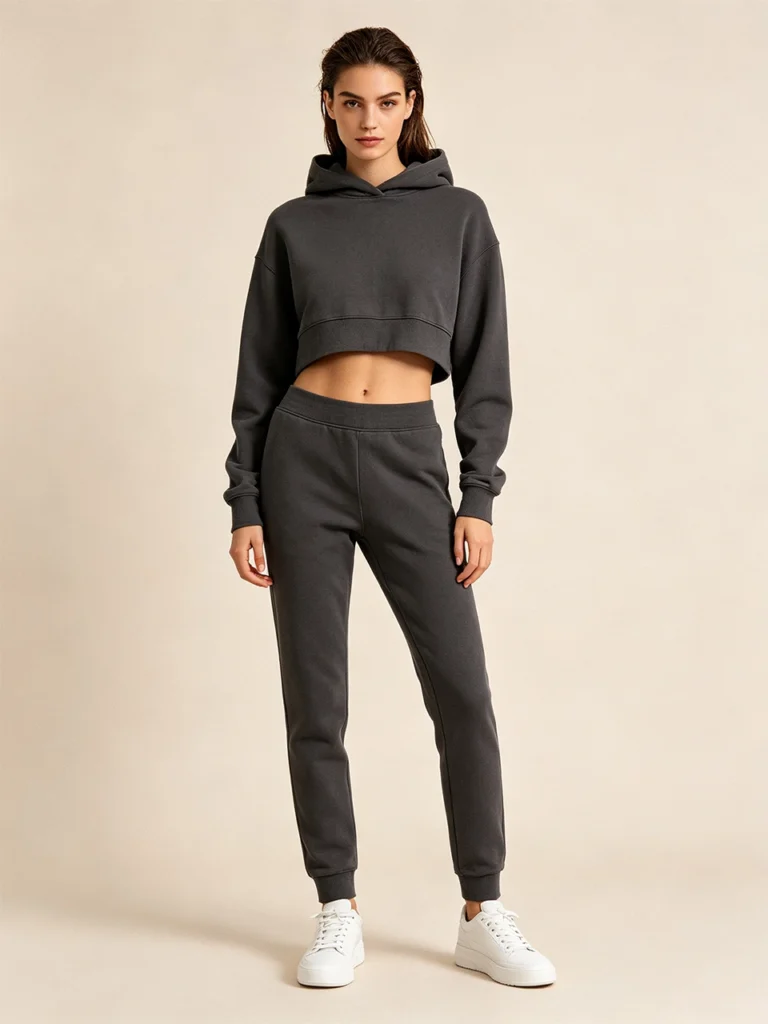
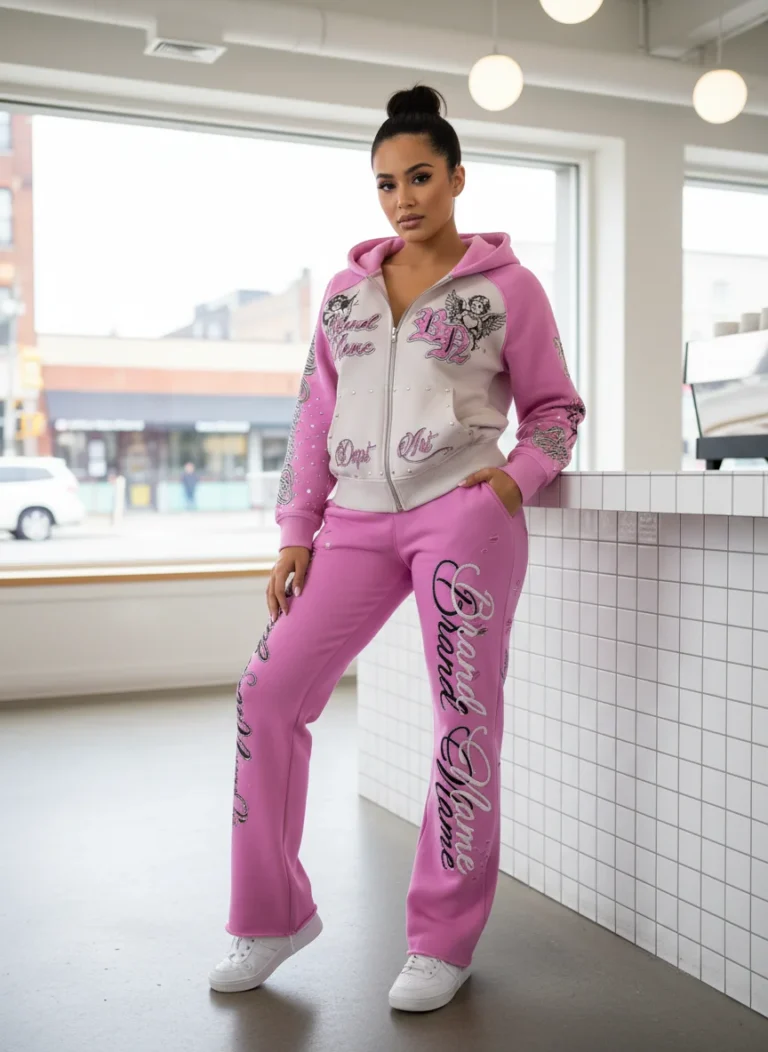
The Crop hoodie is the most extreme of the four. It sits significantly above the waist—typically ending between the natural ribcage and the belly button. This is a deliberately feminine (or gender-fluid) cut that exposes the midriff or the high waist of the pants.
- The Fit: Extremely truncated; often 6 to 10 inches shorter than the regular standard. The sleeves, however, are usually kept full-length or even oversized to balance the bareness of the torso.
- The Vibe: Edgy, provocative, and contemporary.
- Best For: Layering over mesh tops, turtlenecks, or worn solo with high-rise cargo pants. It is a staple for Y2K revival collections.
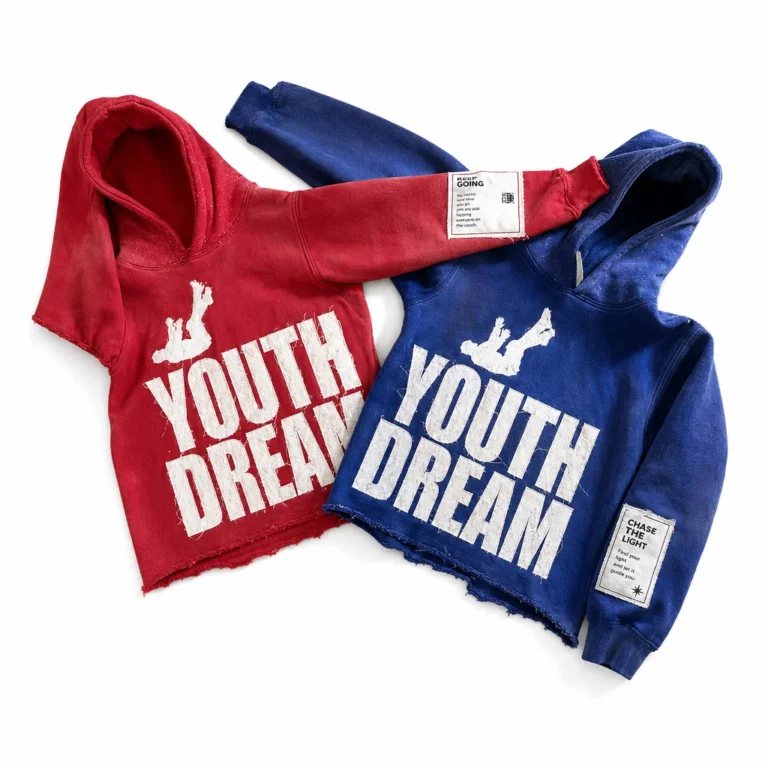
- Designer’s Note: When producing a crop, the finishing is everything. A raw, cut hem that naturally rolls provides a deconstructed, vintage feel. A thick, banded ribbing at the bottom creates a “puffed” look that holds its shape off the body. Crucially, you must adjust the armhole (armscye) cut. If you simply crop a standard hoodie, the armholes will become too tight and restrictive. You must re-engineer the pattern to ensure the crop sits comfortably without pulling upwards at the sides.
The Designer’s Decision: Which Length Is Right for Your Drop?
The beauty of custom hoodie design is that length is a powerful tool for storytelling. Here is how to align your choice with your brand identity:
- Go Regular if you are building a foundational collection aimed at maximum market penetration. It is the highest-volume seller for a reason.
- Go Long if your audience leans towards experimental, high-fashion silhouettes or if you are selling to a customer base that prioritizes comfort and coverage.
- Go Short if you are channeling 90s nostalgia and streetwear authenticity. It pairs perfectly with the wide-leg pants that are dominating the current cycle.
- Go Crop if you are targeting a younger, trend-driven demographic or looking to add a “hero piece” to your lookbook that generates visual impact on social media.
Pro Tip for Production: When ordering samples, always request that your factory sends you measurements for the Back Length and Front Length separately (as they often differ). Do not assume that increasing the length by 4 inches means the fit will scale perfectly. Work with a pattern maker to adjust the armholes, shoulder slope, and hem curvature proportionally for each length variation.
In a saturated market, fit is the final frontier of differentiation. Master these four lengths, and you will have a range that fits every body type, every style preference, and every season. Choose wisely, sample relentlessly, and wear your decisions with pride.