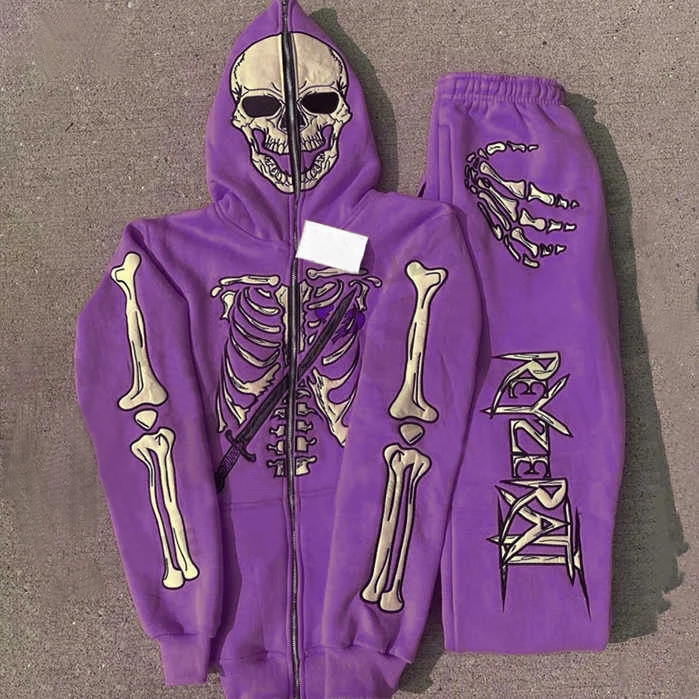

Introduction: The Quest for the Local Hoodie Artisan
The desire to commission custom hoodies is a pervasive one. Whether for a fledgling streetwear label, a corporate identity initiative, or a familial reunion, the impulse to emblazon a garment with bespoke insignia is nearly universal. Yet the question of where to source such garments—particularly when one wishes to engage a local producer—introduces a labyrinth of considerations. The search for a proximate artisan requires methodical inquiry, an understanding of production modalities, and a discerning eye for quality. This article serves as a cartography of that search.
Defining “Custom” in the Apparel Context
The Spectrum of Customization: From Logo Application to Cut-and-Sew
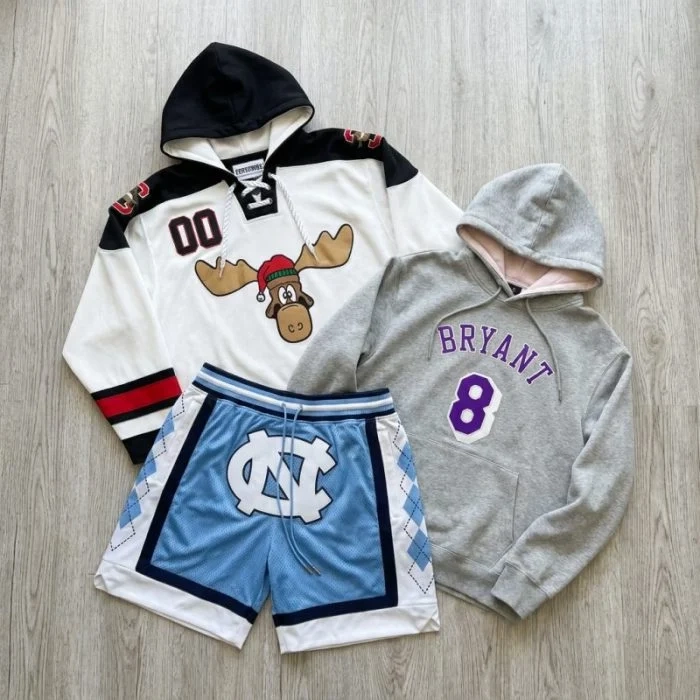
The term “custom” is deceptively capacious. At its most rudimentary, it denotes the application of a graphic or logo onto a pre-existing blank garment. At its most ambitious, it encompasses cut-and-sew production, wherein the silhouette, fabric, and construction are all designed from inception. The local provider one selects must align with the depth of customization desired. A screen printer may excel at the former; a cut-and-sew factory is requisite for the latter.
Distinguishing Custom from Personalization and Print-on-Demand
Customization should not be conflated with personalization or print-on-demand. Personalization typically involves the addition of a name or monogram to a stock item. Print-on-demand, conversely, is a decentralized model wherein garments are produced only after an order is placed, often through third-party fulfillment networks. Local custom production, by contrast, implies a direct relationship with a manufacturer or decorator in one’s geographic vicinity.
The Case for Local Production: Proximity as Value
Reduced Lead Times and Agile Fulfillment
One of the most conspicuous advantages of local production is temporal. Domestic lead times are measured in days or weeks, not months. For brands operating on tight timelines—a pop-up event, a seasonal drop, a last-minute corporate order—proximity is not merely convenient; it is determinative. Agile fulfillment becomes possible when the producer is a short drive away.
Direct Communication and Quality Oversight
Communication with an overseas factory is often mediated by time zones and language barriers. A local producer, by contrast, permits direct dialogue. Samples can be inspected in person. Quality concerns can be addressed face-to-face. This immediacy reduces the probability of miscommunication and fosters a collaborative relationship.
Community Economic Impact
The decision to produce locally carries an ethical dimension. Expenditure with local businesses circulates within the community, supporting employment and municipal vitality. For brands that trumpet their commitment to sustainability and social responsibility, local production is a coherent extension of that ethos.
Identifying Local Providers: Methods of Discovery
Digital Cartography: Search Engines and Mapping Applications
The most expedient point of departure is the search engine. Queries such as “custom hoodies near me” or “screen printing [city name]” yield a panoply of results. Mapping applications, with their user-generated reviews and photographs, provide additional intelligence. A preponderance of positive reviews and images of finished garments can serve as preliminary validation.
The Enduring Utility of Directories and Local Listings
Digital directories remain a useful resource. Platforms such as Yahoo Local and Loc8NearMe aggregate business information, including hours of operation, contact details, and customer feedback. These listings often surface smaller, owner-operated establishments that might otherwise evade algorithmic detection.
Referral Networks and Word-of-Mouth Intelligence
The most trustworthy recommendations often emerge from one’s social or professional network. A colleague who has commissioned custom apparel, a friend who operates a small business, a neighbor involved in youth sports—these individuals possess experiential knowledge that no algorithm can replicate. Their endorsements carry the weight of lived experience.
Categories of Local Hoodie Suppliers
Independent Screen Printing and Embroidery Shops
The most ubiquitous local providers are independent screen printing and embroidery shops. These establishments typically offer a menu of decoration methods—screen printing, embroidery, heat transfer vinyl—applied to blank garments sourced from wholesale distributors. Their minimum order quantities vary widely, from single-piece orders to dozens.
Boutique Apparel Decorators and Print Studios
A subset of local providers positions itself as boutique decorators, offering a more curated experience. These studios may specialize in niche techniques—discharge printing, puff printing, water-based inks—or cater to particular aesthetic communities. They often work with smaller clientele and emphasize craftsmanship over volume.
Full-Service Cut-and-Sew Manufacturers
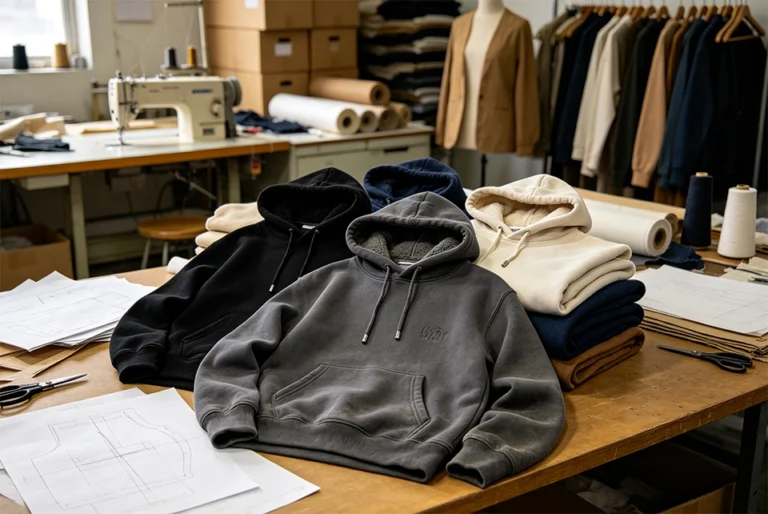
At the apex of local production are cut-and-sew manufacturers. These facilities possess the capacity to produce garments from scratch, sourcing fabric, cutting patterns, sewing seams, and applying finishing touches. They are the appropriate partner for brands seeking original silhouettes and proprietary fits. Such manufacturers are rarer than decorators, but they exist in most metropolitan regions.
The Evaluation Framework: Vetting a Local Partner
Minimum Order Quantities and Flexibility
Minimum order quantities are a critical variable. Some local shops impose no MOQ, accommodating single-piece requests. Others require orders of thirty-six pieces or more. The prospective client must ascertain whether the provider’s MOQ aligns with their intended scale. A startup testing a design may prefer a low-MOQ provider; an established brand may leverage volume for pricing advantages.
Sampling and Mockup Protocols
Before committing to a production run, a prudent client requests a sample or mockup. Reputable providers offer digital mockups within twenty-four hours and physical samples within a week or two. The sample serves as the definitive specification against which bulk production is measured.
Turnaround Timelines and Capacity Constraints
Turnaround time is a function of both the provider’s capacity and the complexity of the order. A simple screen-printed hoodie may be completed in a matter of days. A cut-and-sew garment with custom dyeing and finishing may require weeks. Understanding the provider’s production calendar—and any seasonal bottlenecks—is essential for planning.
Technical Considerations: Fabrics, Weights, and Decoration Methods
Fleece and French Terry: The Substrate Question
The foundation of any custom hoodie is the fabric. Fleece, with its brushed interior, offers warmth and softness. French terry, with its looped back, is lighter and more breathable. The weight of the fabric, measured in grams per square meter (GSM), ranges from a lightweight 250 GSM to a substantial 500 GSM. The intended use—streetwear, athletic wear, promotional—dictates the appropriate substrate.
Screen Printing, Embroidery, and DTG: Matching Method to Intent
The decoration method must be consonant with the design and the fabric. Screen printing is economical for bold graphics in limited colors. Embroidery confers a premium, tactile quality suited to logos and text. Direct-to-garment (DTG) printing accommodates complex, multicolored images but may lack the durability of screen printing.
Specialty Finishes and Embellishments
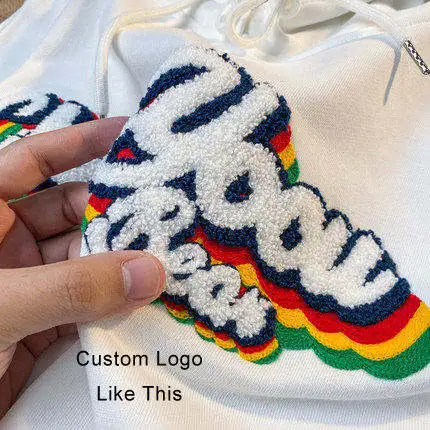
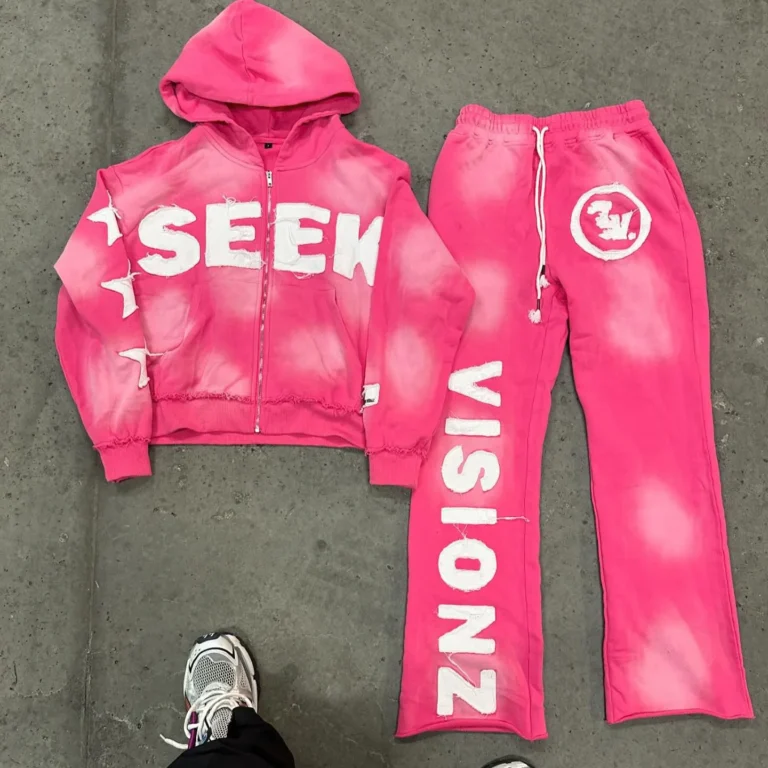
Beyond the basics, some providers offer specialty finishes: puff printing, which raises the ink from the fabric surface; discharge printing, which bleaches the fabric’s dye rather than adding a layer of ink; and embellishments such as rhinestones, patches, and appliqué. These techniques can elevate a garment from ordinary to distinctive.
Pricing Dynamics: Local Versus Offshore Production
The Hidden Costs of Offshoring
Offshore production, particularly from Chinese manufacturers, often presents a lower unit price. However, this apparent savings must be weighed against hidden costs: extended lead times, shipping expenses, customs duties, and the risk of quality discrepancies that are difficult to rectify from a distance.
When Local Premiums Are Justified
Local production typically commands a premium. This premium is justified when time sensitivity, quality assurance, or brand ethos are paramount. For a small business ordering fifty hoodies for a launch event, the ability to inspect samples in person and receive the order within a week may outweigh the per-unit savings of an overseas order.
Negotiation and Volume Leverage
Local providers are not immune to negotiation. Volume discounts, repeat-order arrangements, and package deals (combining hoodies with other apparel) can all be leveraged to improve pricing. The relationship, once established, often yields more favorable terms over time.
The Hybrid Approach: Supplementing Local Capabilities
When to Look Beyond the Immediate Vicinity
Not every customization need can be met locally. A design requiring specialized techniques—all-over sublimation, complex cut-and-sew construction—may exceed the capabilities of neighborhood shops. In such cases, expanding the search radius to regional or national providers is warranted.
Domestic Manufacturers with National Reach
A number of manufacturers operate domestically while serving clients nationwide. These entities offer the advantages of domestic production—shorter lead times, clear communication—without the geographic constraints of a strictly local search. They are a pragmatic middle ground.
The Role of Online Marketplaces
Online marketplaces such as Alibaba and Made-in-China aggregate suppliers, many of whom specialize in low-MOQ production for small businesses. While these platforms are international in scope, they can be filtered to identify domestic or regional manufacturers. They are a resource of last resort for the local searcher, but a resource nonetheless.
Conclusion: The Local Hoodie as a Nexus of Craft and Commerce
The search for a local custom hoodie provider is an exercise in due diligence. It requires an understanding of one’s own needs—the depth of customization, the scale of production, the timeline—and an ability to assess the capabilities of prospective partners. The local provider offers advantages that offshore production cannot replicate: proximity, accountability, and the possibility of genuine collaboration. In an era of globalized supply chains, the local hoodie artisan represents a return to craft, to community, and to the tangible satisfaction of a garment made near home.