Introduction: The Ascendancy of the Custom Hoodie
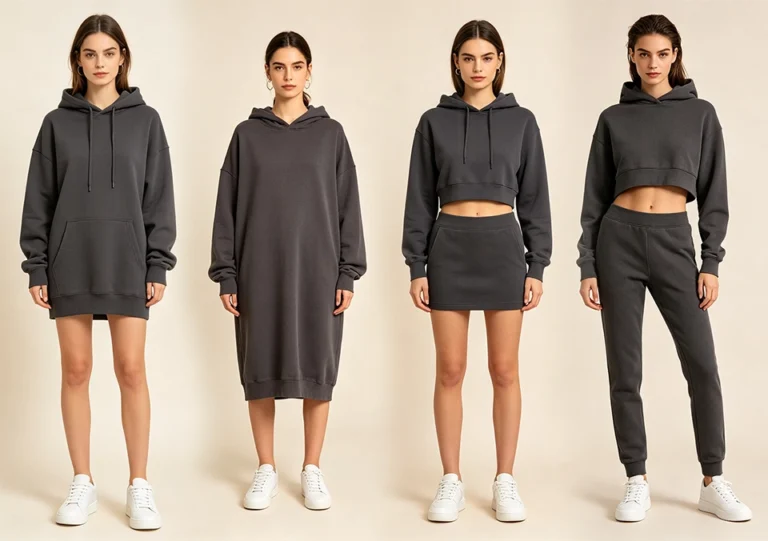
The hoodie, once relegated to the fringes of utilitarian workwear, has ascended to become a dominant force in contemporary fashion. It is a garment of profound versatility, offering comfort without sacrificing stylistic relevance. However, in an age of algorithmic homogenization, the off-the-rack hoodie often fails to capture the wearer’s distinct identity. The burgeoning sector of made-to-order hoodies in the United States addresses this deficit, offering consumers and brands alike an opportunity to forge garments that are resolutely individual. This comprehensive guide delineates the diverse avenues for acquiring custom hoodies online, from artisanal hand-painting to sophisticated AI-driven design.
Defining the “Made to Order” Paradigm in American E-Commerce
The phrase “made to order” denotes a production model where goods are manufactured only upon the receipt of a customer’s order, eschewing the speculative risks of mass inventory. This approach is philosophically and commercially distinct from mass production, prioritizing personalization over ubiquity. In the American context, this model has gained significant traction, allowing for a reduction in waste and an enhancement of product value. It is the antithesis of the generic, serving a market that increasingly demands authenticity and uniqueness.
The B2C Landscape: Direct-to-Consumer Customization Platforms
For the individual consumer, a plethora of online platforms facilitate the creation of custom hoodies with remarkable ease. These digital storefronts, such as GraphikTees and FabbyStitch, operate on a print-on-demand basis, offering a curated selection of base garments and a comprehensive suite of customization options. The user interface typically allows for the upload of personal designs, the selection of fonts, and the adjustment of placement, democratizing the design process. The consumer is transformed from a passive purchaser into an active creator.
The B2B Frontier: Private Label and Contract Manufacturing
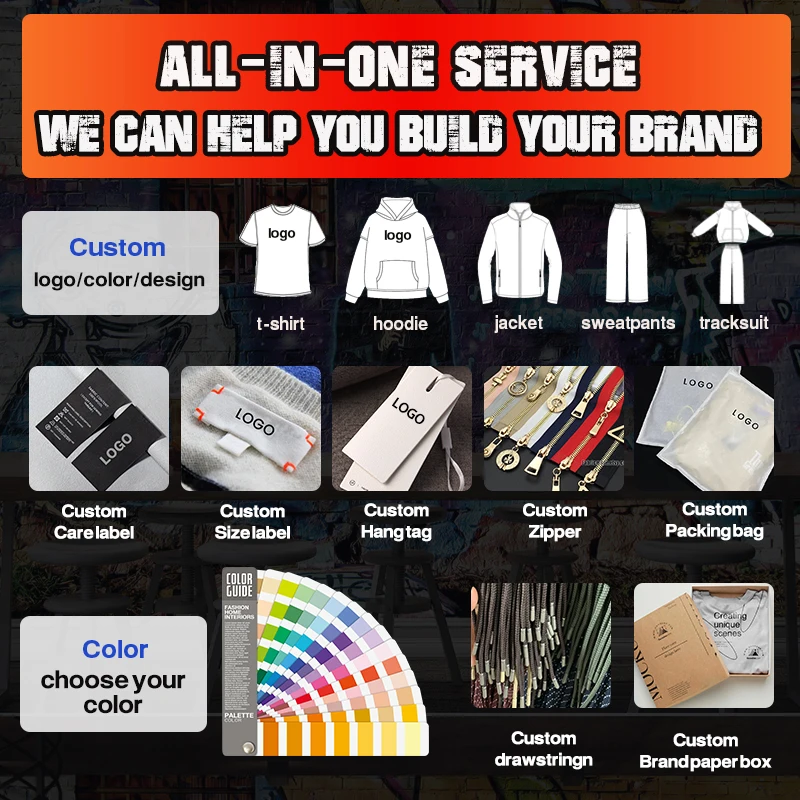
For entrepreneurs and apparel brands seeking to establish a distinct market presence, the B2B sector offers a more substantive form of customization. Manufacturers such as Argus Apparel, based in California, and Cord Apparel, operating from Missouri, provide private-label and contract manufacturing services. These partnerships facilitate the creation of custom hoodies from the ground up, encompassing fabric sourcing, pattern engineering, and finishing. This is the path to a proprietary garment, not merely a decorated one.
The Artisanal Touch: Hand-Painted and Bespoke Offerings
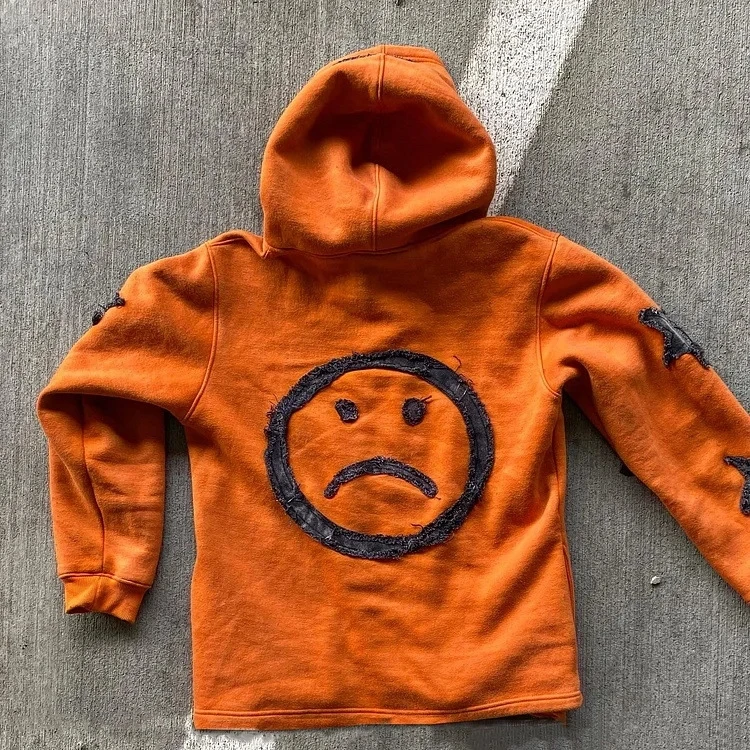
At the apex of the customization hierarchy lies the hand-painted garment, an artifact of genuine craftsmanship. Artisans like those at Artnany offer services where a base hoodie is transformed through the application of professional textile paints and sealers. This process involves a collaborative design approval phase, ensuring the final product aligns with the client’s vision. The result is a one-of-a-kind wearable artwork, distinct from the mechanically reproduced.
The Technological Vanguard: AI-Generated Design and Print-on-Demand
The integration of artificial intelligence into the customization workflow represents a paradigm shift. Amazon has recently introduced a feature that allows users to generate custom merchandise designs using text prompts through its Alexa for Shopping function. This AI-powered tool can create imagery based on concepts, from pet portraits to abstract graphics, which are then rendered on hoodies via the company’s Merch on Demand service. This technology dramatically lowers the barrier to entry for those lacking traditional design skills.
Understanding the Production Timeline: From Order to Delivery
The made-to-order model inherently entails a waiting period, a necessary compromise for personalization. Standard turnaround times vary significantly depending on the complexity of the order. For printed garments, the production phase typically spans 2 to 4 business days, with domestic shipping adding an additional 2 to 4 days. Artisanal hand-painted pieces often require a longer lead time, with artists estimating approximately 7 days for completion before shipping. Patience is a prerequisite for the bespoke.
The Substrate: Selecting Base Garments and Fabrics
The quality of the final product is inextricably linked to the quality of the base garment. Service providers typically source their hoodies from established suppliers, emphasizing fabric composition and weight. A common specification is a 50% cotton, 50% polyester blend with an 8.0 oz/yd² mid-weight fabric, offering a balance of comfort and durability. However, for more premium applications, a 100% cotton heavyweight fleece is preferred for its superior dye absorption and structural integrity.
The Garment-Dyed Advantage: Color That Permeates the Fiber
A significant distinction in hoodie production is between piece-dyeing and garment-dyeing. Garment-dyeing, where the finished hoodie is immersed in a dye bath, allows color to penetrate every fiber simultaneously—including seams, ribs, and cuffs. This results in a dimensional, nuanced color that possesses depth and character, developing a desirable vintage patina over time. The seams absorb slightly differently than the flat panels, creating a tactile richness unattainable through piece-dyeing.
Methods of Application: Screen Printing, Direct-to-Garment, and Embroidery
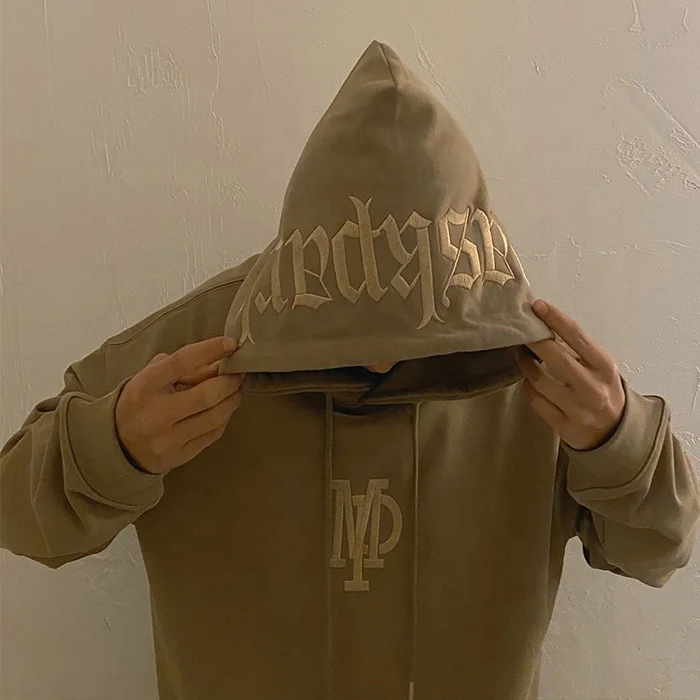
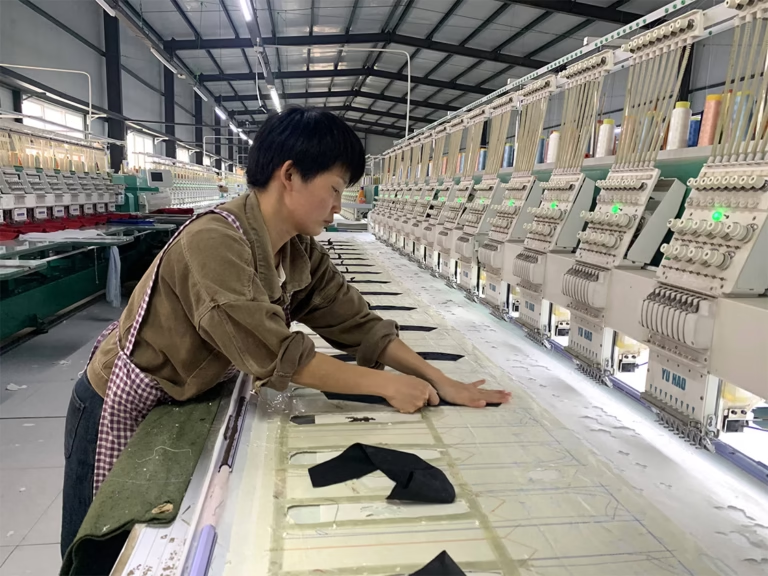
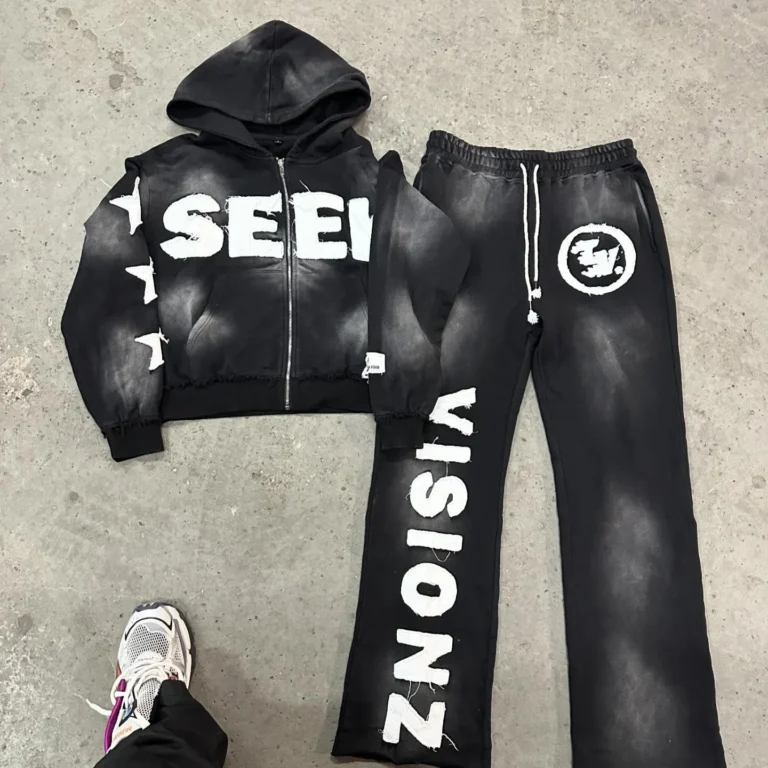
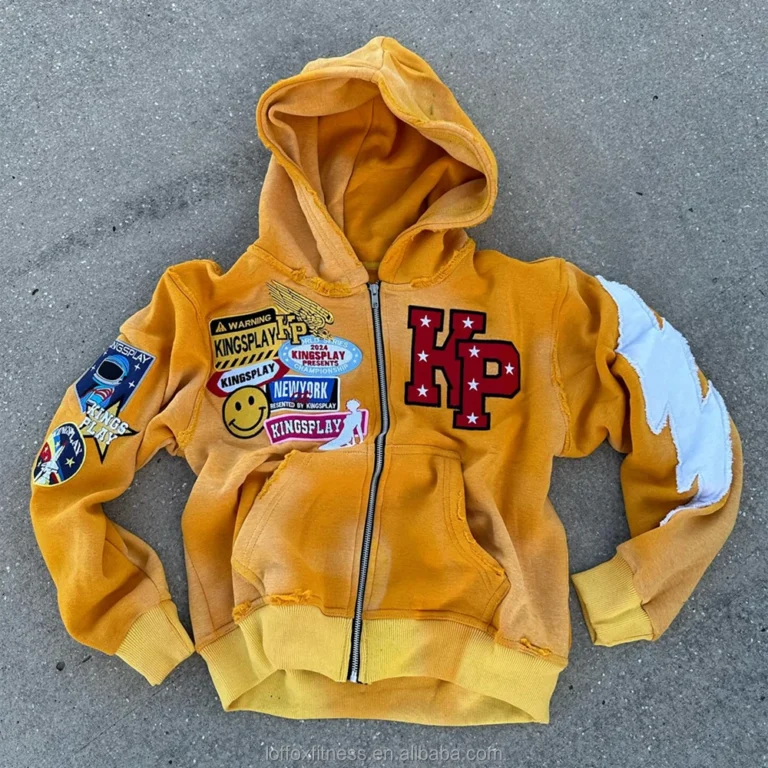
The chosen method of decoration profoundly impacts the final aesthetic. Direct-to-garment (DTG) printing utilizes water-based inks that bond with the fabric fibers, producing a soft, breathable print that is ideal for intricate designs with multiple colors. Screen printing, conversely, is favored for its durability and vibrancy on large, solid-color graphics. Embroidery offers a tactile, three-dimensional alternative, imparting a sense of premium quality and permanence to the garment.
The Textile Artist’s Palette: Custom Painted Apparel
Distinct from mechanical printing, hand-painting is a labor-intensive process that imbues the garment with an undeniable aura of uniqueness. Artists utilize specialized textile paints that, when properly heat-set, become permanent and washable. The process involves a detailed consultation, where the artist guides the client through design coverage levels and stylistic choices. This method is particularly popular for commemorative pieces, portraits, and complex illustrative work.
Navigating Minimum Order Quantities for Brands
For brands seeking to scale their operations, the concept of Minimum Order Quantity (MOQ) is a critical financial consideration. A garment-dyed hoodie capsule run might start at 50 pieces per style, with production costs beginning around $3,500. As order volumes increase, the cost per unit decreases, improving margin potential. It is essential for emerging brands to align their production scale with their projected sales volume to manage cash flow effectively.
The Significance of Domestic Production: Quality and Lead Times
The location of the manufacturer carries significant implications for quality control, communication, and logistics. Domestic production in the United States, such as that offered by Cord Apparel in St. Louis or Argus Apparel in California, provides the advantage of proximate oversight and reduced shipping times. This proximity facilitates a more collaborative development process and ensures adherence to local labor and environmental standards.
Color Customization: Beyond the Standard Palette
While many platforms offer a limited range of base colors, advanced manufacturing allows for bespoke color matching. A client can request a specific hue from Pantone TCX color standards, which the manufacturer then replicates in the production run. This capability is crucial for brands aiming to maintain strict color consistency across their entire product line and to align with specific brand identity guidelines.
Sizing and Silhouette: Achieving the Perfect Fit
Fit is paramount in hoodie satisfaction. To ensure the final product matches expectations, manufacturers provide detailed size charts that list garment dimensions such as width, length, and sleeve measurement. For brands, a “replica-first” development approach can be employed, where an existing hoodie with the desired fit and silhouette is sent to the manufacturer to be replicated and engineered for production. This method reduces the risk of dimensional inaccuracies.
The Economics of Customization: Pricing Structures
The cost of a made-to-order hoodie is determined by a confluence of factors: the base garment quality, the complexity of the design, and the chosen application method. Direct-to-consumer printed hoodies often retail between $50 and $70, while hand-painted pieces can start at $65 for accent designs and escalate significantly for full transformations. B2B pricing is volume-dependent, with a 50-piece capsule run representing a significant initial investment.
The Approval Process: Design Previews and Revisions
A defining characteristic of the premium made-to-order experience is the inclusion of a design approval phase. Artisans typically provide a digital preview or a physical mockup before commencing work. This iterative review process ensures that the client’s vision is accurately translated and mitigates the risk of dissatisfaction. It is a collaborative step that transforms the transaction into a co-creative endeavor.
Care and Maintenance: Preserving Custom Work
The longevity of a custom hoodie is contingent on proper care. The protective measures required—washing inside out in cold water, gentle cycle, and air drying—are standard recommendations for preserving the integrity of prints, paints, and dyes. Avoiding high heat during drying is crucial to prevent cracking of painted designs and shrinkage of the fabric. Each custom garment is a delicate artifact requiring specific maintenance.
Returns and Exchanges: The Made-to-Order Caveat
The bespoke nature of these garments renders them exempt from standard return policies. Most made-to-order platforms, particularly those offering hand-painted or fully customized pieces, adopt a strict “no returns” policy due to the impossibility of reselling a personalized item. However, cancellations may be permitted within a short window (e.g., 24 hours) post-order. Defective products or issues arising from misprints are typically covered under a quality guarantee.
Conclusion: The Embodiment of Individuality
The ability to commission a hoodie made to order in the United States online represents a significant evolution in consumer empowerment. It signals a shift away from the passive consumption of mass-produced goods toward a more engaged and intentional acquisition of apparel. Whether through the precision of AI-generated design, the craft of hand-painting, or the strategic development of a private label, the custom hoodie is an embodiment of individuality. It is a garment woven not just of cotton or fleece, but of personal narrative and distinctive taste.