Introduction: The Genesis of Personal Expression
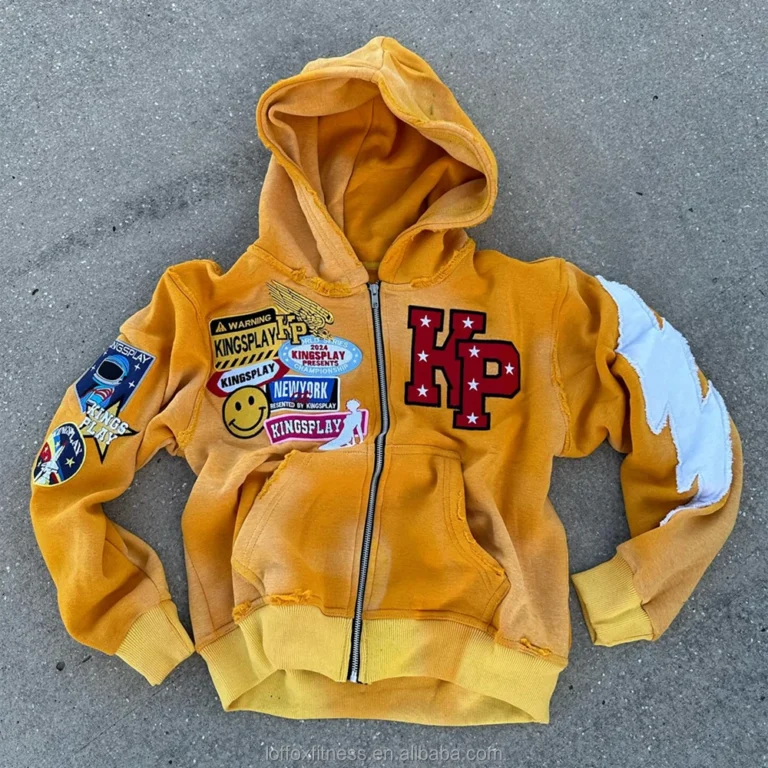
In an era dominated by mass production and algorithmic homogenization, the act of customizing one’s clothing emerges as a potent act of defiance and individuality. The humble hoodie, a garment ubiquitous in contemporary wardrobes, presents an ideal substrate for this creative insurgency. It is a blank expanse of cotton or fleece, awaiting the transformative touch of the artisan. This guide delineates the myriad methodologies for DIY hoodie customization, empowering the enthusiast to transmute a mundane garment into a profound statement of personal identity.
The Blank Canvas: Selecting the Appropriate Hoodie Substrate
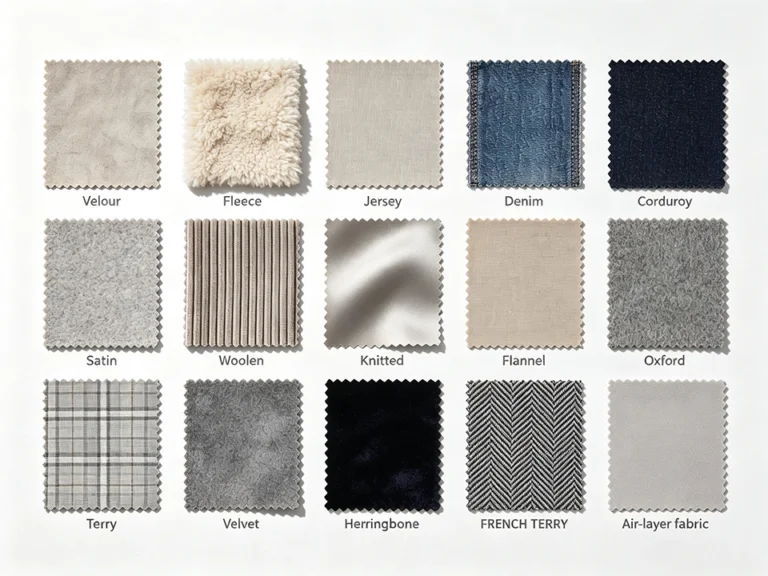
The success of any customization project is predicated upon the quality of its foundation. The choice of hoodie—its fabric composition, weight, and weave—will determine how it interacts with dyes, paints, and chemical agents. A 100% cotton hoodie is the optimal substrate for dyeing, as it absorbs pigments with remarkable efficiency. Conversely, a polyester or cotton-blend garment will produce more muted, ethereal effects. The weight of the fabric, measured in grams per square meter (GSM), influences the drape and resistance of the garment, with heavier fleece (300 GSM and above) providing a robust canvas for intricate work.
Essential Tools and Preparatory Measures
Before embarking on a creative endeavor, one must marshal the requisite resources. This includes protective equipment such as nitrile gloves and a drop cloth to safeguard surfaces from errant stains. The artisan must also prepare a workspace that is well-ventilated, as many chemical processes—such as bleaching—emit potent fumes. Acrylic paints, fabric medium, a selection of brushes, rubber bands, squeeze bottles, and plastic bins are but a few of the essential accoutrements required for a comprehensive studio.
The Alchemy of Bleach: Creating Abstract Patterns
Bleach is a powerful tool for stripping pigmentation, and its application can yield striking, high-contrast designs. This process, often referred to as “bleach painting,” involves applying a diluted solution of sodium hypochlorite and water to the fabric. The reaction is immediate: the indigo or black dye is oxidized, revealing the undyed fiber beneath. By manipulating the concentration and application method—employing splatters, brushstrokes, or stencils—the artisan can craft intricate, abstract compositions that are impossible to replicate.
Ice Dyeing: The Unpredictable Art of Crystal Dissolution
For those who embrace serendipity, ice dyeing offers a mesmerizing and unpredictable pathway to customization. This technique involves applying dry powdered dyes directly onto a hoodie, which is then layered with ice cubes. As the ice melts, the water slowly dissolves the pigment, creating a watercolor effect that is characterized by fluid, organic gradients. The slow saturation allows for a remarkable depth of color and complex, one-of-a-kind patterns that defy conventional tie-dye geometry.
Tie-Dye Reimagined: Shibori and Resist Techniques
The ancient Japanese art of Shibori elevates tie-dye from a child’s pastime to a refined textile craft. This resist-dyeing technique involves manipulating the fabric through binding, folding, twisting, and stitching before submersion in dye. The resulting patterns—such as the arashi (storm) or itajime (shape-resist)—are characterized by their precision and geometric beauty. While Shibori can be complex, the fundamentals are accessible to the home artisan, requiring only string, a few wooden blocks, and a bucket of dye.
The Precision of Stencils: Achieving Sharp, Graphic Lines
For those seeking a graphic, high-contrast aesthetic, the stencil method is unparalleled. This technique involves cutting a desired shape or design from a sheet of freezer paper or Mylar and affixing it to the hoodie. A fabric paint or spray is then applied to the exposed areas, resulting in a crisp, clean image when the stencil is removed. This methodology is particularly effective for reproducing logos, symbols, and typographic elements with professional-looking precision.
Fabric Paint and Ink: Techniques for Solid Coverage
Unlike dye, which bonds chemically with the fabric, paint sits atop the surface, allowing for more vibrant and opaque finishes. When applied with a brush or sponge, fabric paint can produce solid blocks of color or intricate, hand-painted illustrations. The key to success is the use of a fabric medium, which, when mixed with acrylic paint, prevents cracking and maintains the garment’s supple hand-feel. This approach is ideal for creating figurative art or large-scale graphic compositions.
The Art of the Splatter: Jackson Pollock’s Sartorial Legacy
There is a raw, visceral appeal to the chaos of the splatter. This technique, which requires little more than a brush and diluted fabric paint, involves flicking pigment onto the hoodie to create a dynamic, energetic pattern. The resulting effect is reminiscent of Action Painting, imparting an edgy, rebellious character to the garment. Control is relinquished to gravity and momentum, yielding a pattern that is both random and uniquely expressive.
Embellishment Through Embroidery: Needlework as Adornment
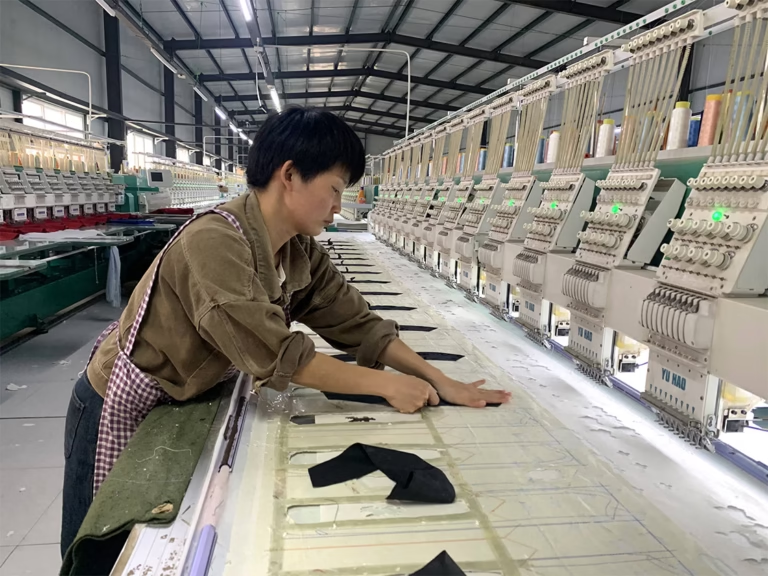
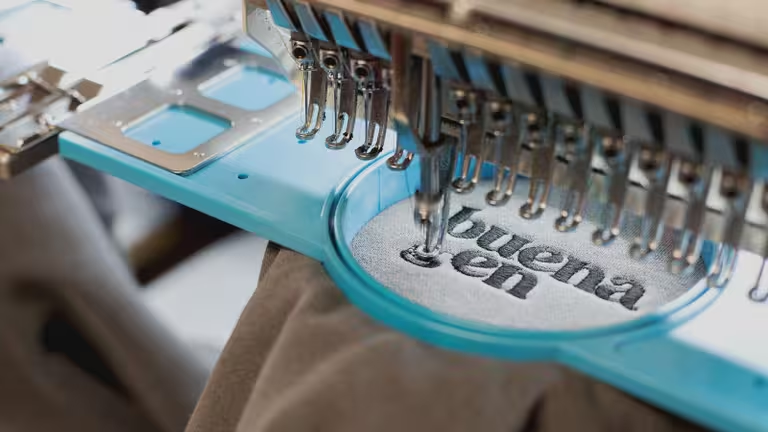
Embroidery introduces a tactile, three-dimensional element to the custom hoodie. This technique involves stitching decorative designs onto the garment’s surface, creating a textural contrast that is both visually and physically engaging. Whether employing a simple running stitch to outline a shape or using a satin stitch to create solid, raised areas, embroidery lends a sense of permanence and craftsmanship that distinguishes it from more transient surface applications.
Patchwork and Appliqué: The Textural Tapestry
Patchwork is the art of sewing contrasting pieces of fabric onto a base garment, creating a collage-like effect. This technique provides an opportunity to incorporate diverse materials—from denim and plaid to velvet and corduroy—into the hoodie’s design. The careful arrangement of shapes and colors results in a unique, textured garment that reflects the artisan’s aesthetic sensibility and resourcefulness.
Deconstruction: Strategic Ripping and Distressing
The deconstruction movement, pioneered by designers like Rei Kawakubo, posits that beauty can be found in imperfection and decay. By strategically ripping seams, cutting slits, and abrading the fabric, the artisan can impart a weathered, vintage aesthetic. Careful distressing can also serve a functional purpose, creating ventilation or adjusting the garment’s drape. The key to successful deconstruction is intentionality; each cut or tear should be a deliberate design choice, not a result of negligence.
The Chemistry of Color Removal: Bleach vs. Discharge Paste
While household bleach is a common agent for removing color, it is a harsh chemical that can degrade the fabric over time. An alternative, known as discharge paste, is a gentler compound that chemically neutralizes the dye in a more controlled fashion. Discharge paste often produces a softer, less aggressive effect than bleach, resulting in a velvety texture where the color has been removed. The choice between these two methods depends on the desired intensity of the contrast and the cotton content of the garment.
Heat Transfer Vinyl: The Digital Age of Customization
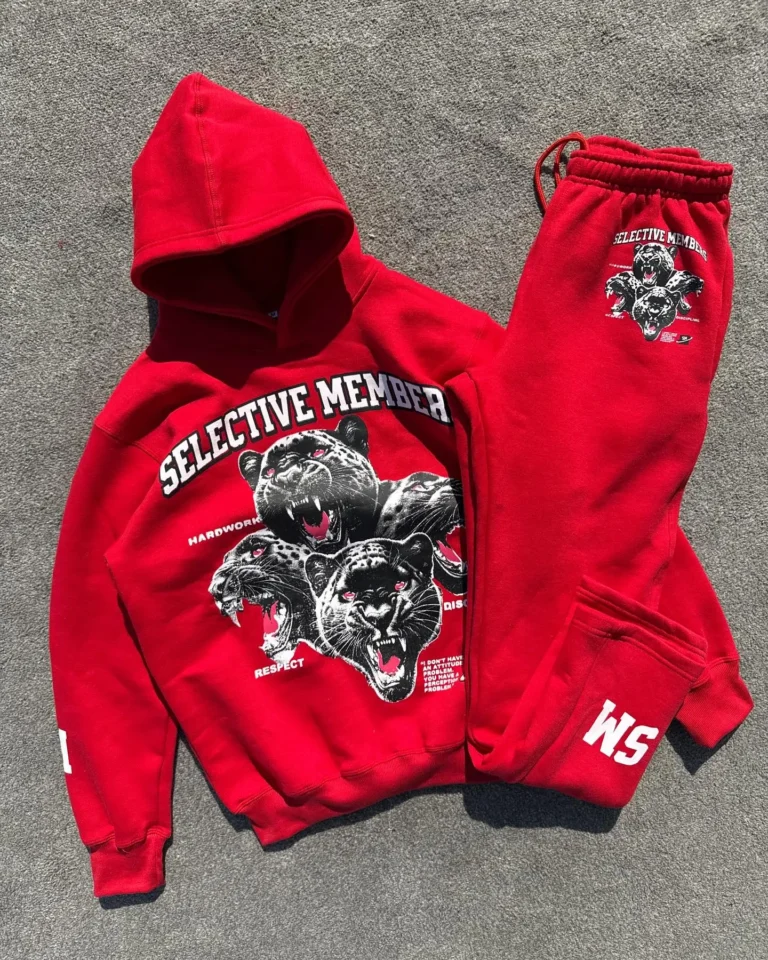
The advent of heat transfer vinyl (HTV) has revolutionized home customization, enabling the precise application of intricate digital designs. An SVG file is cut from a sheet of vinyl using a plotter, and the resulting design is then heat-pressed onto the hoodie. This technique yields a durable, professional-grade finish that is resistant to cracking and fading. It is the preferred method for producing clean, scalable logos and complex graphics.
Creating Graphic Art with Fabric Markers
For the artisan who favors fluidity and spontaneity, fabric markers offer the same immediacy as a pen on paper. These permanent inks allow for freehand drawing, calligraphy, and detailed illustrative work. The relatively low cost and accessibility of fabric markers make them a popular choice for creating unique, hand-drawn designs. They are also an excellent tool for adding intricate detail to a piece that has been painted or dyed.
Stitching as Statement: Visible Mending and Sashiko
Visible mending, particularly the Japanese technique of Sashiko, is an aesthetic that elevates repair to the realm of art. This method involves using a simple running stitch to reinforce a worn area, creating a stark, geometric pattern that contrasts with the base fabric. The technique imbues the garment with a sense of narrative and history, transforming a flaw into a celebrated design feature.
The Role of Acrylic Paint and Fabric Mediums
Acrylic paint, when combined with a textile medium, becomes a versatile and durable fabric paint. The medium acts as a plasticizer, ensuring that the acrylic film remains flexible and does not crack when the fabric is stretched. Without this crucial addition, acrylic paint becomes brittle and is prone to flaking. The home artisan must understand this chemistry to ensure the longevity of their painted creations.
Sealing and Setting: Ensuring the Permanence of Your Work
The final, and perhaps most critical, step in the customization process is the setting of the pigment. For painted or drawn designs, the application of heat—typically via an iron or hairdryer—is necessary to cure the paint and render it machine-washable. For dye-based designs, the garment must be rinsed thoroughly to remove excess pigment and then set using a fixative. This meticulous conclusion ensures that the artisan’s work withstands the rigors of daily wear and repeated laundering.
Maintenance Protocols: Caring for Customized Garments
A customized garment requires a more nuanced approach to care than a mass-produced item. Washing should be done with cold water and a mild detergent to prevent fading. The garment should be turned inside out to protect the surface design from abrasion. Air-drying is strongly recommended, as the high heat of a tumble dryer can cause paints and adhesives to degrade over time.
Conclusion: The Sartorial Signature
Customizing a hoodie is more than a craft; it is an act of identity formation. It is the process of taking a generic, off-the-rack garment and imbuing it with a narrative that is distinctly one’s own. By employing the techniques outlined herein, from the alchemy of ice dyeing to the precision of Sashiko stitching, the home artisan can transcend the limitations of consumer culture. The result is not just a hoodie, but a declaration of individuality—a sartorial signature that speaks to the wearer’s creativity, defiance, and soul.