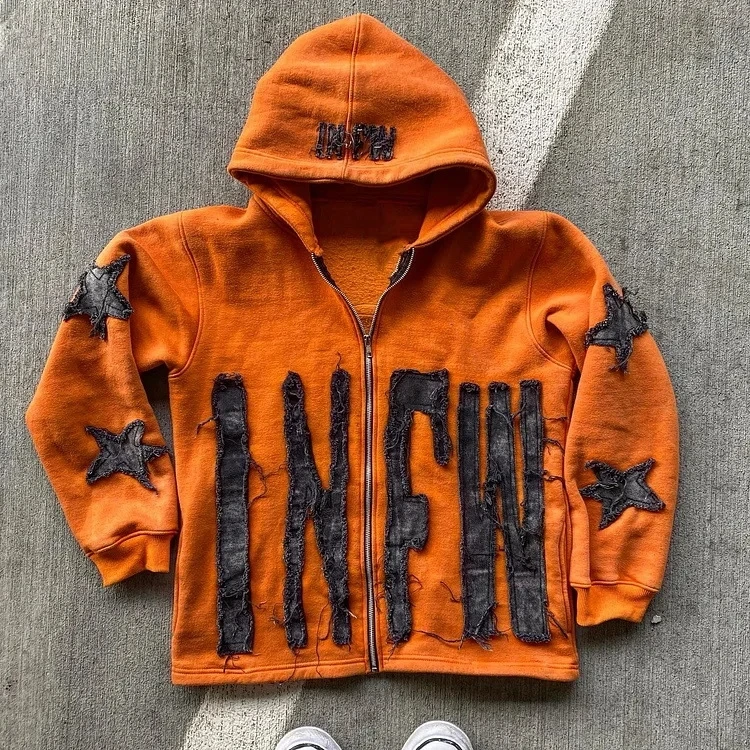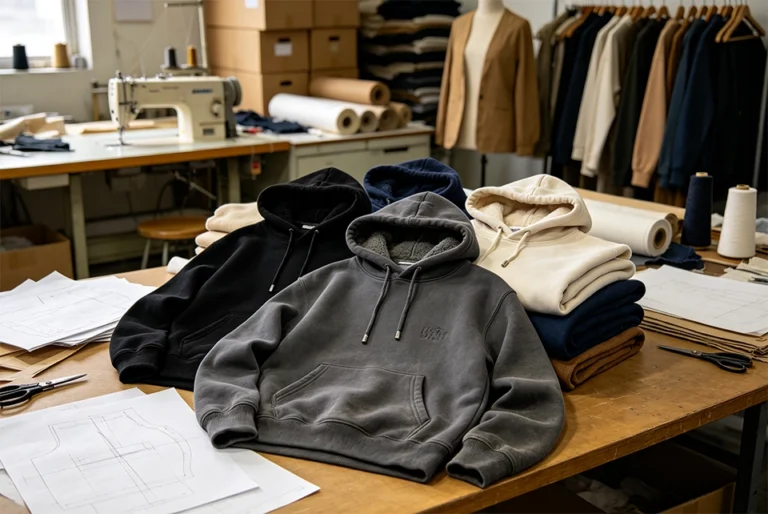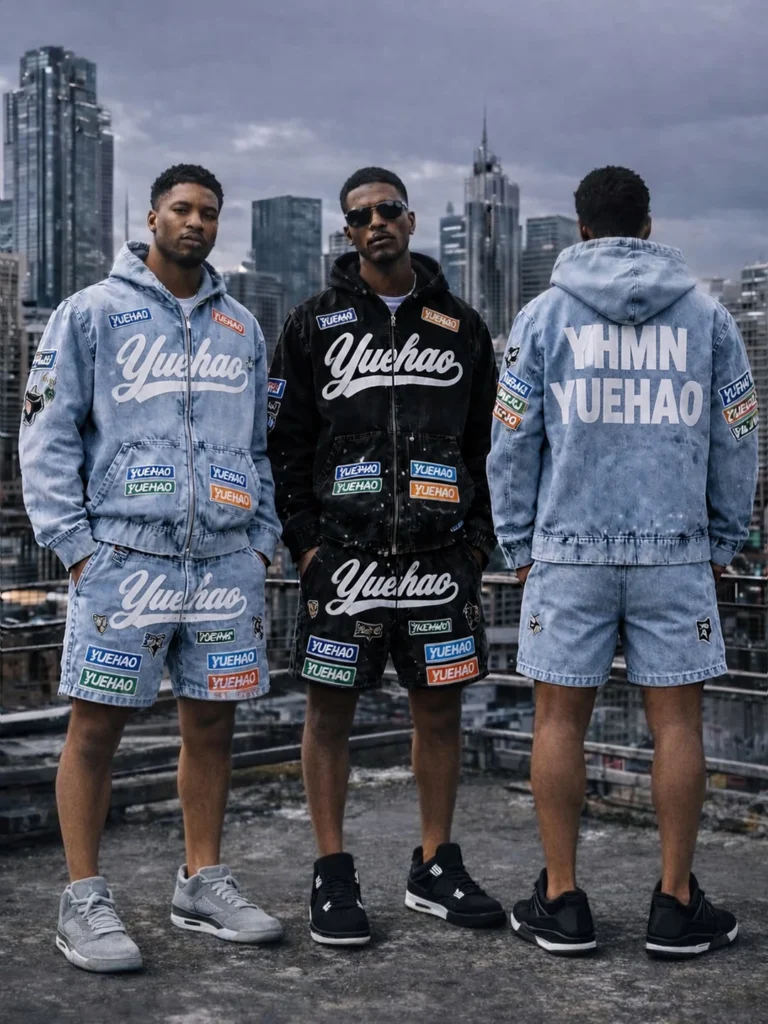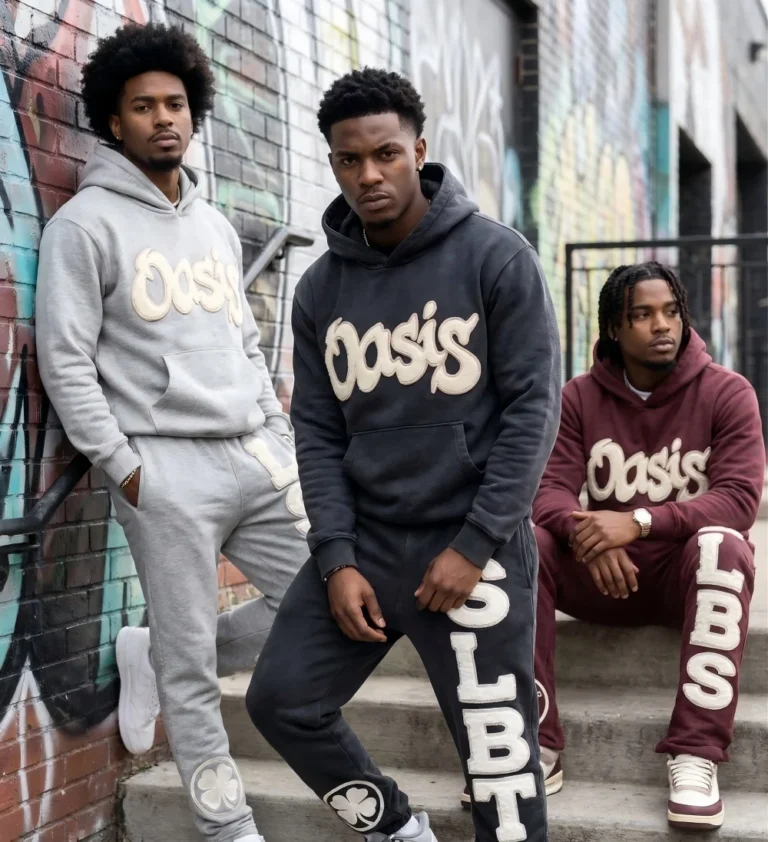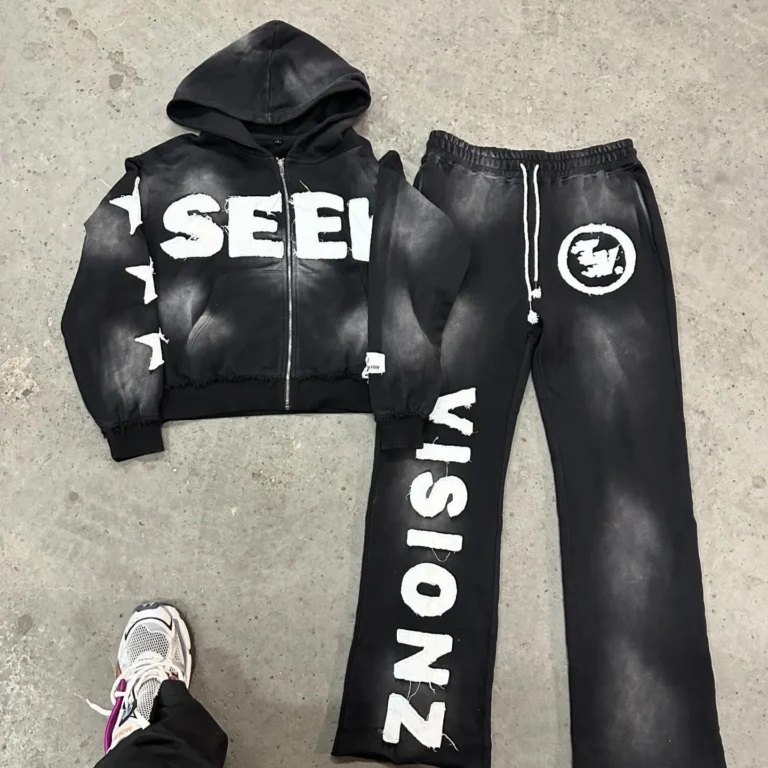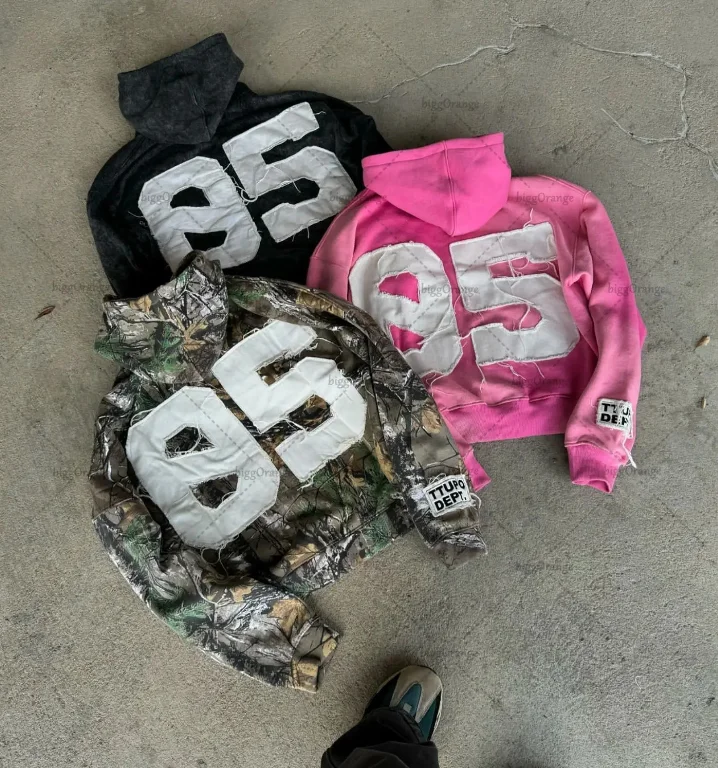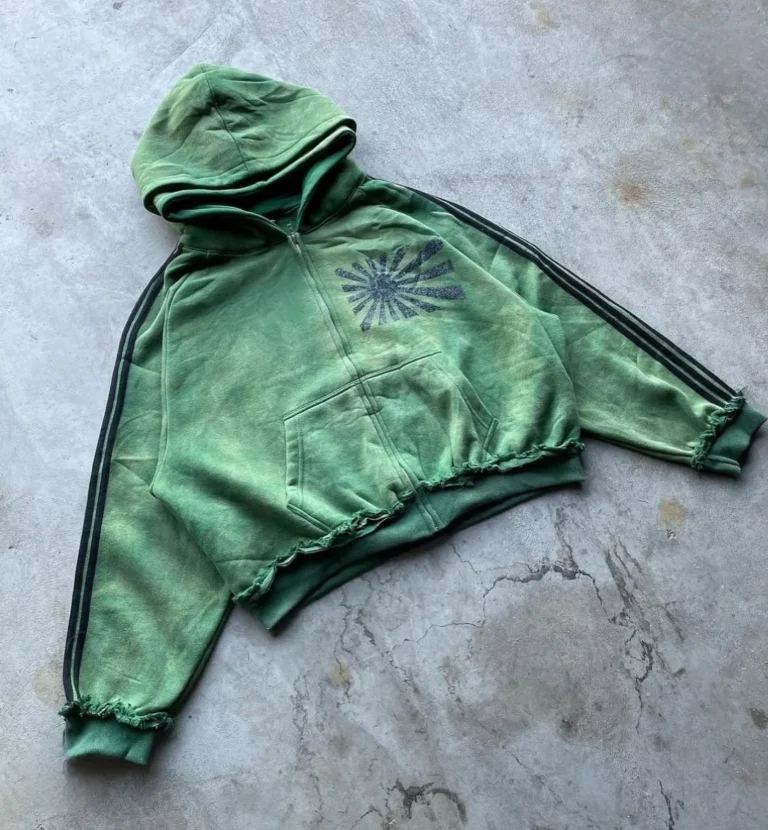
The question of where to source custom hoodies is fundamentally a matter of scale. The answer diverges sharply depending on whether one requires a single piece, a modest batch for a startup, or a substantial order for an established brand. The contemporary manufacturing landscape has evolved to accommodate a spectrum of needs, from ultra-low minimums to full-scale OEM production.
The Print-on-Demand Pathway: Zero Inventory, Maximum Flexibility
For individuals, event organizers, or creators testing a design concept without financial risk, print-on-demand platforms offer the most accessible entry point. The model requires no upfront inventory investment; the platform prints and ships each order as it arrives.
Printify operates with no minimum quantity, allowing orders of one or one thousand pieces with equal ease. The platform offers DTG, DTF, sublimation, and embroidery across a wide catalog of hoodies and other garments. Bulk orders of 25 pieces or more from the same print provider qualify for shipping discounts. The platform integrates with Shopify, Etsy, Amazon, and TikTok Shop for automated fulfillment .
PrintaRex serves the UAE and Middle East market with a similar zero-inventory model, routing paid orders to regional production workflows for faster local delivery .
PortL specializes in author and creator merchandise, offering hoodies and other products with no subscription or upfront costs. Customer reviews highlight reliable 5-day U.S. delivery and responsive support .
The trade-off with POD is limited control. Fabric weight, composition, and construction are predetermined by the platform’s catalog. Decoration is typically restricted to digital methods. For a personal piece or first market test, this suffices. For a brand seeking a distinctive hand-feel or proprietary silhouette, it is a constraint.
The Low-MOQ Manufacturing Pathway: The Startup and Brand Route
For brands building a proprietary product, engaging a manufacturer directly provides control over fabric, fit, and branding that POD cannot match. The market has responded to demand from emerging labels by offering flexible minimums.
Ninghow, based in Shenzhen, operates with no strict minimum order quantity for stock patterns, accepting orders as few as 10 pieces. For custom camo or private label styles, tiers begin at 50 pieces. The factory offers cotton, French terry, and fleece fabrics in 260–350 GSM, with embroidery, screen printing, and heat transfer decoration. Sample lead time is 7–10 days, with bulk production of 2–4 weeks .
Tosinfashion, in Dongguan’s Humen garment hub, sets its MOQ at 50 pieces per single style and supports mixed orders combining colors, sizes, and simple styles in one batch. The factory’s sampling cycle is notably fast at 3–5 working days, with two free detail revisions based on client feedback. All export goods pass 100% inspection by ASAHI·LINK, a third-party organization .
QYOURECLO maintains a standard MOQ of 100 pieces per design and color. The manufacturer offers screen printing, DTG, puff print, embroidery, and acid wash techniques. Fabric weights range from 200 to 600 GSM, with French terry, brushed fleece, and waffle knit options. Sample lead time is 7–10 days, with bulk production of 15–20 days .
AOGU also operates with an MOQ of 100 pieces per color, offering fabric swatches before sampling and a 30-working-day standard lead time for bulk production. The company supports screen printing, embroidery, puff ink, DTG, heat transfer, and patchwork .
The Established Production Pathway: Scale and Economics
For brands with proven demand and the capital to invest in larger runs, the economics shift significantly. Per-unit costs decrease, and manufacturers become more accommodating of complex customization.
Guangzhou Weidanglang Clothing offers the lowest entry price point at $1.89 per piece with an MOQ of just 1 piece, though this pricing likely reflects basic T-shirt integration rather than premium hoodie construction. Quanzhou Aiermi Information Technology starts at $3.40 with a 30-piece MOQ, specializing in OEM polyester color-block hoodies with sublimated prints .
For premium streetwear positioning, iGift Company Limited offers tie-dye customization, oversized fits, and embroidery starting at $11.90 with a 10-piece MOQ. The supplier maintains a 40% reorder rate, suggesting consistent quality and communication .
Key Considerations Before Committing
Regardless of the chosen pathway, several practical matters warrant attention.
Sampling is non-negotiable. A physical prototype reveals the actual hand-feel of the fabric, the accuracy of the fit, and the quality of the decoration in a way no digital mockup can. Sample fees range from $20–$40 for basic styles, often refundable on bulk orders .
Fabric weight and composition should be confirmed in GSM. For hoodies, mid-weight options around 280–350 GSM offer a balance of comfort and durability, while heavier weights of 400 GSM and above provide a more structured, premium feel .
Evaluation metrics for suppliers include response time under 4–6 hours, on-time delivery rate above 90%, and reorder rate above 20% as indicators of operational reliability and customer satisfaction .
The minimum order quantity is no longer the barrier it once was. The true differentiator is finding a partner whose capabilities align with the specific demands of the product and the market.