Introduction: The Rise of the Embroidered Hoodie in Global Streetwear
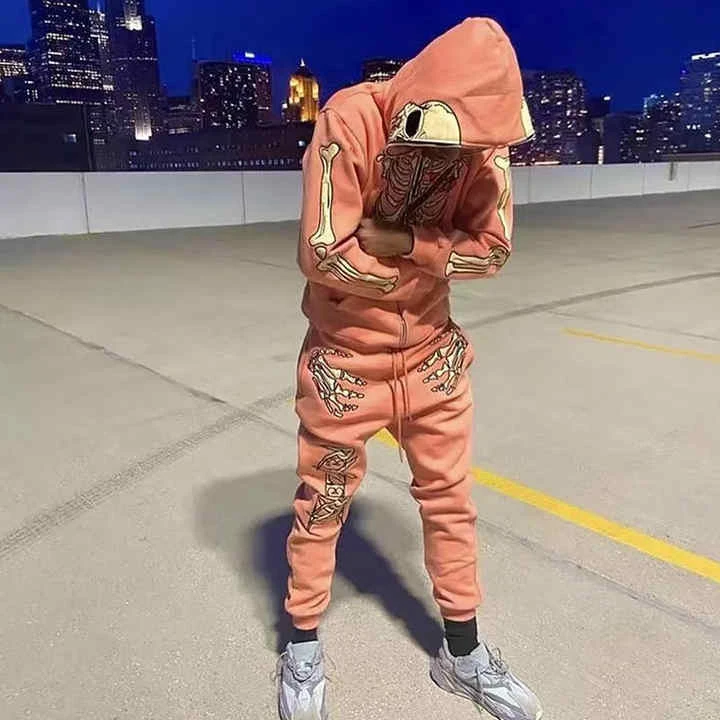
Streetwear has evolved from a niche subculture into a dominant force in global fashion. At the heart of this movement lies a garment that is both utilitarian and expressive: the hoodie. However, not just any hoodie commands attention. In the current landscape, the embroidered hoodie stands as a marker of quality, authenticity, and artistic detail. While the designs may originate in Los Angeles, Tokyo, or London, the production backbone of this lucrative market is undeniably rooted in China. Chinese manufacturers have not only mastered the art of mass production but have redefined it, offering a synergy of advanced machinery, skilled handcraft, and supply chain efficiency that is unmatched globally. This article delves into the intricate world of streetwear embroidery hoodies, exploring the manufacturing processes, material selections, design capabilities, and quality control measures that make Chinese factories the preferred partners for brands worldwide.
The Anatomy of a Streetwear Hoodie: Materials Matter
Before a single stitch is embroidered, the foundation of the hoodie must be impeccable. Chinese manufacturers distinguish themselves through their access to a vast array of textile markets and raw materials.
Fabric Composition and Weight
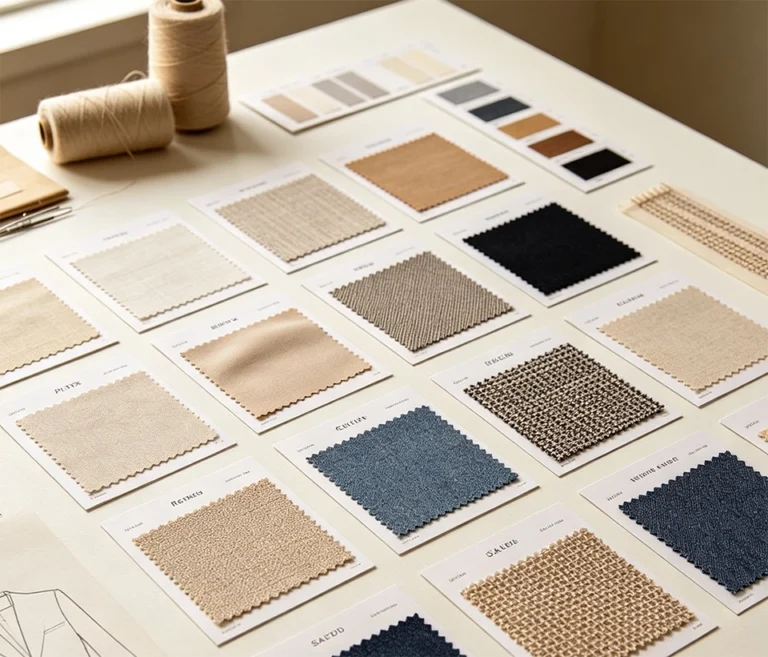
The quintessential streetwear hoodie is defined by its heft. Unlike fast-fashion alternatives, premium streetwear requires heavy-weight fabrics, typically ranging from 320 GSM (grams per square meter) to 500 GSM. Chinese suppliers offer a variety of blends, including 100% cotton for a soft, breathable feel, and cotton-polyester blends (such as 80/20 or 70/30) which provide structural integrity and reduce shrinkage. Manufacturers in Guangdong and Zhejiang provinces have perfected the art of creating “brushed fleece” interiors, which offer a plush, velvety touch against the skin—a non-negotiable feature for high-end streetwear.
The Importance of Pre-Shrinking and Dyeing
A critical step often overlooked is the pre-treatment of fabric. Reputable Chinese manufacturers employ sanforization processes to pre-shrink the cotton, ensuring that the hoodie retains its shape after multiple washes. Furthermore, advanced dyeing techniques, such as reactive dyeing, are utilized to ensure colorfastness. This is vital for embroidered hoodies, as the contrast between the vibrant embroidery thread and the dyed base fabric must remain sharp and fade-resistant. The ability to offer custom dye lots with minimal color deviation is a testament to the technological investment seen in modern Chinese textile mills.
The Embroidery Process: From Digital Art to Tangible Texture
Embroidery is the soul of the modern streetwear hoodie. It transforms a basic garment into a statement piece. Chinese manufacturers offer a comprehensive suite of embroidery services, bridging the gap between designer concepts and physical products.
Digitizing and Punching
The journey begins with digitizing. This is the process of converting a logo or artwork into a language that embroidery machines can read. Chinese technical teams are highly proficient in this step, using software like Wilcom or Barudan to map out stitch types, densities, and directions. They understand that a design that looks good on a screen may not translate well to fabric. Therefore, they adjust “pull compensation” to account for fabric stretch and “push compensation” to prevent design distortion. This meticulous planning ensures that the final embroidered piece perfectly mirrors the original vector artwork.
Machine Capabilities: Multi-Head and Single-Head Systems
China is home to the world’s largest concentration of embroidery machines, including industry leaders like Tajima, Barudan, and Chinese-made equivalents like Feiya. Factories typically operate large-scale production floors with multi-head machines (ranging from 12 to 24 heads). This allows for the simultaneous embroidery of multiple hoodies, drastically reducing lead times without sacrificing quality. For complex, high-detail designs or small-batch samples, single-head machines are utilized to ensure precision.
Types of Embroidery Techniques
Chinese manufacturers are adept at several distinct embroidery styles, each suited for different streetwear aesthetics:
- Flat Embroidery: The most common technique, ideal for logos and text. It involves a smooth, flat surface created by a series of closely packed satin stitches and fill stitches.
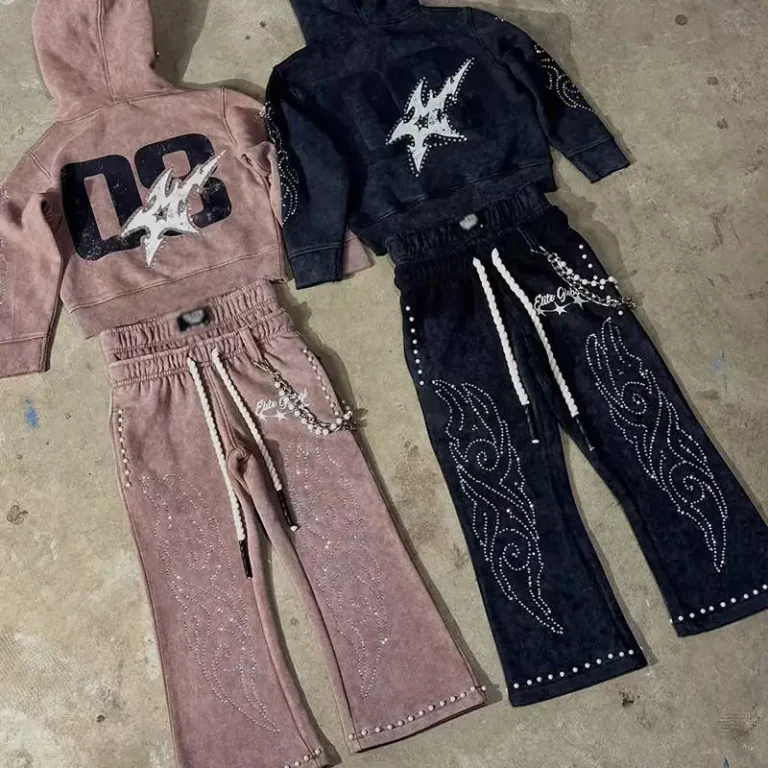
- Puff Embroidery (3D Foam): A signature of streetwear, this technique uses a foam layer under the embroidery to create a raised, three-dimensional effect. Chinese manufacturers have perfected the temperature and pressure settings required to remove the foam after stitching, leaving a pristine, puffy logo that stands out.
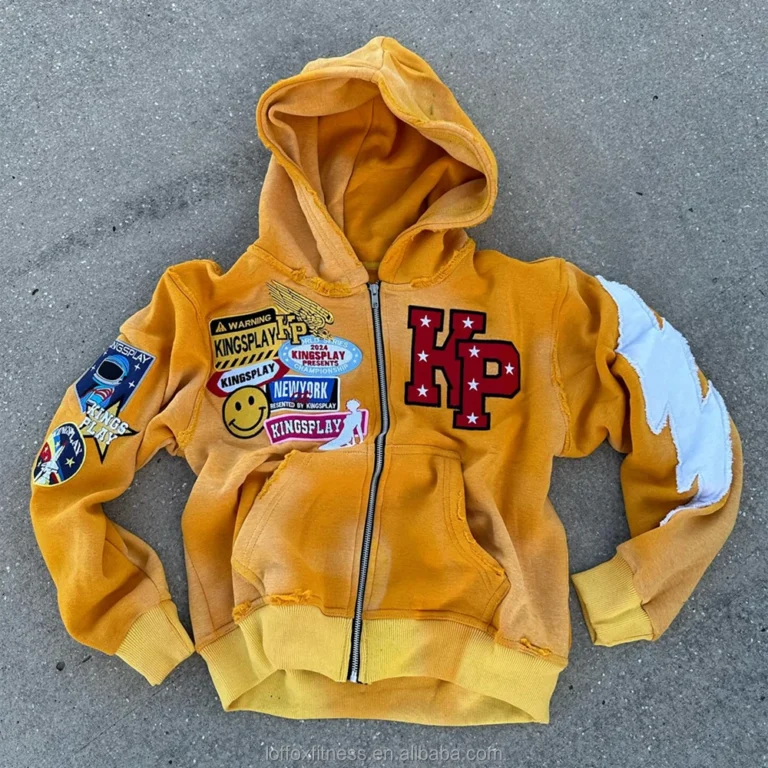
- Chenille Embroidery: This uses a chain stitch to create a fluffy, yarn-like texture, often seen in varsity-style streetwear. Factories specializing in this utilize specific chenille machines to achieve the distinct looped pile.
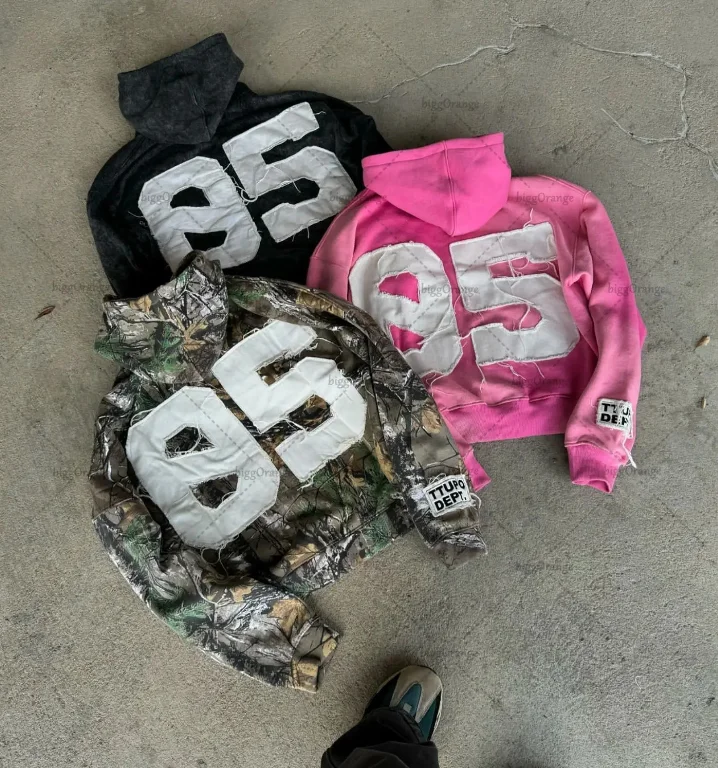
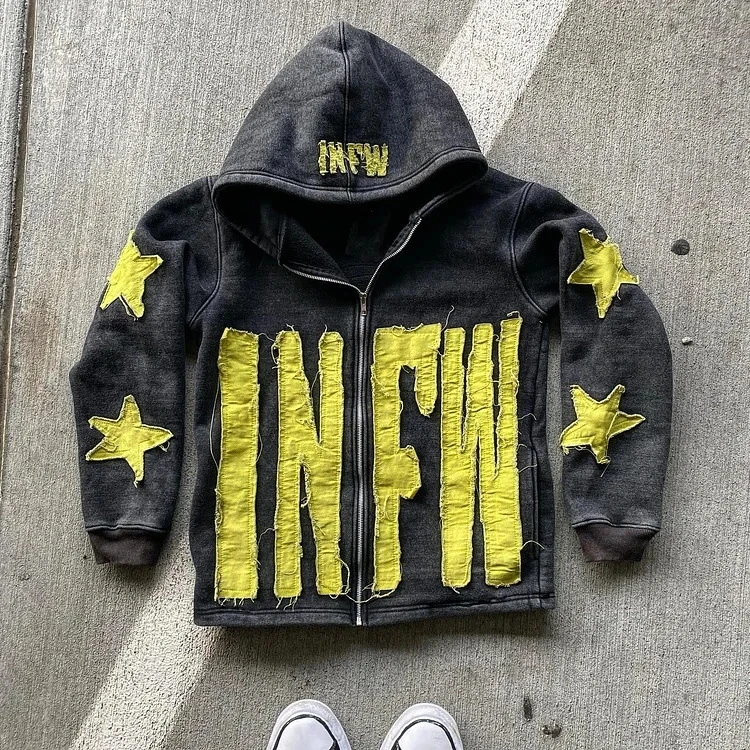
- Appliqué: This involves stitching a piece of fabric (often felt or twill) onto the hoodie and then embroidering the edges to seal it. Chinese manufacturers excel at this technique, often combining it with flat embroidery for a multi-dimensional look.
Customization and Design Flexibility: The Core Advantage
One of the primary reasons brands flock to Chinese manufacturers is the unparalleled flexibility in customization. Whether a startup looking for a 50-piece trial run or a established brand ordering 10,000 units, Chinese factories have the infrastructure to cater to diverse needs.
Custom Labels, Tags, and Hardware
Beyond the embroidery, the details define the streetwear experience. Chinese manufacturers provide complete solutions for custom woven labels, satin neck tags, and heat transfers. Hardware such as metal grommets, zippers (YKK or custom molds), and drawcord tips are sourced from local suppliers, ensuring consistency in finish. This “one-stop-shop” approach simplifies logistics for the brand, as the hoodie arrives fully finished and ready for retail.
Development of Placement and All-Over Prints
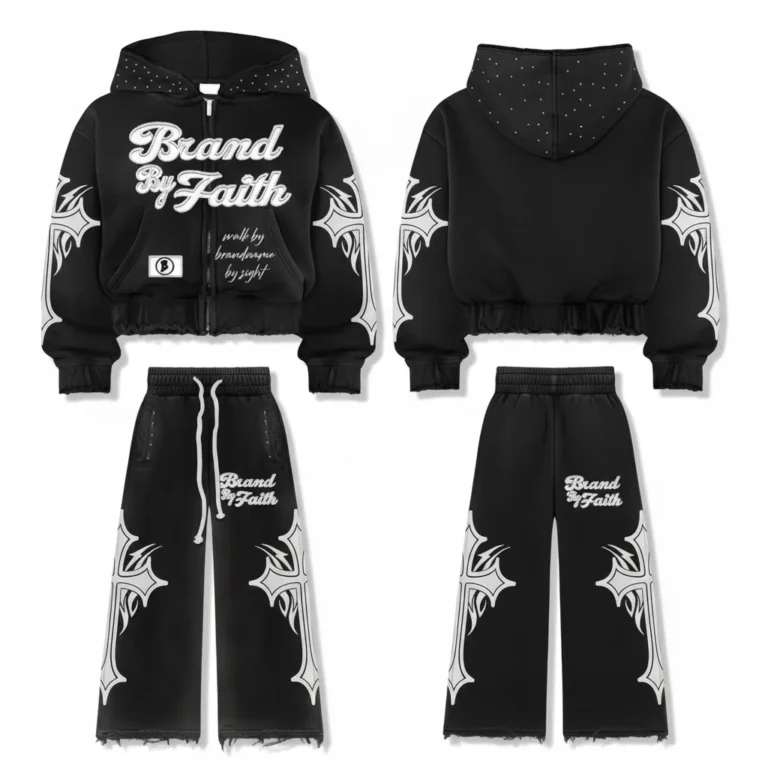
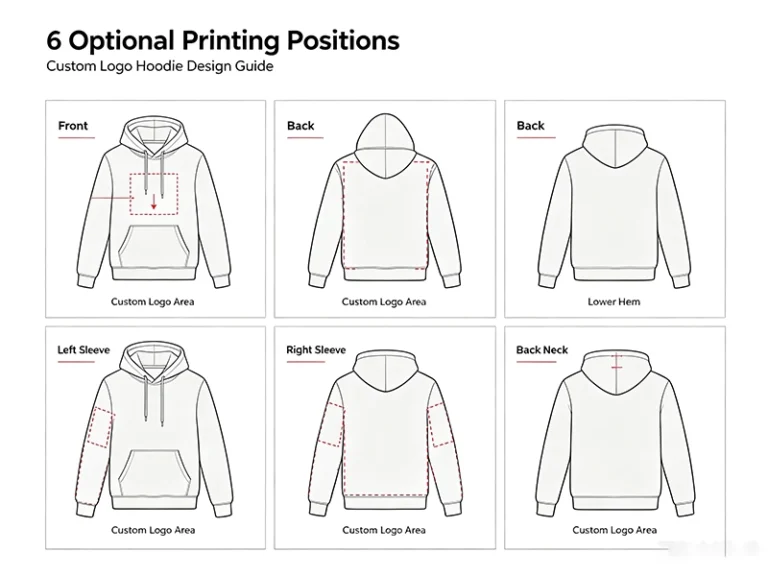
While embroidery is the focus, many streetwear hoodies feature a combination of embroidery with screen printing or cut-and-sew panels. Chinese factories often house both embroidery and screen-printing departments under one roof, allowing for hybrid designs. For instance, a hoodie might feature a large screen-printed back graphic with an embroidered chest logo. The alignment between these two processes is meticulously managed to maintain aesthetic harmony.
Quality Control and Sample Development
In the world of streetwear, a misaligned stitch or a loose thread can ruin a brand’s reputation. Chinese manufacturers operate under stringent Quality Control (QC) protocols, often surpassing international standards.
The Sampling Process
The development cycle typically begins with a “Proto Sample,” which is a test of the fit and base fabric. This is followed by a “Sales Sample” or “Photo Sample,” which includes the finalized embroidery. Finally, a “Pre-Production Sample” is approved before mass manufacturing begins. This phased approach allows brands to rectify any issues regarding placement, size, or thread tension before bulk production commences.
In-Line and Final Inspections
Quality control is not an afterthought; it is integrated into the production line. Machine operators perform regular checks on thread tension and bobbin cases to prevent “bird-nesting” or thread breaks. During the embroidery process, the backing paper (cut-away or tear-away) is selected based on the fabric’s stretch to prevent puckering. A final inspection, often using the AQL (Acceptable Quality Limit) standard, is conducted on finished hoodies to inspect embroidery integrity, loose threads, and fabric defects. This rigorous process ensures that every hoodie that leaves the factory is consistent.
The Economic Edge: Why China Remains the Hub
Despite rising labor costs in other sectors, China’s garment industry maintains its competitive edge through vertical integration and economies of scale.
The Supply Chain Ecosystem
A Chinese manufacturer does not just make hoodies; they are surrounded by an ecosystem of suppliers. Yarn spinners, dye houses, embroidery thread producers (like Madeira or Coats), and accessory manufacturers are often located within a short distance. This proximity reduces shipping costs for raw materials and accelerates the production timeline. A brand can have an initial design concept finalized and delivered to the factory, with the first samples arriving within 7 to 10 days, a speed nearly impossible to replicate elsewhere.
Cost-Effectiveness and MOQ
While the minimum order quantity (MOQ) for highly customized embroidery might be higher than standard printing, Chinese factories are surprisingly accommodating. Many manufacturers have “sample beds” where they run small batches without the need to set up large machinery, making it feasible for emerging brands to enter the market. The cost per unit decreases significantly with volume, but the value proposition lies in the quality-to-price ratio. The precision of Chinese embroidery, combined with the robust fabric quality, offers a return on investment that is difficult to match in Western manufacturing hubs.
Sustainability and Ethical Manufacturing
The modern consumer is increasingly conscious of sustainability. Chinese manufacturers are actively shifting towards greener production methods to meet international demands.
Eco-Friendly Threads and Fabrics
Many factories now offer embroidery threads made from recycled polyester or organic cotton. The use of water-based adhesives for backing paper and low-impact dyes for fabric coloring is becoming standard practice. Furthermore, the durability of embroidery itself contributes to sustainability; unlike screen-printed designs that may crack and peel, embroidery is long-lasting, reducing the “fast fashion” waste cycle.
Labor and Working Conditions
It is a misconception that Chinese factories operate without labor standards. Major manufacturing hubs are subject to regular government inspections, and many factories hold certifications like BSCI (Business Social Compliance Initiative) or WRAP (Worldwide Responsible Accredited Production). These certifications ensure fair wages, safe working conditions, and reasonable working hours, providing peace of mind for international brands looking to ethically source their streetwear collections.
Navigating Logistics: Shipping and Compliance
The journey of the hoodie does not end at the factory gate. Chinese manufacturers excel in the logistical aspect, offering comprehensive shipping solutions.
Packaging and Garment Care
Hoodies are typically folded, wrapped in polybags, and packed in export-standard cartons. Manufacturers often assist in designing hang tags and care labels that comply with the destination country’s regulations (e.g., fiber content disclosure in the US and EU). Specific care instructions regarding washing the hoodie inside out and using mild detergent are included to protect the embroidery.
Freight Forwarding
A significant advantage of working with established Chinese manufacturers is their partnership with freight forwarders. They offer a range of shipping options, from cost-effective sea freight (taking 20-40 days) to expedited air or courier services (taking 5-10 days). They manage the complex paperwork, including the Bill of Lading, commercial invoices, and customs clearance documents, ensuring a seamless transition from the factory floor to the brand’s retail shelves or fulfillment centers.
Conclusion: Partnering with a Leader in Manufacturing
As we have explored, the production of a high-quality streetwear embroidery hoodie is a complex symphony of material science, digital artistry, mechanical precision, and logistical planning. Chinese manufacturers stand at the center of this symphony, conducting it with a level of expertise honed over decades of experience in the global apparel industry.
We are not merely a supplier; we are a comprehensive manufacturing partner dedicated to bringing your brand’s vision to life. As a professional garment manufacturer with years of experience, we specialize in the design and production of custom hoodies, specializing in intricate embroidery techniques that resonate with the streetwear aesthetic. Our facility is equipped with the latest machinery and staffed by skilled technicians who are passionate about delivering perfection in every stitch.
From assisting you in selecting the perfect 400GSM cotton blend to ensuring that your custom 3D puff embroidery is crisp and durable, we manage every detail with care. We pride ourselves on our transparent communication, rapid sampling turnaround, and unwavering commitment to quality control. We understand that in the world of streetwear, your hoodie is your billboard, and it needs to make a statement.
Whether you are a fledgling brand seeking a low MOQ to test the market or an established retailer requiring large-scale production, we have the capacity and the flexibility to exceed your expectations. We invite you to experience the difference that true craftsmanship and reliable service can make. Let us handle the intricacies of manufacturing so you can focus on branding, marketing, and selling. We are your bridge from concept to reality, ensuring that every embroidered hoodie that bears your label is a testament to quality and style.
Choose us for your next collection. We are the trusted partner that combines the best of Chinese manufacturing capabilities with a personal touch, ensuring that your streetwear line stands out in a crowded marketplace. Let’s create something exceptional together.