
Introduction: The Hoodie as a Pillar of Contemporary Apparel Merchandising
The hoodie has transcended its origins as athletic and utilitarian garb to become a cornerstone of modern wardrobes and brand merchandising. It is at once comfort object, canvas for graphic expression, and status signifier. For brands, retailers, and promotional agencies, the custom hoodie represents a product category of remarkable versatility and reliable demand. China has long been the world’s foremost source for hoodie manufacturing, offering a confluence of cost efficiency, technical capability, and scale. This article examines the considerations that inform the selection of a Chinese custom hoodie manufacturer and the execution of a successful production program.
Defining the Custom Hoodie Manufacturer: Scope and Service Architecture
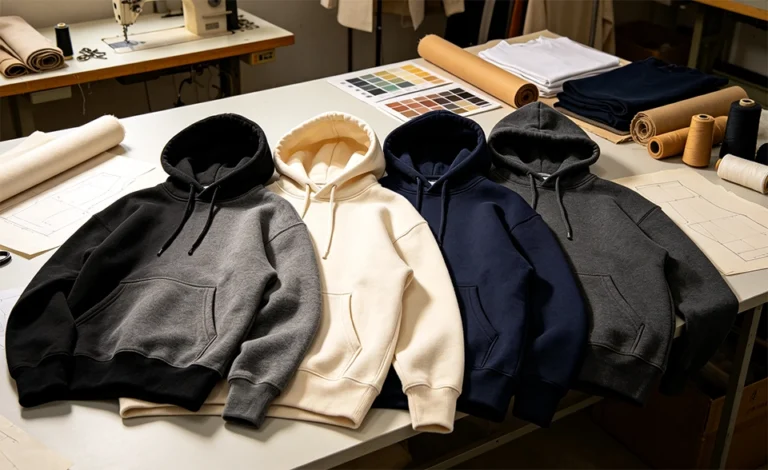
A custom hoodie manufacturer is a specialized garment factory that produces hooded sweatshirts to a client’s specifications. Unlike generic suppliers, such factories offer end-to-end services: fabric sourcing, pattern development, prototyping, printing or embroidery, bulk production, and quality control. “Custom” implies that silhouette, fabric, color, graphics, and branding are tailored to the buyer’s requirements. The manufacturer functions as an extension of the brand’s creative and operational teams, translating concepts into tangible garments.
The Historical Trajectory of the Hoodie: From Utility to Ubiquity
The hoodie’s lineage stretches to the 1930s, when it was developed for laborers in cold environments. It migrated to athletic fields, then to hip-hop culture, then to Silicon Valley, and finally to the global mainstream. Each migration added layers of meaning. Today, the hoodie is simultaneously casual, rebellious, tech-forward, and luxurious. Understanding this trajectory equips manufacturers and buyers to position their products within a rich cultural context.
Why China Remains the World’s Preeminent Hoodie Production Hub
China’s dominance in hoodie manufacturing is the product of decades of investment. The country boasts vertically integrated supply chains, from cotton cultivation to finished garment. Its factories operate advanced machinery—automated cutting, computer-controlled sewing, digital printing—that rivals or exceeds facilities elsewhere. Chinese manufacturers have accumulated deep expertise in knitwear, particularly in Guangdong and Zhejiang provinces. For hoodies, which demand precise pattern engineering and fabric handling, this expertise is invaluable.
The Geography of Chinese Hoodie Manufacturing: Guangdong, Zhejiang, and Beyond
China’s hoodie industry is clustered in specific regions. Guangdong province, particularly Guangzhou and Dongguan, hosts numerous factories producing for domestic and export markets. Zhejiang province, including Hangzhou and Ningbo, specializes in premium and small-batch production. Jiangsu and Shandong contribute additional capacity. Each cluster has distinct strengths: Guangdong excels in volume and speed; Zhejiang in flexibility and craftsmanship. Buyers should align their requirements with the appropriate cluster.
Distinguishing Trading Companies from Vertically Integrated Factories
A critical distinction exists between trading companies and vertically integrated factories. Trading companies act as intermediaries, sourcing production from various factories. They offer convenience but may lack transparency and control. Vertically integrated factories own their cutting, sewing, printing, and finishing operations, affording greater control over quality and lead times. For hoodies, where consistency across batches is paramount, a vertically integrated factory is generally preferable. Buyers should verify a supplier’s actual capabilities through audits and factory visits.
Fabric Selection: Fleece, French Terry, and Specialty Knits
Fabric selection is foundational. Fleece—brushed on the interior—offers warmth and softness. French terry—unbrushed, with visible loops—offers breathability and a lighter hand. Specialty knits such as sherpa, bouclé, and jacquard introduce texture and visual interest. The manufacturer should maintain a curated library of fabrics and advise on their suitability for the intended silhouette and season. Swatches should be provided for tactile evaluation.
GSM Gradations and the Physics of Warmth and Drape
GSM—grams per square meter—is the standard metric for knit fabric weight. A 280 GSM fleece is lightweight, suited to mild climates. A 350 GSM fleece offers mid-weight warmth. A 450 GSM fleece is heavy, providing substantial insulation. For hoodies, GSM influences warmth, drape, and perceived quality. The manufacturer should advise on GSM gradations that align with the target market and price point. Heavier fabrics command higher prices but may limit wearability.
Cotton Varieties, Blends, and the Question of Hand Feel
Cotton varieties influence hand feel, durability, and cost. Long-staple cottons—Supima, Egyptian—produce softer, stronger yarns. Blends incorporating polyester enhance durability and reduce shrinkage; blends with rayon or modal enhance softness. The manufacturer should advise on fiber compositions that align with the brand’s aesthetic and performance requirements. Transparency regarding fiber content is essential for labeling compliance.
Fleece Architecture: Brushed, Unbrushed, and Three-End Variants
Fleece architecture determines warmth, softness, and appearance. Brushed fleece features a raised interior nap that traps air and enhances softness. Unbrushed fleece—essentially French terry—has a smoother interior. Three-end fleece, constructed with a face yarn, binder, and backing, offers superior structure and printability. The manufacturer should present options and advise on their suitability for the intended use, whether casual wear, athletic wear, or promotional merchandise.
Dyeing Methodologies: Piece Dyeing, Garment Dyeing, and Pigment Dyeing
Dyeing methodologies shape color and character. Piece dyeing—dyeing the fabric before cutting—yields uniform color and is standard for most hoodies. Garment dyeing—dyeing the finished garment—produces softer hand feel and subtle color variation. Pigment dyeing—applying pigment to the surface—yields a faded, vintage aesthetic that evolves with washing. The manufacturer must control dyeing precisely to ensure batch consistency. Colorfastness to light, perspiration, and washing must be verified.
Silhouette Taxonomy: Pullover, Zip-Up, Oversized, and Cropped
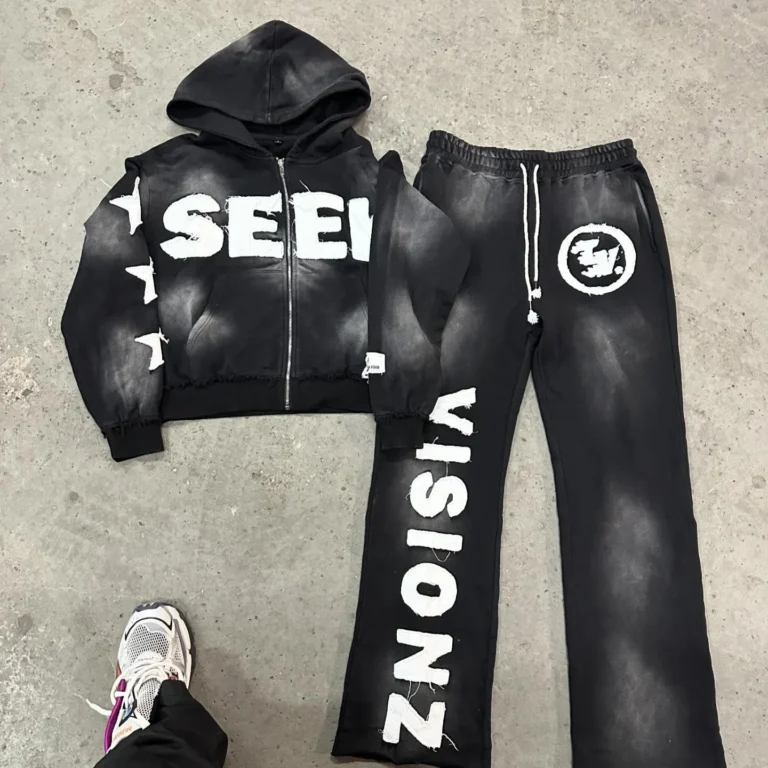
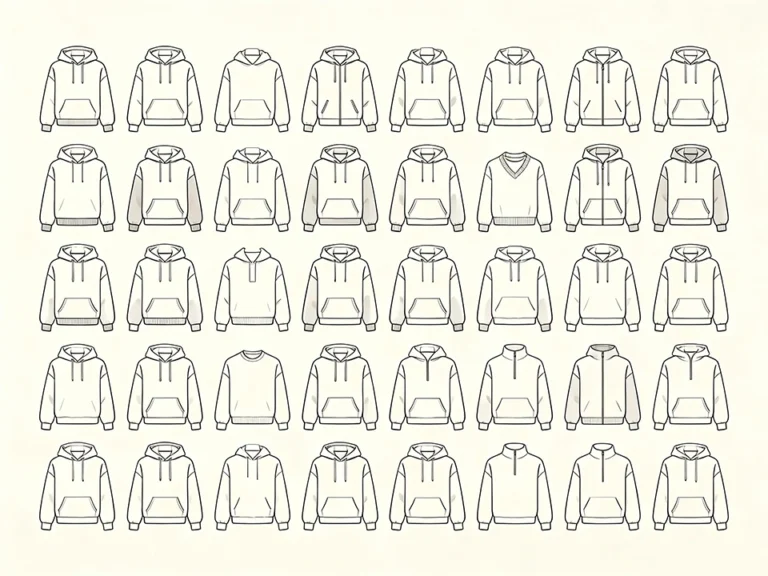
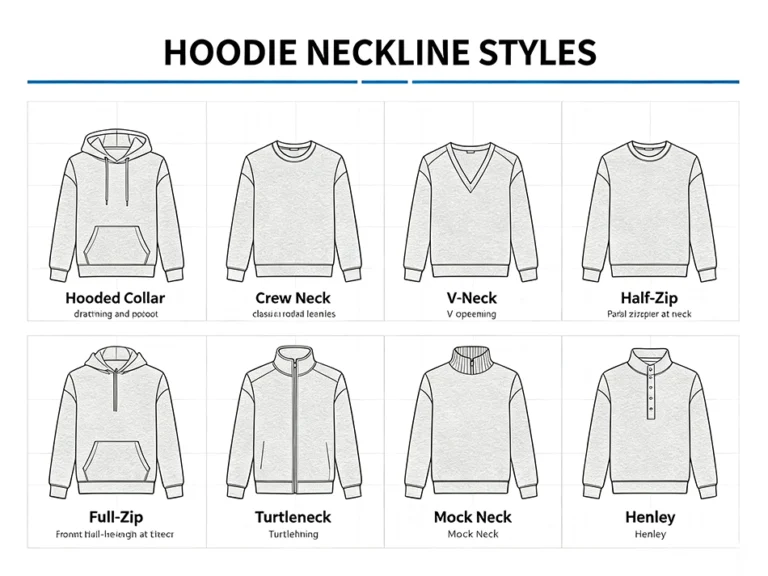
The hoodie manifests in several silhouettes. The pullover features a single front panel with a kangaroo pocket. The zip-up incorporates a full-length zipper, facilitating layering. The oversized hoodie embraces contemporary volume, with dropped shoulders and extended body length. The cropped hoodie exposes the midriff, appealing to specific fashion segments. Each silhouette presents distinct pattern engineering challenges and appeals to different consumer demographics.
Pattern Engineering for the Hoodie
Pattern engineering for hoodies requires attention to shoulder slope, armhole depth, and body length. Ease allowances must accommodate layering. The hood must be patterned to sit correctly when worn up or down. The pocket must be positioned for both aesthetics and utility. The pattern engineer must balance comfort with structure, ensuring that the garment drapes rather than collapses. This equilibrium is achieved through iterative fitting.
Hood Construction: Single-Layer, Double-Layer, and Lined
Hood construction varies in complexity. Single-layer hoods are lightweight but offer less structure. Double-layer hoods—self-lined—provide warmth and shape retention. Lined hoods, with fleece or sherpa interiors, offer maximum warmth and luxury. The manufacturer should advise on hood construction based on the intended season and market positioning. Drawcords, whether functional or decorative, must be anchored securely.
Pocket Configurations: Kangaroo, Split, and Zippered
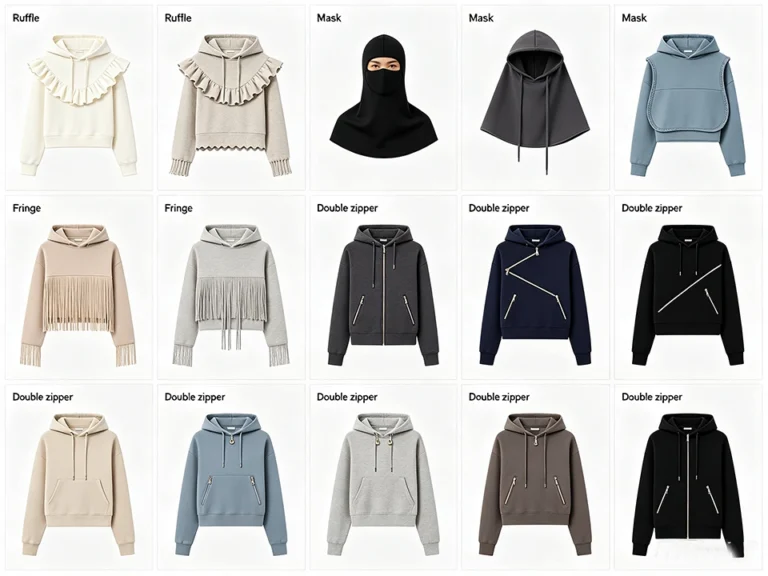
Pocket configurations influence both function and aesthetics. The kangaroo pocket—a single front pouch—is the archetype. The split pocket—two separate openings—offers a cleaner profile. The zippered pocket provides security for valuables. Pocket placement must be calibrated to the silhouette; a pocket that sits too high or too low disrupts visual proportion. The manufacturer must execute pocket construction with precision, reinforcing stress points with bartacks.
Ribbing, Cuffs, and Hem Finishing
Ribbing provides stretch and shape retention at cuffs and hem. The rib’s composition—cotton, elastane, or blends—determines its resilience. A high-quality ribbing resists stretching and pilling. The manufacturer must select ribbing appropriate to the fabric weight and ensure that it is attached securely. Hem finishing may include cover stitching, flatlock stitching, or binding. Consistency in stitch density and alignment is a hallmark of manufacturing excellence.
Drawcords, Aglets, and Hardware Selection
Drawcords contribute both function and fashion. The cord may be flat or round, cotton or polyester, dyed to match or contrast. Aglets—the tips—may be plastic, metal, or shrink-wrapped. Metal aglets with engraved logos enhance perceived value. The manufacturer must source these components from vetted suppliers, ensure compliance with international standards, and integrate them without disrupting production flow.
Custom Printing Techniques: Screen, DTG, and Sublimation
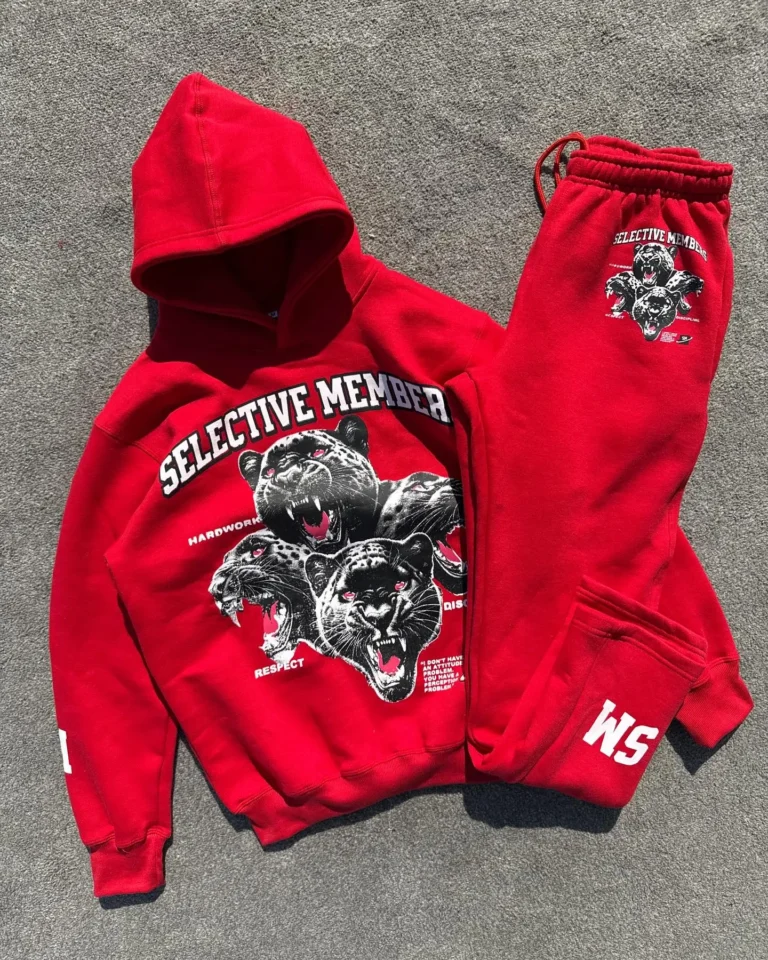
Printing transforms the hoodie into a branding vehicle. Screen printing—applying ink through a mesh—offers vibrancy and durability for bold graphics. DTG (direct-to-garment) printing enables photographic detail and short runs. Sublimation—transferring dye via heat—works best on polyester. The manufacturer must advise on techniques appropriate to the fabric composition and design complexity. Wash testing ensures that prints withstand laundering.
Embroidery and Appliqué for Logo Execution
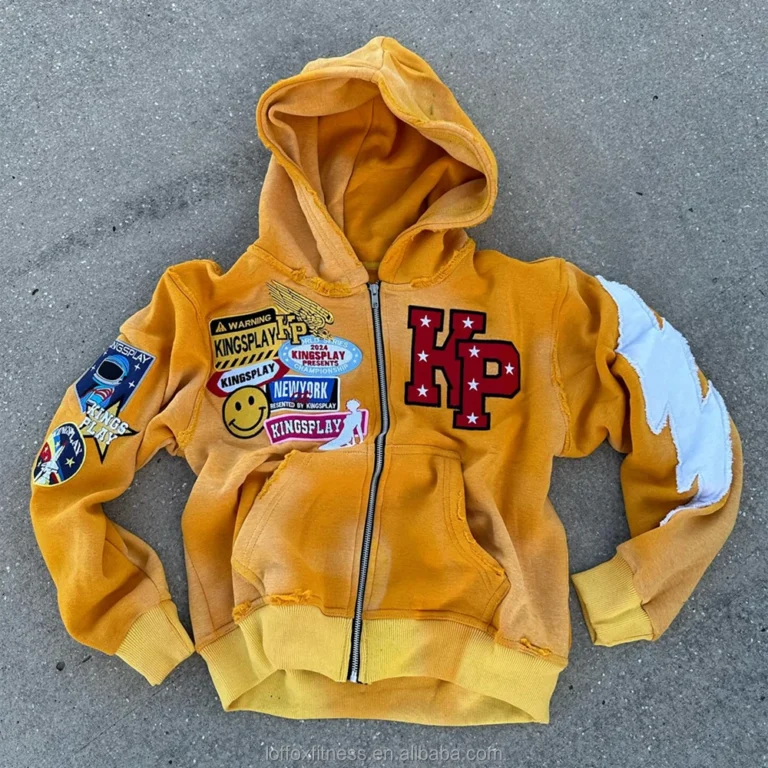
Embroidery offers dimension and durability; it is well-suited to hoodie fleece. Appliqué—sewing fabric patches onto the garment—provides a tactile, premium effect. Both techniques require digitized files and careful placement. The manufacturer must possess the equipment and expertise to execute each method with precision. Logo files must be provided in appropriate formats, and stitch counts should be optimized for cost and quality.
Sizing, Grading, and Fit Inclusivity
Sizing hoodies requires attention to chest, shoulder, and sleeve length. Grading must preserve proportional relationships across sizes. Extended sizing, including larger chests and broader shoulders, broadens the addressable market. Buyers should provide clear size charts and specify whether hoodies are intended to fit snugly or with layering ease. Transparency and consistency are paramount.
The Sampling Process for Custom Hoodies
Sampling validates design, construction, and branding. Prototypes reveal pattern flaws, fabric behavior, and print or embroidery fidelity. Fit samples assess silhouette and comfort. Pre-production samples confirm that bulk materials and methods will yield the approved result. A manufacturer that embraces iterative sampling reduces the risk of bulk production failures. Patience during sampling averts costly corrections later.
Minimum Order Quantities and Production Economics
MOQs in Chinese hoodie manufacturing vary widely. Vertically integrated factories may require higher volumes; smaller workshops may accommodate lower quantities at higher per-unit costs. Buyers should understand that MOQs reflect fabric procurement, setup costs, and production efficiency. Scalability is equally important. A manufacturer must demonstrate capacity to ramp up production without sacrificing quality or extending lead times.
Quality Assurance Protocols for Chinese Production
Quality assurance must be rigorous. Measurements, stitch integrity, print or embroidery fidelity, and hardware function are baseline checks. Colorfastness, shrinkage, and pilling resistance must be verified. A manufacturer with a documented QA protocol and traceable records provides assurance. Third-party inspections, conducted by firms such as SGS, Bureau Veritas, or Intertek, offer additional verification and are recommended for buyers new to Chinese sourcing.
Compliance, Certification, and Ethical Manufacturing
Compliance is non-negotiable. Certifications such as WRAP, BSCI, Sedex, GOTS, and OEKO-TEX provide independent verification of labor conditions and environmental performance. Restricted substances lists must be observed. Wastewater from dyeing and printing must be treated responsibly. A manufacturer committed to these standards enables buyers to market their hoodies with integrity and mitigates legal and reputational risks.
Tariffs, Logistics, and Cross-Border Trade Considerations
International trade introduces layers of complexity. Tariffs on apparel vary by country of origin and destination. Rules of origin determine eligibility for preferential treatment. Documentation—commercial invoices, packing lists, certificates of origin—must be accurate to avoid customs delays. Logistics providers specializing in apparel freight can expedite clearance. A manufacturer experienced in export markets anticipates these requirements.
Packaging, Labeling, and Retail Readiness
Packaging shapes perception. Hoodies may be folded, hung, or rolled, depending on retailer requirements. Polybags, hangtags, and size stickers must align with the brand’s identity and comply with retailer mandates. Care labels must include fiber content, country of origin, and washing instructions. A manufacturer that understands retail readiness reduces the burden on the buyer and enhances shelf appeal.
Cost Structures and Negotiation Dynamics
Costs comprise fabric, trims, labor, printing or embroidery, finishing, packaging, and overhead. A reliable manufacturer provides itemized quotations that delineate these components. Negotiation should focus on total cost of ownership, not merely unit price. Payment terms, currency fluctuations, and volume discounts should be discussed openly. The lowest bidder may deliver the highest defect rate; quality and reliability must be weighed alongside cost.
Common Pitfalls When Ordering from China
Pitfalls are plentiful. Inadequate vetting of a supplier’s credentials leads to substandard output. Overlooking communication barriers results in misunderstandings. Neglecting to verify compliance invites customs seizures. Underestimating lead times during peak seasons causes stockouts. Remedies include thorough due diligence, clear technical documentation, bilingual communication, and regular progress reviews.
Case Studies: Successful Custom Hoodie Programs
Examination of successful programs yields insights. A streetwear brand partnered with a Guangdong factory to produce heavyweight fleece hoodies with embroidered logos, achieving rapid sell-through. A promotional agency collaborated with a Zhejiang manufacturer on DTG-printed hoodies for a corporate event, meeting tight deadlines. In both cases, success derived from aligned aesthetics, transparent communication, and the manufacturer’s technical proficiency.
Future Trends in Hoodie Manufacturing
The future will be shaped by digitalization, automation, and sustainability. 3D sampling reduces the need for physical prototypes. Automated cutting and sewing enhance precision. Recycled and organic fabrics appeal to eco-conscious consumers. Blockchain traceability and circular economy models are emerging. Manufacturers that invest in these capabilities will offer buyers a competitive advantage.
Conclusion: Selecting a Chinese Partner for Hoodie Excellence
The custom hoodie manufacturer from China represents a strategic opportunity for brands navigating an era of rapid iteration and discerning consumers. The selection of such a manufacturer is a decision of considerable consequence. It determines product quality, market responsiveness, and brand reputation. The ideal partner combines technical expertise, transparent communication, scalable capacity, and ethical integrity. By conducting rigorous due diligence, documenting specifications meticulously, and nurturing collaborative relationships, buyers can bring distinctive hoodies to market that resonate with consumers and endure beyond a single season.