

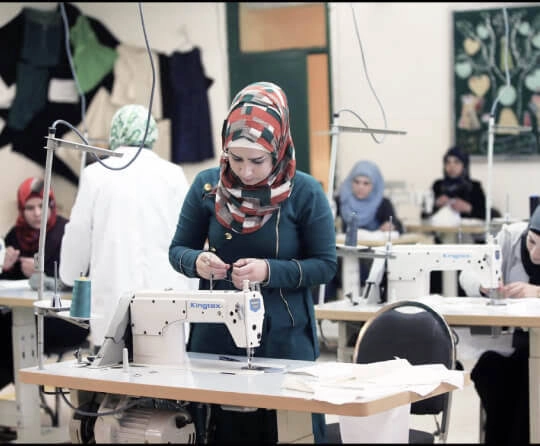
The Strategic Importance of Turkish Clothing Manufacturing
Turkey has firmly established itself as one of the world’s premier destinations for clothing manufacturing, combining European quality standards with competitive pricing and exceptional geographic advantages. For international buyers, retailers, and fashion brands seeking reliable production partners, the question is not whether Turkey offers excellent manufacturing options, but rather where and how to find the right Turkish manufacturer for specific product needs.
The Turkish apparel industry has evolved into a sophisticated ecosystem serving major global markets. In 2023, Turkey’s textile and ready-to-wear clothing exports reached approximately 33 billion USD, with the European Union accounting for a substantial portion of apparel exports. This scale reflects the deep trust international buyers place in Turkish manufacturing capabilities. Overall production volume in Turkish textiles and ready-to-wear exceeded 73 billion USD in 2025, while combined exports in textile and apparel reached approximately 26 billion USD.
Understanding where to find Turkish manufacturers requires navigating a multi-faceted landscape of trade shows, industry associations, B2B platforms, and regional manufacturing clusters. This guide provides a systematic approach to identifying, evaluating, and partnering with Turkish clothing manufacturers who can deliver quality, reliability, and value.
Understanding Turkey’s Manufacturing Strengths and Regional Clusters
Why Turkey Excels in Clothing Manufacturing
Turkey’s competitive advantages in apparel production are multifaceted and compelling for international buyers:
Geographic and Strategic Position: Turkey serves as a natural bridge between Europe, Asia, and the Middle East. This positioning enables shipping to European markets within 3 to 7 days, compared to 30 to 45 days from Asian manufacturing hubs. The favorable time zone for European and North American communication further simplifies collaboration.
Manufacturing Heritage: With over 600 years of textile tradition dating to the Ottoman Empire, Turkey possesses a skilled workforce with generational craftsmanship knowledge. Modern factories equipped with European-standard machinery complement this traditional expertise.
Quality-Price Balance: Turkish manufacturers offer European quality standards at costs typically 30 to 50 percent lower than Western Europe, while maintaining higher quality than many Asian alternatives at similar price points. This balance supports healthy retail margins.
Product Specialization: Turkish manufacturers excel across diverse categories including suits and formalwear, shirts, knitwear, outerwear, denim, and children’s wear.
Major Manufacturing Regions and Their Specializations
Turkey’s textile production is concentrated in three major clusters, each offering distinct capabilities:
Istanbul and the Marmara Cluster: As Turkey’s commercial capital, Istanbul hosts numerous export-oriented showrooms, design studios, and luxury clothing manufacturers. The city serves as the gateway for international buyers, offering seamless logistics connections to global markets. Istanbul is particularly strong in high-end fashion, sample development, and quick-turnaround production.
Bursa: Known as Turkey’s textile heartland, Bursa specializes in large-scale knitwear production and premium fabric manufacturing. The city is internationally recognized for luxury textile production and high-quality woven materials.
Gaziantep and the Southeastern Cluster: This region, which includes Adana, Adıyaman, Kayseri, Kahramanmaraş, Malatya, and Osmaniye, accounts for 75 percent of Turkey’s main textile production. In the first three months of 2024, Gaziantep’s textile industry exported 340 million USD, making it the province with the highest textile export after Istanbul. The region specializes in affordable ready-to-wear production, mass textile manufacturing, and competitive wholesale garment exports.
Denizli and the Aegean Cluster: This region, including Izmir and Uşak, is a leader in sustainable textiles, focusing on organic cotton, OEKO-TEX certified fabrics, and eco-friendly processing. Denizli is particularly known for home textiles, towels, and bathrobes.
Strategic Channels for Finding Turkish Manufacturers
Industry Trade Shows and Exhibitions
Trade shows represent one of the most effective channels for finding and vetting Turkish clothing manufacturers. These events provide face-to-face access to suppliers, allowing buyers to assess sample quality, professionalism, and production capabilities directly.
Texhibition Istanbul is the premier textile and fabric fair in Turkey, organized by ITKIB Fairs on behalf of the Istanbul Textile Exporters’ Association (İTHİB). The ninth edition, held in March 2026, hosted over 500 exhibitors across 40,000 square meters and attracted more than 25,000 visitors from regions including the EU, UK, US, North Africa, and the Middle East. Industry leaders such as Altın Yıldız, Arıkan, Btd Tekstil, Can Tekstil, İskur Boya, Kipaş, Marsala, Mem Textile, Yünsa, and Zorluteks participate in the exhibition.
Special areas within Texhibition include the Trend Area, Innovation Hub, ReValue Stock Hub, and Blue Black Texhibition for denim. The fair also features seminars on innovative production techniques, sustainable textile solutions, fashion trends, and technology integration.
Istanbul Fashion Connection (IFCO) is another major fashion and sourcing fair, bringing together Turkish manufacturers with global buyers. The fair features dedicated segments for womenswear, menswear, kidswear, denim, lingerie, and sportswear, with a dedicated B2B area facilitating structured matchmaking.
The Istanbul Apparel Conference, organized by the Turkish Clothing Manufacturers’ Association (TGSD), includes B2B networking events where brands and purchasing groups meet local manufacturers. In recent editions, more than 1,500 meetings were held on an appointment basis.
Industry Associations and Official Directories
Industry associations maintain directories of verified, export-ready manufacturers. These resources offer pre-vetted members and reduce the risk of partnering with unreliable suppliers.
Istanbul Textile and Apparel Exporters Association (İHKİB) and its subsidiary ITKIB Fairs Inc. organize major trade events and maintain official directories of Turkish exporters. These organizations provide access to companies with proven export capabilities and international compliance experience.
Turkish Clothing Manufacturers Association (TGSD), established in 1976, has 450 members that account for 70 percent of Turkey’s apparel export in value. TGSD captures the entire supply chain end-to-end and is the largest network for apparel and textile companies in Turkey. The association supports the growth and development of the apparel industry by providing guidance, promoting businesses overseas, and facilitating manufacturer cooperation.
B2B Platforms and Online Directories
Digital platforms offer convenient access to a wide range of Turkish manufacturers, though they require careful vetting to ensure reliability.
Specialized Sourcing Platforms: Platforms like Turkish Marketer offer verified directories of Turkish clothing factories, textile producers, and wholesale apparel suppliers. These services often include supplier verification, communication support, and logistics coordination, simplifying the import process for international buyers.
Industry Directories: Professional supplier directories provide factory contact details, product specialization information, export experience, and production capacity data, helping importers identify suitable suppliers quickly and efficiently.
Sourcing Agents and Local Representatives
For first-time buyers or those placing large orders, Turkish sourcing agents can be invaluable. Local agents understand the manufacturing landscape, have established relationships with factories, and speak the language. Typical fees range from 5 to 10 percent of order value or may be structured as monthly retainers.
Agents can arrange factory visits, negotiate terms, and provide ongoing quality oversight. They also help navigate cultural considerations in Turkish business culture, which places significant emphasis on personal relationships and hospitality.
Vetting and Evaluating Potential Manufacturing Partners
Assessing Production Capabilities
Beyond initial contact, thorough evaluation is essential for identifying reliable manufacturing partners.
Specialization Match: Evaluate whether the manufacturer’s expertise aligns with your product needs. A suit manufacturer may not excel at casual wear, and knitwear specialists differ from woven garment makers. Review portfolios and request examples of past production in your product category.
Capacity and Scale: Determine if the manufacturer can meet your Minimum Order Quantities and scale with your business growth. Typical MOQs range from 100 to 500 units per style and color, though smaller manufacturers may accept 50 to 100 units while larger factories often require 500 or more.
Technical Capabilities: Assess equipment quality and modernity, pattern-making and grading capabilities, sample development processes, fabric sourcing capabilities, and finishing and quality control processes.
Quality Standards and Certifications
Certifications serve as important indicators of professionalism and commitment to quality standards. Many Turkish manufacturers hold international certifications including:
- ISO 9001: Quality management systems
- OEKO-TEX Standard 100: Textile safety and environmental standards
- BSCI or WRAP: Social compliance and labor standards
- GOTS: Organic textile standards
These certifications demonstrate compliance with international production standards and are increasingly important for brands seeking sustainability credentials. Turkish manufacturers are noted for strong compliance alignment with EU regulations such as REACH and textile labeling standards.
Quality Control Processes
Effective quality management ensures consistent results. Key indicators include:
In-Line Inspections: Checks during production, not just at completion, catch issues early when corrections are easier.
Pre-Shipment Inspection: Final inspection of finished goods, typically sampling 10 percent of an order, with defect documentation and approval requirements before shipping.
Third-Party Inspection Services: Many buyers engage independent inspection companies such as SGS, Bureau Veritas, or Intertek for professional assessment. These services cost approximately $250 to $500 per inspection and provide detailed reports with photos.
Business Reliability Indicators
Assessing the manufacturer’s business reliability is equally important:
Company Background: Prefer manufacturers with 10 or more years in business, clear ownership structure, and demonstrated export experience. Request client references and contact them to inquire about quality, reliability, communication, and problem resolution.
Communication and Responsiveness: Evaluate English proficiency of key contacts, response time to inquiries (24 to 48 hours is acceptable), and willingness to answer questions thoroughly. Professional communication style and clarity in responses indicate service orientation.
Pricing Transparency: Reliable manufacturers provide clear, itemized quotes covering fabric, labor, trims, and overhead. Avoid suppliers with hidden fees or surprise charges.
Negotiating Terms and Building Successful Partnerships
Sample Development Process
The sample development process is critical for establishing quality expectations and ensuring production success.
Sample Costs: Typical sample costs range from $50 to $200 depending on complexity. Many manufacturers apply sample fees toward the first bulk order. Reasonable sample costs indicate seriousness and professionalism.
Sample Evaluation Timeline: Standard garments typically require 7 to 14 days for sample production. Items involving embroidery, special fabrics, or leather may need 14 to 21 days. Allow 5 to 10 business days for international express delivery.
Pre-Production Sample: Before bulk production, request a pre-production sample made with actual production fabrics and trims. This sample should represent exactly what the bulk order will look like and should be retained as a reference for quality control.
Payment Terms and Pricing
Standard payment terms in Turkish manufacturing include 30 percent deposit with 70 percent balance before shipping. Established relationships may enable net 30 to 60-day terms. Letters of Credit are available for larger orders. Avoid suppliers requesting 100 percent upfront payment, as this is a potential red flag.
Wholesale apparel prices in Turkey typically range from $2 to $10 per piece depending on fabric type, design complexity, order quantity, and manufacturing specifications.
Cultural Considerations in Turkish Business
Understanding and respecting Turkish business culture contributes significantly to successful partnerships. Turkish business culture is relationship-oriented, with personal connections carrying substantial weight. Expect warm welcomes, tea, and social conversation in business meetings. Negotiation is expected and respected, but fairness and reasonableness are appreciated. Show respect for manufacturer expertise and experience. Regular check-ins and transparent communication build trust, with WhatsApp widely used for quick communication.
Red Flags and Risk Mitigation
Common Warning Signs
Recognizing potential issues early helps avoid problematic partnerships. Unrealistic pricing significantly below market rate is a primary red flag. Other concerns include reluctance to provide samples, inability to clearly articulate production capabilities, unwillingness to provide client references, lack of certifications for export markets, excessive MOQ requirements that do not match capabilities, and poor communication responsiveness.
Effective Risk Mitigation
To reduce sourcing risks, employ several strategies. Use secure transaction platforms with escrow options for initial orders. Require third-party inspection reports for first bulk shipments. Establish clear penalty clauses for late deliveries or quality deviations in contracts. Start with smaller batches to test reliability before committing to large volumes. Conduct factory visits to assess facilities, equipment, workforce, and quality control processes firsthand.
Turkey’s Position in the Global Textile Market
Turkey currently ranks as the world’s fifth-largest textile exporter and the second-largest supplier to the European Union. The clothing and textile sector represents around 10 percent of Turkey’s industrial production and employs more than 2 million people directly and indirectly. Approximately 70 percent of Turkey’s clothing exports are directed toward European markets, demonstrating the strong international trust in Turkish textile quality.
The country has also emerged as a global leader in denim, ranking as the world’s third-largest denim garment producer, with strong production and design capacity continuing to play a crucial role in securing its place in the global market.
Conclusion: Our Manufacturing Capabilities
As a clothing manufacturing company, we understand the importance of reliability, quality, and partnership in the apparel sourcing process. Our position as a manufacturer enables us to offer international buyers the advantages that make Turkey a premier sourcing destination.
We combine extensive production capabilities with deep technical expertise and a commitment to quality that meets international standards. Our manufacturing facilities are equipped with modern machinery capable of producing diverse garment categories including womenswear, menswear, knitwear, and outerwear. We maintain comprehensive quality control processes with in-line inspections and final pre-shipment checks.
Our team possesses years of experience in export manufacturing, ensuring compliance with international requirements including REACH, OEKO-TEX, and other relevant standards. We provide transparent pricing with clear cost structures and reasonable payment terms. Our sample development process is efficient and collaborative, enabling rapid product validation.
We offer flexible production capacities suitable for both smaller brands testing new collections and larger retailers requiring significant volume. Our location in Turkey enables shipping to European markets within 3 to 7 days, reducing lead times and inventory costs for our international clients.
We view our clients as strategic partners, working collaboratively to bring design visions to production reality. Our commitment to quality, reliability, and continuous improvement has earned us trust across multiple export markets. We welcome the opportunity to demonstrate our manufacturing capabilities and discuss how we can support your sourcing needs.