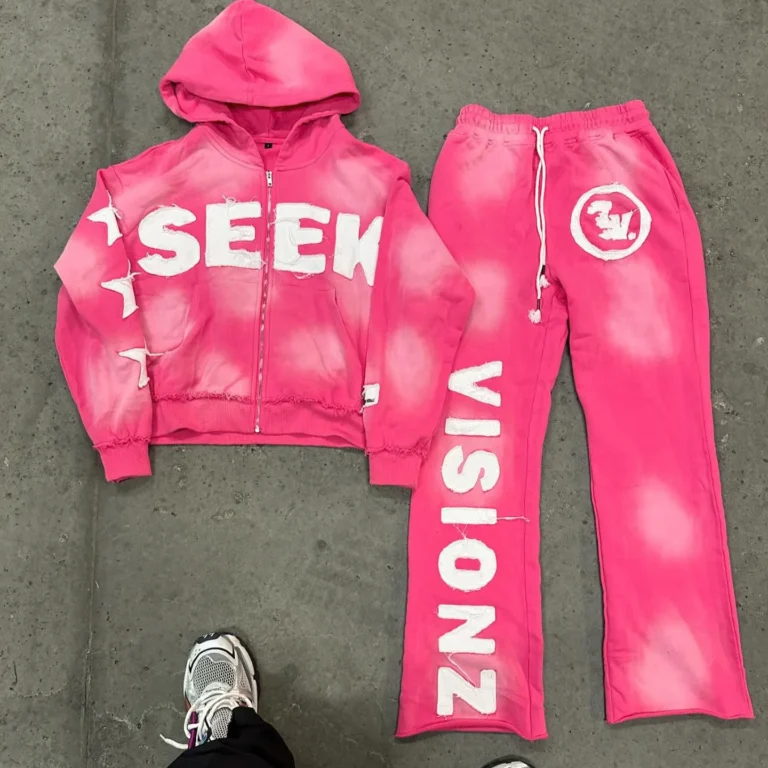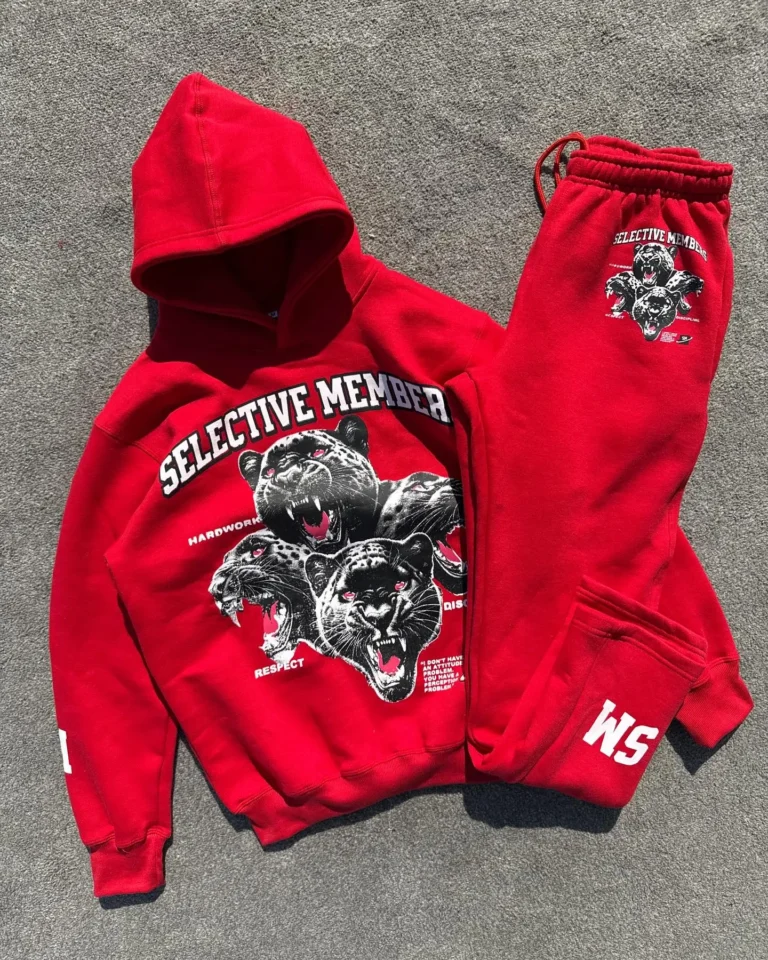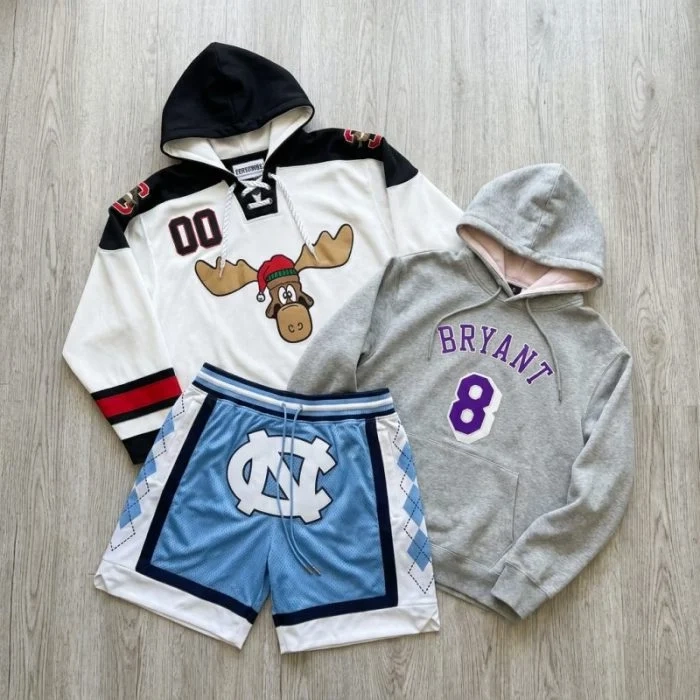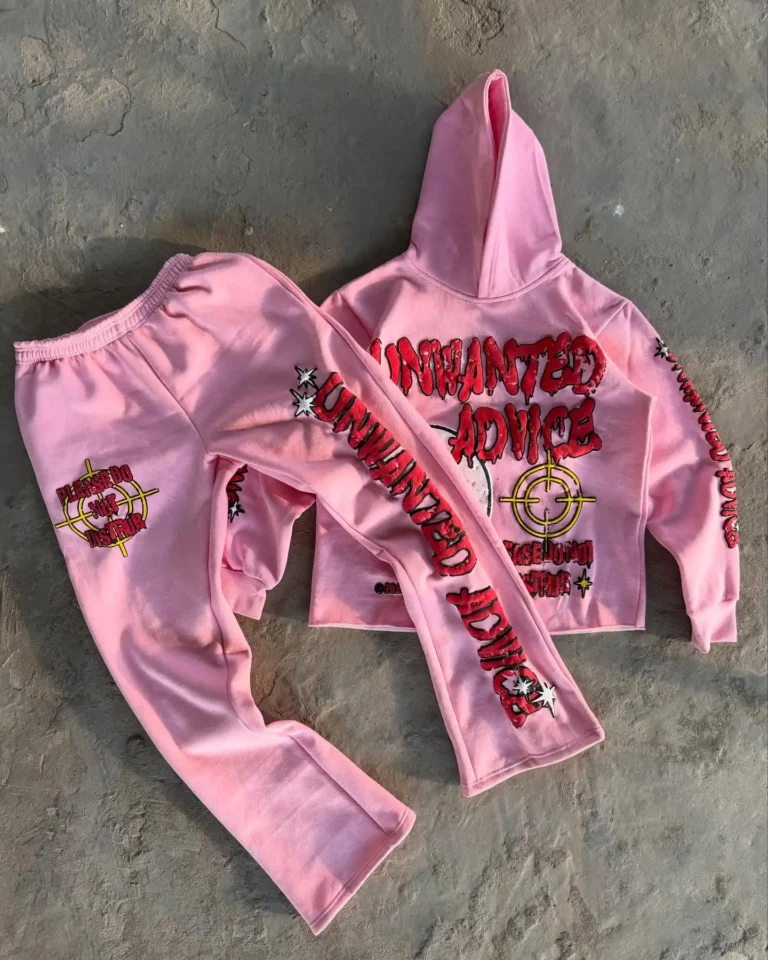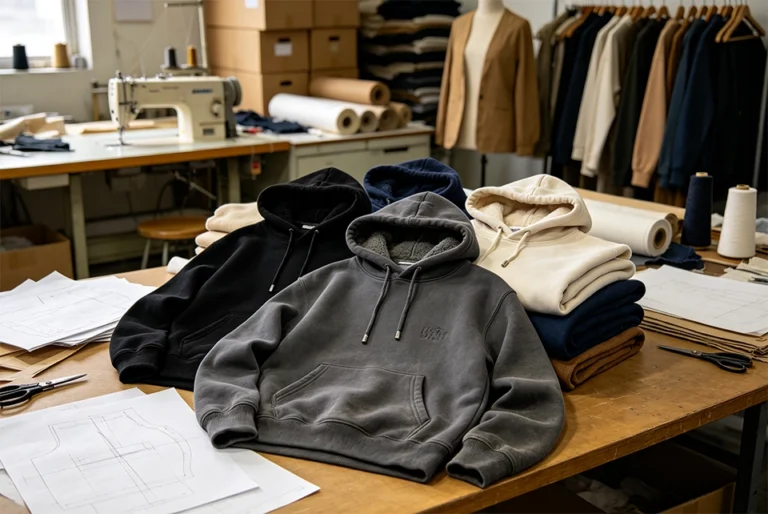
Introduction: The Allure of the Custom Hoodie Business
The hoodie occupies a singular position in contemporary apparel. It is casual yet expressive, utilitarian yet capable of conveying identity. For entrepreneurs seeking entry into the apparel market, the custom hoodie business presents an accessible yet potentially lucrative opportunity. The barriers to entry are lower than for cut-and-sew manufacturing. The demand is broad and enduring. The pathways are multiple, each suited to different levels of capital, ambition, and technical capability. This article examines the architecture of launching such a business—from concept validation to production sourcing to sales channel development.
Defining the Business Model
Print-on-Demand Versus Private Label Versus Cut-and-Sew
Three primary models govern the custom hoodie business. Print-on-demand (POD) produces garments only after a sale, eliminating inventory risk. Private label involves purchasing pre-made blanks and applying branded labels and decorations. Cut-and-sew manufacturing constructs garments from raw fabric according to proprietary specifications. Each model carries distinct economics and operational obligations.
Matching Model to Capital, Ambition, and Timeline
POD suits founders with limited capital and a desire for rapid testing. Private label suits those seeking brand differentiation without the complexity of full manufacturing. Cut-and-sew suits established brands with proven demand and the capital to invest in tooling, sampling, and inventory. The model must align with the founder’s resources and strategic intent .
Validating the Concept and Identifying a Niche
The Interest × Aesthetic Matrix
A viable niche emerges at the intersection of a specific interest and a distinct aesthetic. A hoodie design that combines, for example, chess culture with a 1990s retro visual language targets a defined audience with shared identity markers . This specificity reduces competition and fosters loyalty.
Competitor Analysis and Gap Identification
Examine established brands within the target niche. Identify what they offer and what they neglect. Gaps in sizing, design sensibility, quality, or storytelling represent opportunities. The objective is not to replicate competitors but to occupy territory they have ceded.
Testing Demand Before Investing
Before committing capital to inventory or manufacturing, validate demand. Social media engagement, pre-order campaigns, or small POD test runs provide empirical evidence. A design that generates enthusiastic response warrants further investment; one that languishes does not.
Choosing Your Production Pathway
The Print-on-Demand Route: Low Risk, Lower Margins
POD platforms such as Printful and Printify produce garments only when ordered, eliminating inventory and upfront manufacturing costs . The trade-off is higher per-unit costs and limited customization. POD excels for validation, micro-volume, and founders with minimal capital.
The White-Label and Blank Sourcing Route
This model involves sourcing blank hoodies from wholesale distributors or manufacturers, then applying decoration and branding. It offers greater control over garment quality and branding than POD, with moderate minimum order quantities. The blank becomes the canvas; the brand provides the identity .
The Direct Manufacturer Route: Full Creative Control
Partnering directly with a factory enables complete specification of fabric, fit, hardware, and construction. Unit economics improve dramatically at scale. However, minimum order quantities are high—often 100 to 500 pieces per style—and lead times extend from eight to sixteen weeks . This pathway suits premium-focused brands with funding and patience.
The Print-on-Demand Ecosystem
How POD Fulfillment Operates
POD platforms integrate with e-commerce storefronts. When a customer orders, the platform prints or embroiders the design onto a blank hoodie and ships directly to the consumer. The seller never touches inventory. This model reduces operational complexity and capital requirements to near zero .
Platform Profiles: Printful, Printify, Gelato, Apliiq
Printful operates its own facilities, offering consistent quality and branded packaging options. Printify functions as a network of independent print providers, offering flexibility and competitive pricing but variable quality. Gelato emphasizes local production across 140+ facilities worldwide, reducing shipping times and carbon footprint. Apliiq specializes in private-label aesthetics, including custom woven labels and hem tags .
When POD Ceases to Serve
POD falters at scale. Per-unit costs remain high, customization options are constrained by platform catalogs, and the garments remain fundamentally generic. Brands with proven demand should transition to bulk manufacturing for superior margins and differentiation .
Sourcing Blanks and White-Label Hoodies
Evaluating Blank Quality: GSM, Blend, and Hand Feel
Fabric weight, measured in grams per square meter (GSM), determines warmth and perceived quality. Midweight options range from 280 to 320 GSM; heavyweight fleece begins at 400 GSM . Cotton-polyester blends (80/20) offer softness and shrink resistance. High-cotton content is essential for DTG printing; heavy GSM is required for embroidery .
Domestic Distributors Versus Overseas Suppliers
Domestic distributors such as SanMar and S&S Activewear offer speed and simplicity, with no import complications. Overseas suppliers, particularly in China’s Guangdong province, offer lower unit costs but longer lead times and communication challenges .
The Resale Certificate and Wholesale Access
Access to wholesale pricing typically requires a resale certificate or business license. This requirement filters casual buyers from serious entrepreneurs. Establishing a business entity is a prerequisite for accessing the wholesale supply chain.
Direct Manufacturer Sourcing: The OEM/ODM Pathway
Why Factories Offer Superior Unit Economics
Factories in China and Southeast Asia produce hoodies at prices far below domestic alternatives. A basic embroidered hoodie costing thirty dollars from a domestic decorator may cost eight to twelve dollars from a factory at volume . The savings compound across large orders, enabling competitive retail pricing and healthy margins.
Manufacturing Hubs: Guangdong, Fujian, Zhejiang
Guangdong province—particularly Dongguan and Guangzhou—hosts vertically integrated facilities with expertise in knitwear, decoration, and logistics . Fujian offers technical innovation in digital printing. Zhejiang specializes in knitwear production and export experience. Each region offers distinct advantages.
Assessing Supplier Reliability and Vetting
On-time delivery rates above 90% indicate operational stability. Response times under four hours suggest dedicated customer service. Suppliers offering Trade Assurance or escrow protections reduce transaction risk. Request physical samples and third-party inspection reports before committing to bulk production .
Design and Decoration Methods
Embroidery: Durability and Perceived Value
Embroidery stitches thread directly into the fabric, creating a raised, tactile design that survives more than 100 wash cycles. It suits logos and simple graphics. Complex gradients and fine details do not translate well. Digitizing costs range from $15 to $100 .
Screen Printing: Vibrancy and Scale Economics
Screen printing applies ink through a mesh stencil. It excels at bold, flat colors and large graphics. Setup costs—screen creation and color separation—make it less economical for small runs, but per-unit costs decline sharply at volume .
DTG and DTF: Flexibility and Detail
Direct-to-garment printing accommodates photographic imagery and complex gradients without setup fees. It requires high-cotton content (80% minimum). Direct-to-film offers similar flexibility with broader fabric compatibility .
Specialty Techniques and Mixed Media
Puff printing adds dimensional texture. Chenille patches evoke varsity aesthetics. Sublimation produces all-over prints on synthetic fabrics. Combining techniques creates layered, textured compositions.
Building the Brand Identity
Name, Logo, and Visual Language
The brand name and logo establish recognition. Visual language—color palette, typography, photography style—reinforces identity across every touchpoint. Consistency builds trust and memorability.
Woven Labels, Hangtags, and Packaging
Woven neck labels, printed care tags, and hangtags transform generic garments into branded products. Custom packaging reinforces the brand experience. These details signal legitimacy and justify premium pricing .
The Perception Premium of Branded Details
Consumers perceive branded details as indicators of quality and intentionality. A hoodie with a woven label and branded hangtag commands higher prices than an identical garment without them. The investment yields disproportionate returns.
Pricing Architecture and Margin Calculation
Cost Components: Product, Decoration, Shipping
The landed cost of a custom hoodie comprises the blank cost, decoration charges, shipping, duties, and any inspection or agent fees. POD hoodies may cost $25 to $45; domestic decorated hoodies $20 to $40; factory-direct hoodies $6 to $20 .
Landed Cost and Hidden Fees
Hidden costs include setup fees, screen charges, digitizing costs, and sample fees. Currency fluctuations and tariff changes can alter landed costs. Prudent founders build contingencies and seek transparency from suppliers.
Pricing Strategy and Competitive Positioning
Retail pricing must cover landed cost, platform fees, marketing expenses, and desired margin. Cost-plus markup—adding 20% to 50%—provides a baseline . Premium positioning justifies higher markups; budget positioning demands volume.
The Sampling Protocol
Digital Mockups: Speed and Limitations
Digital mockups verify placement, scale, and color. They are fast and inexpensive. They cannot verify fabric hand, fit, or decoration durability.
Physical Samples: The Gold Standard
Physical prototypes reveal everything. They expose issues—color inaccuracy, poor stitching, print misalignment—before bulk production. Founders should order samples before committing to any supplier .
Strike-Offs and Pre-Production Approvals
A strike-off is a test application on the actual garment fabric. Approval of the strike-off prevents bulk errors. The pre-production sample serves as the golden standard for bulk production.
Setting Up the Sales Channel
Marketplaces Versus Your Own Store
Marketplaces such as Etsy and Amazon provide immediate access to millions of customers and built-in trust. However, fees erode margins, branding is constrained, and customer relationships remain the platform’s asset. Your own store offers full control over branding, pricing, and customer data, but requires driving traffic through SEO, social media, or advertising .
Shopify, Etsy, Amazon, and Social Commerce
Shopify integrates with POD platforms and offers robust storefront customization. Etsy suits niche, artisanal positioning. Amazon offers volume but intense competition. Social commerce—Instagram, TikTok—enables direct selling to engaged audiences .
The Hybrid Approach: Marketplaces for Traction, Store for Brand
Many successful brands begin on marketplaces to gain traction, then migrate customers to their own store. Offering exclusive products or discounts on the branded site encourages direct purchasing and fosters loyalty .
Marketing and Customer Acquisition
Niche Communities and Organic Social Strategy
Engage the communities your brand serves. Participate authentically in forums, subreddits, and social media groups. Create content that resonates with the niche’s identity and values. Organic engagement builds trust more effectively than advertising .
Paid Advertising and Influencer Partnerships
Paid social advertising accelerates growth once product-market fit is established. Influencer partnerships—particularly micro-influencers with engaged niche audiences—offer credibility and reach at moderate cost.
SEO, Content, and Email Marketing
Search engine optimization captures intent-driven traffic. Content marketing—blog posts, styling guides, behind-the-scenes narratives—builds authority. Email marketing nurtures customer relationships and drives repeat purchases .
Fulfillment and Logistics
POD Fulfillment Versus Self-Fulfillment
POD platforms handle fulfillment, eliminating the need for warehousing and labor. Self-fulfillment requires storage, packing materials, and shipping logistics. POD reduces operational complexity; self-fulfillment offers greater control .
Shipping Methods and Cost Trade-Offs
Couriers offer speed and tracking for small shipments. Air freight balances speed and cost for medium volumes. Sea freight minimizes cost for large orders. The choice depends on urgency, volume, and budget.
Returns, Exchanges, and Customer Service
POD platforms typically do not accept returns for buyer’s remorse on custom products. Quality complaints are covered. Return policies must be explicit. Customer service workflows must distinguish between quality issues and preference-based returns .
Quality Control and Brand Protection
AQL Standards and Inspection Services
Acceptable Quality Limit standards define tolerable defect rates. Third-party inspection services verify quantity, quality, and specifications before shipment. Founders should specify AQL levels in purchase agreements.
Common Defects and Red Flags
Warning signs include reluctance to provide samples, evasiveness about production capacity, refusal to use escrow, and prices significantly below market. These indicators warrant caution .
Establishing Recourse and Claims Procedures
Document defects with photographs. Understand the supplier’s return policy and warranty provisions. Establish a claims process in advance to avoid disputes.
Financial Management and Scaling
Startup Cost Breakdown
POD businesses can launch for under $1,000, including platform subscriptions, samples, and initial advertising . Blank sourcing and decoration require $500 to $2,000 for initial inventory. Direct manufacturing demands $5,000 or more for tooling, samples, and minimum orders.
Cash Flow and Reinvestment
Inventory ties up capital. POD avoids this constraint but limits margins. Founders should model cash flow carefully and reinvest profits strategically.
Recognizing When to Scale Production
Transition from POD to bulk manufacturing when demand is proven and margins justify investment. The threshold varies by product and market, but consistent sell-through and positive customer feedback signal readiness.
Common Pitfalls and How to Avoid Them
Underestimating Sampling and Quality Control
Impatience leads to production before approval. Defective goods and costly remediation follow. Sampling is insurance, not formality.
Neglecting Reorder Consistency
A reorder may differ from the original order if the supplier changes materials or processes. Retaining approved samples and specifying standards mitigates this risk.
Choosing Solely on Price
The lowest quote often conceals inferior quality, hidden fees, or unreliable service. Value, not price, should guide selection.
Building Long-Term Supplier Relationships
Volume Commitments and Tiered Pricing
Larger orders unlock lower prices. Suppliers reward loyalty with priority scheduling and favorable terms. Tiered pricing structures incentivize volume commitments.
Exclusive Style Development
Suppliers may develop exclusive fabrics, fits, or decorations for committed buyers. Exclusivity differentiates the brand and prevents direct comparison with competitors.
Strategic Redundancy
Relying on a single supplier is risky. Qualifying a second source provides a hedge against disruptions and maintains negotiating leverage.
The Future of Custom Hoodie Manufacturing
Digital Inventory and Virtual Sampling
Digital platforms allow buyers to browse virtual inventories and approve samples remotely. These tools accelerate sourcing and reduce waste.
On-Demand Manufacturing at Industrial Scale
Factories are adopting on-demand models once confined to POD platforms. This convergence promises lower minimums and faster turnaround from direct manufacturers.
Sustainable Materials and Ethical Production
Organic cotton, recycled polyester, and OEKO-TEX certified fabrics appeal to environmentally conscious consumers. Certifications provide verifiable assurance of responsible sourcing .
Conclusion: From Concept to Brand
The custom hoodie business offers a rare combination: accessible entry points, multiple pathways to scale, and enduring consumer demand. The journey from concept to brand requires disciplined execution across production, branding, and marketing. Begin with validation. Choose the production model that matches your resources. Invest in samples. Build a brand identity that resonates. Price for margin. Market with intention. The hoodie is a ubiquitous garment, but a branded hoodie—well-made, thoughtfully designed, authentically positioned—transcends commodity status. It becomes an artifact of identity, worn and displayed by customers who become ambassadors. That is the opportunity. The execution is yours.