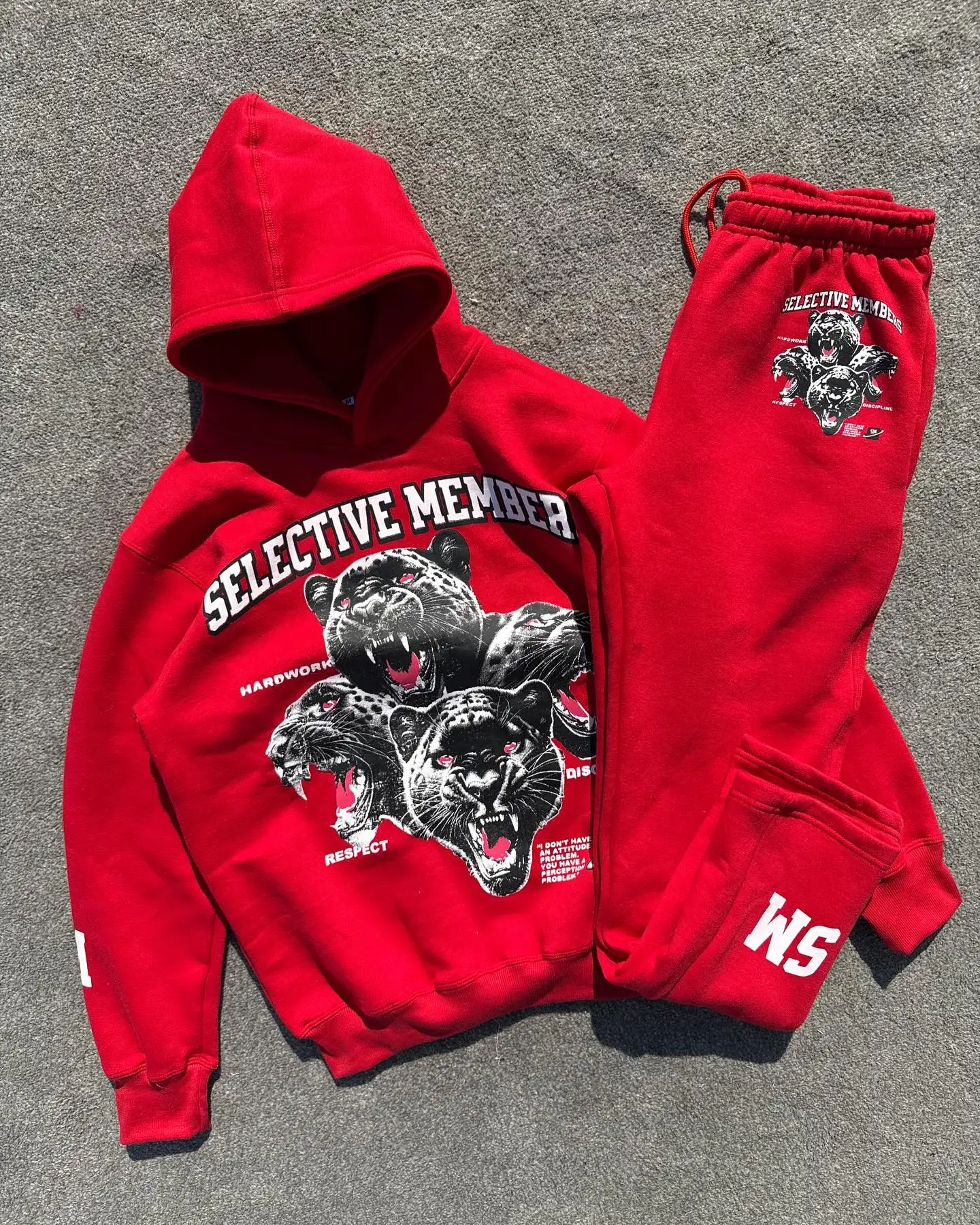
Introduction: The Imperative of Purposeful Selection
The hoodie has become the quintessential garment of contemporary casual wear. It serves athletes and aesthetes, laborers and loafers, students and executives. For those who wish to emblazon it with a personal or commercial insignia, the question of where to make a custom hoodie arises with deceptive simplicity. The answer, however, is contingent upon a constellation of variables: quantity, budget, timeline, aesthetic ambition, and tolerance for operational complexity. This article surveys the available avenues and furnishes the criteria by which each may be judged.
Establishing the Parameters of Customization
Decoration Versus Construction
Customization bifurcates into two distinct enterprises. Decoration entails applying a design to a pre-existing blank hoodie—embroidery, screen printing, or digital printing. Construction, by contrast, involves creating the garment itself from raw fabric, specifying fit, weight, and hardware. The former is accessible and inexpensive; the latter is capital-intensive but yields genuine differentiation.
Volume Thresholds and Their Consequences
Volume dictates viability. A single hoodie may be ordered from a print-on-demand platform. A dozen may be sourced from a local decorator. A hundred invites wholesale pricing. A thousand opens the door to direct factory sourcing. Each threshold carries distinct economics and logistical obligations.
Budget Realities and Hidden Costs
The sticker price rarely reflects the true cost. Setup fees, screen charges, digitizing costs, shipping, duties, and inspection fees accumulate. A hoodie quoted at eight dollars may land at fifteen. Prudent buyers calculate landed cost before committing.
The Print-on-Demand Avenue
The Mechanics of On-Demand Fulfillment
Print-on-demand platforms produce garments only after an order is placed. No inventory is held; no upfront investment is required. The seller uploads a design, the customer purchases, and the platform executes production and shipping.
Printful: The Premium Standard
Printful has cultivated a reputation for consistency. Its blanks are quality-controlled, its print methods reliable, and its global fulfillment network expansive. For brands that prioritize product integrity over rock-bottom pricing, Printful remains the benchmark.
Printify: The Aggregator Model
Printify operates as a marketplace of print providers. Sellers select from multiple suppliers, comparing prices and production locations. The model offers flexibility and competitive pricing, but quality varies by partner. Diligence is required.
Apliiq: Private Label Specialization
Apliiq caters to brands that aspire to something beyond a printed blank. Its services include custom woven labels, hem tags, and fashion-forward embellishments. The result is a hoodie that reads as a designed garment rather than a decorated one.
When POD Ceases to Serve
POD excels for validation and micro-volume. It falters at scale. Per-unit costs remain high, customization options are constrained, and the garments remain fundamentally generic. Brands with proven demand should transition to bulk manufacturing.
Digital Marketplaces and Design Platforms
Custom Ink and Its Competitors
Custom Ink provides an accessible interface for ordering decorated apparel. Design tools, instant quoting, and a network of production facilities enable rapid turnaround for schools, teams, and businesses. Competitors such as RushOrderTees and Real Thread offer similar services with varying emphases on speed, quality, and price.
Instant Quoting and Mockup Tools
These platforms furnish real-time pricing and digital mockups. The buyer uploads artwork, selects garment colors and sizes, and receives an immediate quotation. The process is frictionless. The trade-off is limited control over garment specifications.
The Convenience Premium
Convenience carries a cost. Digital marketplaces charge more per unit than direct manufacturers. For small orders and time-sensitive projects, the premium is justified. For volume buyers, it is an unnecessary expense.
Local Decorators and Artisan Printers
The Advantages of Physical Proximity
Local decorators offer face-to-face consultation, rapid turnaround, and freedom from international shipping complications. A local embroiderer can produce a dozen branded hoodies within a week. For urgent orders, proximity is invaluable.
Evaluating Local Craftsmanship
Not all local shops are equal. Ask to inspect samples of prior work. Inquire about equipment—multi-head embroidery machines, automatic screen presses, DTG printers. Verify experience with the specific fabric and decoration method required.
When Local Becomes Uneconomical
Local decorators charge more per unit than factories. At volumes exceeding several hundred pieces, the price differential becomes difficult to justify. Local sourcing is a convenience, not an economy.
Wholesale Distributors and Blank Sourcing
SanMar, S&S Activewear, and Alphabroder
These distributors supply blank garments to decorators and retailers. They stock vast inventories from brands such as Gildan, Bella+Canvas, and Independent Trading. Buyers with resale certificates may purchase blanks directly and arrange decoration separately.
The Resale Certificate Requirement
Access to wholesale pricing typically requires a resale certificate or business license. This requirement filters out casual buyers and preserves the distributor-decorator ecosystem.
Separating Blank Procurement from Decoration
Some buyers source blanks from distributors and decoration from independent shops. This unbundling can yield cost savings, but it introduces coordination complexity and divided accountability.
Direct Factory Sourcing: The OEM Pathway
Why Factories Dominate Unit Economics
Factories in China and Southeast Asia produce custom hoodies at prices far below domestic alternatives. A basic embroidered hoodie costing thirty dollars from a local shop may cost eight to twelve dollars from a factory at volume. The savings compound across large orders.
The Obligations Inherent in Direct Sourcing
Direct sourcing requires the buyer to assume responsibilities that platforms absorb: specification writing, sample approval, quality inspection, and logistics coordination. It demands diligence and patience. The reward is margin and control.
Assessing Factory Capability
Not all factories are equal. Request evidence of equipment, production capacity, and prior export experience. Ask for references. Insist on physical samples. Verify certifications where applicable.
China’s Manufacturing Clusters
Guangdong: Guangzhou, Dongguan, Shenzhen
Guangdong province is the epicenter of China’s custom apparel manufacturing. Guangzhou excels in rapid prototyping and low-MOQ flexibility. Dongguan hosts large-scale factories with sophisticated quality control. Shenzhen combines manufacturing capacity with proximity to logistics infrastructure.
Fujian and Zhejiang: Complementary Strengths
Fujian province, particularly Quanzhou, has emerged as a center for technical innovation in digital printing and fabric engineering. Zhejiang, home to Ningbo, offers strong knitwear production and export experience.
Navigating Language and Business Culture
Language barriers and cultural differences can complicate direct sourcing. Clear, simple communication is essential. Patience and respect for local business customs facilitate productive relationships.
Alternative Sourcing Geographies
Vietnam and Bangladesh: Labor and Trade Advantages
Vietnam and Bangladesh offer competitive labor costs and favorable trade agreements with Western markets. They have emerged as alternatives to China for buyers seeking tariff diversification.
Portugal, Turkey, and Mexico: Nearshore Proximity
Nearshore options reduce shipping times and tariff exposure. Portugal excels in quality knitwear. Turkey offers proximity to European markets. Mexico serves North American buyers with short lead times.
Selecting a Geography for Your Market
The optimal geography depends on the target market, tariff regime, and required lead time. No single location is universally superior.
Sourcing Agents and Trading Companies
The Function of the Intermediary
Sourcing agents identify factories, negotiate prices, oversee sampling, arrange inspections, and coordinate shipping. They bridge cultural and linguistic divides, reducing risk for inexperienced buyers.
Commission Structures and Fee Models
Agents charge commissions—typically three to ten percent of order value—or fixed fees. Some operate on retainer. The structure should align incentives and be transparent.
When an Agent Earns Their Keep
Agents are most valuable for complex orders, unfamiliar markets, or buyers with limited bandwidth. For simple orders from verified suppliers, their value diminishes.
B2B Platforms and Verified Suppliers
Alibaba, Made-in-China, and Global Sources
These platforms aggregate manufacturers and facilitate transactions. Alibaba dominates by volume. Made-in-China emphasizes industrial suppliers. Global Sources focuses on export-ready manufacturers.
Trade Assurance and Escrow Mechanisms
Trade Assurance holds payment in escrow until delivery terms are met. It provides recourse if suppliers fail to deliver or deliver defective goods. Buyers should insist on such protections.
Red Flags in Supplier Profiles
Warning signs include reluctance to provide samples, evasiveness about production capacity, refusal to use escrow, and prices significantly below market. These indicators warrant caution.
Matching Supplier to Decoration Method
Embroidery: Equipment and Expertise Required
Embroidery requires multi-head machines and skilled operators. The digitizing of artwork demands specialized software and expertise. Not all factories possess this capability.
Screen Printing: Setup and Scale Considerations
Screen printing demands color-matching expertise, screen creation, and drying capacity. Setup costs make it less economical for small runs, but per-unit costs decline sharply at volume.
DTG and DTF: Flexibility and Fabric Compatibility
Direct-to-garment printing accommodates photographic imagery and complex gradients without setup fees. DTF offers similar flexibility with broader fabric compatibility.
Specialty Techniques: Chenille, Puff, Sublimation
Chenille patches evoke varsity aesthetics. Puff printing adds dimensional texture. Sublimation gasifies ink into synthetic fabrics. Each technique suits specific applications and requires specialized equipment.
Fabric and Garment Specification
GSM, Blend, and Hand Feel
Fabric weight, measured in grams per square meter, correlates with warmth and durability. Lightweight options suit mild climates. Heavyweight fleece provides premium structure. Cotton-polyester blends balance softness and shrink resistance.
Fit Blocks and Size Grading
Fit blocks determine silhouette. Men’s, women’s, and unisex blocks differ in shoulder width, waist shaping, and sleeve length. Grading must accommodate the target market’s sizing conventions.
Sustainable and Certified Options
Organic cotton, recycled polyester, and OEKO-TEX certified fabrics appeal to environmentally conscious consumers. Certifications provide verifiable assurance.
The Sampling Protocol
Digital Mockups: Speed and Limitations
Digital mockups verify placement, scale, and color. They are fast and inexpensive. They cannot verify fabric hand, fit, or decoration durability.
Physical Prototypes: The Gold Standard
Physical prototypes reveal everything. They expose issues—color inaccuracy, poor stitching, print misalignment—before bulk production. Buyers should insist on physical samples and approve them in writing.
Strike-Offs and Pre-Production Approvals
A strike-off is a test application on the actual garment fabric. Approval of the strike-off prevents bulk errors. The pre-production sample serves as the golden standard for bulk production.
Pricing Architecture Across Channels
Per-Unit Costs by Volume and Method
POD pricing ranges from twenty-five to forty-five dollars per hoodie. Domestic decorators charge twenty to forty dollars depending on volume and complexity. Factory-direct pricing ranges from six to twenty dollars.
Setup Fees, Screens, and Digitizing
Screen printing incurs setup fees per color. Embroidery requires digitizing. These one-time costs amortize across the order and should be factored into unit economics.
Shipping, Duties, and Landed Cost
Shipping costs vary by method and destination. Duties and taxes vary by country and trade agreement. Landed cost calculation is essential for pricing and margin analysis.
Quality Assurance and Inspection
AQL Standards and Defect Classification
Acceptable Quality Limit standards define tolerable defect rates. Defects are classified as critical, major, or minor. Buyers should specify AQL levels in purchase agreements.
Third-Party Inspection Services
SGS, Bureau Veritas, and QIMA provide independent inspection services. They verify quantity, quality, and specifications before shipment.
Establishing Recourse and Claims Procedures
Establish a claims process in advance. Document defects with photographs. Understand the supplier’s return policy and warranty provisions.
Private Labeling and Brand Identity
Woven Labels, Hangtags, and Packaging
Woven neck labels, printed care labels, and hangtags transform generic garments into branded products. Packaging reinforces the brand experience.
The Perception Premium of Branded Details
Consumers perceive branded details as indicators of quality and legitimacy. The investment yields disproportionate returns.
Logistics and Fulfillment
Courier, Air, and Sea Freight Compared
Couriers offer speed and tracking for small shipments. Air freight balances speed and cost for medium volumes. Sea freight minimizes cost for large orders at the expense of transit time.
Incoterms and Customs Documentation
Incoterms define the division of responsibility between buyer and seller. Accurate customs documentation prevents delays and penalties.
Warehousing and Drop-Ship Models
Third-party logistics providers offer warehousing and fulfillment. Drop-shipping eliminates inventory holding but reduces control. The optimal model depends on order volume and customer expectations.
Common Pitfalls and Their Mitigation
Rushing the Sampling Phase
Impatience leads to production before approval. The result is defective goods and costly remediation. Sampling is insurance, not formality.
Neglecting Reorder Consistency
A reorder may differ from the original order if the supplier changes materials or processes. Retaining approved samples and specifying standards mitigates this risk.
Choosing Solely on Price
The lowest quote often conceals inferior quality, hidden fees, or unreliable service. Value, not price, should guide selection.
Scaling the Supplier Relationship
Volume Commitments and Tiered Pricing
Larger orders unlock lower prices. Suppliers reward loyalty with priority scheduling and favorable terms.
Exclusive Style Development
Suppliers may develop exclusive fabrics, fits, or decorations for committed buyers. Exclusivity differentiates the brand.
Strategic Redundancy
Relying on a single supplier is risky. Qualifying a second source provides a hedge against disruptions.
The Future of Custom Hoodie Production
Digital Inventory and Virtual Sampling
Digital platforms allow buyers to browse virtual inventories and approve samples remotely. These tools accelerate sourcing and reduce waste.
On-Demand Manufacturing at Industrial Scale
Factories are adopting on-demand models once confined to POD platforms. This convergence promises lower minimums and faster turnaround from direct manufacturers.
Conclusion: Aligning Channel with Ambition
The question of where to make a custom hoodie yields answers as varied as the buyers who ask it. Print-on-demand serves validation and micro-brands. Local decorators serve speed and simplicity. Distributors serve decorators. Factories serve volume and margin. Agents serve complexity. The correct choice depends on what the buyer seeks: risk mitigation, cost optimization, speed, or differentiation. Clarity of intent precedes successful sourcing. Define the objective, then select the channel that serves it. The hoodie is a durable, versatile garment. Sourcing it well is a strategic act.