Introduction: The Quest for the Ideal Custom Hoodie Source
The inquiry appears simple. The answer is anything but. Custom hoodies may be ordered through a bewildering array of channels—each with distinct economics, capabilities, and constraints. A design studio needs one supplier. A fledgling streetwear label needs another. A corporation ordering staff apparel needs a third. The correct channel is determined not by absolute superiority but by fit: fit with volume, budget, timeline, and ambition. This article maps the terrain.
Clarifying Intent: What “Custom” Actually Entails
Decoration-Only Customization
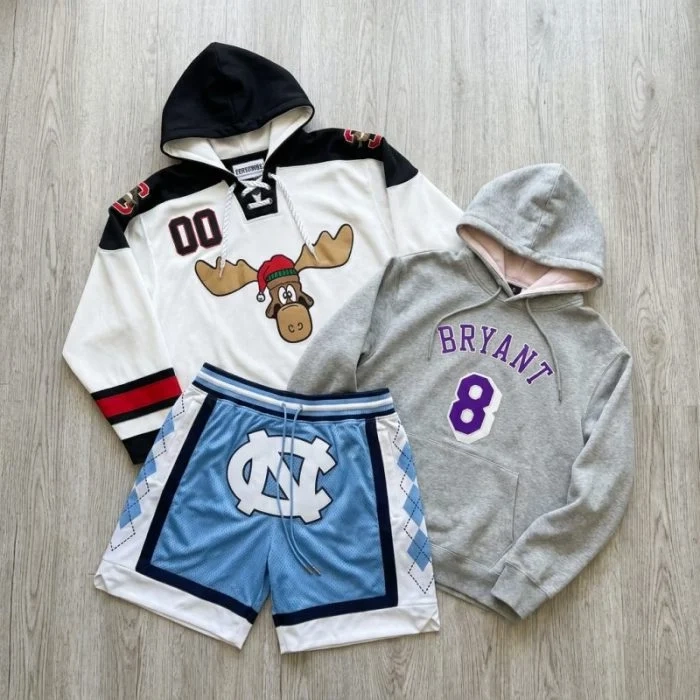
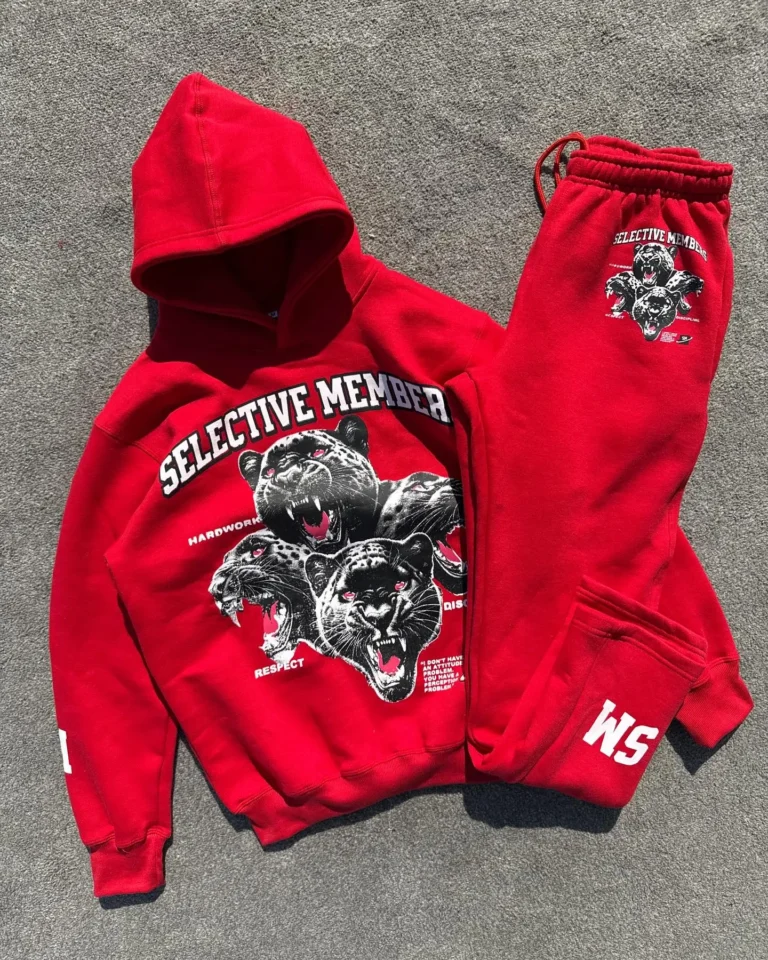
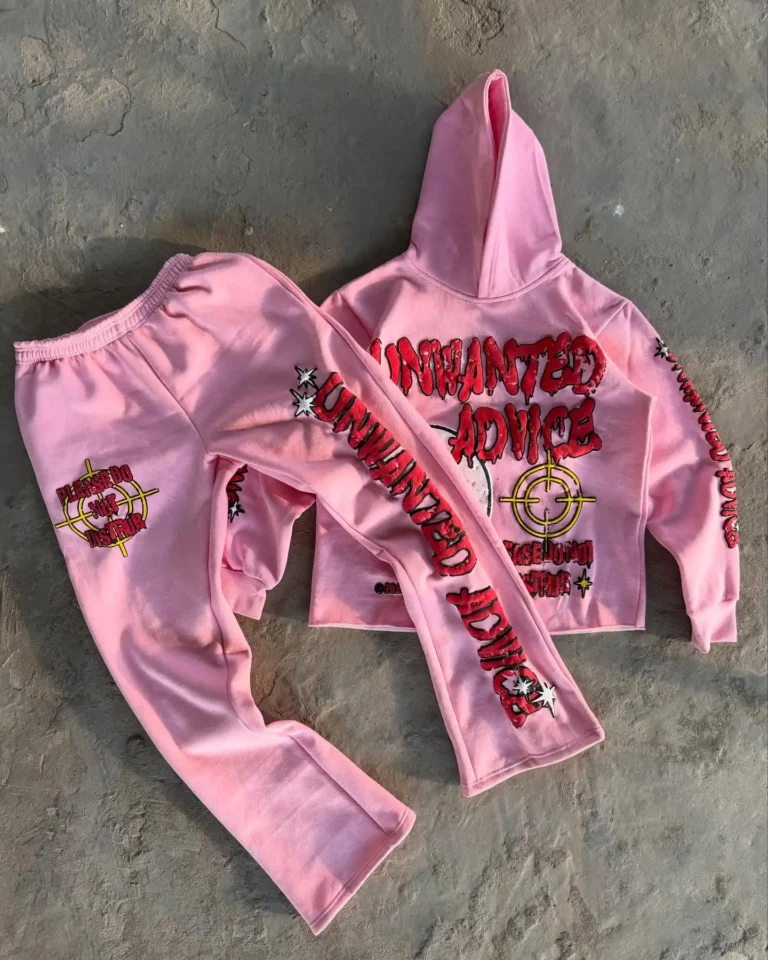
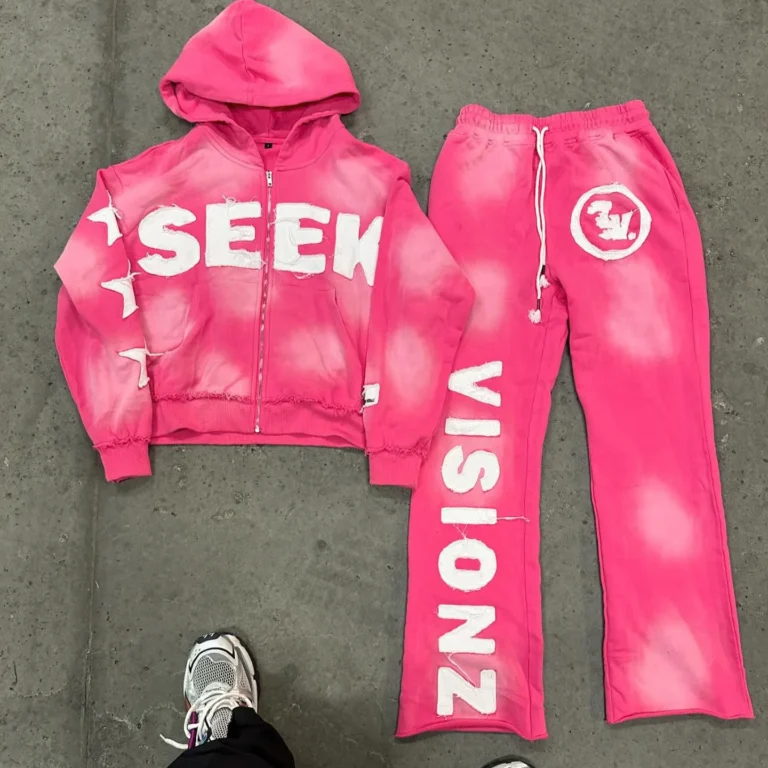
Decoration-only customization begins with a finished blank hoodie and applies a logo or design through embroidery, screen printing, or digital printing. The garment itself is not altered. This is the most common and accessible form of customization, requiring minimal technical knowledge and modest minimums.
Cut-and-Sew and Private Label Customization
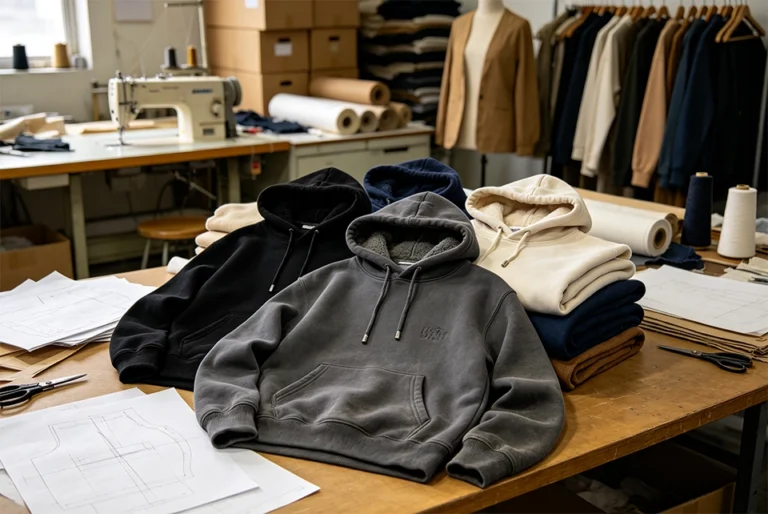
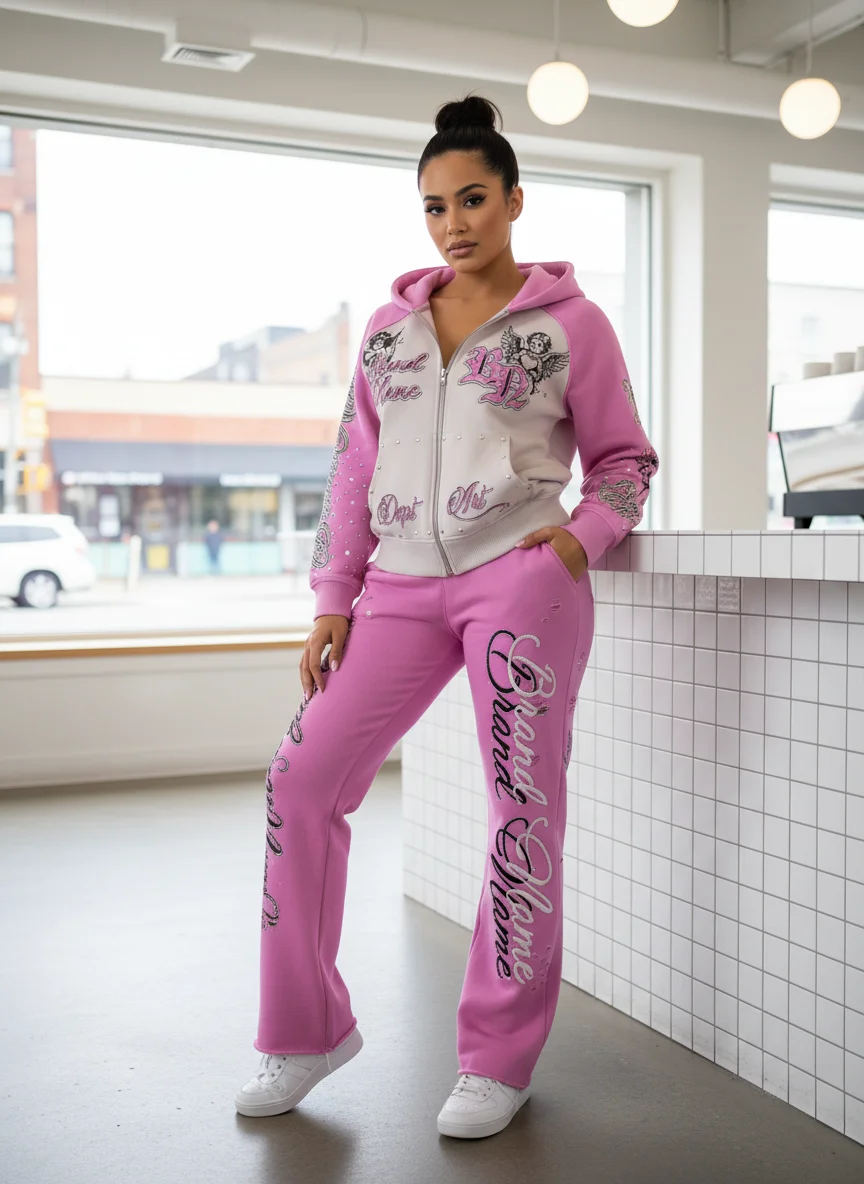
Cut-and-sew manufacturing constructs the hoodie from raw fabric according to the buyer’s specifications—custom fit, custom fabric, custom hardware. Private label customization adds branded labels, hangtags, and packaging to create a proprietary product. This pathway demands higher investment but yields genuine differentiation.
The Print-on-Demand Ecosystem
How On-Demand Fulfillment Operates
Print-on-demand platforms produce garments only when an order is received. No inventory is held. The seller lists a design, the customer purchases, and the platform prints, packs, and ships. This model eliminates upfront costs and inventory risk.
Platform Profiles: Printful, Printify, CustomCat, Apliiq
Printful is the premium standard, praised for print quality, consistent blanks, and fulfillment reliability across multiple global facilities. Printify operates as a network, connecting sellers with independent print providers worldwide; prices and quality vary by partner. CustomCat appeals to margin-conscious sellers, offering competitive pricing on a broad catalog. Apliiq specializes in private-label aesthetics, enabling custom woven labels, hem tags, and fashion-forward presentation.
Suitability for Testing and Micro-Brands
POD is ideally suited to validating designs before committing to bulk production. A brand can test a dozen hoodie designs with zero inventory. Once a design proves popular, the brand can transition to bulk manufacturing for superior margins.
Online Design-and-Order Marketplaces
Custom Ink and Similar Aggregators
Custom Ink provides an accessible interface for ordering decorated apparel. Design tools, instant quoting, and a network of production facilities enable rapid turnaround. The platform serves schools, teams, businesses, and individuals who prioritize convenience over cost optimization.
Design Tools, Mockups, and Instant Quoting
These marketplaces furnish digital mockups, real-time pricing, and order tracking. Minimums are low—often six pieces—making them viable for small organizations. The trade-off is higher per-unit cost and limited control over garment specifications.
Local Print Shops and Embroidery Studios
The Virtues of Proximity
Local decorators offer tangible advantages: face-to-face consultation, rapid turnaround, and no international shipping complications. A local embroiderer can produce a dozen branded hoodies within a week. For time-sensitive orders, proximity is invaluable.
Vetting Local Vendors
Not all local shops are equal. Ask to see samples of prior work. Inquire about equipment—Tajima embroidery machines, automatic screen presses, or DTG printers. Verify their experience with the specific fabric and decoration method required.
Wholesale Distributors and Blank Suppliers
SanMar, S&S Activewear, and Alphabroder
These distributors supply blank garments to decorators and retailers. They stock vast inventories of hoodies from brands such as Gildan, Bella+Canvas, and Independent Trading. Buyers with resale certificates can purchase blanks and arrange decoration separately.
The Distributor-Decorator Relationship
Many decorators hold accounts with these distributors, sourcing blanks at wholesale and applying decoration in-house. Buyers may work directly with decorators who handle both procurement and embellishment.
Direct Manufacturer Sourcing and the OEM Pathway
Why Factories Offer Superior Unit Economics
Factories in China and Southeast Asia produce custom hoodies at prices far below domestic alternatives. A basic embroidered hoodie that costs $30 from a local shop may cost $8–$12 from a factory at volume. The savings compound across large orders.
The Obligations of Direct Sourcing
Direct sourcing requires the buyer to assume responsibilities that platforms absorb: specification writing, sample approval, quality inspection, and logistics coordination. It demands diligence and patience. The reward is margin and control.
Regional Manufacturing Hubs Worth Knowing
China: Guangdong, Fujian, Zhejiang
Guangdong province—particularly Guangzhou and Dongguan—hosts thousands of apparel factories with expertise in knitwear and decoration. Fujian offers technical innovation in digital printing and fabric engineering. Zhejiang specializes in knitwear production and export logistics.
Vietnam, Bangladesh, and Nearshore Alternatives
Vietnam and Bangladesh offer competitive labor costs and favorable trade agreements with Western markets. Nearshore options—Mexico, Portugal, Turkey—reduce shipping times and tariff exposure for North American and European buyers.
Freelance Sourcing Agents and Trading Companies
What Agents Do and What They Cost
Sourcing agents identify factories, negotiate prices, oversee sampling, arrange inspections, and coordinate shipping. They charge commissions—typically 3–10% of order value—or fixed fees. For buyers unfamiliar with international sourcing, an agent can prevent costly errors.
When an Agent Adds Genuine Value
Agents are most valuable for complex orders, unfamiliar markets, or buyers with limited bandwidth. For simple orders from verified suppliers, their value diminishes.
B2B Marketplaces and Verified Supplier Platforms
Alibaba, Made-in-China, and Global Sources
These platforms aggregate manufacturers and facilitate transactions. Alibaba dominates by volume and breadth; Made-in-China emphasizes industrial suppliers; Global Sources focuses on export-ready manufacturers. Verification badges and transaction histories aid supplier evaluation.
Trade Assurance and Escrow Protections
Trade Assurance holds payment in escrow until delivery terms are met. It provides recourse if suppliers fail to deliver or deliver defective goods. Buyers should insist on such protections when available.
Specialist Suppliers by Niche
Streetwear and Heavyweight Fleece Specialists
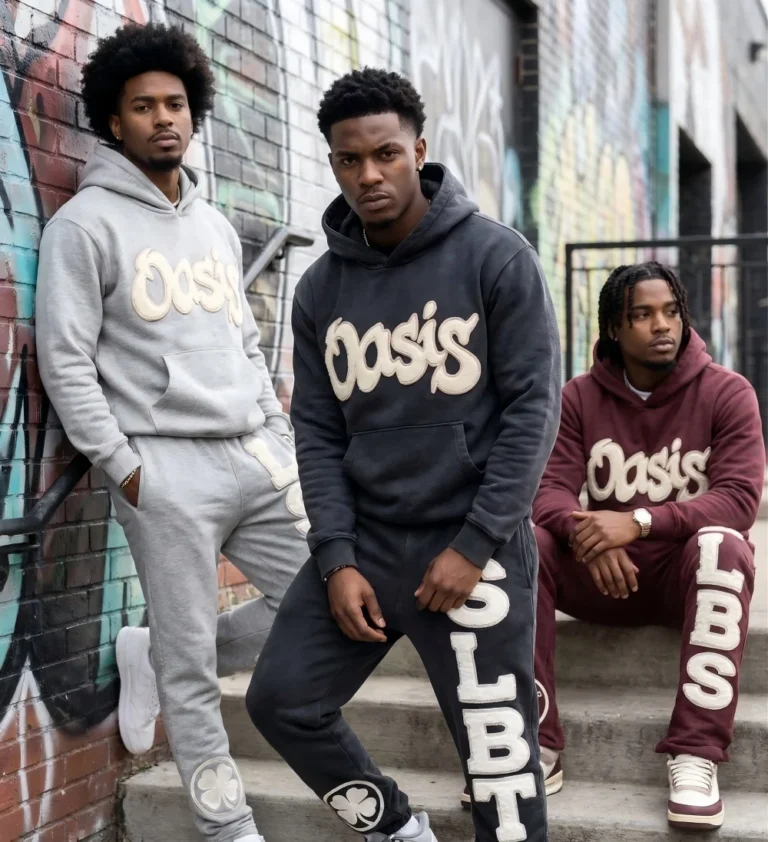
Streetwear demands heavy GSM fleece, boxy fits, and premium decoration. Specialists in this niche understand the aesthetic and produce garments that meet it. Independent Trading Company and similar blank suppliers cater to this market.
Sustainable and Organic Hoodie Suppliers
Suppliers offering GOTS-certified organic cotton, recycled polyester, and OEKO-TEX certified fabrics serve environmentally conscious brands. Certifications provide verifiable assurance.
Performance and Athletic Hoodie Manufacturers
Performance hoodies incorporate moisture-wicking fabrics, four-way stretch, and athletic fits. Manufacturers specializing in activewear possess the technical expertise these garments require.
Criteria for Choosing a Supplier
Decoration Capability and Equipment
Match the supplier’s equipment to the required decoration. Embroidery requires multi-head machines. Screen printing demands automatic presses for volume. DTG suits detailed, low-volume work. DTF offers flexibility across fabrics.
MOQ, Lead Time, and Pricing Transparency
Minimums vary from one piece (POD) to thousands (factory). Lead times range from days to months. Pricing should be transparent, with setup fees, per-unit costs, and shipping charges clearly stated.
Communication Quality and Responsiveness
Response time during the inquiry phase predicts behavior during production. A supplier who replies within hours and provides detailed answers is likely to perform reliably.
The Sample Approval Protocol
Digital Mockups Versus Physical Prototypes
Digital mockups verify placement, scale, and color. Physical prototypes verify everything else: fabric hand, fit, stitch quality, decoration durability. Both have roles. Neither replaces the other.
Strike-Offs for Embroidery and Print
A strike-off is a test application on the actual garment fabric. It reveals how threads or inks interact with the substrate. Approval of the strike-off prevents bulk errors.
Pricing Realities Across Channels
Per-Unit Cost Ranges by Order Volume
POD pricing typically ranges from $25 to $45 per hoodie. Domestic decorators charge $20 to $40 depending on volume and complexity. Factory-direct pricing ranges from $6 to $20, with significant variation based on fabric, construction, and decoration.
Setup Fees, Screens, and Digitizing Charges
Screen printing incurs setup fees per color—often $20 to $50 per screen. Embroidery requires digitizing, costing $15 to $100 depending on complexity. These one-time costs amortize across the order.
Quality Assurance and Verification
AQL Standards and Inspection Services
Acceptable Quality Limit standards define tolerable defect rates. Third-party inspection services—SGS, Bureau Veritas, QIMA—verify quality before shipment.
Red Flags in Supplier Behavior
Warning signs include reluctance to provide samples, evasiveness about production capacity, refusal to use escrow, and prices significantly below market. These indicators warrant caution.
Private Labeling and Brand Presentation
Woven Labels, Hangtags, and Packaging
Woven labels, printed care tags, and custom hangtags transform generic garments into branded products. Packaging—polybags, boxes, tissue paper—reinforces the brand experience.
The Perception Premium of Branded Details
Consumers perceive branded details as indicators of quality and legitimacy. The investment in labels and packaging yields disproportionate returns.
Shipping, Duties, and Fulfillment Logistics
Choosing Among Courier, Air, and Sea Freight
Couriers (DHL, FedEx, UPS) offer speed and tracking for small shipments. Air freight balances speed and cost for medium volumes. Sea freight minimizes cost for large orders at the expense of transit time.
Incoterms and Customs Preparedness
Incoterms define the division of responsibility between buyer and seller. Accurate customs documentation prevents delays and penalties.
Common Mistakes and How to Avoid Them
Rushing the Sampling Phase
Impatience leads to production before approval. The result is defective goods and costly remediation. Sampling is not a formality; it is insurance.
Neglecting Reorder Consistency
A reorder may differ from the original order if the supplier changes materials or processes. Retaining approved samples and specifying standards mitigates this risk.
Choosing Solely on Price
The lowest quote often conceals inferior quality, hidden fees, or unreliable service. Value, not price, should guide selection.
Scaling the Relationship
Volume Commitments and Tiered Pricing
Larger orders unlock lower prices. Suppliers reward loyalty with priority scheduling and favorable terms.
Developing Exclusive Styles
Suppliers may develop exclusive fabrics, fits, or decorations for committed buyers. Exclusivity differentiates the brand.
The Future of Custom Hoodie Ordering
Digital Inventory and Virtual Sampling
Digital platforms allow buyers to browse virtual inventories and approve samples remotely. These tools accelerate sourcing and reduce waste.
On-Demand Manufacturing at Factory Scale
Factories are adopting on-demand models once confined to POD platforms. This convergence promises lower minimums and faster turnaround from direct manufacturers.
Conclusion: Matching Channel to Ambition
The question of where to order custom hoodies admits no universal answer. Print-on-demand serves validation and micro-brands. Local decorators serve speed and simplicity. Distributors serve decorators. Factories serve volume and margin. Agents serve complexity. The correct choice depends on what the buyer seeks: risk mitigation, cost optimization, speed, or differentiation. Clarity of intent precedes successful sourcing. Define the objective, then select the channel that serves it.