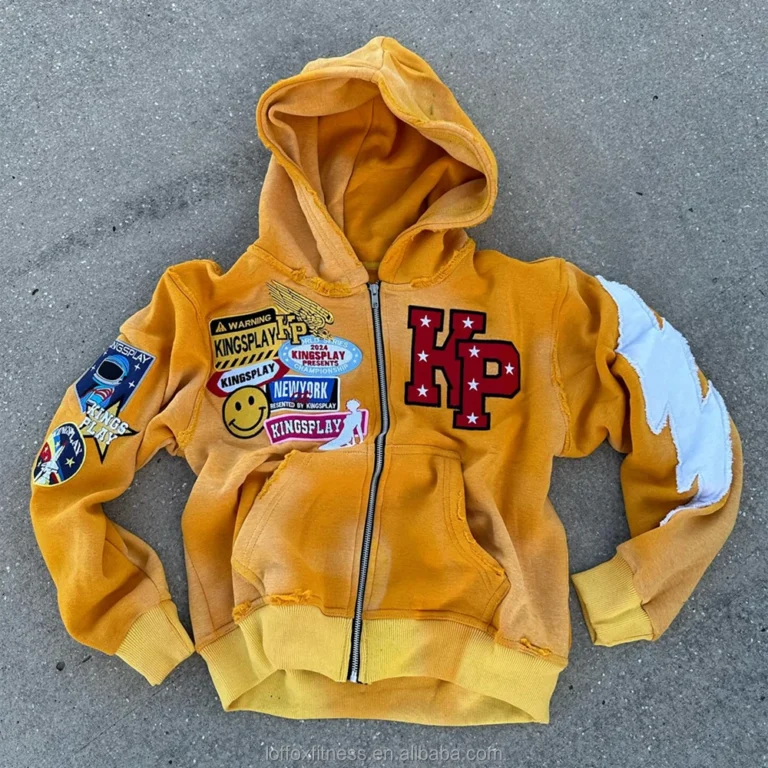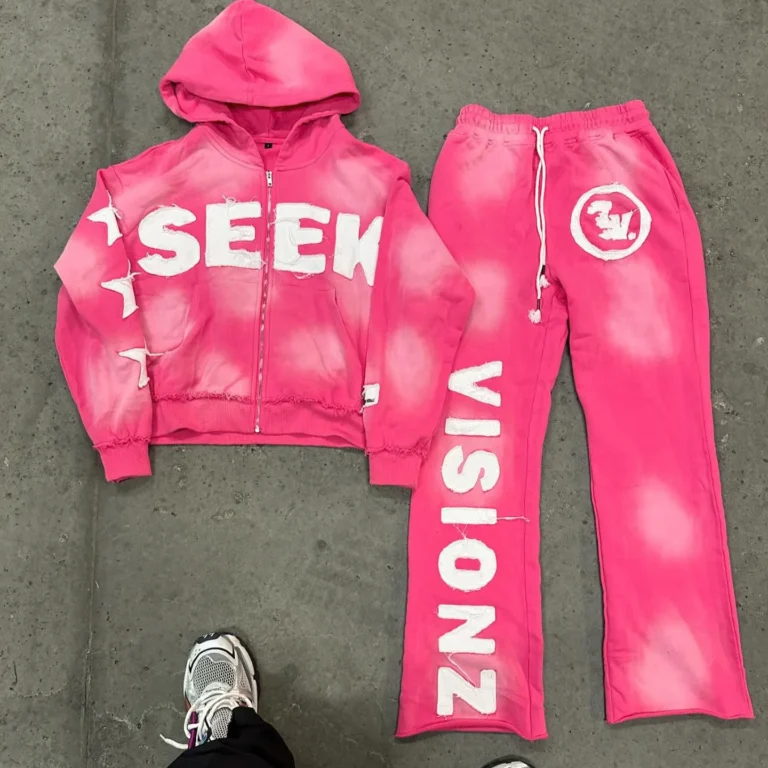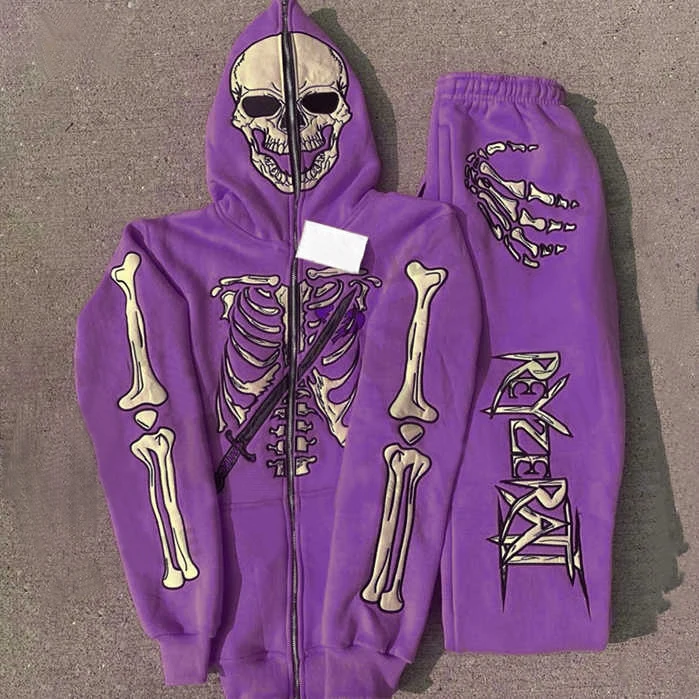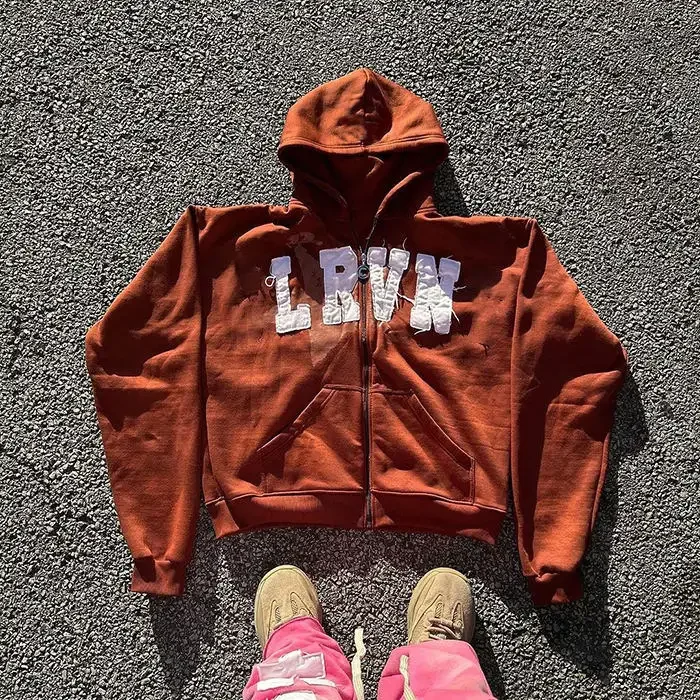
Introduction: The Custom Hoodie as a Ubiquitous Commercial and Personal Artifact
The custom hoodie has become a fixture of contemporary commerce and self-expression. It adorns musicians on tour, athletes on sidelines, employees at corporate retreats, and individuals seeking garments that articulate identity. The question of where to order custom hoodies, however, admits of no singular answer. The sourcing landscape is heterogeneous, ranging from domestic print-on-demand platforms to vertically integrated factories in China. Each option presents distinct trade-offs in cost, lead time, minimum order quantity, and customization capability. This article maps that landscape, providing a structured guide to the available pathways and the criteria by which they should be evaluated.
Defining the Sourcing Landscape: A Taxonomy of Options
The sources from which custom hoodies may be ordered fall into several categories. Print-on-demand platforms produce garments only after an order is placed, eliminating inventory risk. Blank hoodie suppliers provide undecorated garments that buyers then embellish through local printers or embroiderers. Cut-and-sew workshops produce garments from scratch, offering full control over fit and construction. Overseas factories, particularly in China, offer scale and cost efficiency but require higher minimums and longer lead times. Aggregators such as Alibaba connect buyers with multiple suppliers, introducing both opportunity and risk. Understanding this taxonomy is prerequisite to intelligent sourcing.
The Preliminary Question: Personal Project or Commercial Production
The first decision concerns purpose. A hoodie customized for personal wear may be ordered through a print-on-demand platform or a local print shop, with no minimum order and minimal lead time. A hoodie intended for commercial distribution—whether as merchandise, promotional giveaway, or retail product—requires consideration of scale, consistency, and compliance. The purpose determines the appropriate source. Conflating personal and commercial objectives leads to inefficiencies, whether through over-ordering for a personal project or under-ordering for a commercial launch.
Domestic Print-on-Demand Platforms: The Accessible Entry Point
Print-on-demand platforms represent the most accessible entry point for custom hoodie ordering. These services—Printful, Printify, CustomCat, Gelato, and others—allow buyers to upload designs, select garments, and place orders without minimum quantities. Production occurs only after an order is received, eliminating inventory risk. This model suits individual creators, small brands testing designs, and anyone requiring a single unit or a handful. The trade-off is higher per-unit cost and limited control over garment construction; the buyer selects from available blanks rather than commissioning bespoke production.
The Print-on-Demand Ecosystem: Printful, Printify, and CustomCat Compared
The print-on-demand ecosystem is diverse. Printful positions itself as the premium all-rounder, offering consistent quality, embroidery capabilities, and polished branding options . Printify operates as a marketplace, allowing buyers to compare multiple print providers by price, region, and method; quality varies by provider, demanding vigilance . CustomCat is budget-focused, offering lower base prices for margin-sensitive offers . Apliiq specializes in private-label feel, with relabeling and fashion-forward catalog options . For European sellers, Inkthreadable and Two Fifteen offer regional advantages . The optimal choice depends on the buyer’s priorities: cost, quality, branding, or geography.
Blank Hoodie Suppliers: The Wholesale Foundation
An alternative to print-on-demand is ordering blank hoodies from wholesale suppliers and arranging decoration separately. This approach offers greater control over the base garment—fabric weight, blend, fit, color—and often yields lower per-unit costs at volume. Suppliers such as Gildan, Bella+Canvas, Independent Trading, and Three Layer provide extensive catalogs of blanks . The buyer then engages a local screen printer, embroiderer, or DTG service to apply graphics. This bifurcated model suits buyers who prioritize specific blank characteristics and have access to reliable decoration services.
The Gildan 18500 and the Architecture of the Industry Standard
The Gildan 18500 Heavy Blend hoodie exemplifies the industry-standard blank. Constructed from 8 oz. 50/50 cotton-polyester fleece, it offers a balance of durability, printability, and affordability . Its double-lined hood, front pouch pocket, and tear-away label make it suitable for decoration and rebranding . Available in over forty colors and sizes from Youth XS to Adult 5XL, it accommodates diverse programs . While not the most premium option, the 18500 is ubiquitous for a reason: it performs reliably across screen printing, embroidery, DTF, and DTG decoration methods . For buyers seeking a dependable foundation, it remains a default consideration.
Cut-and-Sew Workshops: Domestic Craftsmanship and Small Runs
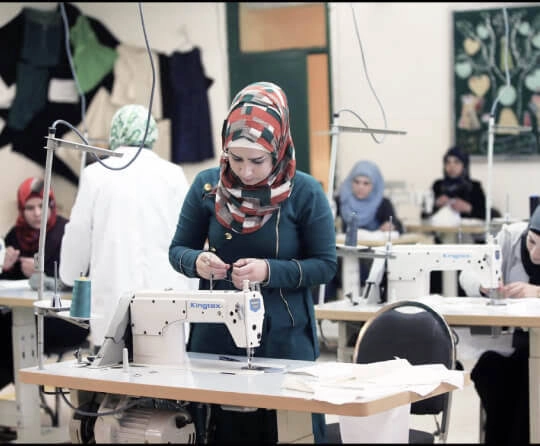
Cut-and-sew workshops occupy a middle ground between print-on-demand and overseas factories. These domestic facilities produce garments from scratch, offering control over pattern, fabric, and construction. They accommodate smaller runs than overseas factories—often starting at fifty to one hundred pieces—and permit closer collaboration and faster iteration . The trade-offs are higher per-unit costs and limited capacity relative to Asian factories. For buyers prioritizing craftsmanship, proximity, and flexibility over cost, domestic cut-and-sew represents a compelling option.
The Chinese Manufacturing Corridor: Fujian, Zhejiang, and Guangdong
China remains the world’s dominant source for custom hoodie manufacturing. The country’s production is clustered in specific provinces, each with distinct strengths. Fujian province, particularly Quanzhou and Jinjiang, hosts vertically integrated supply chains specializing in sportswear and knitwear . Zhejiang province, including Yiwu and Ningbo, excels in on-demand customization, digital printing, and small-batch flexibility, with some suppliers offering minimums as low as two pieces . Guangdong province, encompassing Guangzhou and Dongguan, is renowned for high-volume production, advanced machinery, and rapid prototyping . Aligning the buyer’s requirements with the appropriate regional cluster enhances the likelihood of a successful partnership.
Alibaba and the Aggregator Model: Promise and Peril
Alibaba serves as the primary aggregator connecting international buyers with Chinese suppliers. The platform offers unprecedented access to manufacturing capacity, but it also introduces risk. Supplier quality varies widely; some factories operate with professionalism and transparency, while others overpromise and underdeliver. Alibaba’s trade assurance and refund policies offer some protection, but buyers must conduct independent due diligence . The platform is a tool, not a guarantee; its value depends on the discernment of the user.
Verifying Suppliers: Transaction Metrics That Matter
When evaluating suppliers, transaction metrics provide valuable signals. On-time delivery rates above 95% indicate robust production planning . Response times under four hours suggest engaged customer service . Reorder rates exceeding 25% reflect customer satisfaction . A supplier with a 98% on-time record and a 29% reorder rate demonstrates operational maturity . These metrics, available on Alibaba supplier profiles, offer a quantitative foundation for comparison. They should be supplemented by sampling, reference checks, and, where feasible, factory visits.
Minimum Order Quantities: The Gatekeeper of Sourcing Decisions
Minimum order quantities vary dramatically across the sourcing landscape. Print-on-demand platforms impose no minimums. Domestic cut-and-sew workshops may start at fifty pieces. Chinese factories offer a spectrum: some accept orders as low as one piece, while others require hundreds or thousands . MOQs reflect setup costs, fabric procurement, and production efficiency. Buyers with modest volumes may need to negotiate, consolidate styles, or select suppliers specializing in small batches. Transparency regarding MOQs and their cost implications enables realistic planning.
Sampling Protocols Before Committing to Bulk
Sampling is the crucible in which sourcing decisions are validated. A pre-production sample reveals fabric hand feel, construction quality, and decoration fidelity. It permits the buyer to assess fit, color accuracy, and stitch integrity before committing to bulk . Sampling timelines vary: pre-designed styles may require three to five working days; fully custom styles, seven to fourteen . Sample fees, often ranging from fifty to one hundred fifty dollars, may be refundable against bulk orders . The cost of sampling is trivial relative to the cost of a failed production run.
Customization Capabilities: Printing, Embroidery, and Beyond
Customization capabilities vary by source. Print-on-demand platforms typically offer DTG, DTF, and embroidery . Chinese factories often provide a broader spectrum: screen printing, sublimation, puff printing, appliqué, patchwork, and specialty washes . The buyer’s design requirements should dictate the source; a complex all-over sublimation print may require a supplier with specific technical capabilities, while a simple left-chest embroidery can be executed almost anywhere. Assessing supplier capabilities against design specifications prevents disappointment.
Pricing Structures and the Landed Cost Reality
The unit price quoted by a supplier is only the beginning of the cost equation. Landed cost encompasses the garment, decoration, sampling, shipping, duties, and customs clearance. For a 200-piece order from China, unit pricing for a midweight hoodie may range from six to twelve dollars . Decoration adds one to four dollars per unit . Sampling costs two hundred to four hundred dollars across iterations . Sea freight for 200 hoodies from Guangzhou to Los Angeles ranges from eight hundred to fifteen hundred dollars; air freight, two thousand five hundred to four thousand . Duties and clearance add another fifteen to twenty-five percent of declared value . Buyers who budget only for unit price are destined for unpleasant surprises.
Lead Times and the Calendar Risk
Lead times introduce an often-underestimated risk. Print-on-demand production and shipping occurs within days. Domestic cut-and-sew may require two to four weeks. Chinese production, including sampling, fabrication, decoration, quality inspection, and shipping, may consume thirty to sixty days or more . Ocean freight adds twenty-five to thirty-five days; air freight reduces this to five to seven but at substantially higher cost . Missing a seasonal window—a holiday drop, a festival, a product launch—renders cost savings irrelevant. Calendar risk should be weighed alongside unit cost.
Quality Assurance and Inspection Protocols
Quality assurance for overseas production requires deliberate protocols. Buyers should specify acceptable quality limits (AQL) in contracts—commonly AQL 2.5 for major defects and 4.0 for minor . Pre-production inspection verifies fabric and trims. In-line inspection catches defects during sewing. Final inspection, ideally conducted by a third party such as SGS or QIMA, confirms conformity before shipment . For domestic sources, the buyer may inspect personally. In either case, quality is a function of specifications and verification, not geography.
Compliance, Certification, and Ethical Sourcing
Compliance is non-negotiable for commercial distribution. Certifications such as BSCI, WRAP, OEKO-TEX, and GOTS provide independent verification of labor conditions and material safety . Restricted substances lists, including REACH in the European Union and CPSIA in the United States, must be observed. A supplier committed to these standards mitigates legal and reputational risk. Buyers should request documentation and, where feasible, verify through third-party audits.
The Hybrid Approach: Blanks from One Source, Decoration from Another
A hybrid sourcing strategy combines the strengths of multiple providers. Blank hoodies may be sourced from a wholesale supplier at favorable pricing, then decorated by a local printer or embroiderer with faster turnaround and lower minimums. This approach leverages the cost efficiency of wholesale blanks and the agility of domestic decoration . It suits buyers who prioritize control over the base garment and flexibility in decoration. The trade-off is coordination complexity; the buyer assumes responsibility for logistics between the blank supplier and the decorator.
Common Pitfalls in Hoodie Sourcing and Their Remedies
Pitfalls are plentiful. Vague specifications invite disputes. Overlooking shrinkage tolerances yields ill-fitting garments. Neglecting compliance invites customs delays. Underestimating lead times causes missed deadlines. Choosing a supplier solely on price invites quality failures . Remedies include meticulous documentation, early engagement with suppliers, realistic timelines, third-party inspections, and a willingness to pay appropriately for quality. The lowest bidder may deliver the highest total cost.
Case Studies: Successful Sourcing Strategies
Examination of successful strategies yields insights. A startup brand sourced blanks from a domestic wholesaler and engaged a local printer for a limited run, achieving rapid launch and market validation. An established label partnered with a Fujian factory for custom-dyed heavyweight hoodies, leveraging the factory’s in-house dyeing and quality control . A European seller utilized Gelato’s local production for international orders, reducing shipping time and carbon footprint . In each case, the source was aligned with the project’s priorities: speed, quality, or sustainability.
Future Trends in Custom Hoodie Procurement
The sourcing landscape is evolving. Digital platforms are reducing friction and increasing transparency. Print-on-demand networks are expanding their geographic reach. Chinese factories are investing in automation and sustainable technologies. Blockchain-enabled traceability is emerging as a differentiator . For buyers, these trends promise greater choice, faster iteration, and enhanced accountability. Those who remain informed will capitalize on emerging opportunities.
Conclusion: Selecting the Right Source for the Right Purpose
Where to order custom hoodies depends on the confluence of purpose, volume, budget, timeline, and customization requirements. Print-on-demand platforms serve individual creators and small brands testing designs. Blank suppliers and local decorators offer control and agility. Domestic cut-and-sew workshops provide craftsmanship for modest runs. Chinese factories deliver scale and cost efficiency for commercial production. Aggregators expand access but demand discernment. The optimal source is not universal; it is contingent. By mapping objectives against available options and applying rigorous evaluation, buyers can identify the partner best suited to their particular endeavor.