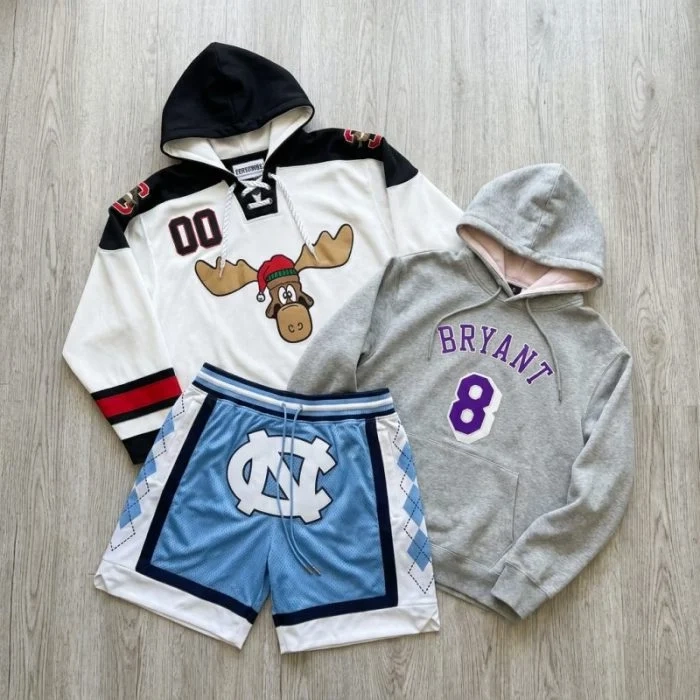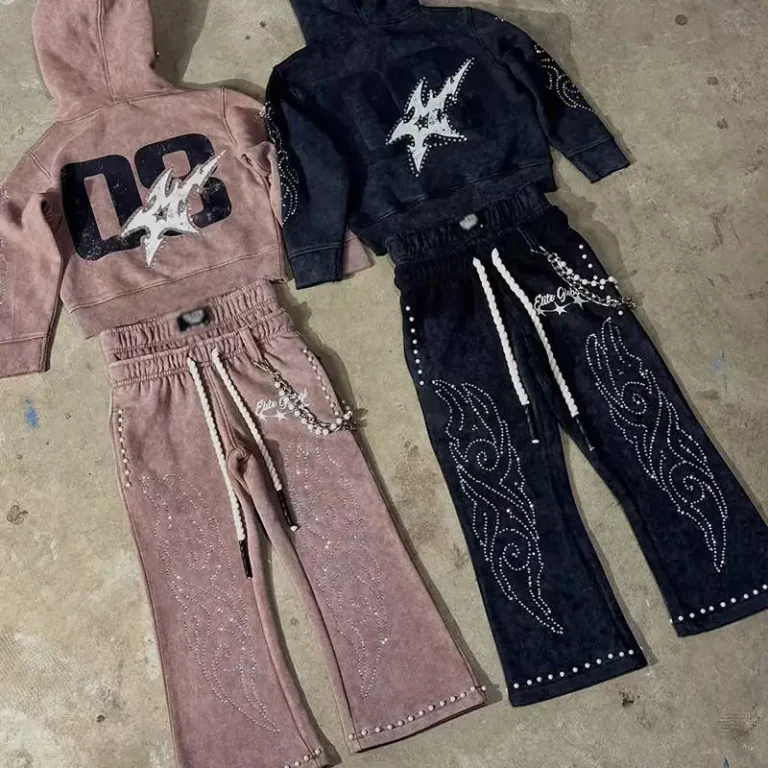
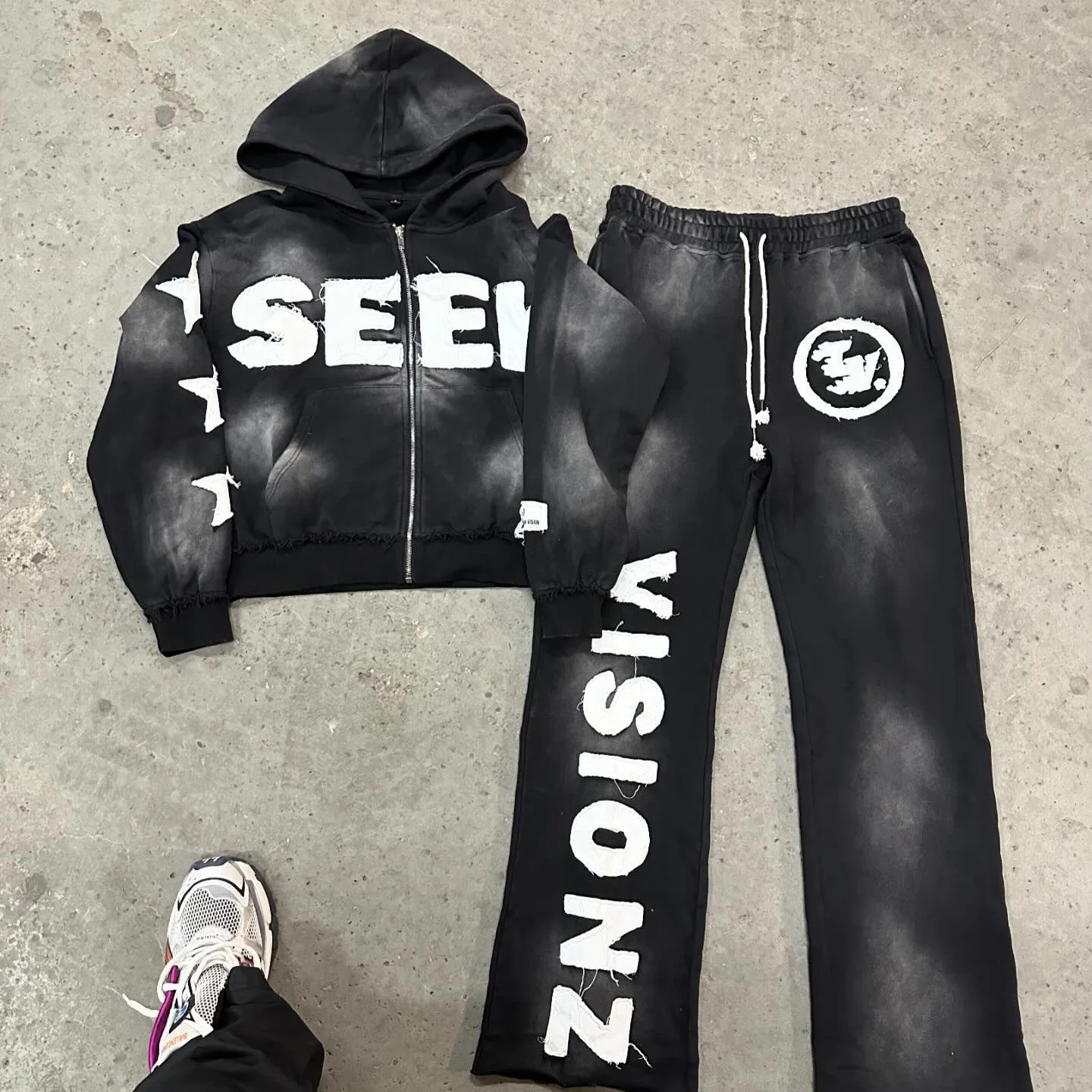
Introduction: The Pricing Conundrum
The question of what to charge for a custom hoodie is deceptively simple. It invites a single number, a neat figure that can be applied uniformly across all transactions. The reality, however, is that pricing is not a matter of discovery but of construction. It is an exercise in financial architecture, where every element—the cost of the blank, the labor of decoration, the overhead of operation, and the margin required for sustainability—must be accounted for and reconciled. To price a custom hoodie without understanding its cost structure is to navigate without a chart. This analysis delineates the comprehensive framework required to set prices that are both competitive and profitable.
The Foundation: Establishing the Cost of Goods Sold
The bedrock of any pricing strategy is the Cost of Goods Sold (COGS). This figure represents the true, all-inclusive cost of producing a single hoodie, and its calculation requires attention to four distinct components that are frequently underestimated by new sellers .
The Blank Garment: The Primary Cost Driver
The base hoodie constitutes the largest single line item in the cost structure, accounting for forty to sixty percent of the total . The variance in blank costs is substantial. A basic cotton-poly blend pullover may begin at approximately fifteen dollars, while a heavyweight fleece or a branded style from a premium label can command thirty-five dollars or more before any decoration is applied . For print-on-demand sellers using platforms like Printify, actual catalog prices illustrate the spread: an entry-level Gildan Heavy Blend costs $21.58, a mid-range Lane Seven zip hoodie costs $29.89, a garment-dyed Comfort Colors hoodie reaches $37.28, and an Adidas fleece hoodie commands $51.06 . This is the single most consequential decision in the cost equation; everything else adjusts around it.
Decoration Costs: The Method Matters
The method of applying a design introduces its own cost layer, and the selection must align with the order quantity, design complexity, and desired durability. Each technique possesses a distinct cost profile that must be weighed against the intended use of the garment.
Direct-to-Garment (DTG) printing works well for detailed designs on cotton-blend hoodies, adding approximately eight to fifteen dollars per hoodie depending on design size and color count . It has almost no setup fee, making it suitable for small orders, though its durability on all-over designs is less than other methods.
Direct-to-Film (DTF) transfers add roughly six to twelve dollars per hoodie and work across cotton, polyester, and fleece blends. This method holds up well over repeated washes compared to DTG, offering a reliable middle ground for sellers who want durability without paying embroidery prices .
All-over print sublimation bonds the design into the fabric itself, typically raising the per-unit cost by ten to twenty dollars since it covers the entire garment. This technique only works on polyester or poly-blend fabric and suits sellers seeking bold, edge-to-edge designs that will not crack or peel .
Embroidery stitches a design directly into the hoodie using thread, giving it a premium, textured look. It typically adds five to twelve dollars per piece depending on stitch count and thread colors used .
The Quantity Effect: Amortizing Setup Costs
The relationship between order quantity and per-unit cost is the most powerful lever in hoodie economics. Fixed setup costs—pattern making, sampling, screen preparation, and quality control protocols—are amortized across the production run. At low volumes, each garment absorbs a disproportionate share of these expenses. A single-piece order may carry a cost thirty to fifty percent higher than a one-hundred-piece run of the identical garment . This premium is not a function of the garment itself but of the setup costs that cannot be divided below a certain threshold.
The Hidden Ledger: Labor, Overhead, and Shipping
Beyond the garment and decoration, several ancillary expenses accrue. The most frequently overlooked is labor. The time invested in receiving inventory, preparing design files, pressing garments, and packaging for shipment must be assigned a monetary value. If a producer values their time at twenty dollars per hour and spends fifteen minutes completing one hoodie from start to finish, that adds five dollars to the cost of each unit .
Overhead includes the “hidden” costs of operation: website hosting, design software subscriptions, electricity for the heat press, and shipping supplies. A general rule of thumb is to add fifteen percent for overhead when calculating true cost .
Shipping is a substantial variable, particularly for print-on-demand operations. Domestic shipping for a single hoodie typically runs between five and eight dollars . This cost must be factored into the total landed cost, not treated as a separate consideration.
The Pricing Architecture: From Cost to Price
With the true cost established, the pricing strategy can be constructed. The objective is not merely to cover costs but to generate a margin sufficient to sustain and grow the enterprise.
The Cost-Plus Formula
The standard cost-plus formula provides a disciplined starting point: Retail price = Total landed cost ÷ (1 − target margin). For a forty-five percent target margin on a hoodie with a thirty-dollar landed cost, the calculation yields a retail price of approximately $54.55 . This formula ensures that the margin is calculated on the selling price rather than the cost, a distinction that is frequently confused.
The Two-Tier Multiplier
A widely adopted framework applies a multiplier to the calculated cost. For wholesale pricing—orders destined for schools, teams, or corporate accounts—the formula is Cost × 2. For retail pricing—one-off sales, Etsy shops, or boutique buyers—the formula is Wholesale Price × 2, effectively a four-times multiplier on the original cost . This approach ensures that the business remains sustainable even as material or utility costs shift.
Tiered Offering: The Good, Better, Best Model
To accommodate a range of customer budgets without commoditizing the product, a tiered offering is recommended. This model simplifies decision-making for customers and sets expectations .
- Good (Budget Tier): Budget-friendly basics such as Gildan or Port & Company. These are suited for giveaways or community organizations where cost is the primary concern. A basic custom hoodie in this tier might retail for thirty to thirty-five dollars.
- Better (Mid-Tier): Mid-range, fashion-forward blanks such as District or Tultex. These offer a softer feel and better fit, making them ideal for schools, events, or corporate swag where recipients will actually wear the garment again. Retail pricing for this tier typically ranges from forty to forty-five dollars.
- Best (Premium Tier): Premium options such as Bella+Canvas, Next Level, or Comfort Colors. These are suited for retail brand launches or anyone seeking to elevate their apparel game. Retail pricing here can range from fifty to sixty dollars or more.
The Platform Variable: Fees and Their Impact
The platform through which a hoodie is sold exerts a profound influence on the final price. Each marketplace imposes its own fee structure, and these fees must be incorporated into the pricing calculation from the outset.
Etsy: The Fee Stack
For print-on-demand sellers on Etsy, the fee structure is particularly consequential. The costs to factor include the listing fee ($0.20 per listing), the transaction fee (6.5% of the total order amount, including shipping), and payment processing (3% plus $0.25 per order for US bank accounts). If Offsite Ads apply, an additional twelve to fifteen percent may be deducted from the order total .
The impact of these fees is cumulative. A hoodie priced at fifty euros may yield little or no profit after Printful’s base cost and Etsy’s layered fees are subtracted . The solution is to price from the inside out, using a formula that accounts for the true fee load: Profit ≈ (Item Price + Shipping) − COGS − [0.095 × (Item Price + Shipping)] − $0.25 − $0.20. The 0.095 represents the combined 6.5% transaction fee and 3% payment processing fee .
The Offsite Ads Buffer
For shops under ten thousand dollars in annual sales, Offsite Ads is optional. For shops exceeding that threshold, it is mandatory. Because sellers cannot control which orders are attributed to ads, a prudent approach is to bake a small “ad buffer” into every hoodie price or to price at a level that remains profitable even with the additional twelve to fifteen percent deduction .
Practical Price Ranges: What the Market Bears
The appropriate charge for a custom hoodie ultimately depends on its production method, quality, and market positioning. Several reference points emerge from the data.
Print-on-Demand: The Single-Piece Economy
For a single custom hoodie with a basic one-color print, the total production cost typically falls between twenty-five and forty dollars, inclusive of the blank garment, decoration, and standard packaging. This translates to a retail price in the range of forty to fifty-five dollars for a reasonable margin. Premium fabrics with full-color or all-over prints push production costs to forty-five to seventy dollars, supporting retail prices of sixty-five to ninety dollars or higher .
Bulk Manufacturing: The Scale Economy
At production volumes of one hundred units or more, the per-unit cost for a mid-weight hoodie with basic decoration drops to sixteen to thirty dollars . A premium heavyweight hoodie of 400 GSM fleece with both printing and embroidery might land in the twenty-five to thirty-five dollar range at this scale. The retail price for such garments in a brand context can range from fifty-five to eighty-five dollars, reflecting the perceived quality and the value of the design.
The Streetwear Premium
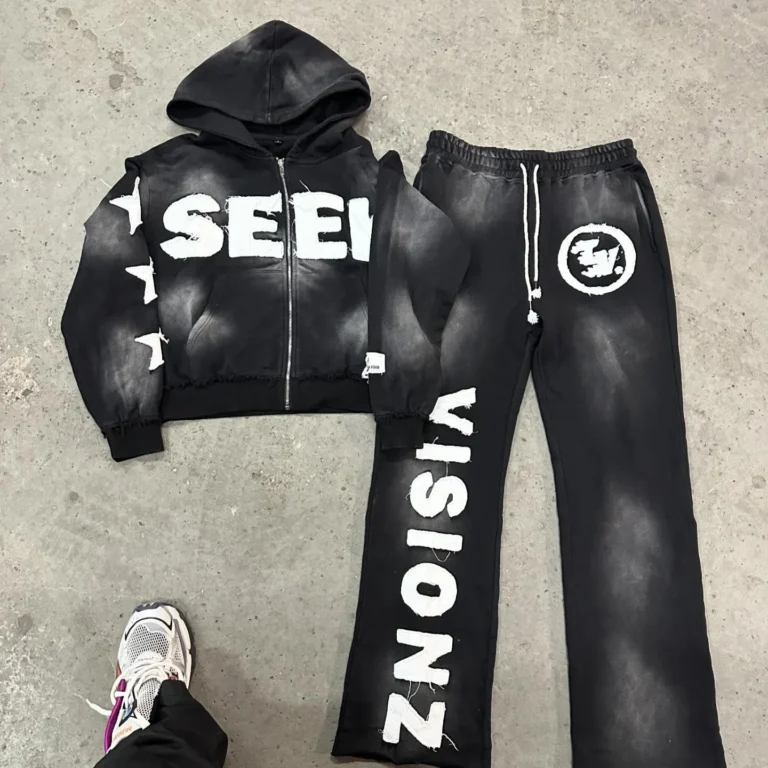
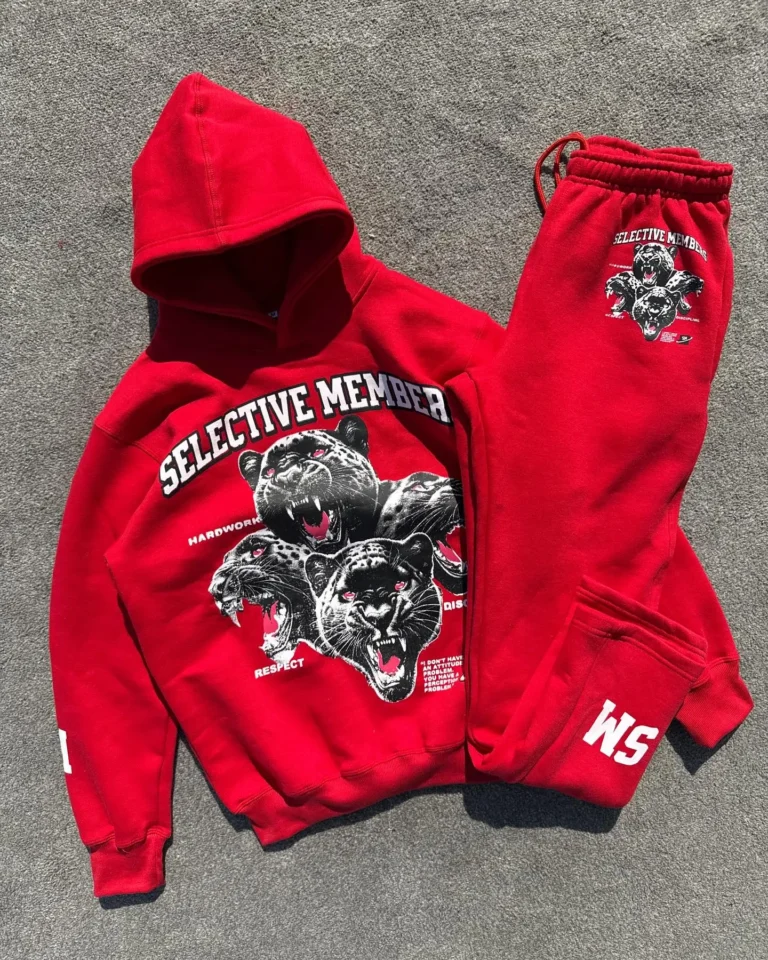
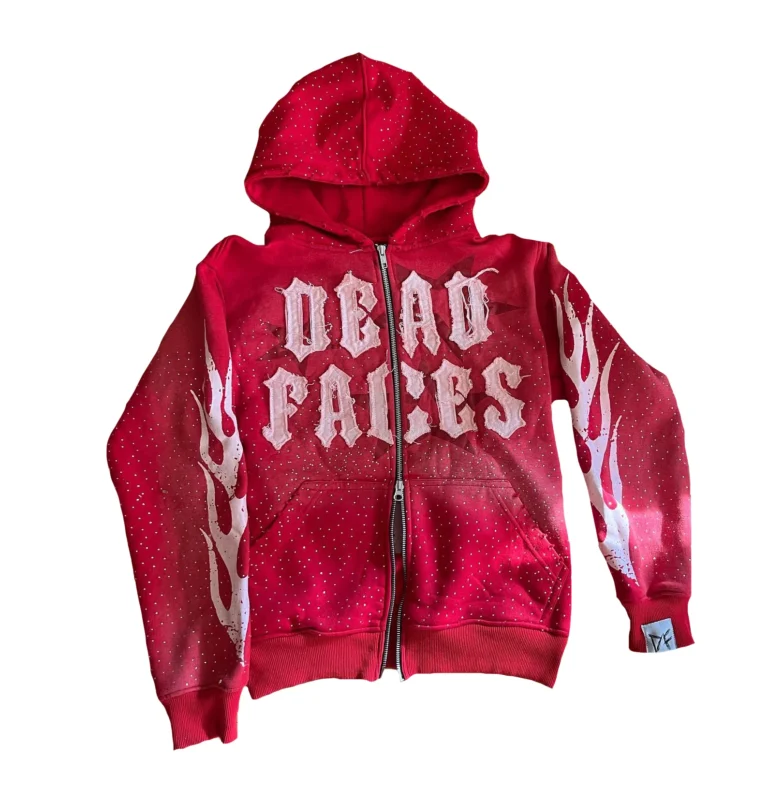
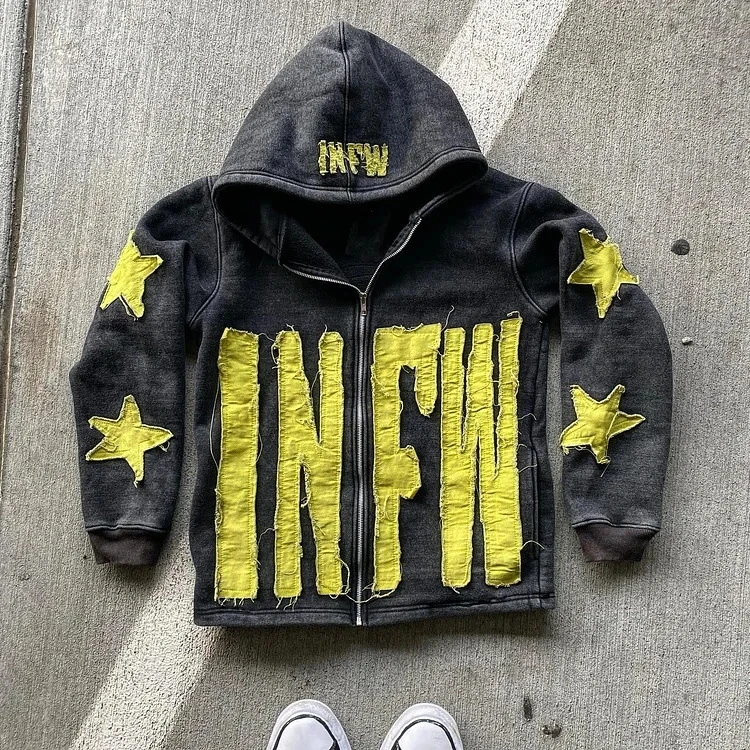
For sellers operating in streetwear or premium-merch niches, the market demonstrates a tolerance for higher price points. Customers in these segments expect hoodies priced between fifty-eight and seventy-eight dollars, and the perceived value of the garment—its weight, its branding, its cultural resonance—supports these figures . The lesson is that price is not solely a function of cost but of the narrative and identity the garment carries.
Conclusion: Pricing as a Strategic Discipline
The charge for a custom hoodie is not a number to be guessed but a figure to be engineered. It is the product of the blank’s quality, the decoration’s sophistication, the platform’s fee structure, and the market’s willingness to pay. By grounding the price in a meticulous understanding of the true landed cost, applying a disciplined markup framework that accounts for all fees and overhead, and positioning the product within a tiered offering that serves different customer needs, the seller ensures that every transaction contributes to the sustainability of the enterprise—and to the integrity of the product. A pricing model built on a static cost table is vulnerable to input price fluctuations; cotton prices are forecast to rise through 2026 and 2027, and any cost table is a snapshot rather than a fixture . The disciplined seller reviews the pricing strategy regularly, ensuring it continues to clear the true cost base and deliver the margin required for growth.