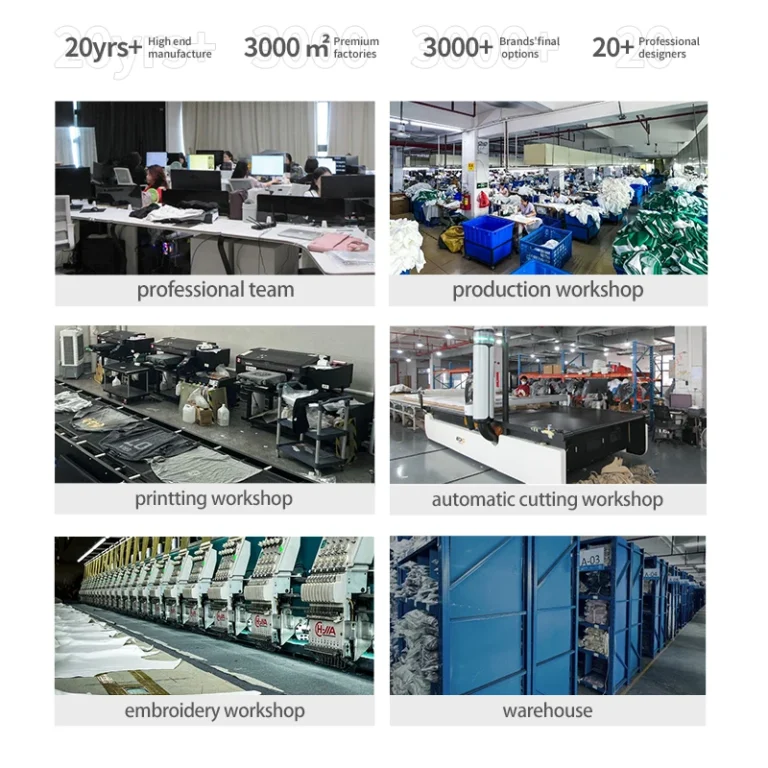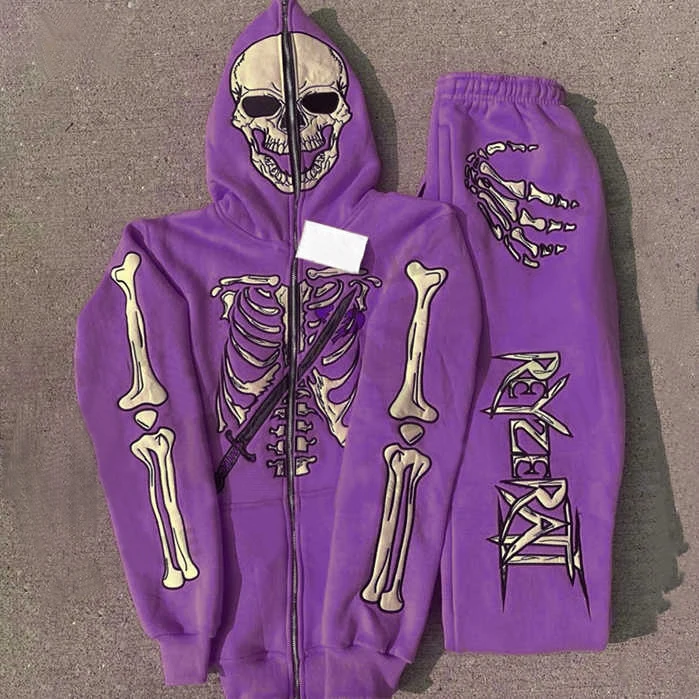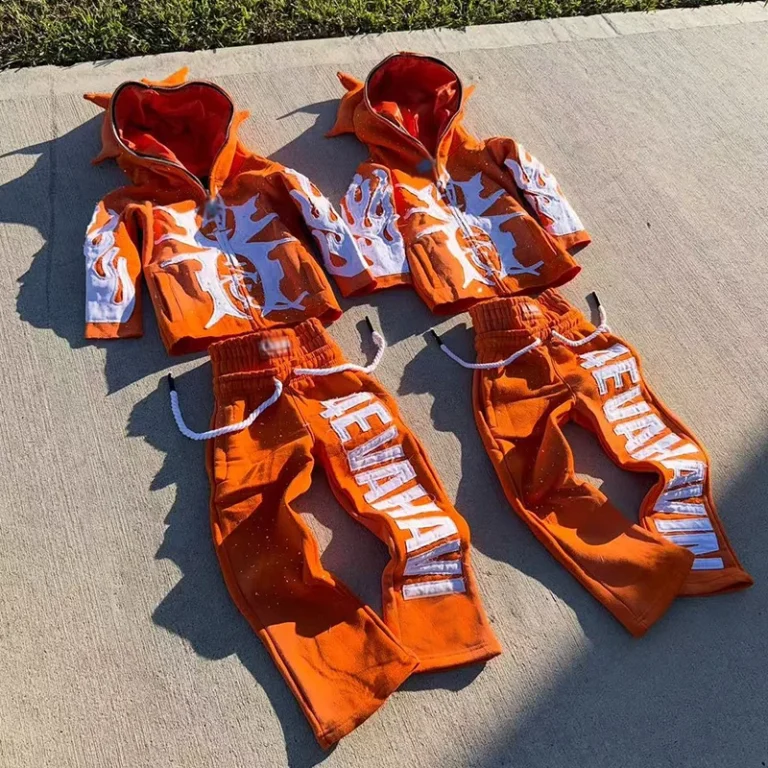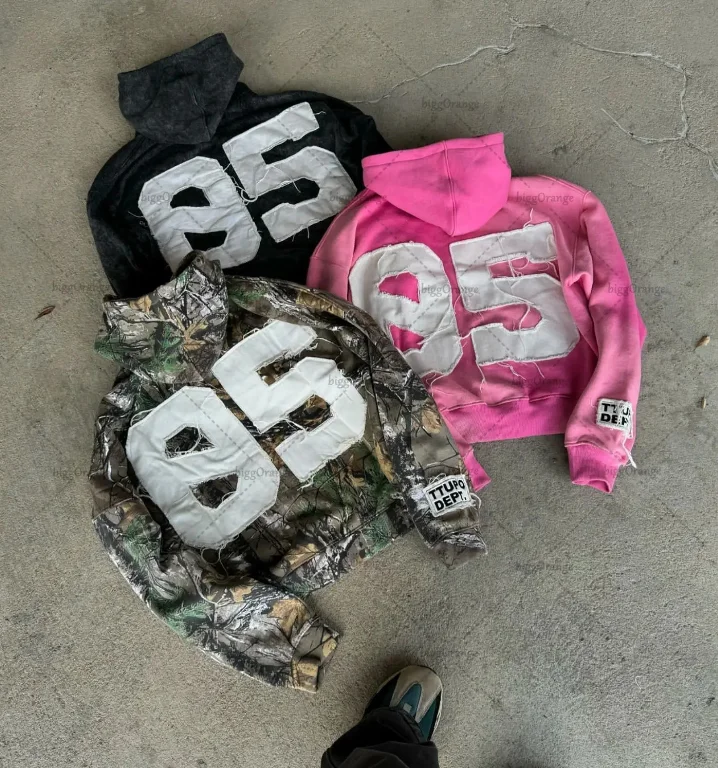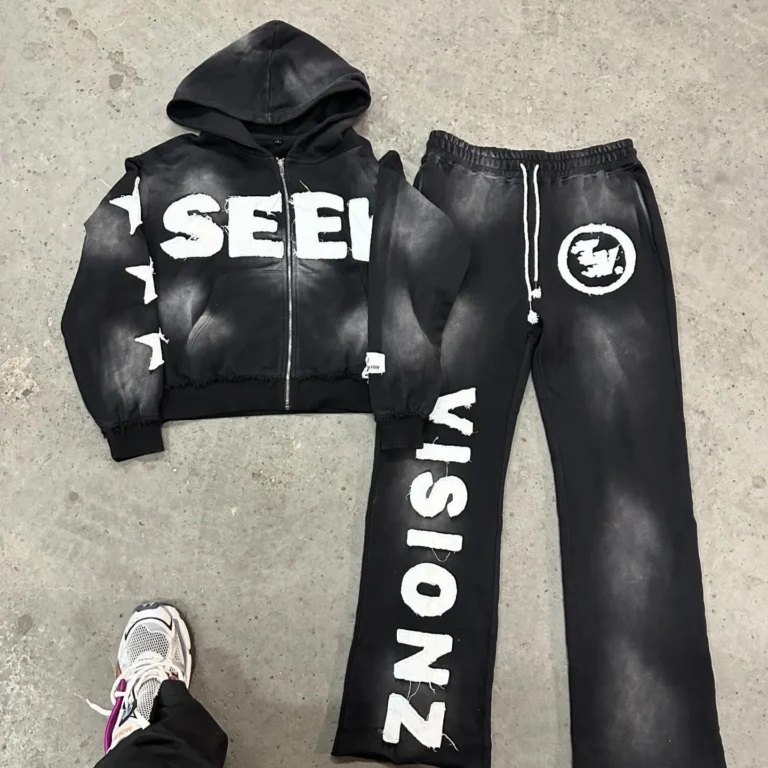
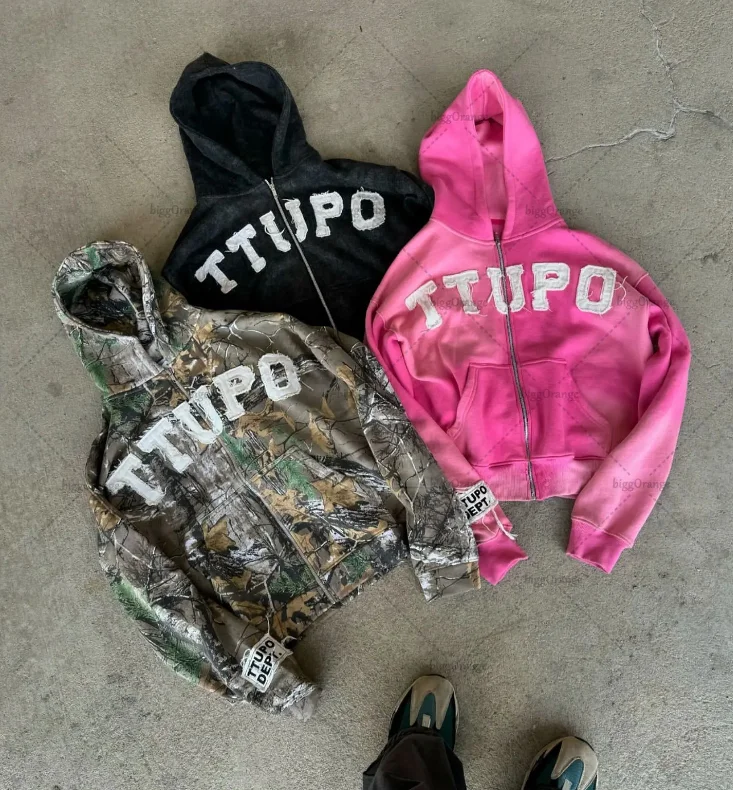
If you are building your private‑label apparel line for Amazon FBA, sourcing bulk custom hoodies requires reliable made‑to‑order manufacturing that balances quality, lead‑time and inventory flexibility. Many Amazon sellers struggle with overstock risk from large pre‑produced minimums, while cheap blank hoodies fail brand differentiation. Our made‑to‑order hoodie production supports custom fabric, fit, embroidery, printing and labeling tailored for FBA requirements, including polybag packaging, barcode insertion and carton specifications ready for Amazon warehouses. This guide walks through how to source bulk custom hoodies optimized for Amazon FBA, covering minimum order volumes, sampling workflow, compliance checks, and manufacturing best practices to streamline your seller supply chain.
Preamble: The Nexus of Streetwear and the World’s Largest Marketplace
The confluence of the custom apparel industry and the Amazon FBA (Fulfillment by Amazon) ecosystem represents a formidable commercial opportunity. Hoodies, the quintessential garment of streetwear and casual comfort, have consistently demonstrated robust demand on the platform, serving as a potent vehicle for private label brands. However, the pathway to successful integration is fraught with operational complexities unique to the marketplace. A brand’s capacity to navigate this terrain is contingent upon a manufacturing partnership that understands not merely garment construction, but the intricate logistics, compliance standards, and commercial imperatives of selling on Amazon. This guide provides a comprehensive, factory-floor perspective on the technical and commercial intricacies of producing bulk custom hoodies for the Amazon FBA model.
The Amazon FBA Paradigm: A Primer on Its Relevance to Apparel Brands
Amazon FBA is a service that, at its core, allows sellers to offload the logistical burden of storage, packing, and shipping to Amazon’s vast network of fulfilment centres. For a brand, this translates into eligibility for Prime two-day shipping, a significant driver of conversion rates and customer trust . The model is predicated on the seller’s inventory being physically located within Amazon’s warehouses, requiring a manufacturing partner that can not only produce the goods but also prepare them to meet Amazon’s stringent receiving standards . The commercial advantages—reduced operational overhead, access to Amazon’s customer service infrastructure, and the enhancement of brand visibility—make FBA the preeminent fulfilment method for apparel sellers on the platform .
The Distinction: Made-to-Order vs. Print-on-Demand in the Amazon Ecosystem
A critical distinction exists between the made-to-order (MTO) model and the print-on-demand (POD) model for Amazon sellers. Print-on-Demand involves no inventory holding; products are printed and shipped only upon a customer’s order, typically through a third-party POD supplier integrated with the seller’s Amazon account . This model offers lower upfront financial risk. Conversely, a bulk made-to-order manufacturing service involves producing a substantial quantity of inventory upfront and shipping it to an FBA warehouse. This model, while requiring a larger initial capital outlay, yields superior unit economics and allows for greater quality control, customisation, and branding. It is this strategy that is the subject of this compendium .
Compliance and Preparation: The Criticality of FBA-Ready Manufacturing
For inventory to be received by an Amazon fulfilment centre, it must adhere to a rigorous protocol. A manufacturer must execute FBA prep services that are often overlooked by less specialised factories. This includes poly-bagging each unit with suffocation warnings, applying FNSKU barcode labels to each individual garment, and providing carton-level labelling that meets Amazon’s specific weight and dimension requirements . A shipment that does not conform to these specifications risks being refused upon arrival, incurring significant cost and delay . Engaging a manufacturer with demonstrable experience in this logistical preparation is non-negotiable.
Navigating the Manufacturing Lexicon: OEM, ODM, and Private Label for Hoodies
The collaboration between a brand and its manufacturer is defined by two primary modalities. Original Equipment Manufacturing (OEM) entails a brand providing a complete tech pack with proprietary designs, and the factory executing production to these precise instructions, offering maximal control. Original Design Manufacturing (ODM) involves a collaborative approach where the brand selects from the manufacturer’s existing silhouettes, modifying them with their own fabric, washes, and detailing . The term Private Label is often applied to this process, wherein the product is manufactured by one company for sale under another brand’s name, a standard practice for Amazon sellers seeking to establish a proprietary brand identity .
Establishing the Foundation: The Tactile Science of Fabric Selection
The selection of fabric is the single most significant decision in the manufacturing process, as it dictates the garment’s final comfort, drape, and durability—attributes that directly influence customer reviews, the lifeblood of the Amazon marketplace. The preeminent fabric for hoodies is cotton fleece, prized for its brushed interior, which provides exceptional warmth and a soft hand-feel . For a lighter, more transitional garment, French terry is an excellent alternative. The incorporation of polyester blends enhances resilience, providing shrink resistance. The fabric weight, measured in GSM (grams per square metre), is another critical parameter, with options typically ranging from the lighter 220gsm to the substantial 600gsm for heavyweight premium hoodies .
The Silhouette Lexicon: Defining Proportions for the Contemporary Consumer
The silhouette of a custom hoodie is a primary vehicle for its stylistic identity, with contemporary trends favouring a spectrum of fits. The oversized fit, a hallmark of streetwear culture, offers a relaxed, voluminous aesthetic characterised by dropped shoulders and a boxy cut. This is frequently the preferred style for the Amazon demographic seeking a modern, comfortable look. The classic fit provides a more traditional, universally flattering proportion. The cropped silhouette, with its hem ending above the hip, has become a significant trend. The capacity to grade patterns across a wide size range—from XS to 5XL—is essential for a manufacturer to ensure the co-ordinated look can be achieved across different body types .
The Anatomy of a Knit Hoodie: A Specific Category’s Technical Nuances
While fleece hoodies dominate the market, the knit hoodie occupies a distinct and lucrative position. This garment is built like a pullover, using flat-knitted panels, rather than the cut-and-sewn brushed jersey of a fleece hoodie . This requires a different supply chain and construction expertise. The category, which typically retails between $35 and $55 on Amazon, is defined by specific metrics: a cotton or blended fibre composition, a gauge of 5G to 9G (where 5-7G is a chunky “athleisure cozy” and 8-9G is lighter-weight “smart-casual”), and standard features like a kangaroo pocket and drawstring hood . Manufacturers must specify details like metal-grommet drawstring exits, ribbed pocket binding to prevent sagging, and hood interlining to ensure structure .
The Branding Imperative: Embroidery, Printing, and Personalisation
The application of a brand’s identity is the crucible of its customisation. The methods available are diverse, each conferring a distinct aesthetic. Embroidery is a premium technique that adds a textured, dimensional element, imbuing the garment with a sense of craftsmanship. This can range from flat embroidery to 3D puff embroidery, which creates a raised, tactile logo . For graphic designs, screen printing and digital printing are effective for reproducing detailed artwork and vibrant colours . Personalisation, where initials, names, or significant dates are integrated into the design, transforms a garment into a resonant, premium offering that can command a higher price point.
The Amazon Custom Program: Leveraging Personalisation for Premium Positioning
Amazon provides a dedicated program, Amazon Custom, which allows sellers to add product customisation features directly to their listings. This program enables customers to personalise products with custom text, images, logos, and configurations, making it an ideal vehicle for the MTO model . Merchants can utilise a bulk upload feature for efficient management of customization options across large catalogues . This feature not only creates a more tailored shopping experience but can also increase conversion rates and justify a higher average order value, particularly during peak gifting seasons .
The Technical Blueprint: The Indispensable Tech Pack
The tech pack is the absolute foundation of a successful manufacturing relationship, serving as the singular source of truth for the factory. It mitigates misunderstandings and ensures the final product matches the design vision. For a custom hoodie, a comprehensive tech pack must contain: a detailed specification sheet with all garment measurements for each size, a construction page illustrating seam types and stitch density, and a graphic page providing artwork and Pantone colour references . It should also include a bill of materials listing every component, from the main fabric to thread, zippers, and labels. A meticulously prepared tech pack is the most effective tool for mitigating errors and ensuring production quality.
Navigating the Thresholds: Minimum Order Quantities for an FBA Launch
The financial entry point for a custom manufacturing project is defined by the Minimum Order Quantity (MOQ). For an Amazon FBA launch, the objective is to balance inventory risk with the need for sufficient stock to build a review velocity. A MOQ of 50 pieces per style and colour is increasingly common and considered a viable threshold for launching a SKU, accumulating 25–50 initial reviews, and then reordering the winners based on real demand . This approach avoids tying up significant capital in dead stock during the initial market testing phase . Some manufacturers even offer low MOQs of 10 to 30 pieces, which can be ideal for startups and test runs .
The Temporal Equation: Lead Times, Production Cadence, and the One‑Day Caveat
A thorough comprehension of production timelines is essential for effective inventory planning. The process commences with the development of a prototype, often requiring 10 to 12 days . Upon approval, the bulk production phase typically requires a further 12 to 35 days . The total lead time from sample approval to shipment is thus generally in the range of 6 to 9 weeks for a fresh program, a critical consideration for seasonal collection launches . It is imperative to note that Amazon has, for some categories, mandated a one-day handling time for made-to-order products, meaning inventory must be at the fulfilment centre and ready to ship immediately upon an order being placed . This underscores the necessity of pre-produced inventory for MTO models.
The Logistics of Fulfilment: FNSKU Labelling, Carton Specs, and DDP Shipping
The logistical process of getting inventory to Amazon is a specialised operation. The manufacturer must provide FNSKU barcode labels on every unit, alongside poly-bagging with mandatory suffocation warnings. The carton-level labels must adhere to Amazon’s specific weight and dimension rules . Many manufacturers now offer DDP (Delivered Duty Paid) door-to-door shipping directly to the FBA warehouse. This service ensures that all duties are paid and the shipment clears customs without a hold on the seller’s account, providing a seamless and hassle-free delivery experience .
Quality Assurance Protocols: Ensuring Review Velocity Through Consistency
Consistency in bulk production is the hallmark of a reliable manufacturer and is critical for maintaining a positive review score on Amazon. A robust quality control (QC) architecture is non-negotiable. This protocol commences with fabric inspection before cutting to ensure raw materials are free from defects. It proceeds to in-line checks during the sewing and printing phases to identify and rectify issues in real-time. The process culminates in a final pre-shipment inspection, where each garment is meticulously compared against the approved “Golden Sample” for measurements, print placement, and construction quality . A defect rate of under 2% is the industry benchmark.
Compliance and Certifications: Ethical Standards and Marketplace Protection
In the contemporary apparel landscape, regulatory compliance and social accountability are prerequisites. Certifications such as OEKO-TEX Standard 100 confirm that textiles are free from harmful substances, a critical requirement for consumer protection . BSCI and WRAP certifications report on fair labour practices and ethical manufacturing . Furthermore, a manufacturer’s commitment to producing only original, IP-safe designs is paramount for an Amazon seller. Avoiding the production of counterfeits or trademark-infringing goods is essential to protect the seller account from infringement complaints and suspensions .
The Vendor Vetting Process: Capabilities, Communication, and Due Diligence
Selecting a manufacturing partner is a strategic decision of immense consequence. The due diligence process must extend beyond a review of a factory’s portfolio. A brand should assess their technical capabilities, including their in-house facilities for embroidery, printing, and garment preparation . Evaluating their certifications, such as ISO 9001, BSCI, and OEKO-TEX, is crucial for quality and compliance verification . Finally, the intangibles of communication—responsiveness, transparency in quotation, and a collaborative approach to problem-solving—are often the differentiating factors that forge a durable and prosperous partnership .
Coda: Cultivating a Sustainable and Scalable Private Label Venture
The custom hoodie for Amazon FBA represents a significant opportunity for brands to capture a loyal customer base. However, success is contingent upon a sophisticated understanding of the manufacturing and logistical processes that are unique to the Amazon ecosystem. A brand must navigate the complexities of fabric selection, production timelines, and FBA-specific compliance standards. By forging a transparent and capable partnership with a manufacturer offering FBA-ready services, a brand can transcend the limitations of generic reselling and cultivate a distinctive, sustainable, and scalable private label venture that resonates with the modern consumer.