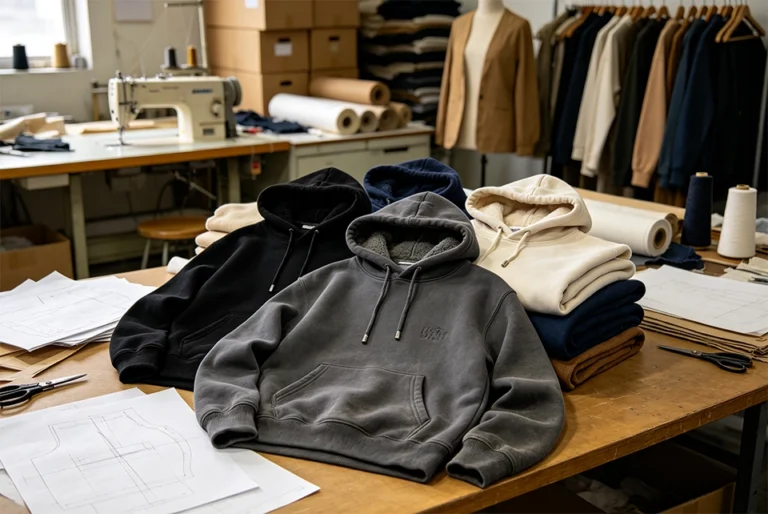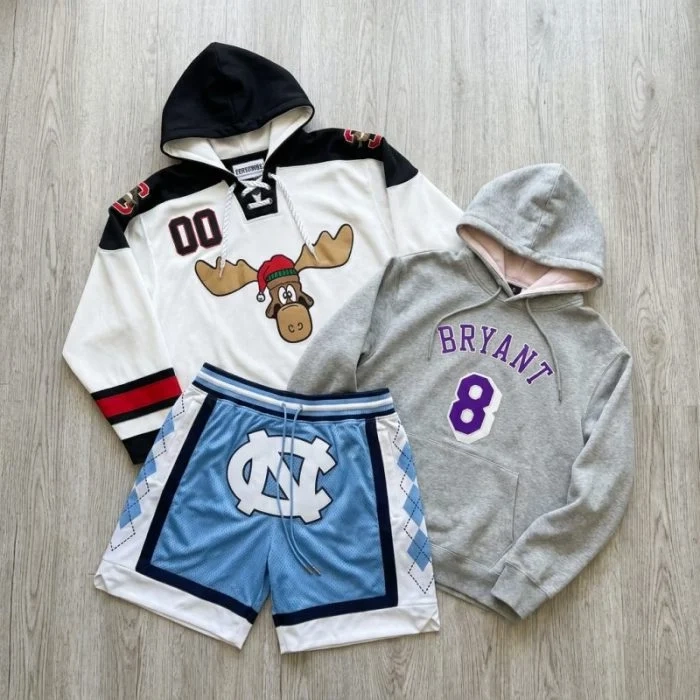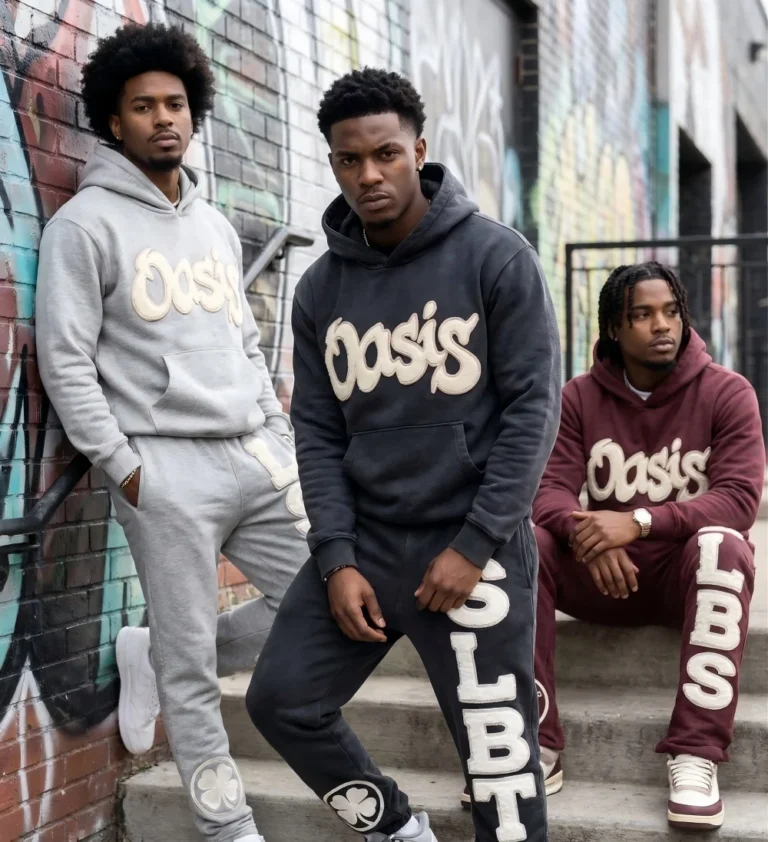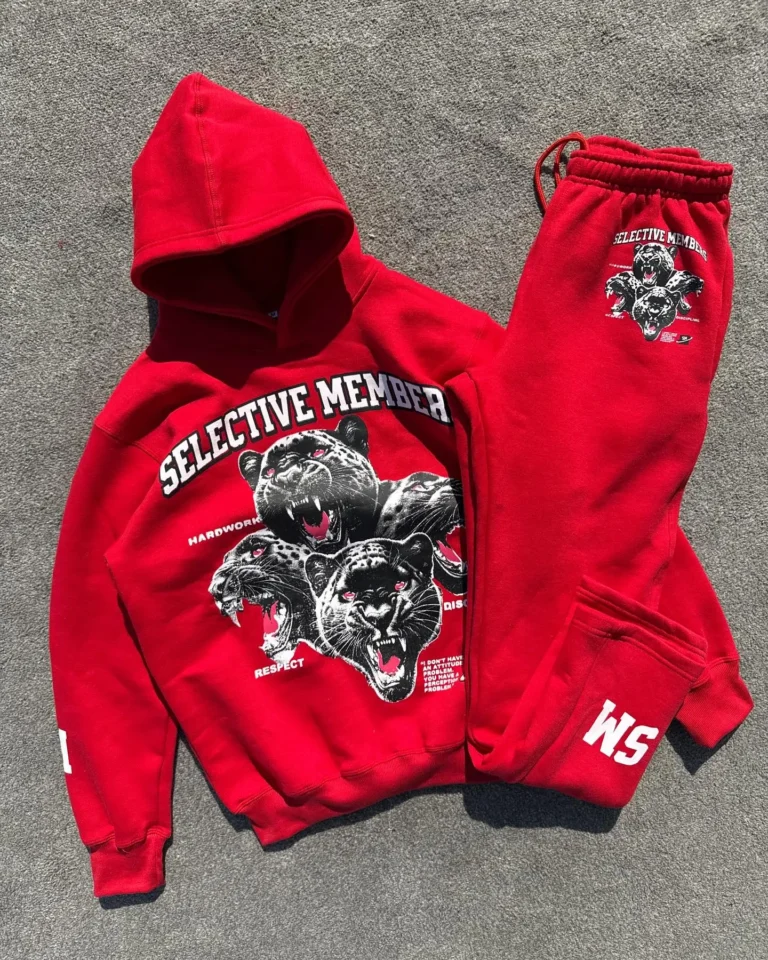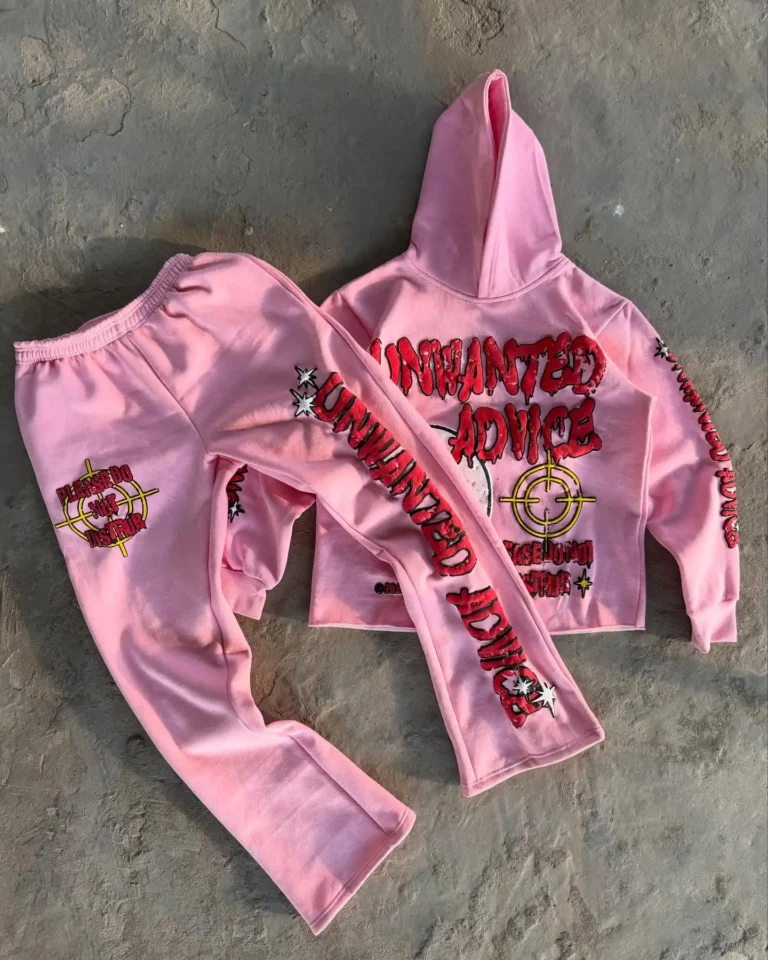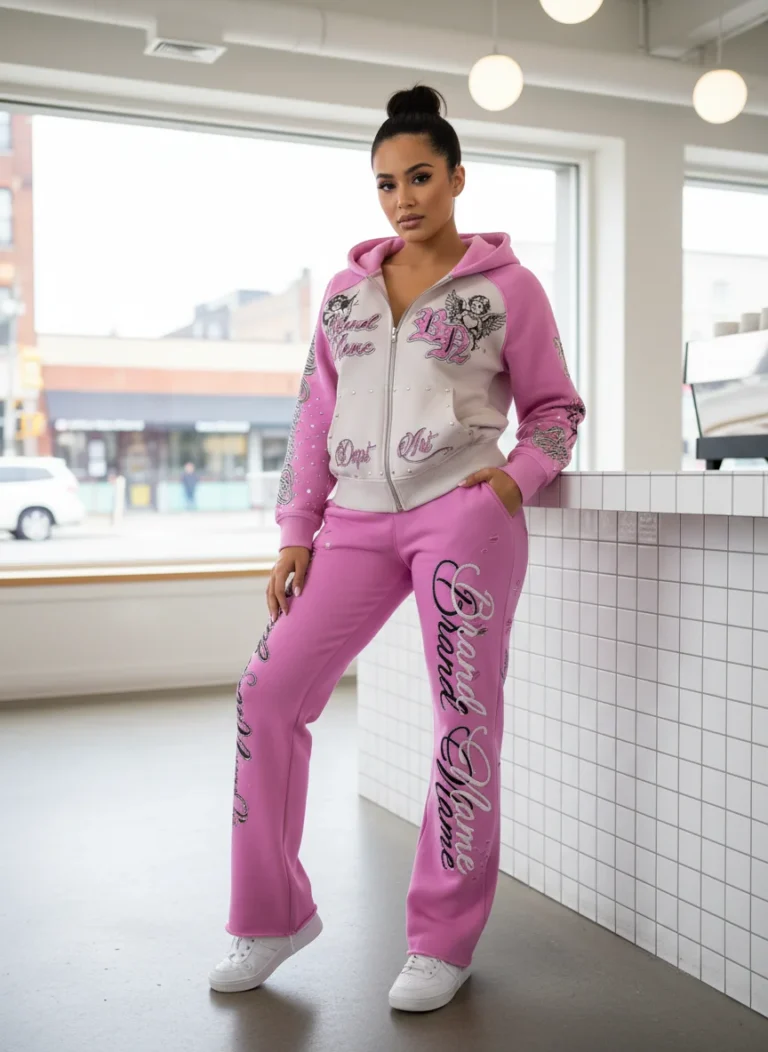
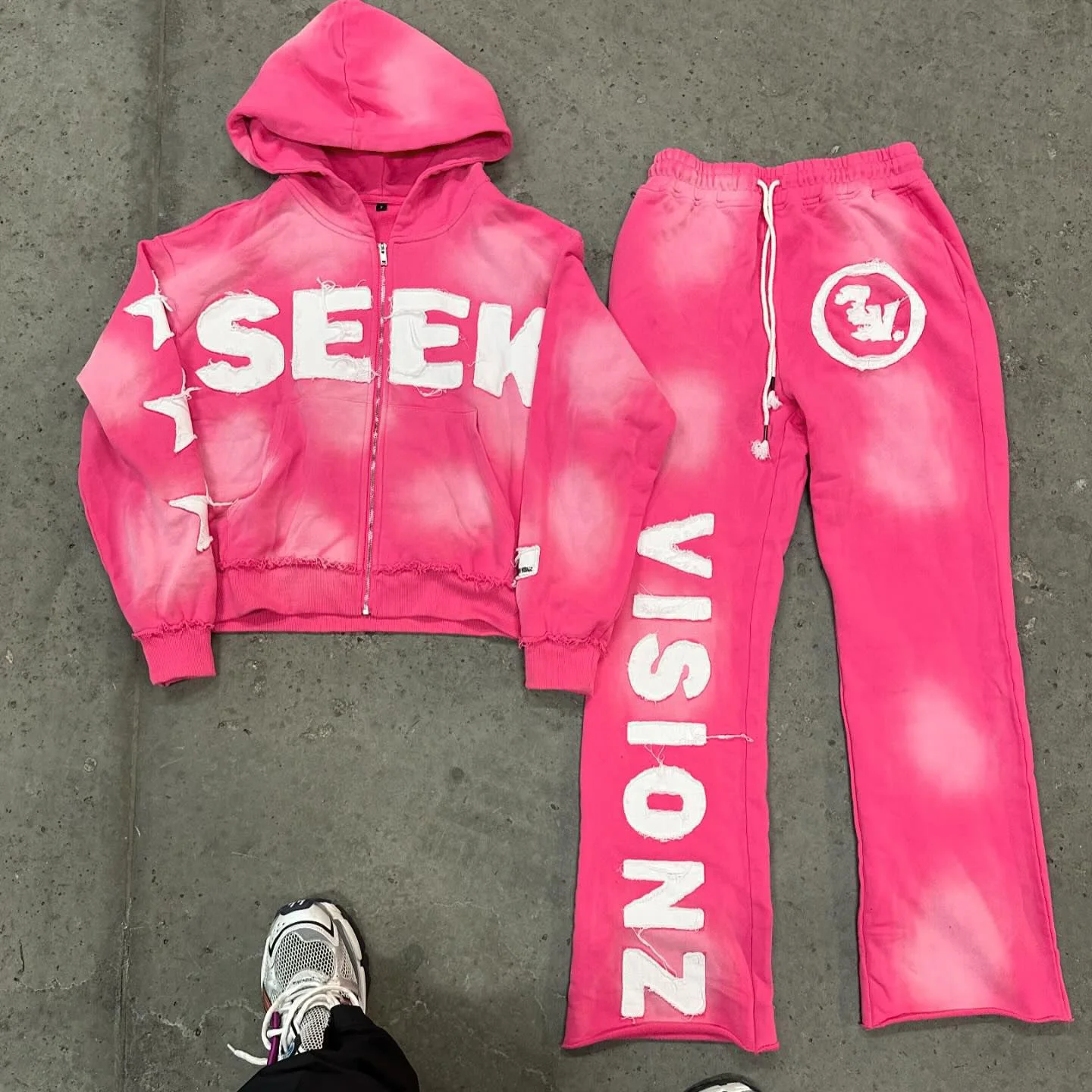
Made‑to‑order hoodie manufacturing services deliver end‑to‑end OEM cut‑sew and private‑label production for streetwear startups, emerging designers and established apparel brands. Unlike printing on pre‑made blank hoodies, cut‑sew production builds every hoodie from scratch: custom pattern drafting, fabric sourcing, cutting, sewing, decoration and full private‑label branding including woven labels, neck tapes, hang tags and care labels. Made‑to‑order workflows let you avoid excess inventory, adjust silhouettes, fabric weights and construction details to match your brand vision. Pre‑bulk sampling validates fit, sewing quality and finish before full production runs. This guide covers cut‑sew OEM workflows, tech pack essentials, sampling cycles, private‑label customization scope, MOQ considerations, lead‑time breakdowns and practical sourcing tips for launching your own original hoodie line.
The Renaissance of Custom Apparel
There is a palpable shift occurring in the fashion zeitgeist, moving away from the homogeneity of high-street retail toward a curated appreciation for the bespoke. The humble hoodie, once merely a utilitarian garment for warmth, has metamorphosed into a veritable billboard for cultural and brand identity. In this new landscape, the concept of made‑to‑order manufacturing is not just a luxury; it is a strategic imperative for brands seeking to resonate with a discerning audience that values authenticity over ubiquity.
Understanding the OEM Cut‑and‑Sew Paradigm
When we delve into the mechanics of apparel production, it is vital to distinguish between the simplicity of blank garment decoration and the complexity of the cut‑and‑sew process. The former involves taking a pre-existing, mass-produced blank and stamping a design onto it. However, Original Equipment Manufacturing (OEM) involves a more profound commitment; we are constructing the garment from the ground up. This paradigm allows for the total manipulation of the garment’s architecture—from the angle of the shoulder seam to the tension of the ribbing—providing a level of authenticity that pre-made blanks simply cannot replicate.
The Allure of Private‑Label Production for Modern Brands
Private-label production is the essence of branding sovereignty. In a saturated market, the ability to control the nuance of your garment’s silhouette is a form of silent communication. It speaks of a dedication to craft and a refusal to conform. When a hoodie is produced under a private label, the garment does not simply carry a logo; it is the logo. This shifts the consumer’s perception from viewing the item as a generic product to considering it a definitive piece of the brand’s narrative, an artifact that carries a unique tactile memory.
The Advantages of Made‑to‑Order Manufacturing
The fiscal prudence of a made‑to‑order model cannot be overstated. By eschewing the traditional “make and hope” methodology, brands effectively eliminate the specter of deadstock. This approach is inherently sustainable, aligning with the modern consumer’s growing ecological awareness. Furthermore, it liberates a brand’s cash flow, allowing them to scale dynamically. Instead of investing tens of thousands into an uncertain inventory, resources can be redirected towards marketing, design innovation, or refining the customer experience.
Navigating the Fabric Landscape: Selecting Your Material Palette
The fabric selection process is a textural dialogue between designer and manufacturer. The weight of the fabric, measured in GSM (grams per square meter), dictates the drape and function of the final garment. A heavyweight cotton exudes a structured, premium feel, ideal for the streetwear aesthete, while a lightweight French Terry offers breathability and a fluid drape. We are also witnessing a surge in the use of sustainable blends—incorporating recycled polyester or organic fibers—which offer a compelling narrative for the eco-conscious brand without compromising on durability.
Deciphering Silhouettes and Construction Details
Beyond the fabric lies the geometry of the garment. A hoodie is an aggregation of complex curves and stress points. The contour of the hood itself, the ergonomic angle of the kangaroo pocket, and the ribbing at the cuffs each require a meticulous approach to pattern-making. The modern market demands variation; from the oversized, urban-inspired cut to the meticulously cropped, feminine silhouette. The mastery lies in the technical execution of these shapes, ensuring that the stitch tension is perfect, the seam allowances are consistent, and the stress points are reinforced to withstand wear.
The Collaborative Design and Sampling Process
This stage is the crucible of the creative process. We begin by interpreting design briefs and translating them into detailed technical “tech packs” that serve as the blueprint for production. The subsequent journey of sampling is iterative; it involves the creation of prototypes that are rigorously scrutinized. It is a dialogue of adjustments—refining a sleeve pitch here, altering a collar width there—until the garment embodies the brand’s vision. Open, transparent communication during this phase is the keystone that ensures the eventual bulk production proceeds without a hitch.
Color Matching and Custom Dyeing Techniques
Color theory meets chemical engineering in the dyeing and finishing stages. Precision is paramount, and we utilize Pantone matching systems to ensure that the fabric’s hue aligns perfectly with the brand’s visual identity. Moreover, the choice between garment dyeing and piece dyeing presents distinct aesthetic outcomes; the former yields an unforgiving, lived-in look, while the latter ensures uniformity. For those seeking a distinctive patina, exploring artisanal techniques like the “vintage wash” or stonewash adds depth and character that distinguishes the product from its plain competitors.
Customization Sourcing: Zippers, Drawcords, and Labeling
The true panache of a garment often lies in the subtlety of its hardware. A heavy-gauge metal zipper feels substantial and reassuring to the user, while custom metal aglets at the ends of drawcords convey a sense of luxury. We also explore the significance of woven labels and custom neck printing; these are the micro-interactions that foster a sense of ownership in the wearer. However, it is crucial to manage the logistics here, as these embellishments often come with their own minimum order quantities, requiring strategic planning to maximize value.
Quality Control and Supply Chain Transparency
Maintaining the integrity of the product requires a rigorous inspection regimen. From the initial “lay plan” where the fabric is cut, right through to the final packing line, we deploy meticulous quality checks to detect flaws such as fabric defects, broken stitching, or misaligned prints. Concurrently, modern brands must champion supply chain transparency. It is no longer enough to deliver a quality product; you must be able to document the journey it took to get there, affirming the ethical dimensions of its manufacture.
Logistics, Shipping, and Fulfillment Strategies
The final hurdle in the MTO model is the logistics of delivery. We discuss packaging strategies designed to protect the garment’s intricate details—employing poly bags, tissue paper, and custom boxes that prevent creasing. Navigating the labyrinth of international shipping regulations, duties, and taxes requires a sophisticated partner. Furthermore, the integration of the manufacturing cycle with fulfillment centers ensures that the moment a hoodie leaves the production floor, it is swiftly, seamlessly routed to the end consumer.
Conclusion: The Future of Fashion is On‑Demand
As we look to the horizon, the fashion industry is undeniably moving towards a decentralized, on-demand model. The era of guessing what the consumer wants is waning; the future belongs to those who can produce with agility and precision. Choosing an OEM partner is not merely a transaction; it is a strategic alignment. By embracing cut-and-sew, made-to-order production, brands are investing in a nimble, responsive, and ultimately more profitable ecosystem—one that honors the craft of garment making while satisfying the contemporary demand for exclusivity and speed.