Introduction: The Hoodie as Autobiography
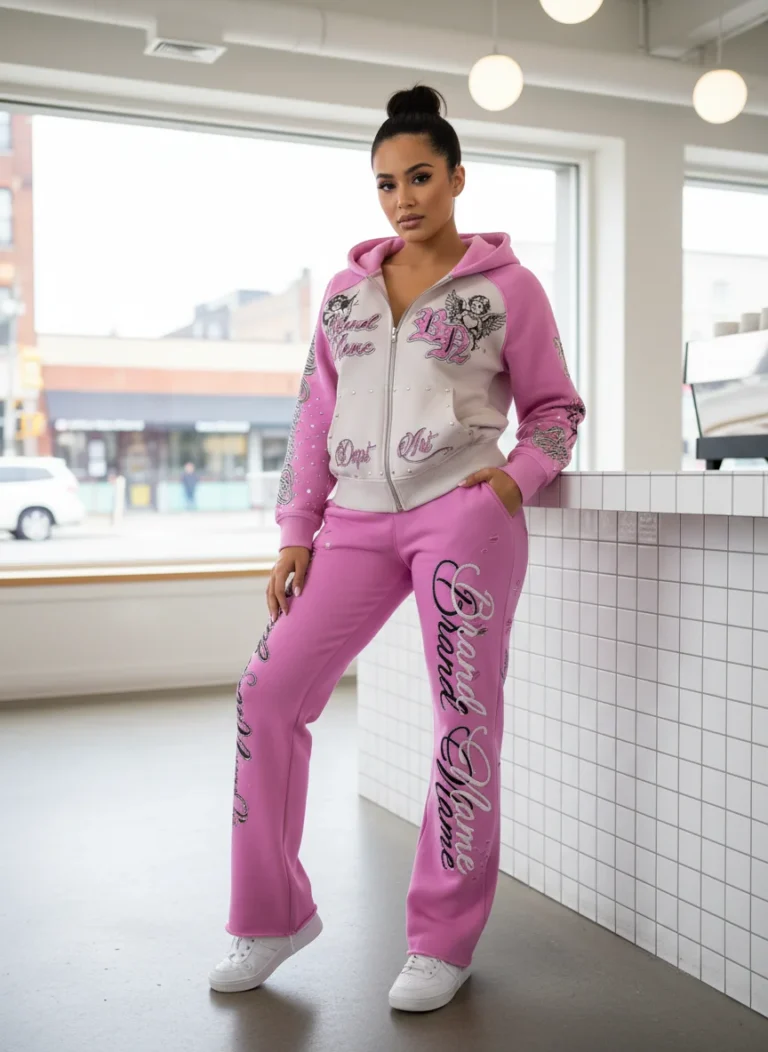
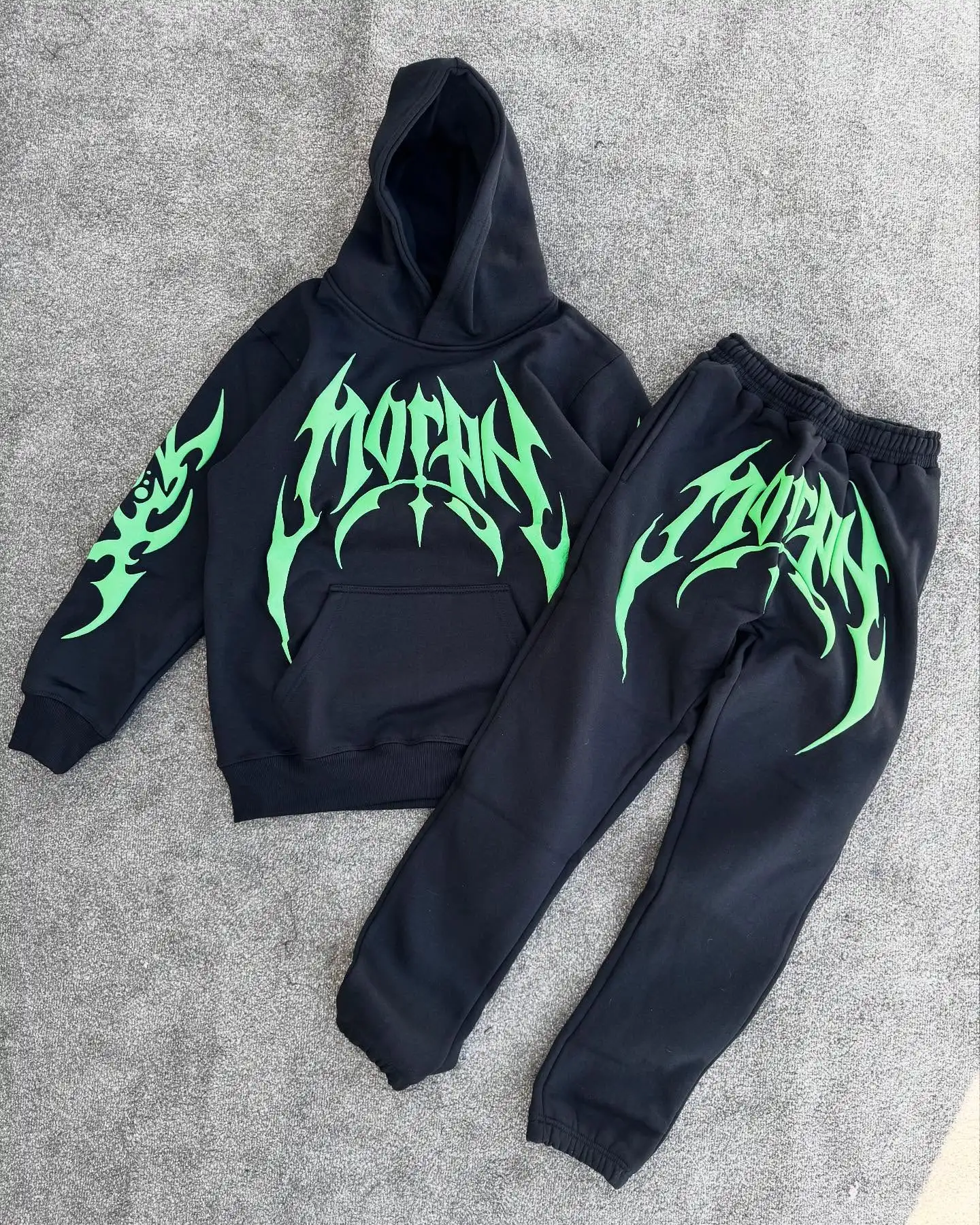
A hoodie is not merely a garment. It is a statement of identity, a declaration of taste, a canvas upon which personal or commercial narratives are inscribed. To customize a hoodie is to transform a mass-produced commodity into a singular artifact. The process admits infinite variation—from the simple application of an iron-on patch to the intricate engineering of multi-color embroidery. This article examines the full spectrum of customization methods, their technical requirements, and the strategic considerations that govern successful execution.
Defining the Scope of Customization
Cosmetic Customization Versus Structural Modification
Cosmetic customization alters a garment’s appearance without changing its fundamental structure. Embroidery, screen printing, and patches fall into this category. Structural modification, by contrast, changes the garment’s form: shortening sleeves, adding pockets, or reconstructing the hood itself. Cosmetic customization is accessible to novices; structural modification demands sewing proficiency.
The Resource Continuum: Time, Money, Skill
Customization exists on a continuum defined by three resources. The DIY enthusiast invests time and acquires skill. The busy professional invests money and outsources to professionals. The skilled artisan combines all three, achieving results unattainable through any single pathway. Honest assessment of one’s resources determines the optimal approach.
Selecting the Substrate: The Blank Hoodie
Fabric Composition and Decoration Compatibility
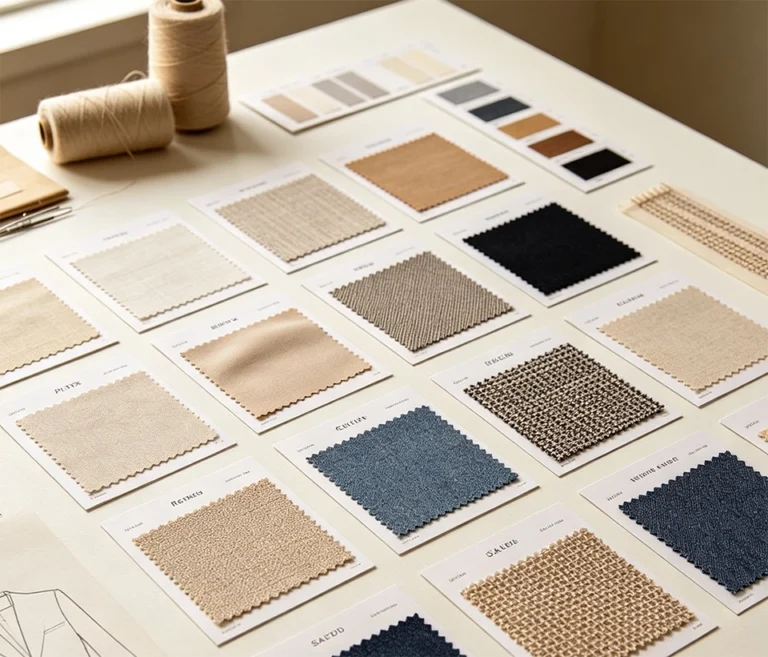
Fabric composition dictates decoration compatibility. High-cotton fabrics (80% or more) accept DTG printing, discharge inks, and dye sublimation with fidelity. Polyester-rich fabrics resist water-based inks but excel with sublimation. Blends occupy a middle ground, offering versatility at the cost of specialization.
GSM and the Weight-to-Warmth Equation
Grams per square meter (GSM) quantifies fabric density. Lightweight hoodies (250–280 GSM) suit mild climates and layering. Midweight (300–350 GSM) offers year-round utility. Heavyweight (400 GSM and above) provides structure and insulation. The substrate’s weight influences not only warmth but also how decoration sits upon the surface.
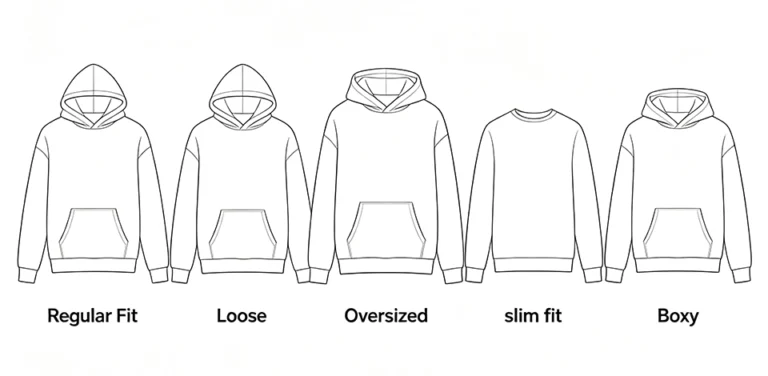
Fit Blocks and Silhouette Options
Fit blocks determine silhouette. Slim fits hug the torso; relaxed fits drape; oversized fits envelop. The choice of block affects placement strategy—a chest logo on a slim hoodie occupies proportionally more space than on an oversized one.
The Design Phase: Conceptualization and Drafting
Mood Boards and Visual Research
Mood boards aggregate visual references—colors, textures, typography, imagery—that inform the design. They provide coherence and prevent aesthetic drift. Sources include fashion archives, street photography, album art, and nature.
Vector Versus Raster Artwork
Vector artwork, composed of mathematical paths, scales infinitely without loss of quality. It is required for screen printing and embroidery digitizing. Raster artwork, composed of pixels, is resolution-dependent. It suits DTG and digital printing but degrades when enlarged. Designers should create in vector where possible.
Color Theory and Chromatic Harmony
Color choices evoke emotion and convey identity. Complementary colors create vibrancy; analogous colors produce subtlety. The substrate’s color influences perception—a red logo on grey behaves differently than the same red on navy. Pantone references ensure consistency across production runs.
Digitizing Artwork for Embroidery
Stitch Types and Their Visual Signatures
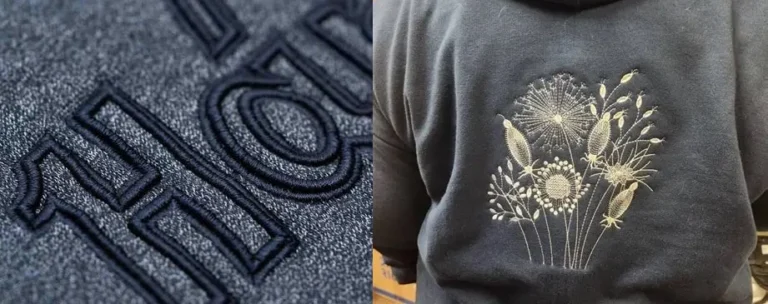
Embroidery employs distinct stitch types. Satin stitches create smooth, reflective borders. Fill stitches cover large areas with parallel lines. Motif stitches—small decorative elements—add texture. Run stitches outline shapes. The digitizer selects stitches based on the design’s requirements.
Density, Underlay, and Pull Compensation
Density refers to stitches per unit area. Excessive density puckers the fabric; insufficient density leaves gaps. Underlay stitches stabilize the fabric beneath the visible embroidery. Pull compensation adjusts for the fabric’s tendency to draw inward during stitching. These technical parameters determine whether an embroidered logo appears crisp or distorted.
Common Digitizing Errors
Errors include incorrect sequencing, excessive trims, and inadequate underlay. A poorly digitized file produces thread breaks, puckering, and misalignment. Digitizing is a specialized skill; amateurs should entrust it to professionals.
Embroidery as a Medium
Thread Selection: Polyester, Rayon, Cotton
Polyester thread is strong, colorfast, and abrasion-resistant. Rayon offers a lustrous sheen but is less durable. Cotton thread provides a matte, natural appearance. Metallic threads add glamour but require slower stitching speeds.
Placement Strategy and Visibility
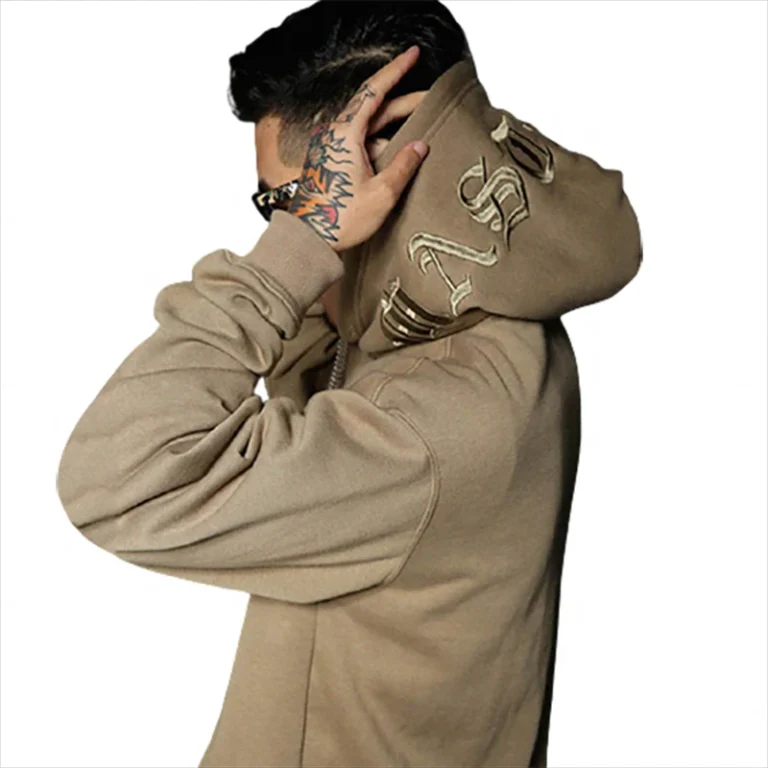
Placement determines visibility. Left chest embroidery is conventional and professional. Back yoke embroidery spans the shoulders. Sleeve placements evoke military insignia. Collar embroidery frames the face. The placement should align with the garment’s purpose.
Dimensional Effects: Puff, Chenille, Appliqué
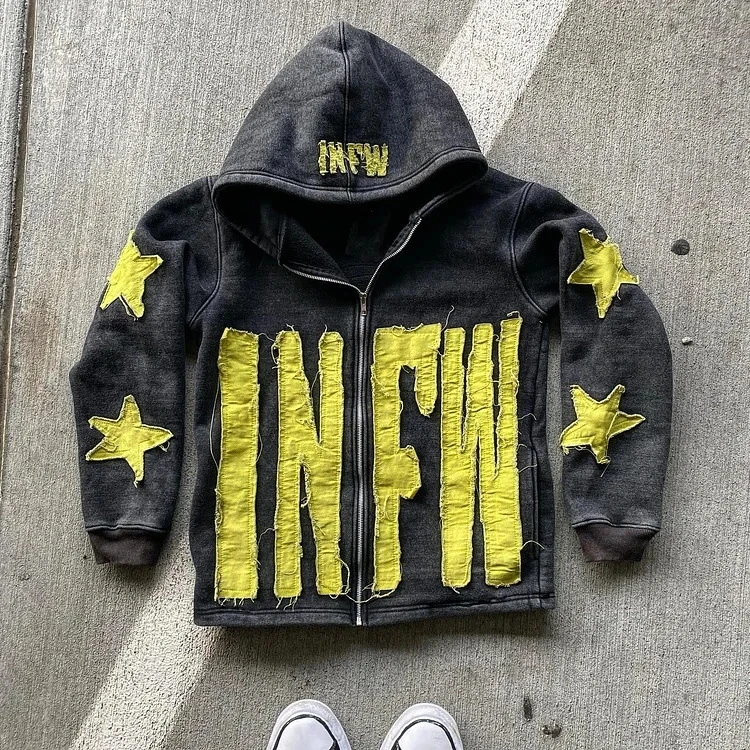
Puff embroidery uses thick foam beneath the stitches to create a raised, three-dimensional effect. Chenille patches employ fuzzy, tufted yarn for texture. Appliqué involves stitching fabric shapes onto the garment. These techniques add depth and tactile richness.
Screen Printing Fundamentals
Plastisol, Water-Based, and Discharge Inks
Plastisol ink sits atop the fabric, offering opacity and vibrancy. Water-based ink penetrates the fibers, yielding a softer hand. Discharge ink removes dye from the fabric, creating a tone-on-tone effect. Each ink type suits different aesthetics and substrates.
Color Separation and Registration
Multi-color designs require color separation—dividing artwork into individual screens. Registration ensures that colors align precisely when printed. Misregistration produces blurry or overlapping edges.
Curing and Durability
Screen-printed ink must be cured—heated to a specific temperature—to achieve durability. Under-cured ink washes away; over-cured ink cracks. Proper curing is essential for longevity.
Direct-to-Garment and Direct-to-Film Printing
DTG: Photographic Detail on Cotton
Direct-to-garment printing functions like an inkjet printer for fabric. It accommodates photographic imagery, complex gradients, and full-color designs without setup fees. DTG works best on 100% cotton or high-cotton blends.
DTF: Versatility Across Fabrics
Direct-to-film printing transfers designs from a film substrate to the garment via heat press. It works on cotton, polyester, blends, and even non-textile surfaces. DTF offers flexibility without the pretreatment requirements of DTG.
Pretreatment and Post-Press Finishing
DTG requires pretreatment—a liquid applied to the fabric to enhance ink adhesion. Post-press finishing ensures wash fastness. These steps are critical; skipping them compromises durability.
Heat Transfer Vinyl and Sublimation
HTV: Layering and Weeding
Heat transfer vinyl (HTV) is cut from sheets, weeded (excess vinyl removed), and pressed onto the garment. It accommodates single-color designs and layered multicolor compositions. HTV is durable and accessible to home crafters.
Sublimation: All-Over Prints on Synthetics
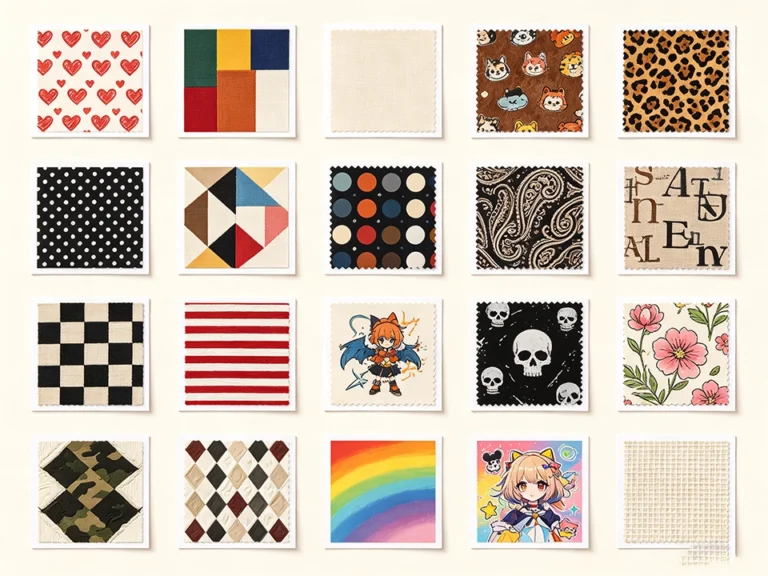
Sublimation gasifies ink into synthetic fabrics, producing all-over prints that do not alter the fabric’s hand. It requires polyester-rich substrates and light-colored backgrounds. Sublimation is ideal for photographic imagery and seamless patterns.
Hand-Painting and Fabric Markers
Acrylics, Fabric Paints, and Mediums
Fabric paints and acrylics mixed with textile medium adhere to cotton and blends. They allow freehand expression impossible with mechanical methods. The result is unique, though less uniform than printed designs.
Fixatives and Wash Fastness
Heat-setting—ironing or baking—fixes paint to fabric. Without proper fixation, painted designs crack or wash away. Fabric markers require similar treatment.
Embellishment Beyond Ink and Thread
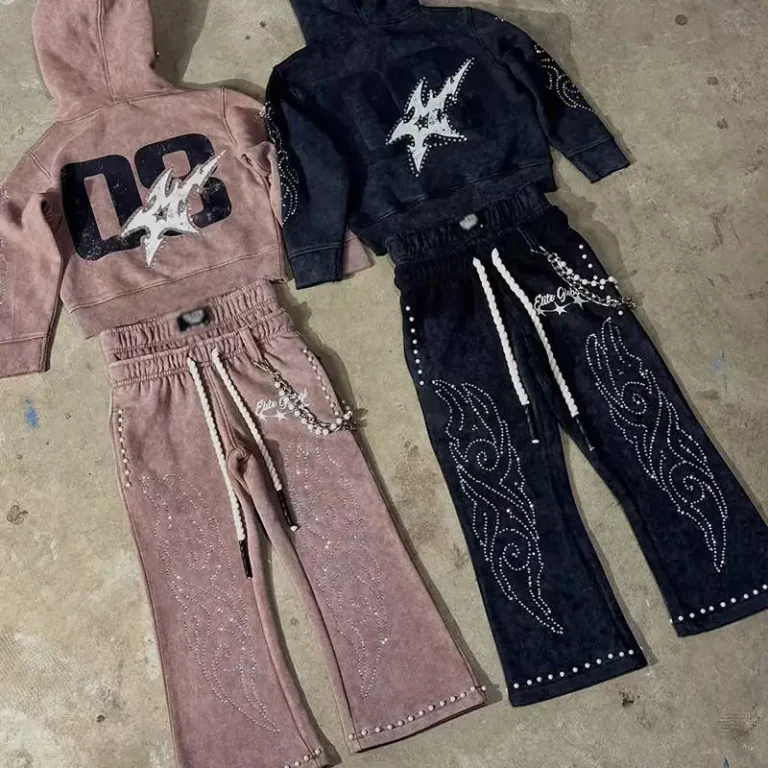
Beadwork, Sequins, and Rhinestones
Beads, sequins, and rhinestones add shimmer and texture. They can be sewn by hand or applied with adhesive. Beadwork is labor-intensive but yields extraordinary results.
Patches, Pins, and Metal Hardware
Patches—woven, embroidered, or leather—can be sewn or ironed on. Pins and enamel badges add metallic accents. Custom buttons, rivets, and zipper pulls integrate branding into the garment’s functional elements.
Distressing, Dyeing, and Bleaching
Distressing—sanding, cutting, fraying—creates a worn aesthetic. Dyeing alters the garment’s base color. Bleaching removes color in patterns. These techniques transform the substrate before decoration.
The DIY Pathway: Tools and Techniques
Heat Press Versus Iron
A heat press applies uniform pressure and temperature, ensuring consistent transfers. A household iron can suffice for small projects but lacks precision. For frequent customization, a heat press is a worthwhile investment.
Embroidery Machines and Hand-Stitching
Entry-level embroidery machines cost several hundred dollars and accommodate small designs. Hand-stitching—using a needle and thread—is slower but requires no machinery. Both approaches yield satisfying results.
Safety and Ventilation
Fabric paints, adhesives, and aerosol fixatives emit fumes. Adequate ventilation is essential. Heat presses reach high temperatures; caution prevents burns.
The Professional Pathway: Working with Suppliers
Print-on-Demand Platforms
POD platforms such as Printful and Printify allow designers to upload artwork and order single pieces. The platform produces and ships the garment. POD excels for validation and micro-volume.
Local Decorators and Print Shops
Local decorators offer consultation, sampling, and production. They excel at small-to-medium runs with quick turnaround. Proximity enables face-to-face communication and rapid iteration.
Direct Manufacturer Sourcing
Factories in China and Southeast Asia offer lower unit costs at higher minimums. Direct sourcing requires specification writing, sample approval, and quality inspection. The reward is margin and control.
Sampling and Prototyping
Digital Mockups: Speed and Limitations
Digital mockups verify placement, scale, and color. They are fast and inexpensive. They cannot verify fabric hand, fit, or decoration durability.
Physical Samples: The Gold Standard
Physical prototypes reveal everything. They expose issues—color inaccuracy, poor stitching, print misalignment—before bulk production. Always order a sample before committing to a run.
Strike-Offs and Approvals
A strike-off is a test application on the actual garment fabric. Approval of the strike-off prevents bulk errors. The pre-production sample serves as the golden standard for bulk production.
Quality Control and Durability Testing
Wash Tests and Abrasion Tests
Wash testing reveals whether decoration survives laundering. Abrasion testing simulates wear. Both should be conducted before accepting a production run.
Colorfastness and Crocking
Colorfastness refers to a dye’s resistance to fading. Crocking refers to dye transfer to other surfaces. Indigo denim may crock onto light upholstery; printed designs may fade with washing. Testing verifies performance.
Care and Maintenance of Customized Hoodies
Washing Protocols by Decoration Type
Embroidered hoodies may be machine washed inside out in cold water. Screen-printed and DTG-printed hoodies should be washed gently to preserve ink. Hand-painted designs may require hand washing. Always consult care labels.
Storage and Longevity
Folding rather than hanging prevents stretching. Storage in a cool, dry place prevents mildew and fading. Proper care extends the garment’s life and preserves its decoration.
Common Mistakes and How to Avoid Them
Poor Artwork Preparation
Low-resolution artwork produces blurry prints and poor embroidery. Always prepare artwork in vector format or at high resolution.
Incorrect Placement
Placement errors—too high, too low, off-center—compromise appearance. Use mockups and samples to verify placement before production.
Skipping Samples
Impatience leads to production before approval. Defective goods and costly remediation follow. Sampling is insurance, not formality.
The Creative Possibilities: Case Studies in Customization
Streetwear and Hype Culture
Streetwear brands use customization to create scarcity and exclusivity. Limited drops, unique embellishments, and artist collaborations drive demand and resale value.
Corporate and Team Apparel
Corporations and teams customize hoodies for identity and unity. Embroidered logos, consistent colorways, and size-inclusive offerings serve organizational needs.
Personal Expression and Artwear
Individuals customize hoodies to express identity, commemorate events, or create wearable art. The possibilities are limited only by imagination.
Scaling Customization for Brands
From One-Off to Small Batch
Transitioning from one-off customization to small-batch production requires systems. Inventory management, order tracking, and quality control become essential.
Private Labeling and Branding
Woven labels, hangtags, and packaging transform generic garments into branded products. These details signal legitimacy and justify premium pricing.
Reorder Consistency
A reorder may differ from the original order if materials or processes change. Retaining approved samples and specifying standards mitigates this risk.
The Future of Hoodie Customization
Digital Printing Advances
Digital printing continues to advance, enabling smaller batches, faster turnaround, and greater design complexity. On-demand production models are migrating from POD platforms to manufacturer-direct channels.
Sustainable Inks and Materials
Water-based inks, organic cotton, and recycled polyester appeal to environmentally conscious consumers. Sustainability is no longer optional.
On-Demand Manufacturing
Factories are adopting on-demand models once confined to POD platforms. This convergence promises lower minimums and faster turnaround from direct manufacturers.
Conclusion: The Hoodie as Personal Canvas
To customize a hoodie is to assert individuality. Whether through embroidery, printing, painting, or embellishment, the act transforms a commodity into a statement. The methods vary in complexity and cost. The principles remain constant: prepare artwork meticulously, test rigorously, and execute with care. The hoodie is a canvas. The design is yours.