
Introduction: The Proximity Imperative in Custom Apparel Sourcing
The search for “hoodie customization near me” is rarely a casual inquiry. It is typically born of urgency—a deadline, an event, a project that requires tangible output. Proximity promises speed, ease of communication, and the comfort of physical access. Yet the definition of “near” has expanded. A factory in Dongguan is reachable via email, messaging apps, and express logistics; a print shop two blocks away may be unresponsive or incapable. This article examines the landscape of hoodie customization through the lens of proximity, distinguishing between geographic nearness and functional nearness, and mapping the options available at each scale.
Defining “Near Me”: Geographic, Functional, and Digital Proximity
“Near me” admits of multiple interpretations. Geographic proximity denotes physical distance—a shop within driving range, a factory in the same city. Functional proximity denotes responsiveness, reliability, and ease of collaboration, regardless of distance. Digital proximity denotes accessibility through online platforms, messaging, and video calls. A supplier may be geographically distant yet functionally proximate; conversely, a local vendor may be geographically close yet functionally remote. The prudent buyer weighs all three dimensions.
The Preliminary Question: Personal Project or Commercial Production
Before sourcing, the purpose must be clarified. A hoodie for personal wear—a single garment, perhaps commemorating an occasion—may be sourced through a local print shop or an online print-on-demand platform with no minimum order. A hoodie intended for commercial distribution—merchandise, promotional giveaways, retail product—requires consideration of scale, consistency, compliance, and cost efficiency. The purpose governs the sourcing pathway. Conflating personal and commercial objectives yields inefficiencies.
A Taxonomy of Local Customization Options
The options for hoodie customization fall into several categories. Local print shops and embroidery studios offer decoration services on blank garments. Local cut-and-sew workshops produce garments from scratch at modest scale. Domestic manufacturing hubs—regional clusters of factories—offer greater capacity. Overseas factories, particularly in China, offer scale and cost efficiency, accessible through digital channels. Aggregators such as Alibaba connect buyers with multiple suppliers. Each option presents distinct trade-offs in cost, lead time, minimum order quantity, and customization capability.
Local Print Shops: The Accessible Entry Point
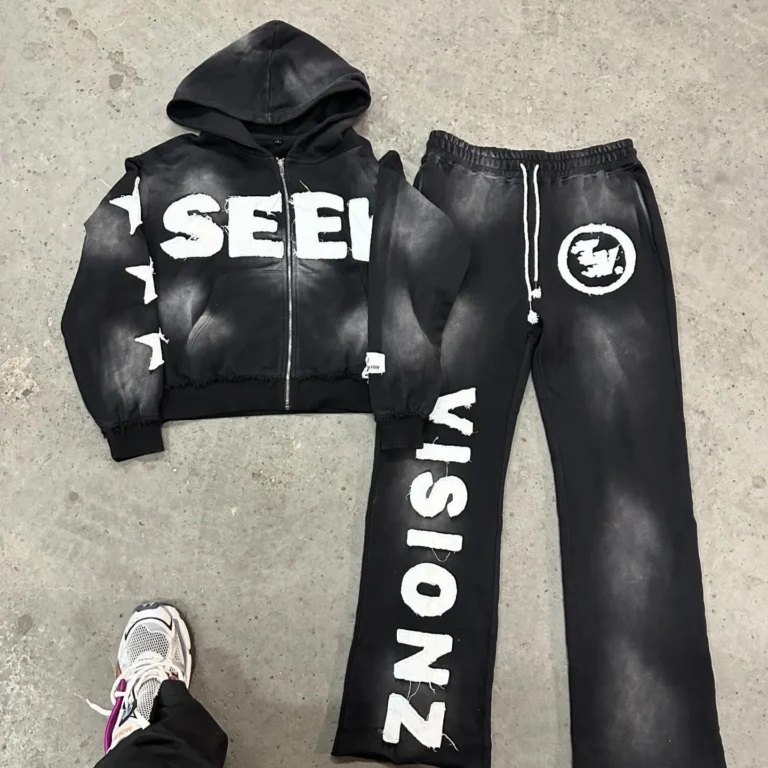
Local print shops represent the most accessible entry point for hoodie customization. These establishments—often found in commercial districts or industrial parks—accept small orders, sometimes as low as a single unit. They offer screen printing, direct-to-garment (DTG) printing, and heat transfer vinyl. Turnaround is typically rapid, measured in days rather than weeks. For personal projects, event merchandise, and small business branding, local print shops are often the optimal choice. The trade-off is higher per-unit cost and limited control over the base garment.
Local Embroidery Studios: Dimensional Branding at Close Range
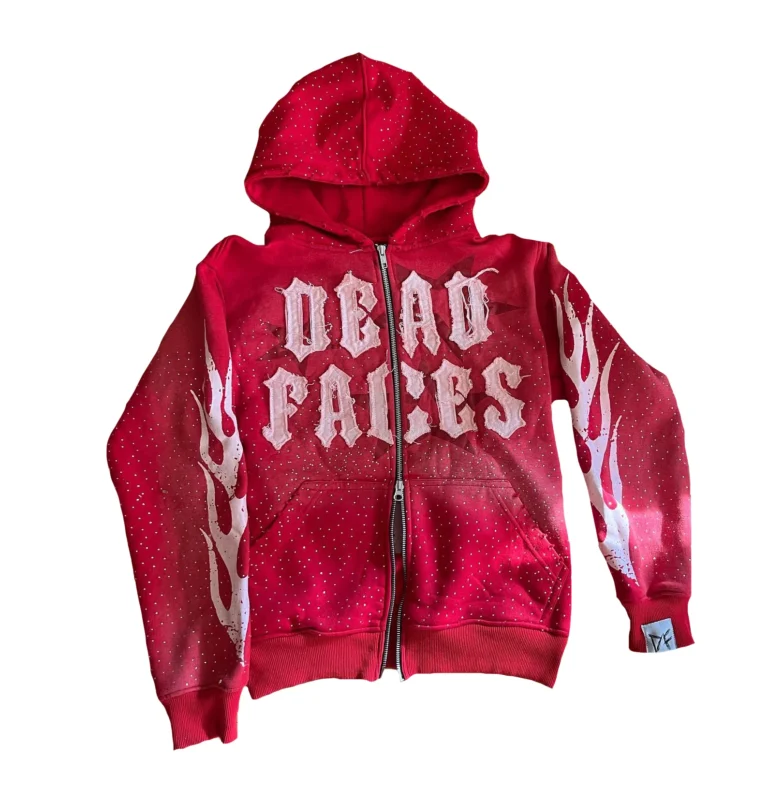
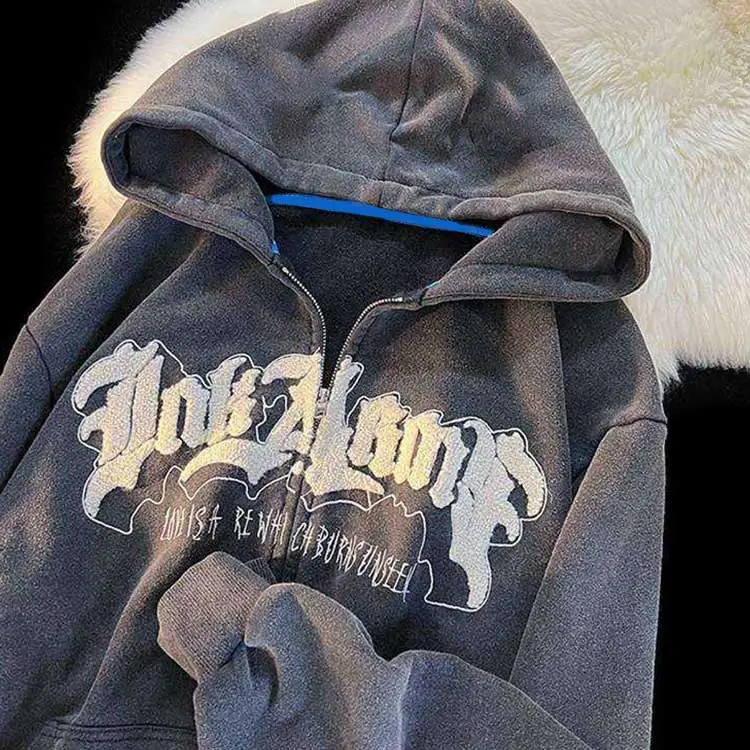
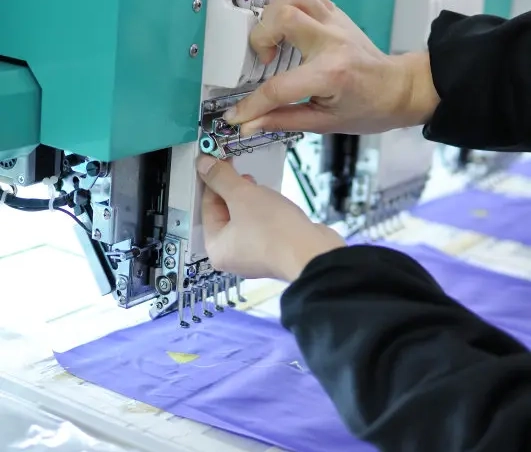
Embroidery studios specialize in stitching designs onto garments. Embroidery offers dimension, durability, and a premium aesthetic well-suited to hoodie fleece. Local studios often have digitizing capabilities, converting artwork into stitch files. They may also offer appliqué, chenille, and patch services. Like print shops, embroidery studios typically work on blank garments supplied by the customer or sourced from local wholesalers. Their proximity facilitates consultation, sampling, and quality inspection.
The Typical Service Boundaries of Local Decorators
Local decorators operate within defined boundaries. They excel at applying graphics to garments. They do not, as a rule, manufacture garments. They may stock popular blanks—Gildan, Bella+Canvas, Independent Trading—but their inventory is limited to what fits their storage and cash flow. They cannot produce custom-dyed fabric, custom-woven labels, or bespoke patterns. Understanding these boundaries prevents misalignment of expectations. A local decorator is a decoration partner, not a manufacturing partner.
The Limitation of Local Shops: Blank Garment Constraints
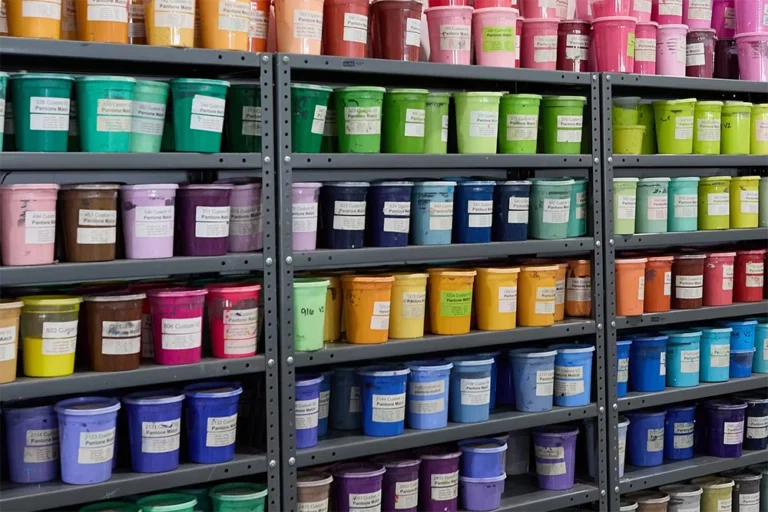
The reliance on blank garments is the primary limitation of local decoration. Blanks are available in a finite range of fabrics, weights, colors, and fits. If the desired hoodie requires a specific GSM, a particular cotton blend, a custom dye, or a proprietary silhouette, the local decorator cannot deliver. The buyer must then either accept a stock blank or pursue a manufacturing pathway. This constraint is the threshold at which “near me” ceases to suffice.
When Decoration Alone Is Insufficient: The Turn to Manufacturing
The turn to manufacturing occurs when the customization extends beyond decoration. Custom fabric, custom fit, custom hardware, custom labels, custom packaging—these requirements demand a garment factory, not a print shop. The factory may be local, domestic, or overseas. The decision hinges on volume, budget, timeline, and the complexity of the customization. A local cut-and-sew workshop may suffice for small runs of bespoke garments; an overseas factory may be necessary for larger volumes at competitive costs.
Local Cut-and-Sew Workshops: Bespoke Construction at Modest Scale
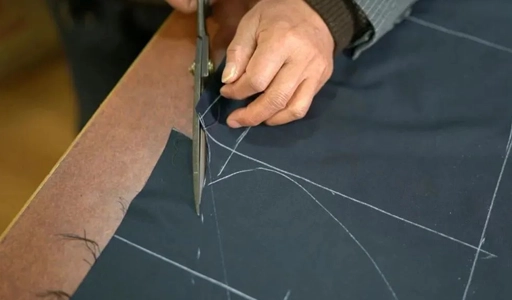
Local cut-and-sew workshops occupy a middle ground. These facilities produce garments from scratch, offering control over pattern, fabric, and construction. They accommodate smaller runs than overseas factories—often starting at fifty to one hundred pieces—and permit closer collaboration and faster iteration. The trade-offs are higher per-unit costs and limited capacity relative to Asian factories. For buyers prioritizing craftsmanship, proximity, and flexibility over cost, domestic cut-and-sew represents a compelling option.
Domestic Manufacturing Hubs: Regional Clusters Worth Knowing
Domestic manufacturing hubs are regional clusters where garment production concentrates. In the United States, Los Angeles and New York retain significant cut-and-sew capacity, though at premium labor costs. In Europe, Portugal—particularly the Porto and Braga region—has emerged as a hub for premium denim and knitwear. In the United Kingdom, Leicester and Manchester host garment manufacturers. These hubs offer proximity, regulatory alignment, and craftsmanship narratives that resonate with certain consumer segments.
The Chinese Manufacturing Corridor: A Functional “Nearness” via Digital Channels
China remains the world’s dominant source for custom hoodie manufacturing. The country’s production is clustered in specific provinces—Fujian, Zhejiang, Guangdong—each with distinct strengths. For buyers outside China, these factories are geographically distant but digitally proximate. Messaging apps, video calls, and express logistics collapse the distance. A factory in Dongguan can receive a design brief, produce a sample, and ship it within weeks. Functional nearness, mediated by technology, can approximate geographic nearness.
Dongguan and Humen: A Vertically Integrated Denim and Knitwear Ecosystem
Dongguan, particularly the Humen district, exemplifies the vertically integrated manufacturing ecosystem. Factories in this region possess in-house cutting, sewing, washing, embroidery, and printing capabilities. They source fabric and trims from nearby suppliers, reducing lead times and logistical friction. Suppliers such as GROOVECOLOR offer small-batch production—50 to 100 pieces per color—with SMETA 4P certification covering labor, environment, and business ethics. Dongguan Rainbow Spray Garment accepts orders as low as 30 pieces. This ecosystem demonstrates that even small-volume buyers can access sophisticated manufacturing.
Small-Batch Factories: Debunking the Myth of Minimums
A persistent myth holds that Chinese factories only serve large-volume clients. The reality is more nuanced. Many factories have adapted to the rise of small brands and direct-to-consumer models by offering lower minimums. GROOVECOLOR quotes 50 to 100 pieces per color. Dongguan Rainbow Spray Garment begins at 30 pieces. LeBo Apparel accepts orders under 50 pieces. These factories recognize that small brands scale, and that accommodating modest initial orders cultivates long-term relationships.
Specialty Suppliers: Embroidery-Focused and Print-Focused Factories
Some factories specialize in specific decoration techniques. Dongguan Yuanxin Embroidery, for instance, operates 12 multi-color computerized embroidery machines capable of 40-color embroidery, producing effects comparable to screen printing. Such specialization can yield superior results for complex logos or intricate designs. When the customization’s core lies in a particular technique, a specialized supplier may outperform a generalist factory, even if the generalist is larger.
Online Aggregators: Alibaba, Made-in-China, and the Verification Burden
Online aggregators connect buyers with suppliers across geographies. Alibaba, Made-in-China, and Global Sources host thousands of hoodie manufacturers. These platforms reduce search costs but introduce verification burdens. Supplier profiles may be misleading; certifications may be outdated; transaction metrics may be manipulated. The burden of due diligence falls on the buyer. Aggregators are tools, not guarantees.
The Verification Checklist: Samples, Certifications, and Factory Audits
Verification begins with sampling. A physical sample reveals fabric hand feel, construction quality, and decoration fidelity. It permits the buyer to assess fit, color accuracy, and stitch integrity before committing to bulk. Certifications—BSCI, WRAP, SMETA, OEKO-TEX, GOTS—provide independent verification of labor conditions and material safety. Factory audits, conducted by third parties such as SGS, Bureau Veritas, or QIMA, confirm that the supplier’s operations match its claims. For first-time orders from unfamiliar suppliers, these steps are indispensable.
Sample Fees and Their Signaling Value
Sample fees offer a signaling mechanism. A supplier that charges a reasonable sample fee—300 to 500 RMB, for instance—and refunds it upon bulk order demonstrates confidence in its product and a willingness to invest in the relationship. Dongguan Qianjiayi Garment, for example, refunds the pattern fee when a single style reaches 300 pieces. Suppliers that charge exorbitant non-refundable fees, or refuse to provide samples, warrant skepticism.
Lead Time Realities: Local Versus Remote Production
Lead times differ dramatically by source. Local print shops may complete orders within days. Local cut-and-sew workshops may require two to four weeks. Chinese factories, including sampling, production, quality inspection, and shipping, may consume 30 to 60 days or more. Ocean freight adds 25 to 35 days; air freight reduces this to 5 to 7 days at higher cost. The buyer must calculate lead times from order placement to delivery, not merely from production start.
Pricing Structures and the Landed Cost Calculus
The unit price quoted by a supplier is only the beginning. Landed cost encompasses the garment, decoration, sampling, shipping, duties, and customs clearance. For a 200-piece order from China, unit pricing for a midweight hoodie may range from $6 to $12. Decoration adds $1 to $4 per unit. Sampling costs $200 to $400 across iterations. Sea freight for 200 hoodies may range from $800 to $1,500; air freight, $2,500 to $4,000. Duties and clearance add 15 to 25 percent of declared value. Budgeting on unit price alone invites unpleasant surprises.
Quality Assurance and Third-Party Inspection
Quality assurance for remote production requires deliberate protocols. Buyers should specify acceptable quality limits (AQL)—commonly AQL 2.5 for major defects and 4.0 for minor. Pre-production inspection verifies fabric and trims. In-line inspection catches defects during sewing. Final inspection, ideally by a third party, confirms conformity before shipment. For local sources, the buyer may inspect personally. Quality is a function of specifications and verification, not geography.
Compliance, Certification, and Ethical Sourcing
Compliance is non-negotiable for commercial distribution. Certifications such as BSCI, WRAP, SMETA, OEKO-TEX, and GOTS provide independent verification of labor conditions and material safety. Restricted substances lists, including REACH in the European Union and CPSIA in the United States, must be observed. A supplier committed to these standards mitigates legal and reputational risk. Documentation should be requested and, where feasible, verified.
Common Pitfalls in Local and Remote Sourcing
Pitfalls are plentiful. Vague specifications invite disputes. Overlooking shrinkage tolerances yields ill-fitting garments. Neglecting compliance invites customs delays. Underestimating lead times causes missed deadlines. Choosing a supplier solely on price invites quality failures. Remedies include meticulous documentation, early engagement with suppliers, realistic timelines, third-party inspections, and a willingness to pay appropriately for quality.
Case Studies: Successful Customization Strategies
Examination of successful strategies yields insights. A startup brand sourced blanks from a domestic wholesaler and engaged a local printer for a limited run, achieving rapid launch and market validation. An established label partnered with a Dongguan factory for custom-dyed heavyweight hoodies, leveraging the factory’s in-house dyeing and SMETA certification. A European seller utilized a Portuguese cut-and-sew workshop for premium organic cotton hoodies, aligning production with a sustainability narrative. In each case, the source matched the project’s priorities.
Future Trends in Custom Hoodie Procurement
The sourcing landscape is evolving. Digital platforms reduce friction and increase transparency. Print-on-demand networks expand geographic reach. Chinese factories invest in automation and sustainable technologies. Blockchain-enabled traceability emerges as a differentiator. For buyers, these trends promise greater choice, faster iteration, and enhanced accountability. Those who remain informed will capitalize on emerging opportunities.
Conclusion: Proximity as Function, Not Coordinate
The search for hoodie customization “near me” ultimately resolves into a question of function. Geographic proximity offers convenience but may constrain capability. Remote suppliers offer scale and cost efficiency but demand verification and patience. The optimal choice depends on the project’s requirements—volume, budget, timeline, and customization complexity. A local print shop may suffice for a single hoodie; a Dongguan factory may be necessary for a hundred bespoke garments. Proximity, in the end, is measured not in miles but in the alignment of capability with need.