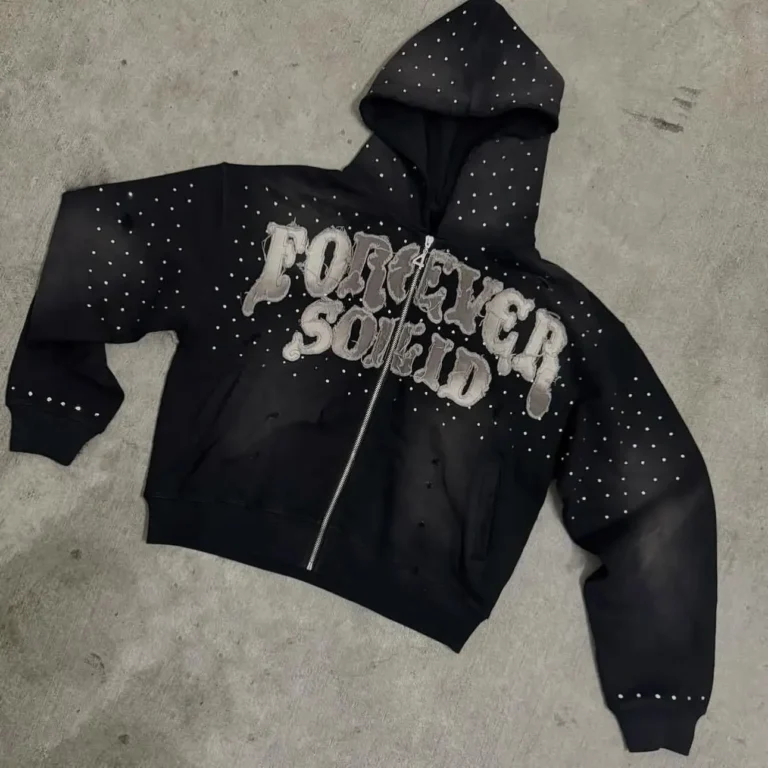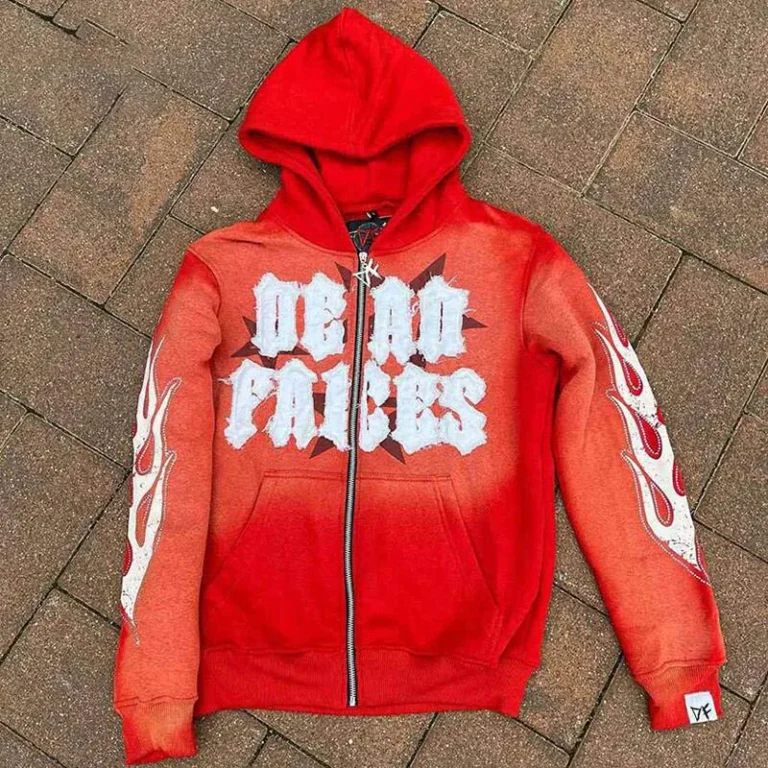
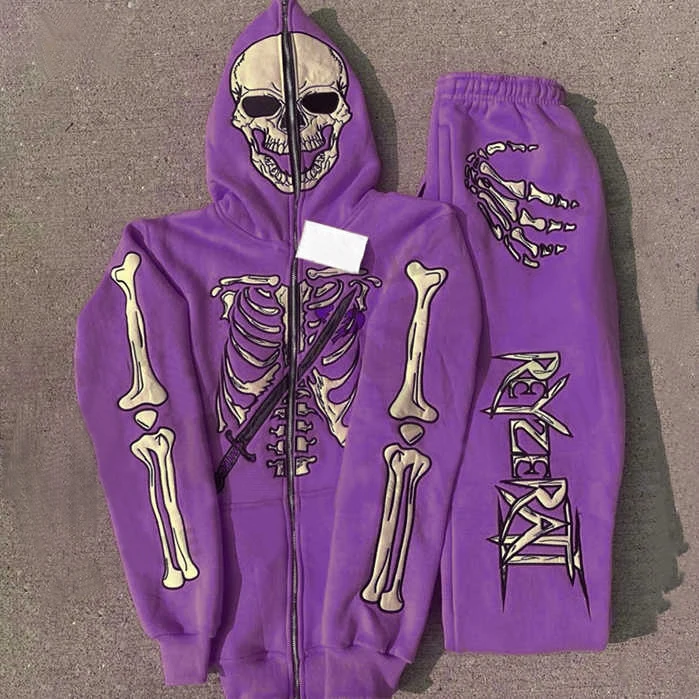
Curious how much is a custom hoodie? Costs vary by quantity, fabric, embroidery and printing type. See price ranges for single custom hoodies, small batches and wholesale brand orders to set your budget.
1. Introduction: The Variable Pricing Paradigm of Custom Hoodies
1.1 Why Custom Hoodie Pricing Lacks Universal Standardization
Custom hoodie pricing operates within a highly heterogeneous market ecosystem, devoid of static universal rate structures that define mass-produced retail apparel. Unlike ready-to-wear hoodies with fixed price points, bespoke hoodie valuation fluctuates based on a confluence of material, technical, logistical, and operational variables unique to each project. Fabric caliber, decoration methodology, order magnitude, and production venue collectively reshape final unit costs, creating a broad pricing spectrum that confounds novice creators. Even visually analogous custom hoodies can exhibit substantial price differentials due to unseen production variables including labor standards, quality control rigor, and textile sourcing ethics. This dynamic variability necessitates granular cost literacy to avoid budget misalignment and suboptimal purchasing decisions in 2026.
1.2 The Core Dichotomy of Retail Consumer vs. Commercial Manufacturing Pricing
A fundamental bifurcation separates consumer-grade custom hoodie pricing and commercial manufacturing cost structures. Retail-facing print-on-demand and local shop pricing prioritizes accessibility for individual and micro-batch orders, absorbing elevated per-unit overhead to eliminate minimum order barriers. Conversely, industrial manufacturing pricing leverages economies of scale to drive marginal cost reduction for high-volume campaigns, imposing minimum order thresholds in exchange for wholesale unit rates. Consumer pricing includes retail markup, fulfillment contingency fees, and platform operational overhead. Commercial manufacturing pricing reflects raw production costs, labor expenditures, and logistical freight expenses exclusive of retail margin. This dichotomy explains why identical custom hoodie specifications can vary by 40–60% between single-unit consumer orders and bulk commercial runs.
1.3 Key Stakeholder Questions That Define Budget Expectations
Accurate custom hoodie budget forecasting begins with three pivotal project qualifiers that anchor all pricing calculations. First, what is the total order volume, as scale dictates the dominant portion of per-unit cost reduction? Second, what tier of material quality and finish precision is required for the intended use case? Third, what decoration complexity and placement scope defines the technical production workload? Casual personal creations tolerate baseline material quality and simple decoration. Branded merchandising demands calibrated color fidelity and durable construction. Commercial retail inventory requires premium textile grading and artisanal finishing. Clarifying these parameters eliminates generalized budget guesswork and enables precise pricing alignment with project objectives.
2. Primary Determinants of Custom Hoodie Unit Pricing
2.1 Textile Grade, GSM Weight, and Fiber Composition Costs
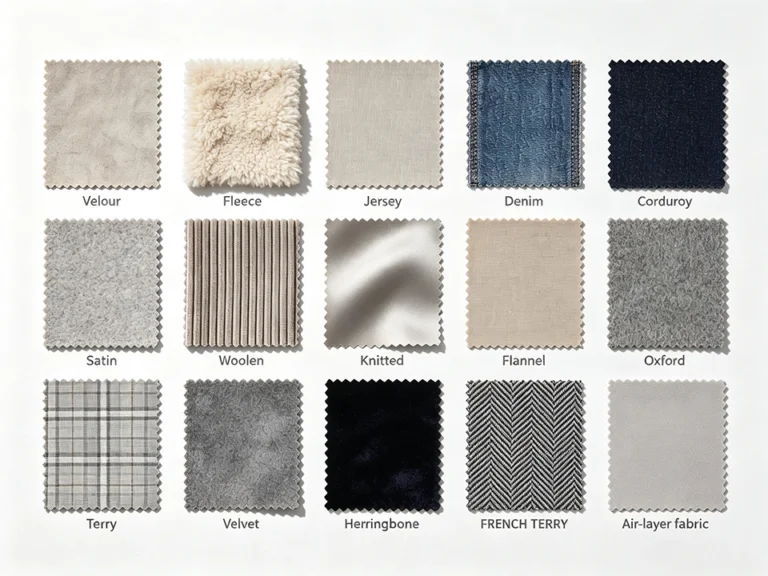
Textile composition and fabric density constitute the foundational cost pillar of every custom hoodie, accounting for 40–50% of total unit production expenses. Fabric weight, quantified in grams per square meter (GSM), directly correlates with material expenditure. Lightweight 240–280 GSM blended fleece represents the most cost-effective baseline substrate, ideal for casual low-intensity wear. Mid-tier 300–340 GSM ring-spun cotton delivers enhanced softness and structural stability at a moderate price premium. Heavyweight 360–450 GSM premium fleece commands substantial material surcharges due to increased fiber volume and refined weaving processes. Organic cotton blends, recycled polyester substrates, and ethically sourced textiles further elevate baseline costs by 15–30% compared to conventional carded cotton alternatives.
2.2 Customization Modality: Printing, Embroidery, and Specialty Finishes
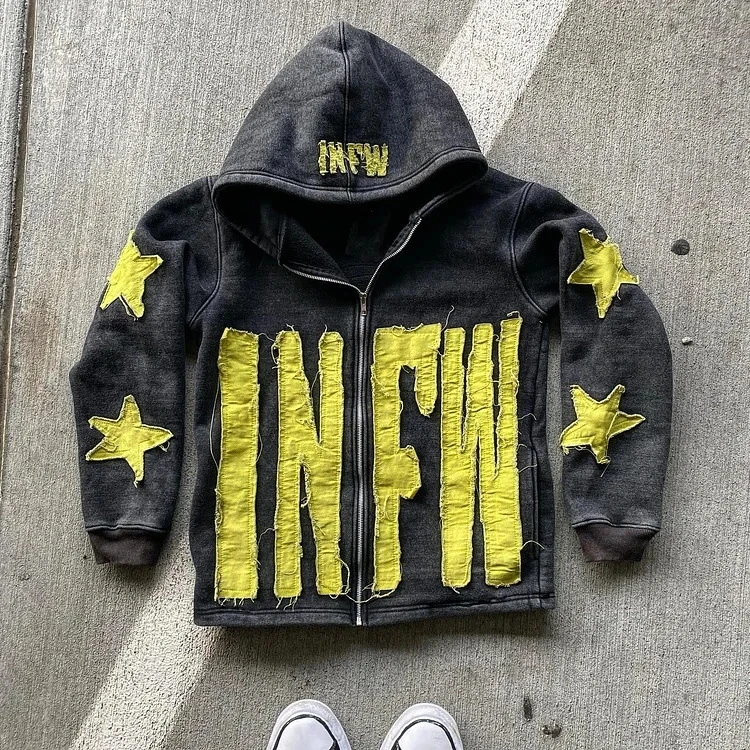
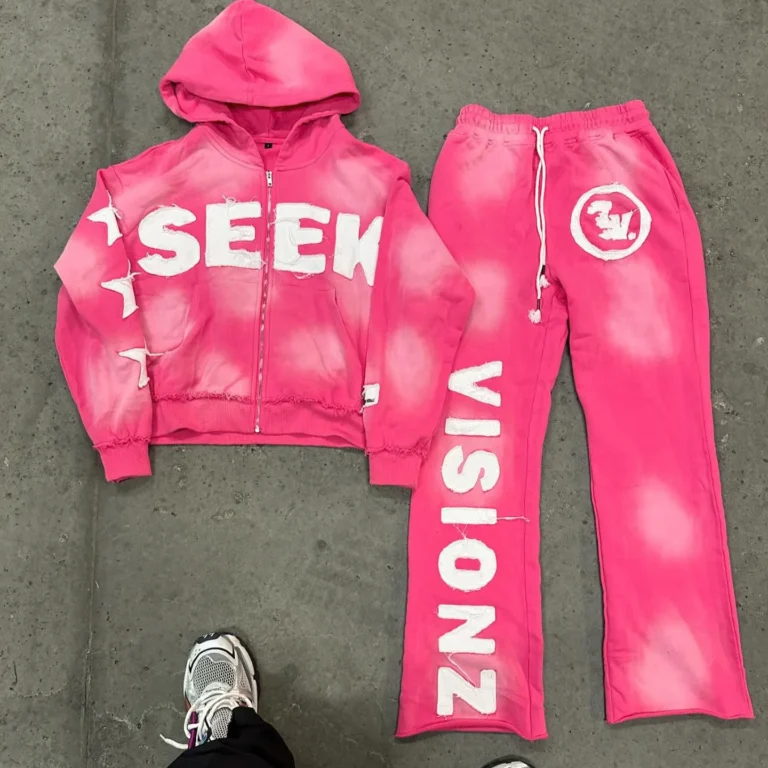
Decoration technique selection introduces stratified pricing tiers that drastically alter final hoodie valuation. Digital direct-to-garment printing delivers cost-efficient full-color customization with zero setup fees, making it ideal for low-complexity multicolored artwork. Traditional screen printing incurs fixed setup amortization costs but reduces marginal per-unit pricing for repeated graphics. Embroidery imposes significant premium pricing due to mechanized stitch labor, thread materials, and extended production cycle times. Specialty finishes including sublimation, puff ink, metallic foiling, and textured appliqué introduce tertiary operational expenses that incrementally elevate project budgets. Each modality carries distinct labor and machinery overhead that directly scales final consumer pricing.
2.3 Order Volume Economies of Scale and MOQ-Based Tiered Pricing
Volume scaling remains the most impactful variable in custom hoodie pricing, generating exponential per-unit cost reduction as order magnitude increases. Zero-minimum single-unit orders carry maximal overhead distribution, resulting in the highest individual garment rates. Small-batch orders between 10 and 50 units dilute fixed setup costs across multiple pieces, yielding moderate price relief. Mid-volume runs of 100–500 units unlock optimized tiered pricing frameworks with substantial marginal savings. Industrial orders exceeding 500 units achieve floor-level wholesale production rates by fully amortizing setup, labor, and machinery overhead across large inventory pools. Minimum order quantity thresholds act as gatekeepers for these economies of scale, segregating accessible consumer pricing from commercial manufacturing rate structures.
2.4 Production Venue Overheads: POD, Local Retail, and Industrial Manufacturing
Production venue operational overhead creates consistent pricing stratification across the custom hoodie industry. Print-on-demand platforms integrate warehousing, automated fulfillment, and global shipping infrastructure into per-unit retail pricing, delivering convenience at a marginal premium. Local brick-and-mortar studios embed retail lease, in-house staffing, and rapid turnaround overhead into their rate sheets, supporting urgent localized production at elevated costs. Industrial offshore manufacturers minimize overhead through centralized mass production and streamlined supply chains, enabling floor-level unit pricing exclusive of retail markup. Each venue’s business model redistributes operational costs differently, creating predictable pricing hierarchies for identical custom hoodie specifications.
2.5 Design Complexity, Placement Count, and Artwork Intricacy
Design intricacy and placement multiplicity introduce variable labor and resource costs that inflate custom hoodie pricing incrementally. Simple single-color chest prints require minimal machine runtime and quality oversight, maintaining baseline decoration costs. Multi-color graphics, gradient blending, and fine-line detailing extend production calibration time and increase quality control labor expenditure. Multi-placement designs incorporating chest, sleeve, back, and neck labeling require repeated machine setup and extended processing cycles. Photorealistic artwork and micro-detail illustration demand heightened operator supervision and extended print validation protocols. Complex designs therefore command proportional premiums reflective of elevated technical workload and quality assurance requirements.
2.6 Geographic Manufacturing Region and Labor Cost Disparities
Global manufacturing geography creates profound custom hoodie pricing disparities driven by regional labor regulation, wage standards, and operational costs. United States and European domestic production incurs elevated labor and compliance expenses, resulting in the highest per-unit commercial pricing. Chinese manufacturing hubs deliver balanced cost efficiency and consistent quality through mature supply chain infrastructure. Vietnamese and South Asian facilities provide the most competitive wholesale rates due to streamlined operational overhead and scaled textile production ecosystems. These regional differentials create a global pricing spectrum where identical custom hoodie specifications can vary by 30–50% based purely on manufacturing locale and associated labor economics.
3. 2026 Standard Custom Hoodie Price Tiers (Consumer & Small Business)
3.1 Budget Tier Custom Hoodies: Entry-Level Single-Unit Pricing
2026 entry-level budget custom hoodies span $12 to $18 per single unit, catering to casual personalization and low-stakes novelty projects. This tier utilizes standard 240–280 GSM cotton-polyester blended fleece with basic DTG single-placement printing or simple heat-transfer vinyl graphics. Finishes prioritize functionality over premium tactile quality, with standard industry ink formulations and minimal quality control oversight. Budget-tier hoodies deliver adequate short-term wear performance but exhibit accelerated fading and pilling after repeated laundering. This pricing bracket dominates print-on-demand entry-level offerings and local shop basic customization packages for individual consumers.
3.2 Mid-Tier Premium Casual Custom Hoodie Market Rates
Mid-tier custom hoodies occupy the $18 to $28 per-unit range, representing the 2026 industry standard for balanced quality and affordability. This tier integrates 300–340 GSM ring-spun cotton substrates with enhanced softness, shrinkage control, and print receptivity. Customization includes high-fidelity multi-color DTG printing, standard screen printing, and basic monogram embroidery with calibrated color matching. Mid-tier garments undergo baseline quality inspection, delivering improved wash fastness and structural durability compared to budget alternatives. This pricing bracket serves the majority of small-team, organizational, and micro-brand merchandising projects seeking professional-grade finish without luxury markup.
3.3 Luxury Heavyweight and Fashion-Grade Custom Hoodie Pricing
Premium fashion-grade custom hoodies command $28 to $45+ per unit, catering to streetwear brands, luxury merchandising, and high-end personalized apparel. This tier features heavyweight 360–450 GSM fleece, custom oversized silhouettes, ring-spun organic cotton blends, and specialty fabric washes. Customization includes intricate multi-color embroidery, puff ink detailing, metallic finishes, and precision multi-placement artwork. Every garment undergoes rigorous manual quality assurance, color calibration, and structural inspection. Luxury-tier pricing reflects superior material sourcing, extended labor investment, and low-volume artisanal production that delivers boutique aesthetic differentiation and long-term wear integrity.
4. Industrial Bulk Manufacturing Pricing Structures
4.1 Small-Batch Bulk Pricing (10–100 Unit Runs)
Small-batch industrial custom hoodie runs of 10 to 100 units yield adjusted per-unit rates ranging from $14 to $26 in 2026. This volume bracket partially amortizes fixed setup costs but retains moderate overhead distribution due to limited scale. Pricing varies sharply by manufacturing region, with South Asian facilities delivering $14–$22 unit rates while domestic US production maintains $35–$65 pricing. Small-batch bulk pricing is ideal for local organizations, startup brand test runs, and limited-edition creative releases, balancing cost efficiency with minimal inventory risk.
4.2 Mid-Volume Commercial Pricing (100–500 Unit Runs)
Mid-volume production runs of 100 to 500 units unlock substantial economies of scale, reducing per-unit costs to $11–$20 for offshore manufacturing and $30–$55 for domestic production. Tiered pricing structures eliminate marginal setup overhead, stabilizing unit costs across consistent material and decoration specifications. This volume tier represents the optimal cost-value equilibrium for established micro-brands, collegiate merchandising programs, and corporate uniform campaigns. Mid-volume manufacturing retains manageable quality oversight while delivering wholesale-adjacent pricing inaccessible to smaller batch productions.
4.3 High-Volume Industrial Pricing (500+ Unit Production Runs)
High-volume industrial runs exceeding 500 units achieve floor-level manufacturing pricing, with baseline custom hoodies costing $8–$12 per unit and premium custom specifications ranging $15–$25 per unit. Maximum overhead amortization, automated production workflows, and bulk textile sourcing discounts converge to deliver minimal marginal costs. This tier exclusively serves established apparel brands, large-scale retail merchandising, and international organizational uniform programs. High-volume pricing requires rigid minimum order commitments but delivers industry-leading profit margins and uniform batch consistency for commercial inventory deployment.
5. Decoding Customization Technique Price Differences
5.1 DTG Digital Printing Cost Profiling
Direct-to-garment digital printing offers the most cost-flexible customization methodology, with per-unit decoration fees ranging $1–$6 depending on color complexity and print coverage. Zero setup fees eliminate upfront investment barriers, rendering DTG ideal for single-unit and micro-batch full-color designs. Minimal incremental cost differentiation exists between simple and complex artwork, as digital machinery calibration remains consistent regardless of gradient intricacy. DTG pricing scales inefficiently at extreme volume but delivers superior cost accessibility for low-run multicolored custom hoodie projects.
5.2 Traditional Screen Printing Setup and Per-Unit Pricing
Screen printing operates on a dual-cost structure comprising fixed one-time setup fees and low marginal per-unit decoration costs. Setup charges range $20–$60 per unique color separation, representing the primary upfront financial barrier. Post-setup, per-unit decoration costs reduce to $0.50–$3.00 based on color count and print size. This framework renders screen printing prohibitively expensive for single-unit orders but exponentially cost-effective for batches exceeding 20 units. Simple one or two-color graphics achieve optimal cost-value ratios through traditional screen printing methodologies.
5.3 Embroidery and Tactile Embellishment Premiums
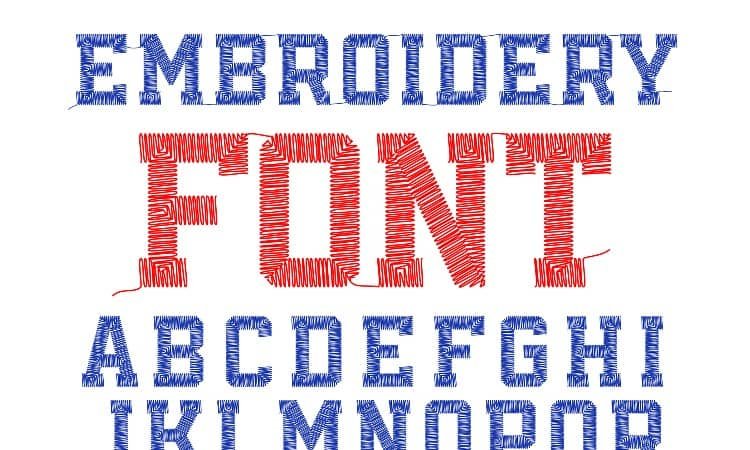
Embroidery commands the most substantial decoration premium, with per-unit pricing ranging $3–$15 based on stitch count, design dimension, and thread complexity. Industrial multi-head embroidery machinery requires extended runtime for dense stitching patterns, increasing labor and operational overhead. Custom thread color matching, 3D puff embroidery, and intricate border detailing further elevate pricing tiers. Despite elevated costs, embroidery delivers superior wash fastness and tactile premium value, justifying investment for corporate branding, institutional insignia, and luxury merchandising applications.
5.4 Specialty Finishes: Sublimation, Puff Ink, and Metallic Accent Costs
Specialty aesthetic finishes introduce discrete surcharges that augment base custom hoodie pricing. All-over sublimation adds $4–$10 per unit due to specialized heat-press infrastructure and polyester substrate requirements. Puff ink and raised texture finishes incur $2–$5 incremental fees for specialized ink application and extended curing cycles. Metallic foiling, holographic accents, and custom dye treatments add variable premium charges based on design coverage. These niche techniques deliver differentiated visual and tactile outcomes but require proportional budget accommodation beyond standard decoration pricing structures.
6. Hidden Ancillary Fees and Overlooked Production Expenses
6.1 Pre-Production Artwork, Mockup, and Sampling Charges
Pre-production development costs frequently evade initial budget forecasting yet materially impact total project expenditure. Professional artwork refinement and vector conversion services range $50–$150 per design for novice creators lacking print-ready assets. Physical production sampling incurs one-time fees of $50–$500 based on garment complexity, a necessary investment to validate batch uniformity prior to full production. Digital mockup services are often complimentary, but detailed bespoke prototype creation carries discrete development charges. These pre-production expenses represent fixed project costs independent of final order volume.
6.2 Setup Fees, Revision Surcharges, and Color Matching Premiums
Many custom hoodie providers impose tiered administrative and technical fees that inflate final project costs. Screen print setup charges, design revision surcharges for post-submission alterations, and custom Pantone color-matching premiums add incremental expenses. Rush turnaround fees for expedited production cycles typically increase total order costs by 15–25%. These conditional fees are rarely highlighted in base pricing advertisements, creating prevalent budget discrepancy between initial quotes and final invoiced amounts.
6.3 Shipping, Fulfillment, and Regional Duty Costs
Logistical expenditures constitute a significant variable cost component for custom hoodie projects. Domestic shipping ranges $3–$8 per unit for retail fulfillment, while international transit and customs duties can elevate per-unit costs by an additional 20–35%. Bulk ocean freight reduces marginal shipping costs but requires extended lead times and minimum volume commitments. Local in-store pickup eliminates shipping overhead entirely, representing the most cost-efficient fulfillment modality for regional small-batch orders.
7. Venue-Specific Pricing Comparison
7.1 Print-On-Demand Zero-MOQ Platform Pricing
2026 print-on-demand platform pricing delivers consistent single-unit rates of $18–$40 for standard custom hoodies, with premium specifications reaching $45+. Zero minimum order policies eliminate volume barriers but retain elevated per-unit overhead due to asset-light operational models. Platforms such as Printful command premium pricing for guaranteed quality consistency, while Printify’s vendor network enables flexible budget tiering. POD pricing is optimal for individual creations and micro-batch trials but economically inefficient for scaled bulk production.
7.2 Local Brick-and-Mortar Print Shop Rate Structures
Local community print studios maintain mid-tier pricing ranging $16–$38 per unit for small-batch custom hoodies. Physical venue overhead creates moderate pricing premiums compared to offshore manufacturing, but localized fulfillment eliminates shipping delays and duty expenses. Local shops often waive setup fees for community clients and accommodate complimentary minor revisions, delivering balanced value for urgent hyper-local projects. Pricing flexibility and in-person oversight offset marginal per-unit cost elevation for small-scale initiatives.
7.3 Domestic Versus Offshore Industrial Manufacturer Pricing
Domestic US industrial manufacturing delivers premium quality and ethical compliance at elevated price points of $30–$65 per unit for mid-volume runs. Offshore Chinese, Vietnamese, and Turkish facilities provide equivalent structural customization at $11–$26 per unit, sacrificing localized oversight for maximal cost efficiency. This stark regional pricing bifurcation enables brand owners to select production locales aligned with budget constraints, ethical priorities, and quality benchmarks.
8. Strategic Budget Optimization and Final Pricing Takeaways
8.1 How to Reduce Per-Unit Costs Without Sacrificing Garment Fidelity
Strategic budget optimization begins with volume consolidation to unlock tiered pricing discounts and amortize fixed setup fees. Standardizing design color counts reduces decoration complexity charges while retaining visual impact. Selecting mid-tier 300–340 GSM fabrics balances quality durability and material cost efficiency. Leveraging digital DTG printing for small batches and screen printing for large runs optimizes technique-specific pricing advantages. Eliminating unnecessary specialty finishes and multi-placement embellishments trims marginal premiums without compromising core brand presentation.
8.2 2026 Industry Pricing Benchmarks for Accurate Budget Forecasting
2026 definitive custom hoodie pricing benchmarks establish clear budget frameworks for all project scales. Single-unit personal custom hoodies average $18–$35. Small-batch organizational orders average $14–$28 per unit. Mid-volume commercial runs average $11–$20 offshore and $30–$55 domestic. High-volume industrial production achieves $8–$15 baseline unit pricing. Premium fashion-grade specifications consistently command $28+ per unit regardless of volume due to elevated material and labor investment. These standardized benchmarks enable precise budget forecasting, eliminating speculative pricing estimations for all custom hoodie creator tiers.