1. Introduction to Custom Hoodie Creation
1.1 The Rising Prevalence of Bespoke Apparel
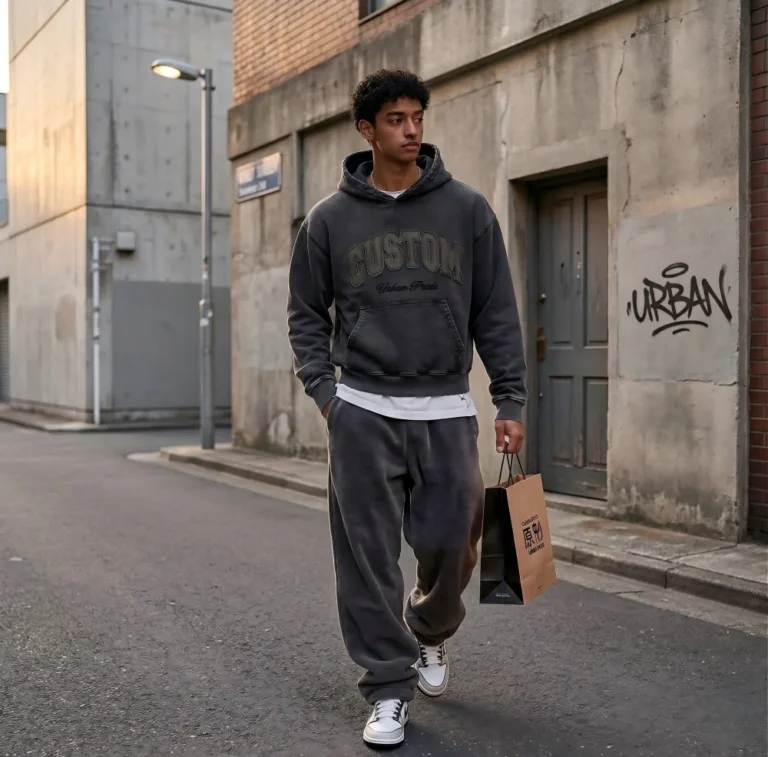
Bespoke apparel has transcended niche fashion subcultures to emerge as a dominant paradigm in contemporary consumer and commercial garment acquisition. Mass-produced ready-to-wear clothing, once the cornerstone of global apparel consumption, now struggles to satisfy modern demands for individuality, brand specificity, and sartorial uniqueness. Custom hoodies, in particular, have ascended to ubiquitous prominence due to their versatile utility across casual wear, brand merchandising, collegiate representation, corporate uniforming, and commemorative personal apparel. This seismic shift toward personalized garment creation has democratized access to professional apparel customization, eliminating the historical exclusivity of tailor-made clothing for elite clientele. Today, individuals, entrepreneurs, organizational leaders, and creative enthusiasts can access a multifaceted ecosystem of production venues tailored to every order size, budget threshold, and quality benchmark.
1.2 Core Motivations for Custom Hoodie Production
The impetus for crafting custom hoodies spans a diverse spectrum of personal and professional objectives. For individual consumers, bespoke hoodies serve as tactile extensions of personal identity, enabling the manifestation of creative vision, sentimental commemoration, and stylistic differentiation from mainstream retail offerings. For commercial entities, custom hoodies function as tangible brand collateral, fostering consumer loyalty, amplifying brand visibility, and cultivating cohesive team aesthetics for staff uniforming. Collegiate organizations, community collectives, and recreational teams deploy customized hooded apparel to solidify group camaraderie and establish visual solidarity. Additionally, emerging micro-entrepreneurs leverage custom hoodie production to launch low-barrier apparel lines, utilizing on-demand and bulk manufacturing frameworks to mitigate inventory risk while capitalizing on niche market demand for personalized casual wear.
1.3 Key Variables That Dictate Production Venue Selection
Selecting the optimal venue for custom hoodie creation is predicated on a confluence of granular operational and creative variables. Order volume stands as the most foundational determinant, as single-unit personal orders require vastly different production infrastructure than industrial-scale bulk merchandising runs. Design complexity further modulates venue suitability; intricate multicolored graphics, textured embroidery, and structural garment modifications demand specialized machinery absent from basic print services. Budgetary constraints, turnaround urgency, fabric quality requirements, and sustainability priorities additionally refine venue eligibility. Discerning creators must also evaluate post-production support, color accuracy guarantees, and scalability potential to align production pathways with long-term project goals. No single venue universally excels across all metrics, necessitating targeted selection based on individualized project parameters.
2. Pre-Production Planning for Custom Hoodie Design
2.1 Defining Project Scope: Individual Versus Bulk Orders
Precise project scoping constitutes the foundational antecedent to successful custom hoodie production, as order magnitude fundamentally reshapes every subsequent production decision. Individual single-unit orders prioritize design flexibility, rapid fulfillment, and zero minimum order barriers, making agile on-demand platforms ideal for one-off personalization. Small-batch orders, ranging from two to fifty units, balance customization latitude with modest volume pricing benefits, suiting local group initiatives and limited-edition creative releases. Mid-tier bulk orders of fifty to five hundred units optimize cost-efficiency while retaining manageable quality oversight, perfect for small business merchandising and organizational uniforming. Industrial-scale orders exceeding five hundred units require institutional manufacturing partnerships capable of standardized mass replication, rigorous quality control, and streamlined logistical fulfillment. Clear scope definition eliminates venue mismatches and prevents inefficient resource allocation throughout the production lifecycle.
2.2 Curating Print-Ready Design Assets and File Specifications
High-fidelity custom hoodie output is inextricably linked to the technical integrity of submitted design assets, a detail frequently overlooked by novice creators. Professional production venues mandate vector-based file formats—including scalable SVG and crisp EPS files—for geometric precision, infinite resizability, and flawless color replication across print mediums. Raster files such as PNG are acceptable for complex photographic imagery but require a minimum resolution of 300 DPI to eliminate pixelation and visual artifacting post-production. Creators must adhere to standardized safe-print margin guidelines to prevent design truncation during garment pressing and account for fabric-specific color shifting that alters digital hue rendering on textile substrates. Comprehensive pre-submission file auditing, including layer flattening, font outlining, and transparency optimization, mitigates production aberrations and accelerates design approval workflows across all production venues.
2.3 Selecting Premium Fabric Weights and Textile Blends
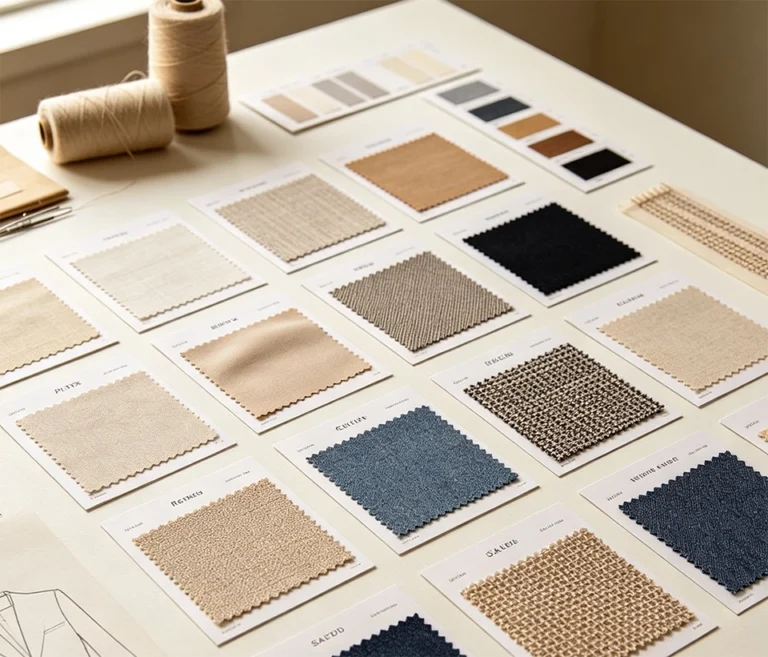
The tactile quality, durability, and drape of a custom hoodie are predetermined by textile composition and fabric weight, measured in grams per square meter (GSM). Lightweight 240–280 GSM cotton-polyester blends deliver breathable, versatile wear ideal for transitional seasonal conditions and casual everyday use. Mid-weight 300–340 GSM ring-spun cotton fabrics offer enhanced softness, structural integrity, and print receptivity, representing the industry standard for premium casual custom hoodies. Heavyweight 360+ GSM thick fleece provides robust thermal insulation and exceptional durability, suited for cold-weather utility and high-wear commercial applications. Blended textile compositions balance the breathability of pure cotton with the wrinkle resistance and dimensional stability of polyester, while organic ring-spun cotton variants cater to eco-conscious consumer demographics with superior fiber purity and sustainable sourcing credentials.
2.4 Evaluating Customization Modalities for Visual Fidelity
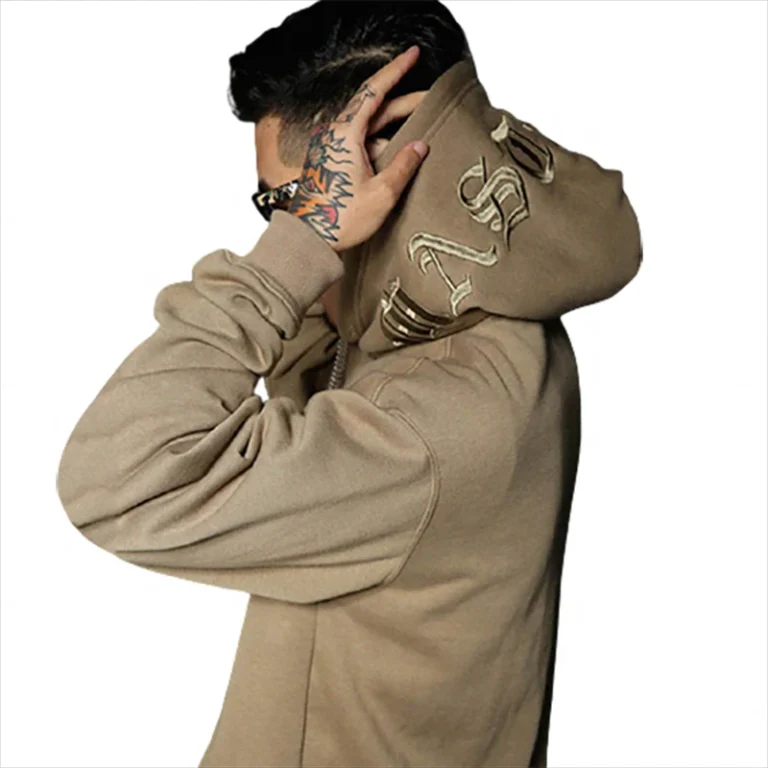
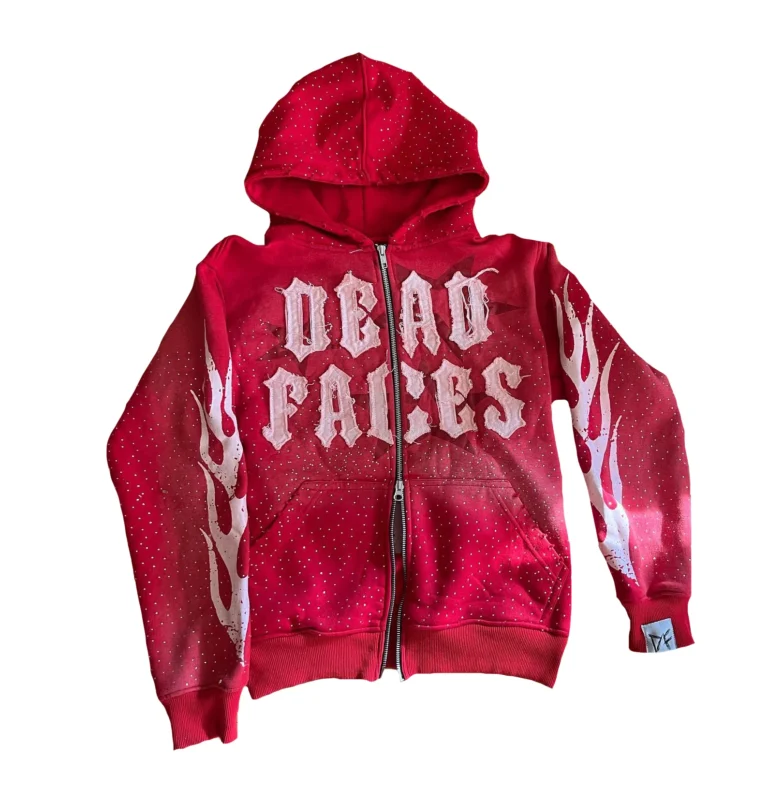
Divergent customization modalities yield distinct aesthetic and functional outcomes, necessitating intentional selection aligned with design intent. Digital direct-to-garment printing excels at intricate multicolored artwork, photographic gradients, and fine-detail illustrations with zero setup costs. Traditional screen printing delivers vibrant, opaque color saturation and exceptional wash durability for simple, bold graphic layouts optimized for bulk replication. Heat transfer vinyl enables precise geometric cutouts, metallic finishes, and textured accents ideal for minimalist text-based designs. Embroidery imparts tactile dimensionality and premium perceived value for logos, monograms, and institutional insignia, with superior longevity against repeated laundering. Sublimation printing facilitates all-over garment patterning and seamless color blending but requires polyester-dominant fabric substrates for effective pigment infusion. Each modality possesses unique fidelity thresholds that dictate design suitability across diverse production venues.
3. Online Print-On-Demand Platforms (No Minimum Order Requirements)
3.1 Operational Mechanics of Print-On-Demand Business Models
Print-on-demand (POD) platforms operate on a decentralized fulfillment paradigm that decouples inventory stocking from consumer order flow, revolutionizing accessible custom apparel production. These digital ecosystems maintain curated catalogs of blank garment stock in global fulfillment warehouses, eliminating upfront inventory investment for creators and entrepreneurs. Upon user design submission and order confirmation, the platform triggers localized production at the nearest certified printing facility, executing single-unit or small-batch customization without mandatory volume minimums. The asset-light operational structure reduces overhead expenditures, translating to low entry costs for individual creators and micro-businesses. Integrated digital design suites, automated quality checks, and global shipping infrastructure further streamline the end-to-end customization journey, making POD the most agile venue for on-demand bespoke hoodie creation.
3.2 Top Tier Global Print-On-Demand Vendors for Custom Hoodies
Several industry-leading POD platforms dominate the global custom hoodie landscape, each offering differentiated operational advantages and product catalogs. Printful stands as the most versatile international provider, boasting in-house fulfillment centers across North America, Europe, and Australia, with comprehensive customization options including DTG printing, embroidery, and sleeve artwork placement. Printify facilitates extensive vendor network diversification, enabling creators to select optimal pricing, production speed, and quality tiers from a global roster of certified printers. Apliiq specializes in fashion-forward custom hoodie construction, offering premium blank stock, inside-label customization, and elevated streetwear-centric design capabilities tailored for apparel brand development. Regional providers such as Garment Printing deliver localized Australian and European fulfillment with intuitive browser-based design interfaces optimized for small-scale custom apparel projects. Adobe Express further complements these platforms with free professional design templating tools to refine artwork prior to production submission.
3.3 Pros and Cons of On-Demand Digital Apparel Customization
Print-on-demand customization delivers unparalleled accessibility and flexibility for casual creators and emerging entrepreneurs. The absence of minimum order quantities eliminates financial risk for experimental designs, while rapid digital workflows reduce production lead times to mere business days. Integrated design tools, automated mockup generation, and global shipping logistics remove technical and logistical barriers for novice creators. However, per-unit pricing remains comparatively elevated for large-volume orders, rendering POD economically inefficient for industrial-scale production. Customization limitations persist for highly specialized techniques such as complex appliqué or structural garment modifications, and color consistency can vary marginally across international fulfillment centers. Additionally, creators relinquish direct quality control oversight, relying entirely on platform-managed production protocols and third-party vendor adherence to quality benchmarks.
3.4 Ideal Use Cases for Single-Unit and Small-Batch Orders
Print-on-demand platforms excel in scenarios requiring low-volume, high-flexibility custom hoodie production. Individual personalization projects, including bespoke gift apparel, self-expression streetwear, and commemorative event hoodies, represent the most prevalent use case. Micro-batch brand releases, limited-edition creative drops, and influencer merchandise lines leverage POD’s zero-inventory model to test market reception without capital overhead. Small community groups, local sports teams, and student organizations benefit from flexible ordering that accommodates variable member counts and last-minute order adjustments. Hobbyist designers and apparel creatives utilize on-demand services to prototype new designs, iterate on visual concepts, and build portfolio pieces before scaling to bulk manufacturing. In every scenario, the core advantage lies in uncompromised design freedom unbound by volume requirements.
4. Local Brick-and-Mortar Custom Apparel Studios
4.1 In-Person Consultation and Tactile Fabric Verification Benefits
Local physical apparel studios deliver irreplicable tactile and consultative advantages absent from digital-only production venues. In-person engagement enables creators to physically inspect fabric texture, weight, color tone, and garment construction quality prior to committing to production, eliminating the visual discrepancies inherent in digital product imagery. Expert on-site technicians provide bespoke design consultation, offering granular guidance on print placement, color calibration, and design scaling to optimize visual outcomes. Real-time collaborative iteration allows for instantaneous design revisions, layout adjustments, and technique modifications during consultation sessions. This hands-on oversight drastically reduces post-production dissatisfaction and ensures alignment between creative vision and final physical output, a critical benefit for high-stakes custom hoodie projects.
4.2 Regional Specialty Print Shops and Campus Apparel Providers
Regional print studios and campus-focused apparel vendors constitute a vital localized production ecosystem for community-centric custom hoodie creation. Providers such as Underground Printing maintain expansive on-campus retail footprints across major university networks, specializing in student organization merchandise, Greek life apparel, and collegiate team custom hoodies. These campus-centric vendors possess intimate familiarity with institutional branding guidelines, ensuring compliant and contextually appropriate customization for academic groups. Independent urban print shops cater to local businesses, community collectives, and regional events, offering tailored small-batch pricing and hyper-local fulfillment. Many regional studios combine versatile customization techniques, blending screen printing, DTG digital printing, and embroidery to accommodate diverse design requirements within a single localized production pipeline.
4.3 Turnaround Time and Iterative Design Revision Capabilities
Local brick-and-mortar studios deliver expedited turnaround capabilities ideal for time-sensitive custom hoodie projects. Unlike global POD platforms bound by international shipping lead times, local providers often offer same-week or next-business-day production for standard designs, critical for last-minute event merchandise and urgent uniform requirements. Proximity enables iterative design refinement through in-person feedback loops, allowing creators to review physical mockups, adjust color saturation, and modify print placement before full production commencement. Many local studios prioritize client-specific revision workflows, accommodating minor design tweaks at no additional cost to ensure final product fidelity. This iterative agility stands in stark contrast to rigid digital platform workflows that often charge amendment fees or prohibit post-submission design alterations entirely.
4.4 Limitations of Localized Custom Hoodie Production
Despite their consultative advantages, local apparel studios present tangible limitations for scalable or specialized custom hoodie production. Operational scale constraints restrict cost-effective bulk output, with most regional shops implementing moderate minimum order quantities for screen printing projects. Customization technique diversity is often limited by on-site machinery inventory, meaning niche finishes such as all-over sublimation or complex 3D embroidery may be unavailable locally. Pricing structures typically reflect higher overhead costs for physical retail spaces, resulting in elevated per-unit rates compared to offshore industrial manufacturers. Additionally, geographic proximity limits accessibility for rural creators, and local studios lack the global fulfillment infrastructure required for international merchandise distribution. These constraints render local venues optimal for small, urgent, hyper-local projects but unsuitable for large-scale commercial apparel production.
5. Industrial Garment Manufacturers for Large-Scale Production
5.1 Vertically Integrated Domestic and International Manufacturing Facilities
Industrial garment manufacturers provide vertically integrated production infrastructure for commercial-grade custom hoodie mass production, overseeing every stage from raw textile sourcing to final finished garment distribution. Global manufacturing hubs located in China, Vietnam, Bangladesh, and Turkey deliver comprehensive customization capabilities, including full structural garment modification, bespoke fabric blending, and large-scale uniform printing and embroidery. Vertically integrated facilities such as the Esquel Group maintain end-to-end supply chain control, managing cotton cultivation, textile weaving, garment construction, and final customization to enforce stringent quality benchmarks. Domestic Western manufacturers prioritize ethical labor practices and rapid regional fulfillment, while offshore facilities deliver unparalleled cost-efficiency for high-volume runs. Specialized apparel manufacturers including YC Apparels, Zega Apparel, and Seam Apparel offer brand-focused custom hoodie production tailored for emerging and established fashion labels.
5.2 Bulk Order Minimum Quantities and Tiered Pricing Structures
Industrial manufacturing operations operate on volume-dependent production models with predefined minimum order quantities (MOQs) that filter small-scale creators from commercial producers. Standard screen print bulk MOQs range from 12 to 24 units per unique design, with tiered pricing structures that exponentially reduce per-unit costs as order volume escalates. Mid-tier manufacturing partnerships typically require minimum order thresholds of 100 to 500 units, while premium fully bespoke garment production may mandate quantities exceeding 1,000 pieces. Tiered pricing frameworks incentivize consolidated ordering, delivering substantial marginal savings for scaled production runs. While these volume barriers exclude individual and small-batch creators, they enable commercial brands to achieve industry-competitive profit margins and standardized product consistency across entire merchandise lines.
5.3 Quality Control Protocols for Commercial-Grade Hoodie Production
Professional industrial manufacturers implement rigorous multi-stage quality control (QC) protocols to ensure uniform fidelity across thousands of custom hoodie units. Pre-production QC includes fabric batch testing for colorfastness, shrinkage rates, and textile durability to eliminate material inconsistencies. Digital color matching calibration standardizes pigment formulation across entire print runs, mitigating hue deviation between production batches. In-line production inspections verify print placement accuracy, stitch integrity, and finish quality at regular manufacturing intervals. Final post-production audits conduct random sampling to assess wash durability, structural garment stability, and design precision. Certified manufacturing facilities document all QC procedures, providing compliance verification and quality assurance guarantees for commercial brand inventory. These systematic protocols eliminate the variability inherent in small-scale production environments.
5.4 Sustainable Manufacturing Practices in Industrial Apparel Production
Modern industrial custom hoodie manufacturing increasingly integrates sustainable production frameworks to address ethical consumer demands and environmental accountability. Premium facilities prioritize organic cotton sourcing, recycled polyester blends, and water-reduced print technologies to minimize ecological footprint. Vietnamese manufacturing hubs are renowned for stringent ethical labor compliance and fair-trade production standards, while Chinese vertically integrated factories excel in closed-loop waste recycling systems. Many commercial manufacturers offer carbon-neutral fulfillment options, biodegradable packaging materials, and toxin-free pigment inks for eco-conscious apparel brands. Sustainable production certifications including OEKO-TEX and GOTS validate responsible manufacturing practices, enabling brands to align custom hoodie production with corporate social responsibility objectives and consumer sustainability values.
6. Do-It-Yourself (DIY) Custom Hoodie Modification Venues
6.1 At-Home Customization Tools and Accessible Techniques
At-home DIY customization represents the most autonomous and cost-effective venue for casual custom hoodie creation, ideal for experimental personalization and low-budget creative projects. Accessible consumer-grade tools including heat press machines, iron-on transfer vinyl, fabric paint, and stencil kits enable novice creators to execute basic to intermediate customizations without professional intervention. DTG mini-printers and consumer embroidery machines further expand at-home capability for refined, high-fidelity designs. DIY workflows eliminate third-party production fees and enable unlimited iterative modification, allowing creators to refine designs in real time. While technical precision cannot match industrial production standards, at-home customization delivers unparalleled creative autonomy for personal wear, artistic experimentation, and one-of-a-kind bespoke garment creation.
6.2 Local Makerspaces and Community Textile Studios
Community-focused makerspaces and textile studios bridge the gap between amateur DIY modification and professional custom hoodie production. These communal venues provide shared access to industrial-grade equipment including commercial heat presses, screen-printing rigs, and embroidery machinery unavailable to individual consumers. Expert resident artisans offer instructional guidance, technical support, and design optimization assistance for novice creators. Membership-based access models provide affordable equipment utilization without full machinery ownership costs, enabling high-quality small-batch custom hoodie production for hobbyists, students, and independent creatives. Makerspaces also foster collaborative creative environments, facilitating peer feedback and collective design refinement for unique community-driven apparel projects.
6.3 Creative Upcycling of Pre-Owned Hooded Sweatshirts
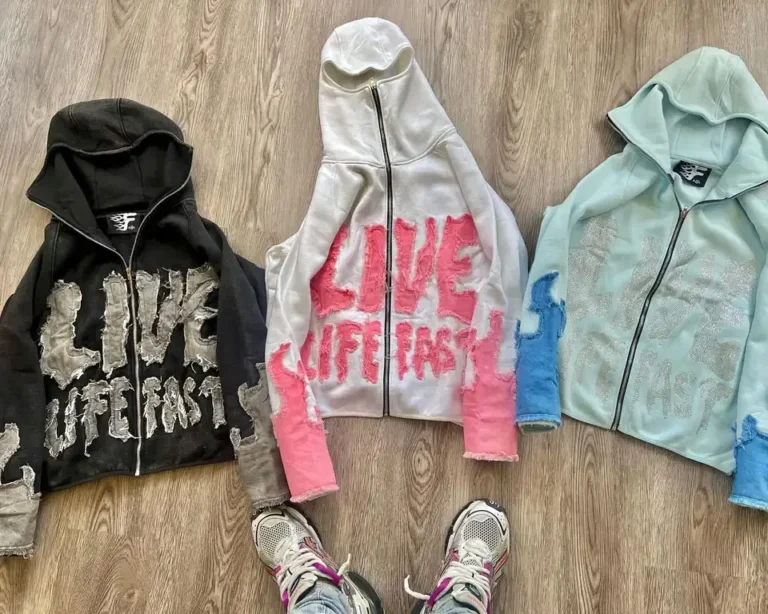
Upcycling vintage and pre-owned hoodies constitutes a sustainable, creatively distinctive customization venue that repurposes existing garment stock for bespoke outcomes. This methodology involves modifying thrifted, vintage, or underutilized hoodies through hand-painted artwork, patchwork appliqué, custom embroidery, fabric dyeing, and structural alterations. Upcycled custom hoodies possess inherent sartorial individuality, as each modified garment retains unique vintage characteristics and one-of-a-kind creative modifications. The practice aligns with circular fashion principles, mitigating textile waste and reducing the environmental impact of new garment production. Independent creative designers frequently utilize upcycling techniques to craft limited-edition artisanal hoodies with authentic, tactile character absent from mass-produced custom apparel.
7. Specialized Niche Custom Hoodie Providers
7.1 Premium Embroidery-Exclusive Apparel Specialists
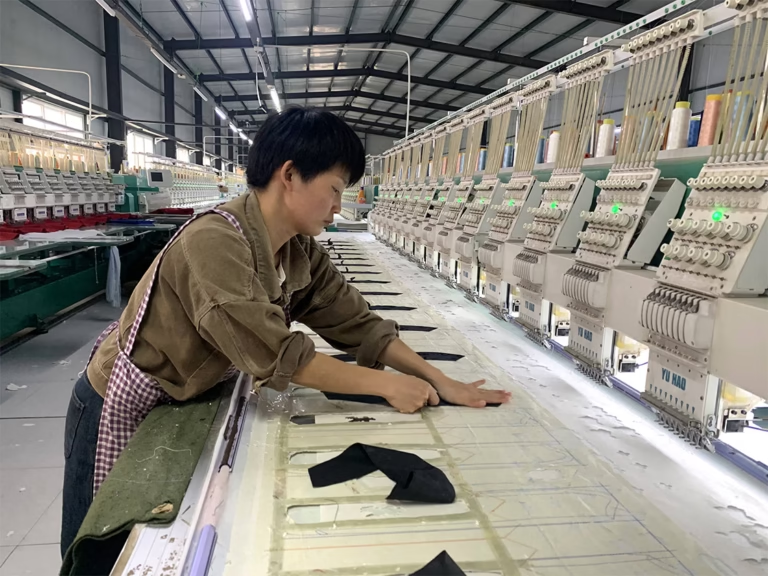
Niche embroidery-specialized vendors focus exclusively on stitched garment customization, delivering superior dimensional detail and long-term durability compared to print-centric providers. These specialists utilize high-precision multi-head embroidery machinery capable of executing intricate stitch patterns, complex logo detailing, gradient thread blending, and textured 3D embroidery effects. Embroidery specialists excel in institutional, corporate, and luxury custom hoodie production, where premium tactile finishes and professional longevity take precedence over photographic print detail. Many niche providers offer custom thread color matching, personalized monogramming, and intricate border detailing to elevate garment sophistication. For brand insignia, team crests, and formal organizational apparel, embroidery-exclusive venues outperform generalized print shops in finish quality and structural durability.
7.2 Sustainable and Organic Fabric Custom Hoodie Brands
Eco-centric custom apparel brands specialize in low-impact, organic custom hoodie production for sustainability-focused consumers and ethical brands. These providers exclusively utilize GOTS-certified organic cotton, recycled textile blends, and plant-based dye pigments to eliminate toxic chemical utilization in production. Sustainable venues prioritize water conservation protocols, renewable energy-powered manufacturing, and plastic-free packaging fulfillment. Many sustainable custom hoodie brands also facilitate transparent supply chain tracing, enabling consumers to verify ethical labor practices and material sourcing origins. While pricing premiums apply for eco-conscious production, these venues deliver alignment with environmental stewardship values, making them ideal for sustainable brands, ethical organizations, and eco-aware individual creators.
7.3 Custom Athletic and Performance-Grade Hoodie Manufacturers
Performance-apparel specialists engineer custom hoodies optimized for athletic utility, active wear, and sport-specific functionality, diverging significantly from standard casual fleece production. These manufacturers utilize technical performance fabrics with moisture-wicking properties, stretch-enhanced blends, temperature-regulating textiles, and abrasion-resistant construction. Customization processes are engineered to withstand rigorous athletic use, with fade-resistant sublimation printing, stretch-compatible heat transfers, and flexible embroidery that moves with garment mobility. Athletic custom hoodie providers cater to sports teams, fitness collectives, athletic brands, and recreational organizations, delivering bespoke activewear that merges brand customization with functional performance attributes unavailable from standard apparel printers.
8. Comparative Analysis of Customization Techniques by Venue
8.1 Direct-to-Garment (DTG) Digital Printing Compatibility
DTG digital printing is most ubiquitously supported across online print-on-demand platforms and local modern print studios, offering unparalleled versatility for complex multicolored designs and photographic artwork. This technique propels water-based pigment ink directly into textile fibers, producing soft, breathable prints that integrate seamlessly with fleece fabric. DTG requires zero setup fees, making it economically viable for single-unit orders and small batches inaccessible to traditional screen printing. Industrial manufacturers deploy high-volume DTG machinery for mid-tier batches, though cost-efficiency diminishes at extreme scale. DIY venues lack professional DTG capability, restricting high-fidelity photographic customization to commercial production venues. DTG excels in color gradient accuracy and fine-detail rendering across all compatible production environments.
8.2 Traditional Screen Printing Batch Suitability
Screen printing remains the most cost-effective and durable customization technique for mid-to-large bulk orders, exclusively optimized for volume production at local print studios and industrial manufacturing facilities. The stencil-based printing process delivers thick, vibrant pigment layers with exceptional wash resistance and long-term color retention, ideal for high-volume brand merchandising and team uniforming. Screen printing incurs fixed setup costs per unique design, rendering it prohibitively expensive for single-unit and micro-batch orders. Print-on-demand platforms rarely utilize traditional screen printing due to minimum volume requirements, reserving this technique for dedicated bulk production venues. Simple one or two-color graphic designs achieve optimal cost-value ratios with screen printing at scale.
8.3 Heat Transfer Vinyl and Sublimation Application Parameters
Heat transfer vinyl customization is universally accessible across all production venues, including DIY home setups, local studios, POD platforms, and industrial facilities, offering flexible implementation for text, logos, and geometric graphics. Vinyl transfers deliver crisp edge definition and specialized finish options including metallic, holographic, and matte textures. Sublimation printing, by contrast, is restricted to professional venues with specialized heat-press machinery and polyester-blank garment stock, enabling all-over seamless design coverage without tactile overlay. Sublimation excels at full-garment patterning but is incompatible with pure cotton fabrics, limiting venue and material flexibility. Both techniques serve distinct design objectives based on venue equipment availability and fabric substrate constraints.
8.4 Intricate Embroidery and Appliqué Implementation
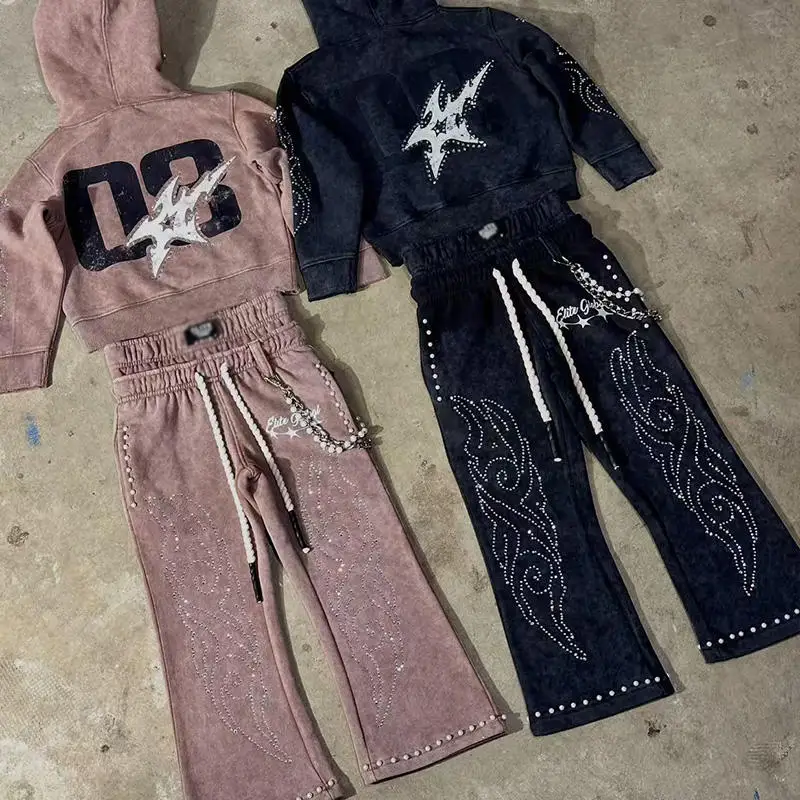
Embroidery and appliqué customization demand specialized industrial machinery predominantly available at local premium studios, niche embroidery specialists, and full-scale garment manufacturers. Professional multi-head embroidery systems execute precise, consistent stitching for complex designs at scale, while DIY and makerspace environments are limited to basic monogramming and simple emblem work. Appliqué fabric overlay techniques require skilled artisan oversight for clean edge finishing and structural integration, restricting high-quality execution to professional production venues. Embroidery delivers superior premium tactile value and longevity, making it the preferred technique for formal, high-end custom hoodie production across commercial-grade venues.
9. Financial and Logistical Decision-Making Framework
9.1 Cost Benchmarking Across All Production Venues
Comprehensive cost benchmarking reveals clear venue-specific pricing hierarchies aligned with order volume and customization complexity. Single-unit orders achieve maximum cost efficiency via print-on-demand platforms and DIY customization, with no minimum order surcharges or setup fees. Small-batch orders of 10–30 units are most economical at local regional print shops, which balance moderate per-unit pricing with waived bulk minimums for community clients. Mid-to-large bulk orders of 50+ units realize exponential cost savings with industrial manufacturers, where tiered volume pricing drastically reduces individual garment costs. Niche specialized venues command consistent pricing premiums for sustainable materials, performance fabrics, and premium embroidery finishes, justifying elevated expenditures through superior product quality and exclusivity.
9.2 Shipping Logistics, Lead Times, and Fulfillment Reliability
Logistical performance varies drastically across custom hoodie production venues and represents a critical decision-making variable for time-sensitive projects. Local brick-and-mortar studios offer instantaneous fulfillment potential with zero shipping delays, ideal for urgent event-based orders. Print-on-demand platforms deliver standardized global shipping with lead times of 3–7 business days for domestic orders and 7–14 days for international distribution. Industrial manufacturing entails extended production lead times of 2–6 weeks, compounded by ocean freight shipping delays for offshore production. DIY and makerspace venues eliminate shipping logistics entirely through self-fulfillment. Fulfillment reliability is highest for established POD platforms and certified industrial manufacturers, with tracked shipping protocols and consistent delivery scheduling.
9.3 Post-Production Support, Returns, and Quality Assurance Policies
Venue selection must incorporate evaluation of post-production support infrastructure and quality guarantee protocols. Reputable print-on-demand platforms offer comprehensive error compensation policies, covering misprints, color deviations, and production defects with complimentary reprints or full refunds. Local studios provide direct interpersonal support for dispute resolution and rapid corrective action for flawed output. Industrial manufacturers enforce contractual quality assurance agreements with batch defect compensation clauses for commercial clients. DIY and community makerspace venues offer no formal post-production protection, placing quality oversight responsibility entirely on the creator. Niche premium providers extend extended durability guarantees for specialized finishes, ensuring long-term product performance for high-value custom hoodie investments.
10. Final Recommendations and Venue Selection Best Practices
10.1 Tailored Venue Selection for Distinct Project Objectives
Optimal custom hoodie venue selection requires intentional alignment between project goals and venue operational strengths. For individual personalization, gift creation, and experimental designs, print-on-demand platforms deliver unmatched flexibility and accessibility with zero volume barriers. For urgent small-batch community orders requiring tactile quality verification, local brick-and-mortar studios represent the superior choice. For commercial brand merchandising, scalable bulk production, and cost-efficient mass distribution, industrial garment manufacturers provide unrivaled value and consistency. For artistic experimentation, sustainable upcycling, and low-budget creative projects, DIY and community makerspace venues foster maximum creative autonomy. For premium specialized finishes including luxury embroidery and sustainable organic production, niche focused vendors deliver differentiated quality unavailable from generalized production services.
10.2 Proactive Strategies for Flawless Custom Hoodie Execution
To ensure impeccable custom hoodie outcomes across all production venues, creators must implement proactive pre-production verification protocols. Always submit high-resolution, print-ready design files with verified color profiles and safe-margin formatting to eliminate technical errors. Request digital or physical mockups prior to full production to validate design placement, color accuracy, and scale proportion. Confirm venue-specific customization technique compatibility with design complexity and fabric specifications. Establish clear communication with production teams regarding revision policies, turnaround timelines, and quality standards. For bulk orders, mandate pre-production sample approval to standardize quality benchmarks across the entire batch. Document all project specifications and correspondence to streamline post-production issue resolution if discrepancies arise.
10.3 Future Trends in Bespoke Hoodie Customization Technology
The custom hoodie production landscape continues to evolve with emergent textile technology and digital innovation. Artificial intelligence-powered design templating tools are streamlining asset creation and optimizing print compatibility in real time. Sustainable bio-based inks and compostable garment materials are redefining eco-friendly customization standards across industrial and on-demand venues. Advanced 3D garment mockup technology enables hyper-realistic pre-production visualization, eliminating physical sample requirements for digital orders. On-demand localized micro-factories are bridging the gap between single-unit flexibility and industrial quality, reducing lead times and carbon footprints simultaneously. As customization technology advances, the accessibility, quality, and sustainability of bespoke hoodie production will continue to democratize, empowering creators of all scales to produce professional-grade personalized apparel.