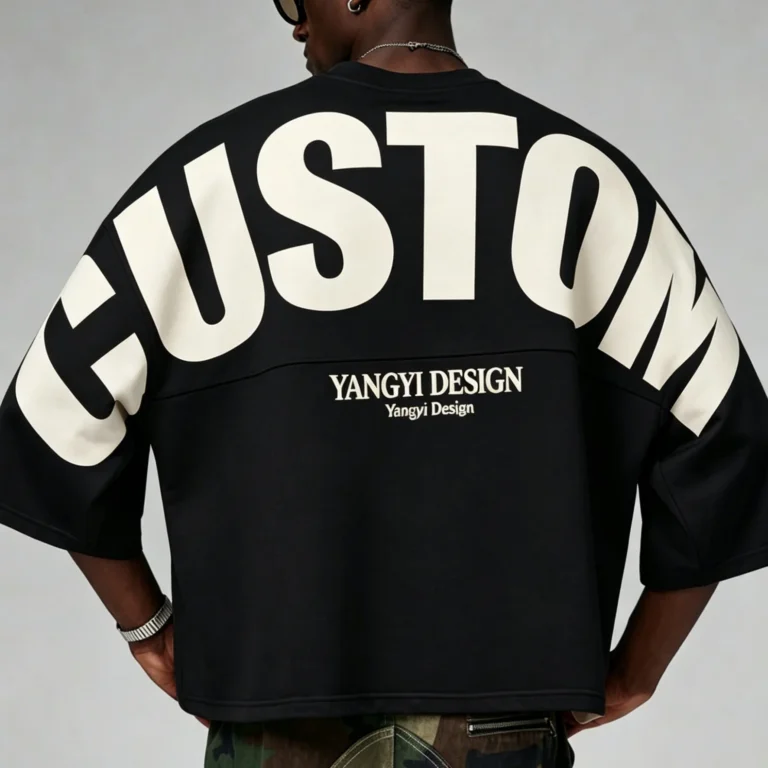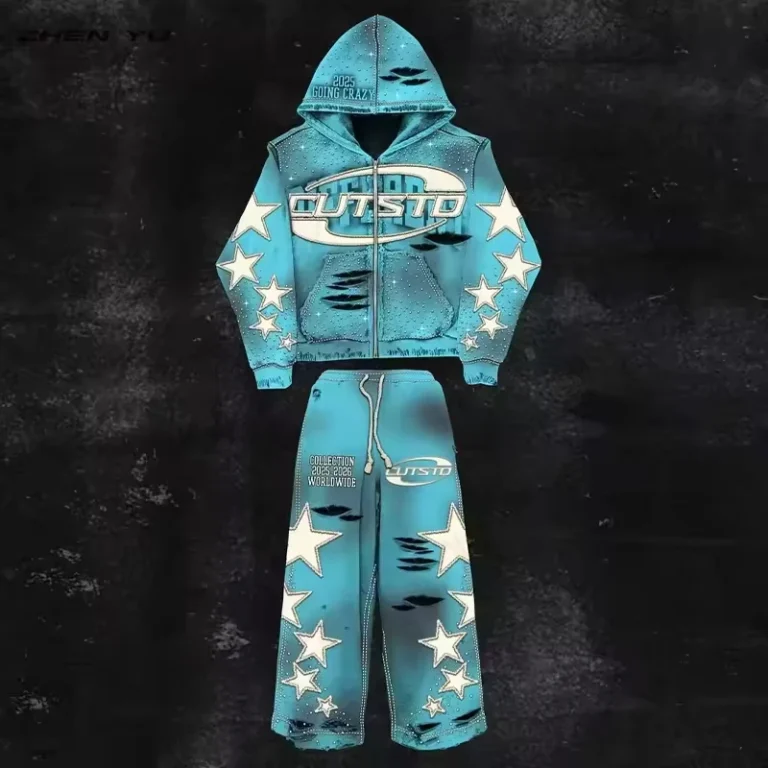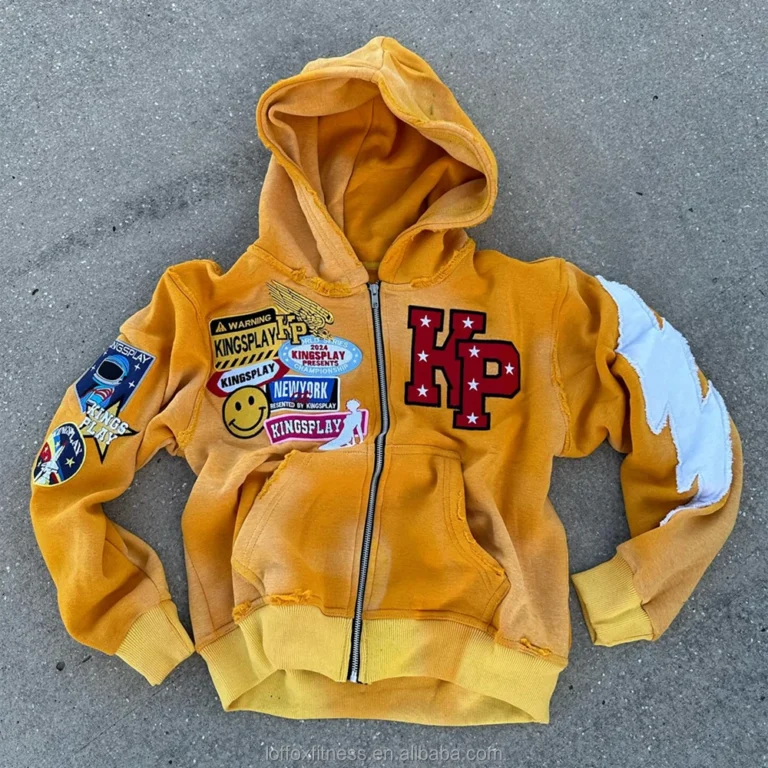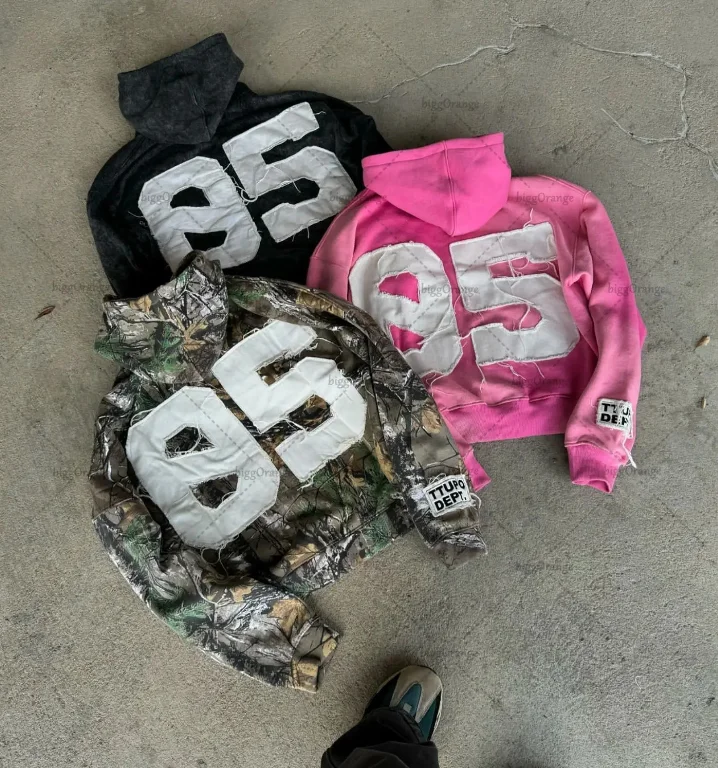
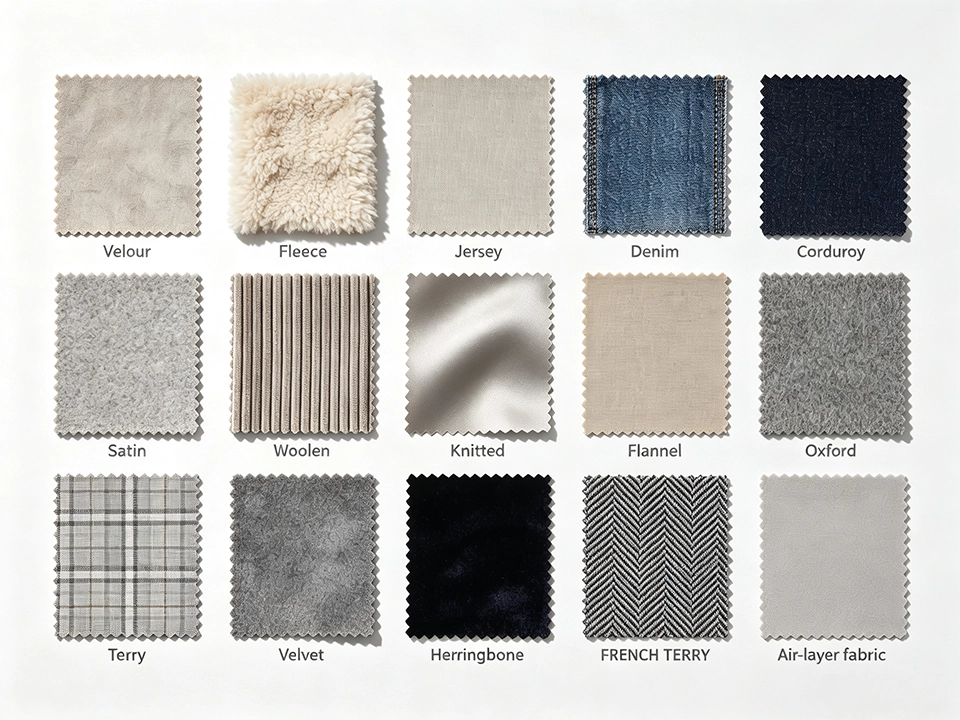
This comprehensive fabric guide sorts out 17 mainstream materials widely used in hoodie OEM & ODM customization, covering daily casual, streetwear vintage, athletic performance, heavyweight premium and lightweight breathable options. You can pick the most suitable textile according to your brand positioning, season, pricing and target customer groups.
When it comes to creating or choosing a custom hoodie, the fabric is the cornerstone of comfort, style, and functionality. Each fabric type brings unique characteristics—from softness and warmth to breathability and durability—making it suitable for different occasions, climates, and personal preferences. Below, we break down 17 of the most popular hoodie fabrics, exploring their key features, core functions, and ideal use scenarios to help you make the perfect choice.
Velour
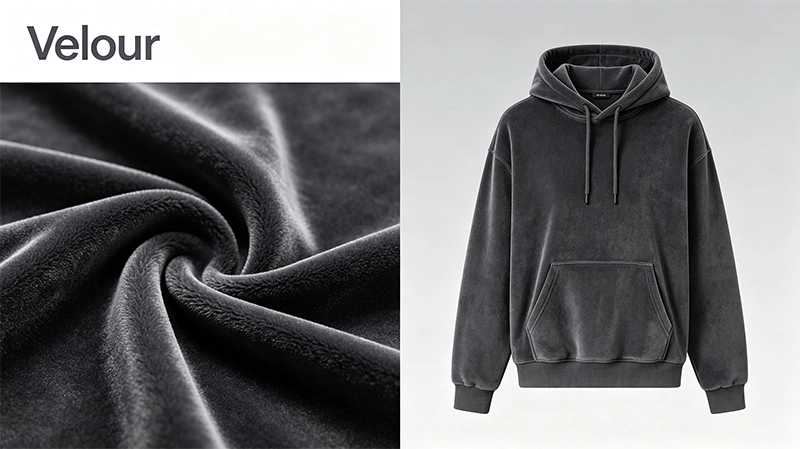
What It Is – Velour is a knitted fabric with a dense, cut-pile surface that gives it a plush, velvet-like hand feel. It has a subtle sheen and a soft drape, with a slight two-way stretch due to its knit construction.
What It Does – It delivers moderate warmth with a luxurious touch, but it’s not a heavy insulator. The fabric breathes reasonably well and feels heavier than it looks. It resists wrinkling but can crush or flatten over time with heavy wear.
Where to Use – Perfect for fashion-forward hoodies, loungewear, and resort-style pieces. Wear it for casual dinners, weekend errands, or indoor lounging—not for sports or harsh weather.
Fleece
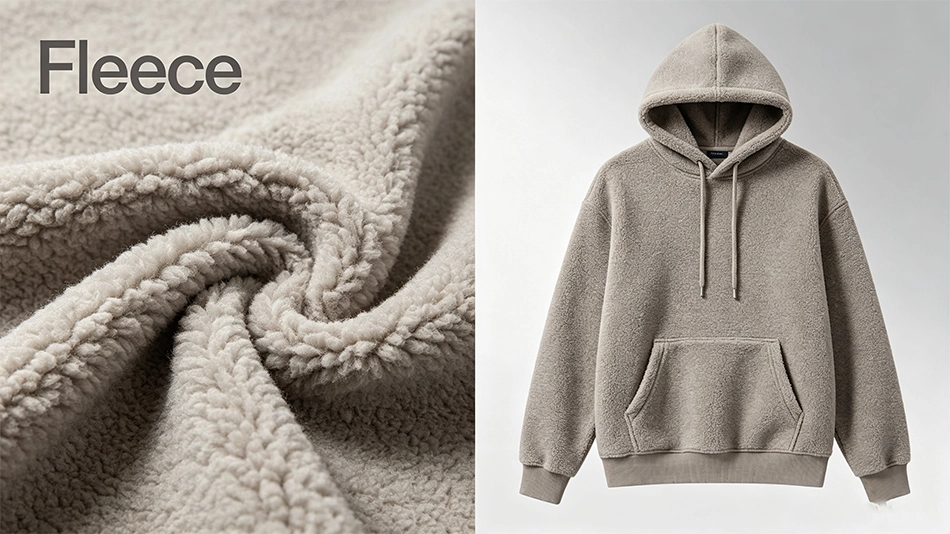
What It Is – Fleece is a synthetic, napped fabric—usually polyester—with a fuzzy, raised surface on one or both sides. It is lightweight, soft, and compressible.
What It Does – It traps heat efficiently while staying breathable and quick-drying. Fleece wicks moisture away from the skin and retains warmth even when damp. It is machine-washable and resists shrinking.
Where to Use – Ideal for athletic hoodies, outdoor mid-layers, and everyday streetwear. Perfect for hiking, gym warm-ups, or chilly morning commutes under a shell jacket.
Jersey
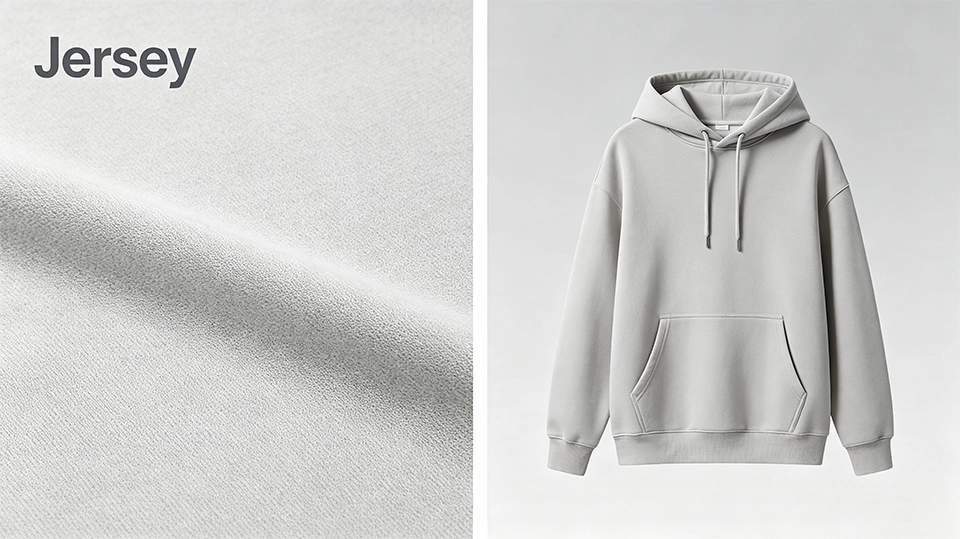
What It Is – Jersey is a single-knit cotton or cotton-blend fabric with a smooth front and a textured back. It has natural stretch and a soft, fluid drape.
What It Does – It is lightweight, breathable, and comfortable against the skin. Jersey offers little insulation but excellent flexibility and recovery. It wrinkles less than woven fabrics and holds dyes vibrantly.
Where to Use – Best for lightweight summer hoodies, cropped fashion tops, or relaxed layering pieces. Use it for indoor wear, mild evenings, or casual office settings where comfort is key.
Denim
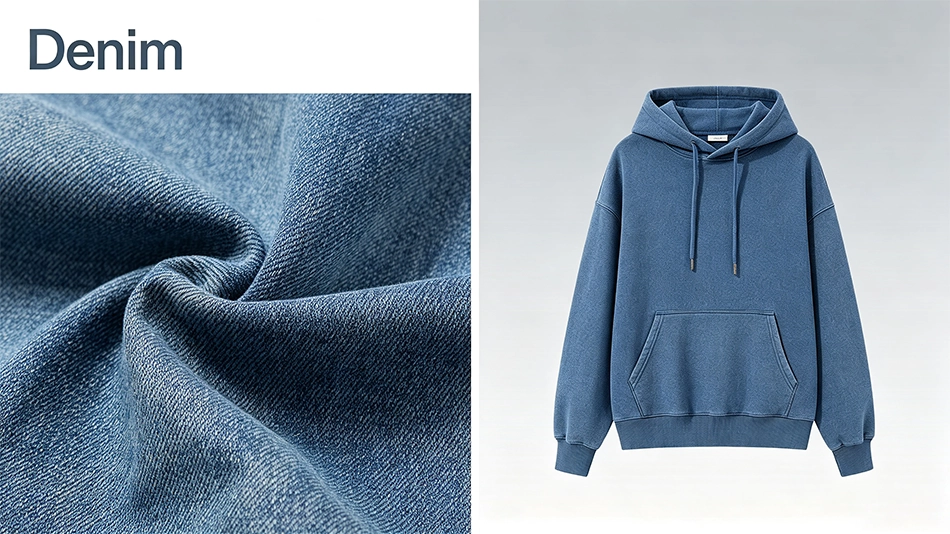
What It Is – Denim is a sturdy cotton twill weave with diagonal ribbing, usually dyed with indigo. It is heavyweight and stiff initially, but softens with repeated wear.
What It Does – It offers outstanding durability, abrasion resistance, and shape retention. Denim provides moderate wind protection and warmth, with minimal stretch unless blended with elastane.
Where to Use – Great for rugged, workwear-inspired hoodies, streetwear jackets with hoods, or statement outerwear. Use it for urban exploration, casual weekends, or layering in cool, tough environments.
Woven
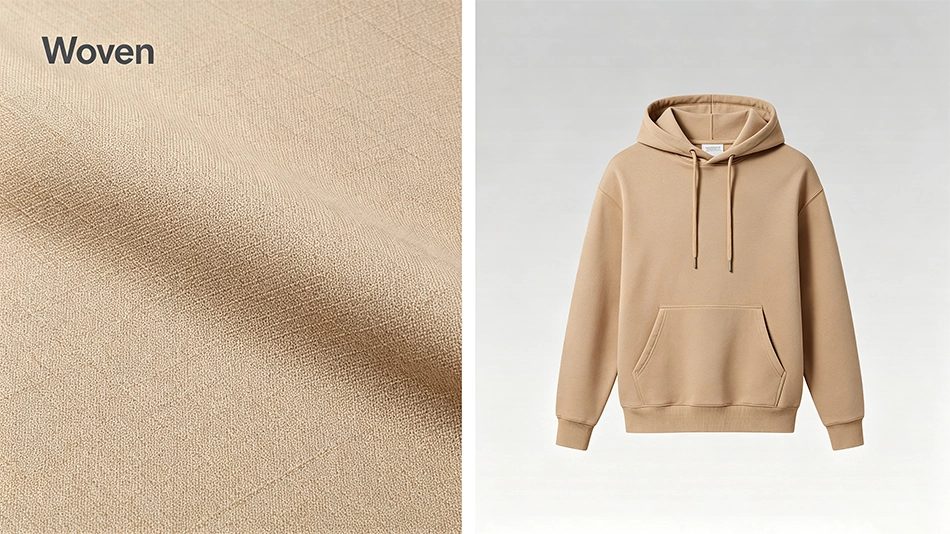
What It Is – Woven fabric is produced by interlacing yarns at right angles—plain, twill, or jacquard weaves. It has a stable, non-stretch structure and a crisp hand.
What It Does – It holds its silhouette firmly, resists pilling, and takes embroidery or screen printing exceptionally well. Breathability and weight vary widely based on fiber and weave density.
Where to Use – Perfect for tailored hoodie-jackets, overshirt hybrids, or smart-casual designs. Wear it for semi-formal settings, creative workplaces, or any scenario where structure beats stretch.
Corduroy
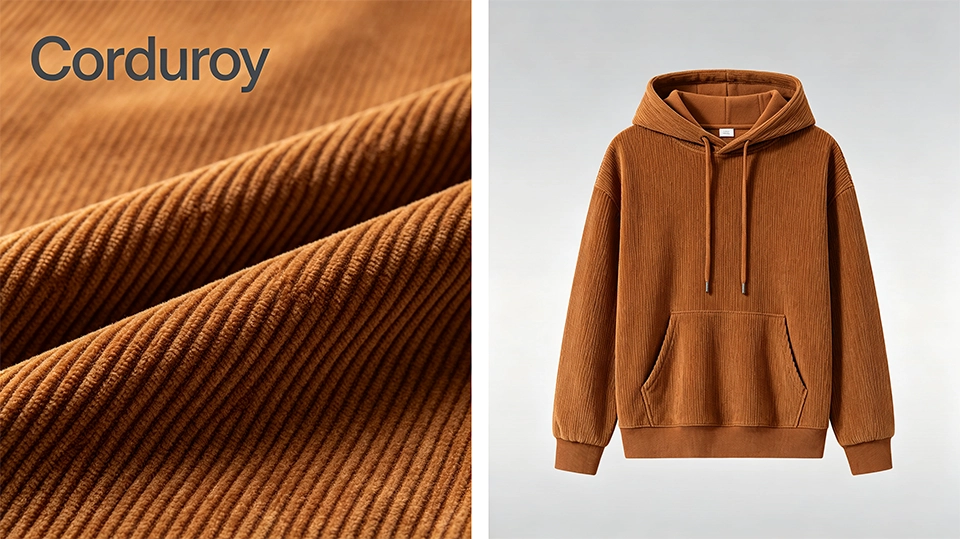
What It Is – Corduroy is a cut-pile woven fabric with vertical ridges called wales. It has a distinct textured surface and a soft, fuzzy feel.
What It Does – The wales trap air, providing good insulation and a cozy weight. It is durable and drapes with a gentle stiffness. The pile can crush if not cared for, but it wears beautifully over time.
Where to Use – Ideal for retro-style hoodies, autumn/winter fashion pieces, and casual outerwear. Use it for campus life, creative offices, or weekend outings that need character and warmth.
Satin
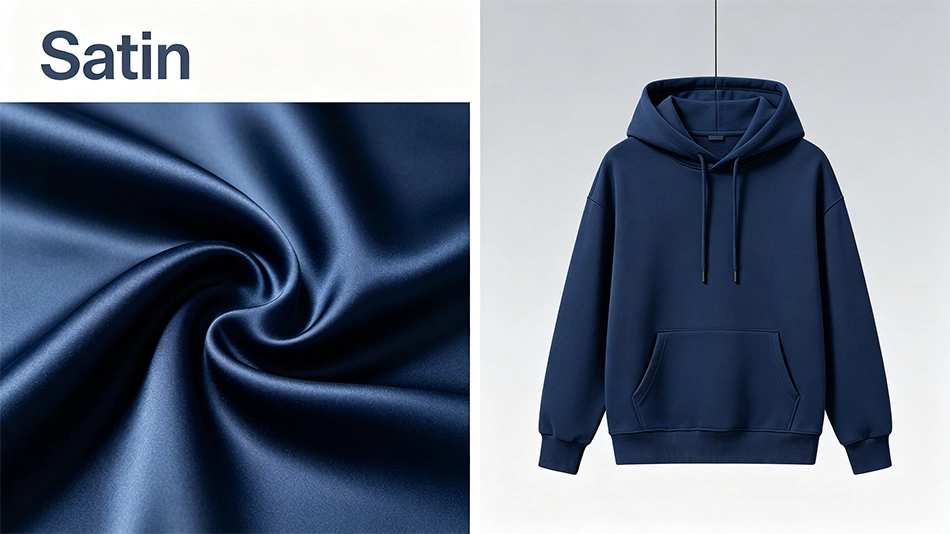
What It Is – Satin is a weave structure (not a fiber) characterized by a smooth, glossy face and a dull back. It is made from silk, polyester, or nylon, with a slippery, fluid hand.
What It Does – It offers a luxurious sheen with minimal friction against skin and hair. Satin is lightweight and breathable but provides almost no insulation. It snags easily and requires delicate care.
Where to Use – Best for fashion hoodies, evening layering pieces, or luxury loungewear. Wear it for parties, date nights, or indoor relaxation—never for active use or cold weather.
Woolen
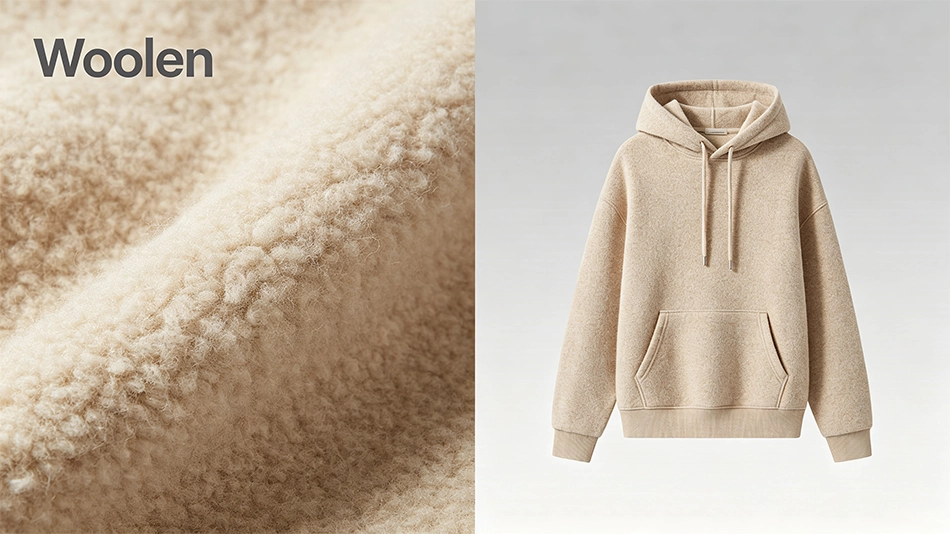
What It Is – Woolen fabric is made from carded, short-staple wool yarns, creating a fluffy, fuzzy surface with a slightly uneven texture. It is soft and bulky.
What It Does – It excels in trapping heat due to its airy structure, offering exceptional warmth and moisture absorption. Woolen fabric is breathable and naturally odor-resistant, but can pill and stretch over time.
Where to Use – Perfect for heavy winter hoodies, cold-weather outdoor pieces, and heritage-style garments. Use it for skiing chalets, snowy commutes, or cozy cabin weekends.
Knitted
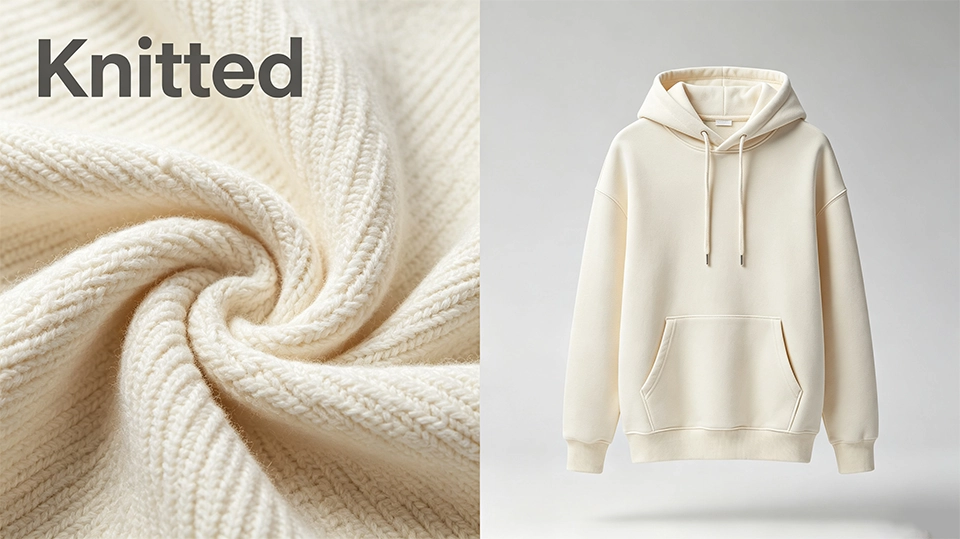
What It Is – Knitted fabric is constructed from interlocking loops of yarn, offering natural stretch and recovery. It can be single-knit, double-knit, or rib-knit with varied textures.
What It Does – It provides excellent elasticity, breathability, and comfort. Knits conform to the body shape without restricting movement. Warmth and weight depend on yarn thickness and stitch density.
Where to Use – Suitable for virtually any hoodie style—from lightweight summer tops to heavy winter layers. Use it for daily wear, sports, travel, or lounging. It’s the most versatile category overall.
Worsted
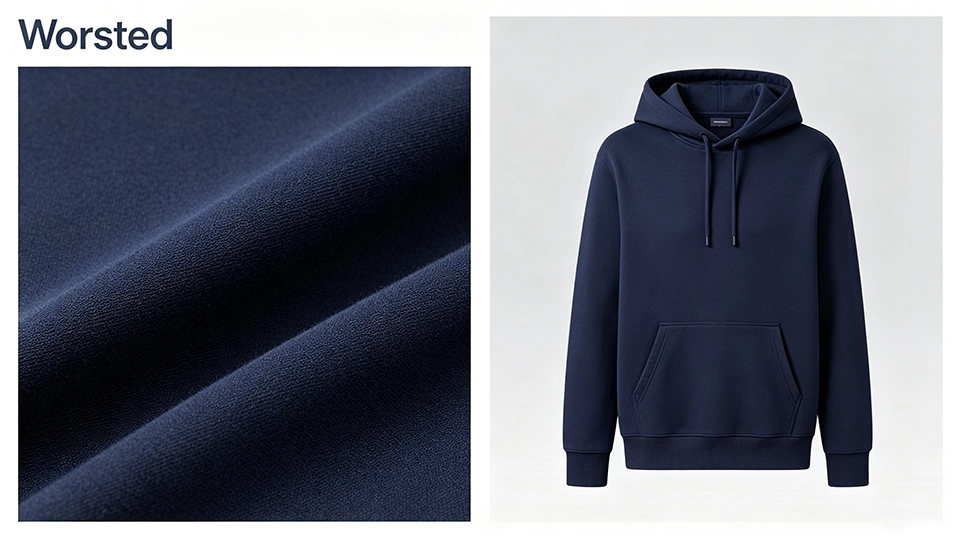
What It Is – Worsted fabric is made from long-staple wool yarns that are combed smooth, resulting in a fine, smooth, and crisp surface with a clear finish.
What It Does – It is strong, durable, and resists pilling and fraying. Worsted holds a sharp crease and drapes cleanly while providing moderate warmth. It breathes better than woolen and feels less itchy.
Where to Use – Ideal for polished, tailored hoodies, smart-casual outerwear, or travel-friendly pieces. Use it for business-casual environments, city travel, or any setting that demands refinement without sacrificing comfort.
Flannel
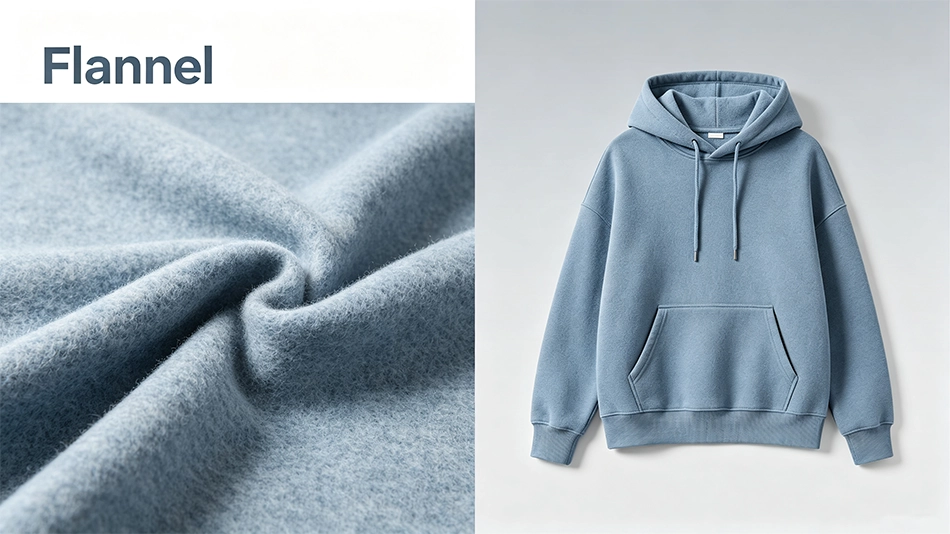
What It Is – Flannel is a soft, medium-weight woven fabric, traditionally cotton or wool, with a napped, brushed surface on one or both sides. It has a slightly fuzzy, matte finish.
What It Does – The brushing process traps air, making flannel warm and cozy without being heavy. It is breathable, absorbent, and soft against the skin. It wrinkles moderately and fades with washing.
Where to Use – Best for casual, snug hoodies for autumn and mild winter. Wear it for bonfires, weekend brunches, or lazy Sundays at home. It screams comfort and rustic charm.
Oxford
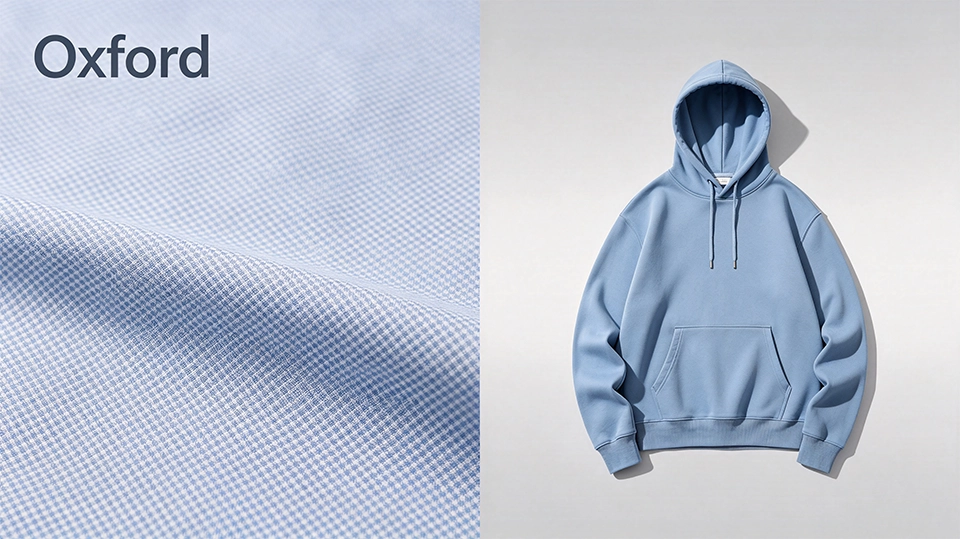
What It Is – Oxford is a basket-weave cotton fabric with a soft, slightly pebbled texture. It is lightweight to medium-weight and has a matte, relaxed finish.
What It Does – It is breathable, durable, and resists wrinkles better than plain weaves. Oxford provides light warmth and a crisp-but-comfortable hand. It holds dye well and softens with each wash.
Where to Use – Great for preppy, casual hoodies, or lightweight layering pieces. Use it for spring days, campus wear, or smart-casual outings where you want polish without formality.
Terry
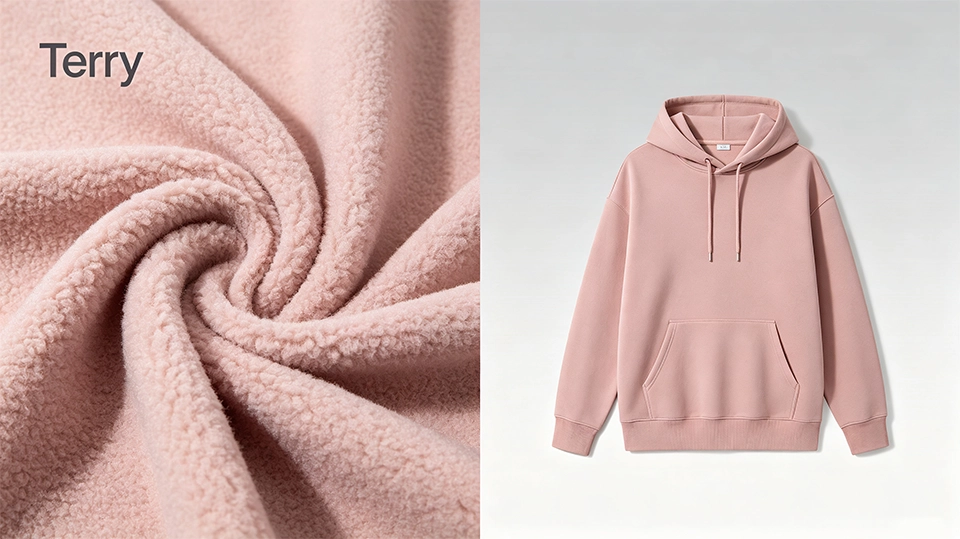
What It Is – Terry is a looped-pile knit fabric, usually cotton, with uncut loops on one or both sides. It is absorbent, soft, and slightly textured.
What It Does – It absorbs moisture efficiently while offering light insulation and breathability. Terry is durable and machine-washable but can shrink if not pre-shrunk. It feels substantial without being heavy.
Where to Use – Ideal for post-workout hoodies, spa-style loungewear, or beach cover-ups. Use it for gym sessions, poolside cool-downs, or indoor relaxation where moisture management matters.
Velvet
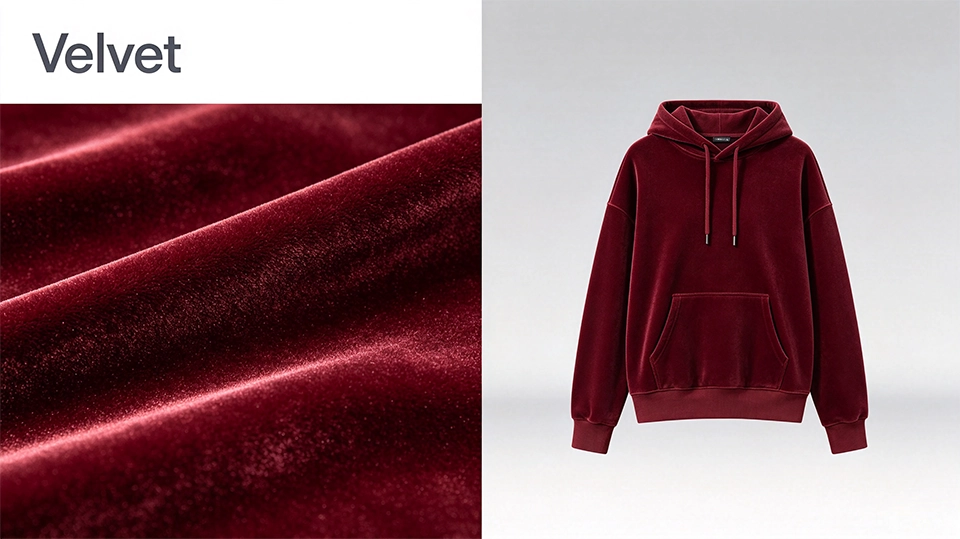
What It Is – Velvet is a woven, cut-pile fabric with a dense, even, and short pile surface. It has a rich, deep luster and a smooth, soft hand—typically made from cotton, silk, or synthetics.
What It Does – It offers a premium, glamorous look with moderate warmth and zero stretch. Velvet is delicate, crushes easily, and requires dry cleaning or careful hand-washing. It reflects light beautifully.
Where to Use – Best for high-fashion hoodies, holiday party pieces, or luxury loungewear. Wear it for evening events, dinners, or anytime you want to make a visual statement—not for daily grind.
Herringbone
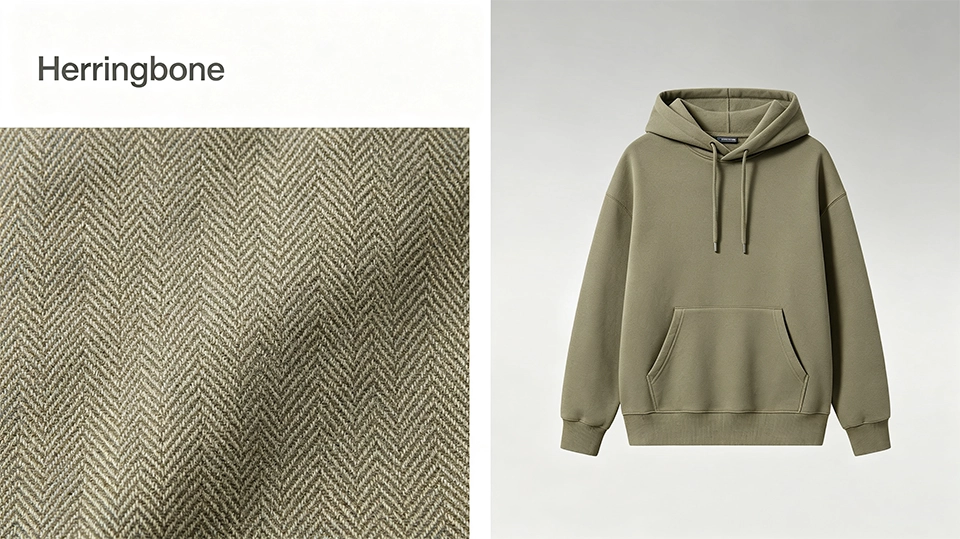
What It Is – Herringbone is a woven fabric with a distinctive V-shaped zigzag pattern, created by a broken twill weave. It is usually wool or wool-blend, with a textured, dimensional surface.
What It Does – It is sturdy, durable, and drapes with a refined structure. Herringbone provides good warmth and resists wrinkling. The weave adds visual interest without being loud, and it holds shape well.
Where to Use – Great for sophisticated hoodie coats, tailored winter pieces, or business-casual overlayers. Use it for city commutes, office-to-dinner transitions, or any occasion that needs subtle elegance.
French Terry
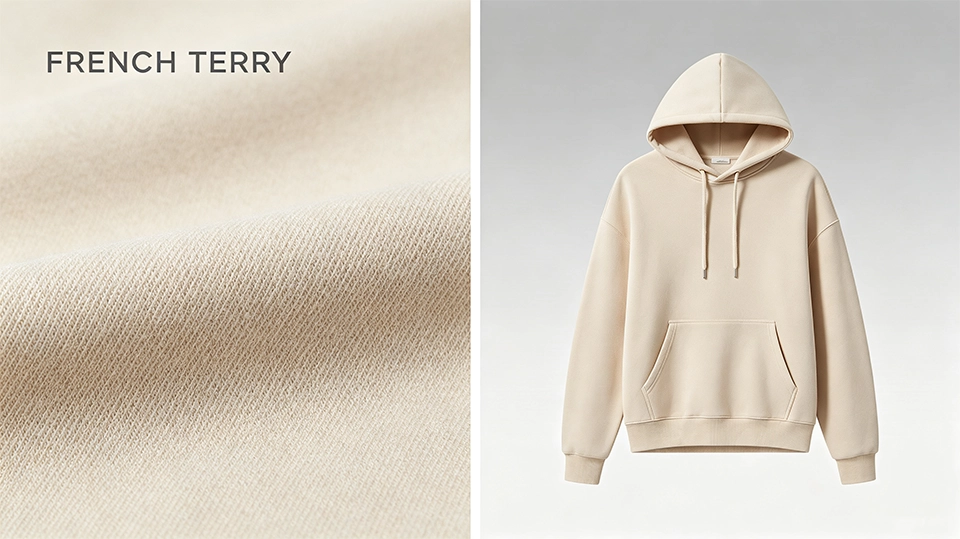
What It Is – French terry is a knit fabric with a smooth face and a looped back, typically cotton or cotton-poly blends. It is medium-weight, soft, and has a clean, modern look.
What It Does – It offers light-to-moderate warmth with excellent breathability and moisture absorption. The loops on the back trap a little air but stay less bulky than fleece. It drapes well and resists pilling.
Where to Use – The go-to fabric for premium streetwear hoodies, jogger sets, and athleisure pieces. Use it for everyday wear, light workouts, travel, or casual meetings—versatile enough for almost everything.
Air-Layer Fabric
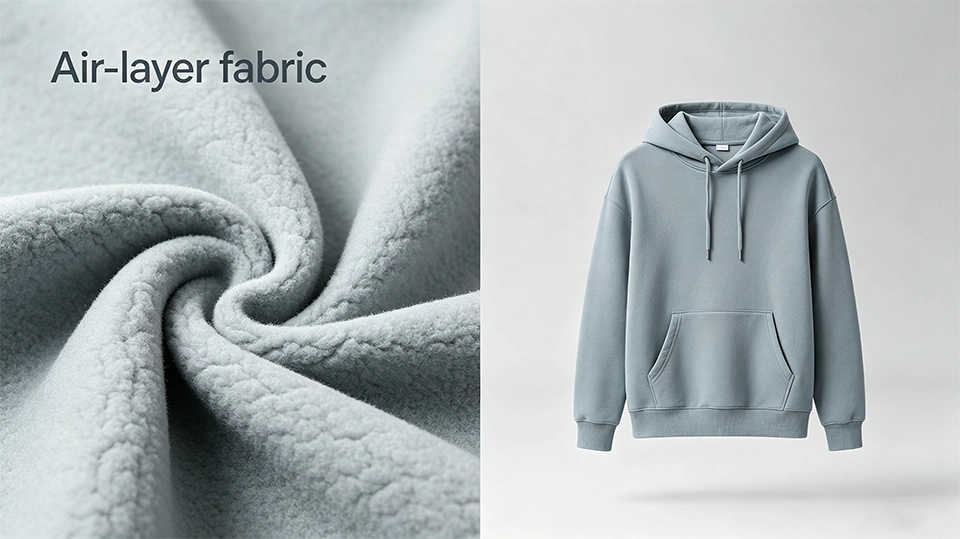
What It Is – Air-layer fabric is a double-knit or spacer-fabric construction with a middle layer of air-trapping yarns between two smooth outer faces. It is lightweight, spongy, and slightly springy.
What It Does – The internal air pockets provide excellent insulation with minimal weight, while the structure offers good breathability and moisture transfer. It is dimensionally stable, resists creasing, and bounces back after compression.
Where to Use – Ideal for performance hoodies, travel-friendly pieces, and transitional outerwear. Use it for outdoor sports, commuting, or any active scenario where you need warmth without bulk or restriction.