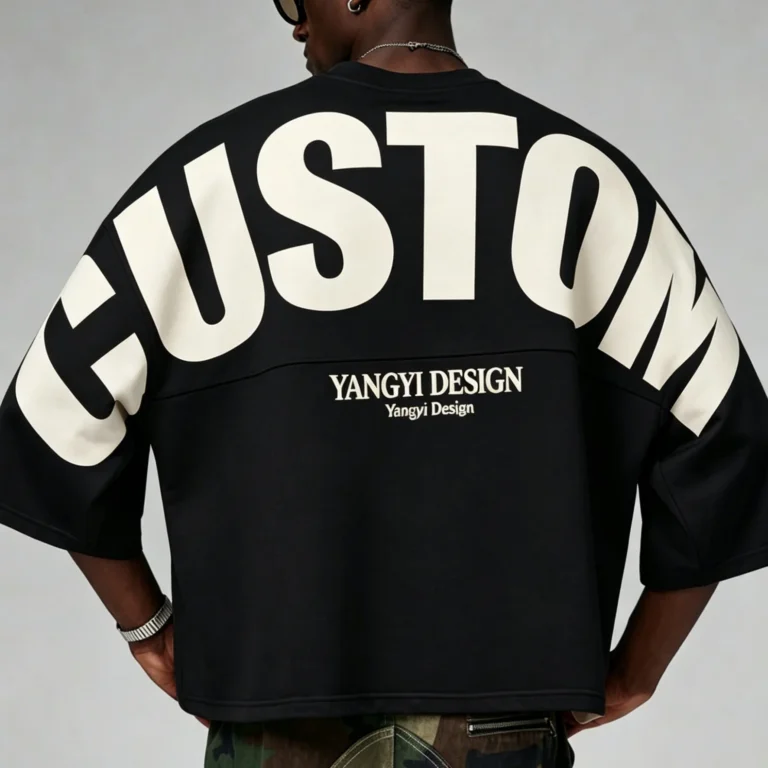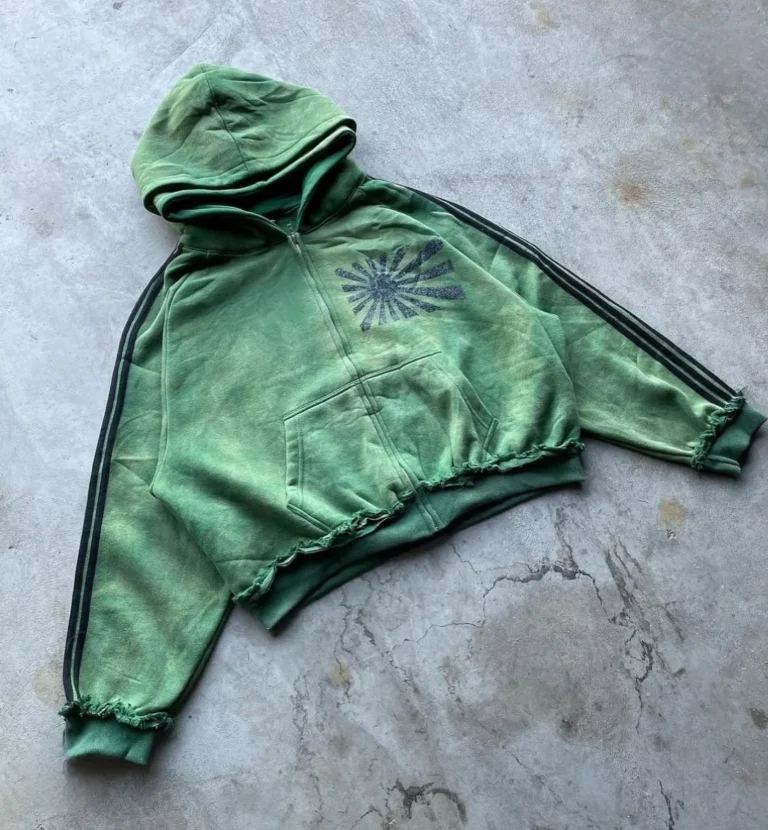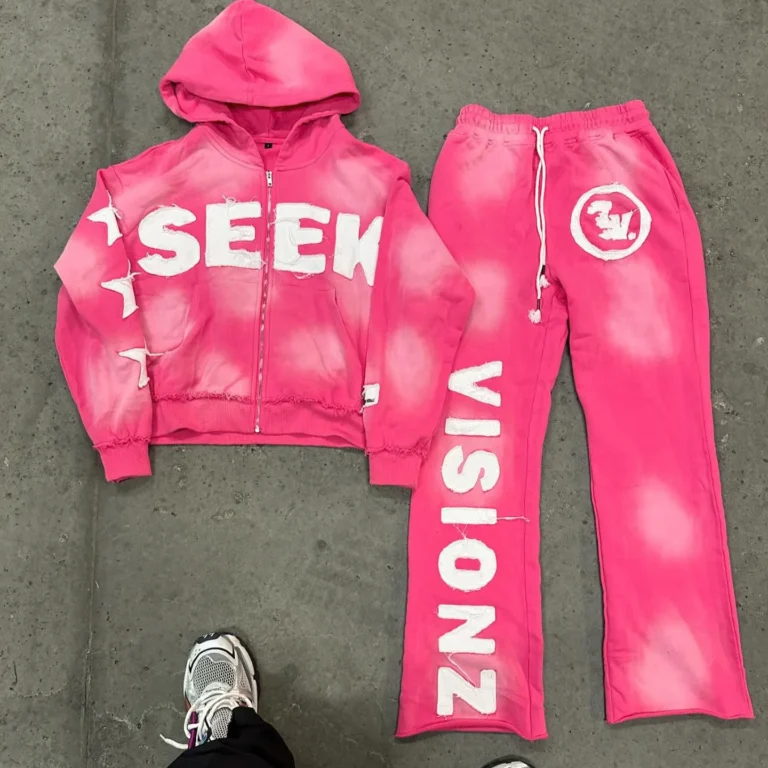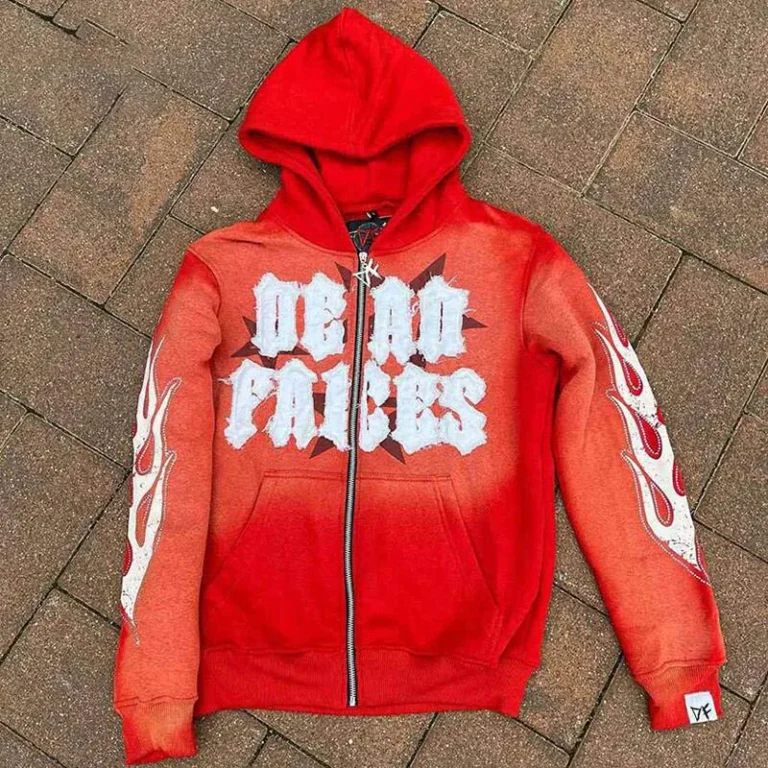

Wondering how much does it cost to make a custom hoodie? Explore pricing factors including fabric, print type, order quantity & labor costs. Compare quotes for small and bulk custom hoodie orders.
Introduction: The Economic Anatomy of a Custom Hoodie
The decision to commission a custom hoodie—whether for a single personal piece, a team uniform, or a nascent apparel brand—inevitably confronts the question of cost. The answer, however, is not a singular figure but a constellation of variables that interact in complex and often counterintuitive ways. The price of a custom hoodie is the sum of its material substance, the labor of its construction, the alchemy of its decoration, and the economies of scale that govern its production. To understand the cost is to understand the entire manufacturing ecosystem. This analysis delineates the constituent elements of that cost, providing a granular framework for budgeting and procurement.
The Blank Canvas: The Foundational Cost of the Garment
The base garment—the undecorated blank—constitutes the largest single line item in the cost structure of a custom hoodie. This foundational expense sets the floor for the entire budget, and its selection reverberates through every subsequent decision. A basic cotton-polyester blend hoodie may begin at approximately fifteen dollars, while a heavyweight fleece or a branded style from a premium label can command thirty-five dollars or more before any decoration is applied . The variance is not arbitrary; it reflects the density of the weave, the quality of the yarn, and the precision of the cut.
The Fabric as Cost Driver: GSM and Composition
The weight of the fabric, measured in grams per square meter (GSM), is the primary determinant of the blank’s cost. A standard cotton-poly blend of 280–320 GSM represents the baseline, with fabric costs ranging from approximately three to six dollars per yard . Heavyweight fleece of 380–450 GSM, favored by premium streetwear brands, escalates the fabric cost to seven to nine dollars per meter . The composition further modulates the expense: organic cotton and recycled blends carry premiums of thirty to sixty percent over conventional fibers, reflecting both the cost of sustainable sourcing and the consumer’s willingness to pay for environmental responsibility .
The Labor Ledger: Where the Garment is Made
The geography of production exerts a profound influence on the labor component of the cost. Factories in China, Vietnam, and Bangladesh typically charge between one and eight dollars in labor per hoodie for cutting, sewing, and finishing . In Turkey and Eastern Europe, this figure rises to five to ten dollars, while in the United States and Western Europe, labor costs can exceed ten to twenty dollars per unit . This differential reflects not merely wage scales but the depth of skill, the efficiency of the production line, and the proximity to the end market.
The Alchemy of Decoration: Methods and Their Costs
The application of a design is a distinct cost center with its own internal logic. The method selected must align with the order quantity, the complexity of the artwork, and the desired durability. Each technique possesses a unique cost profile that must be weighed against the intended use of the garment.
Screen Printing: The Economics of Volume
Screen printing is the most cost-effective decoration method at scale, but its economics are governed by setup fees that penalize small orders. The ink application itself costs between fifty cents and three dollars per design per piece, while the screen setup fee—ranging from fifty to one hundred fifty dollars per color—is a fixed cost that must be amortized across the production run . At volumes exceeding one hundred units, this method becomes the most economical choice for bold, solid-color designs.
Embroidery: The Premium Stitched Signature
Embroidery is the gold standard for premium branding, offering a tactile, three-dimensional finish that resists fading and peeling. The cost is determined by stitch count and thread colors, typically ranging from three to ten dollars per hoodie . A simple logo of five thousand to eight thousand stitches adds four to eight dollars per piece, while elaborate designs exceeding fifteen thousand stitches can add fifteen dollars or more . This method is best suited for logos and minimalist branding where durability and perceived quality are paramount.
DTG and DTF: The Digital Alternatives
Direct-to-Garment (DTG) printing offers an accessible entry point for small orders with no setup fees, typically adding eight to fifteen dollars per hoodie depending on design size . Direct-to-Film (DTF) transfers, which involve printing a design onto film before heat-pressing it onto the fabric, add six to twelve dollars per piece and offer superior durability on dark fleece . Both methods are fabric-agnostic to varying degrees, though DTG performs best on high-cotton substrates.
The Tyranny of Scale: How Order Quantity Governs Unit Cost
The relationship between order quantity and per-unit cost is the most powerful lever in custom hoodie economics. The fixed costs of production—pattern making, sampling, screen setup, and quality control protocols—are amortized across the entire run. At low volumes, each garment absorbs a disproportionate share of these expenses.
The MOQ Pricing Ladder
The following table illustrates the dramatic reduction in per-unit cost as order volume increases, using a heavyweight cotton hoodie as the reference specification .
| Order Quantity | Estimated Cost Per Hoodie | Price Premium vs. 500 Units |
|---|---|---|
| 50 pieces | $20 – $30 | +57% |
| 100 pieces | $16 – $22 | +29% |
| 300 pieces | $15 – $22 | +7% |
| 500 pieces | $12 – $16 | Baseline |
| 1,000 pieces | $10 – $14 | -14% |
| 3,000 pieces | $10.50 | -25% |
The data reveals a stark reality: a fifty-piece order can carry a unit cost nearly sixty percent higher than a five-hundred-piece run of the identical garment. This premium is not a function of the garment itself but of the setup costs—pattern creation, sampling, and screen preparation—that cannot be divided below a certain threshold .
The Hidden Ledger: Costs Beyond the Quote
The unit price quoted by a manufacturer is rarely the final cost. Several ancillary expenses accrue throughout the production and delivery cycle, and their omission from budgeting calculations is a common source of financial surprise.
Sampling and Development Fees
The sampling phase is an indispensable investment in quality assurance. A first prototype tests whether the pattern, fabric, and construction can express the design intent. Most factories charge between fifty and one hundred fifty dollars per sample, and two or three rounds of revisions are normal for a new design . These costs are sometimes credited against a qualifying bulk order, but this must be negotiated explicitly before production commences .
Freight, Duties, and Logistics
The physical movement of goods from factory to warehouse introduces a significant cost layer. Sea freight for two hundred hoodies from Guangzhou to Los Angeles typically ranges from eight hundred to fifteen hundred dollars, while air freight escalates to twenty-five hundred to four thousand dollars . Import duties, customs clearance, and brokerage fees add another fifteen to twenty-five percent of the declared goods value . These costs can add twenty-five to forty percent to the landed cost of the garment, a reality that frequently catches first-time brands unprepared .
The Tiered Reality: Cost Brackets by Production Scale
The cost of a custom hoodie can be understood through a tiered framework that aligns production scale with unit economics.
The Single-Piece Tier: Print-on-Demand
For individual pieces, print-on-demand platforms offer the lowest friction entry. A single custom hoodie with a basic print typically lands between twenty-five and forty dollars, inclusive of the garment, decoration, and shipping . Premium fabrics with full-color or all-over printing can push the cost to forty-five to seventy dollars . This tier is optimal for personal use, gifting, or testing a design concept without inventory risk.
The Small-Batch Tier: Fifty to One Hundred Units
At this scale, the per-unit cost for a mid-weight hoodie with basic decoration ranges from sixteen to thirty dollars . This tier is the domain of emerging brands, small teams, and fundraising campaigns. The premium over larger runs is significant—up to fifty-seven percent at fifty units—but the reduced inventory risk and capital exposure often justify the higher unit price.
The Production Tier: Five Hundred Units and Beyond
For established brands with proven demand, the economics shift decisively. A five-hundred-unit order of a mid-weight hoodie with standard decoration can achieve a unit cost of twelve to sixteen dollars, with further reductions at higher volumes . A premium heavyweight hoodie of 400 GSM fleece with both printing and embroidery might land in the twenty-five to thirty-five dollar range at this scale .
Conclusion: The True Cost Equation
The cost to make a custom hoodie is not a number to be discovered but a variable to be engineered. It is the product of the fabric’s weight and provenance, the geography of its assembly, the sophistication of its decoration, and the scale of its production. A single piece may carry a cost of forty dollars, while a thousand identical pieces might achieve a unit cost of twelve. The difference is not in the garment but in the amortization of effort and the exploitation of scale. For the brand founder or the discerning commissioner, the task is not to find the lowest price but to identify the production configuration that aligns cost with purpose, ensuring that every dollar spent contributes to the integrity of the final artifact.