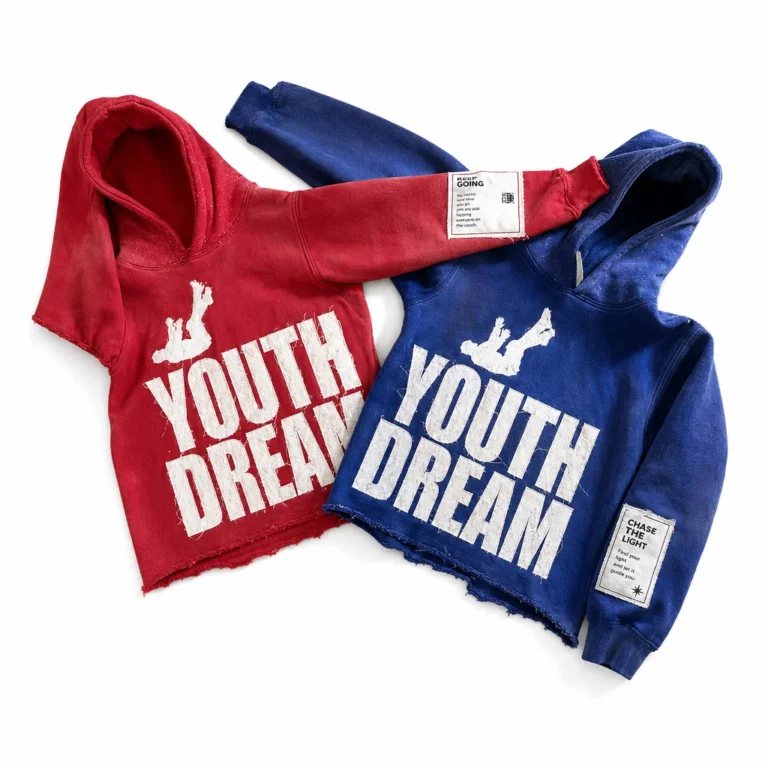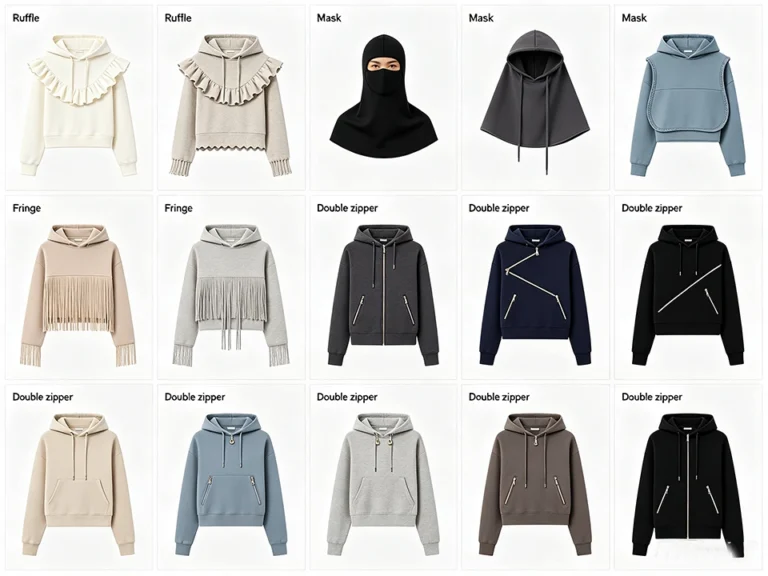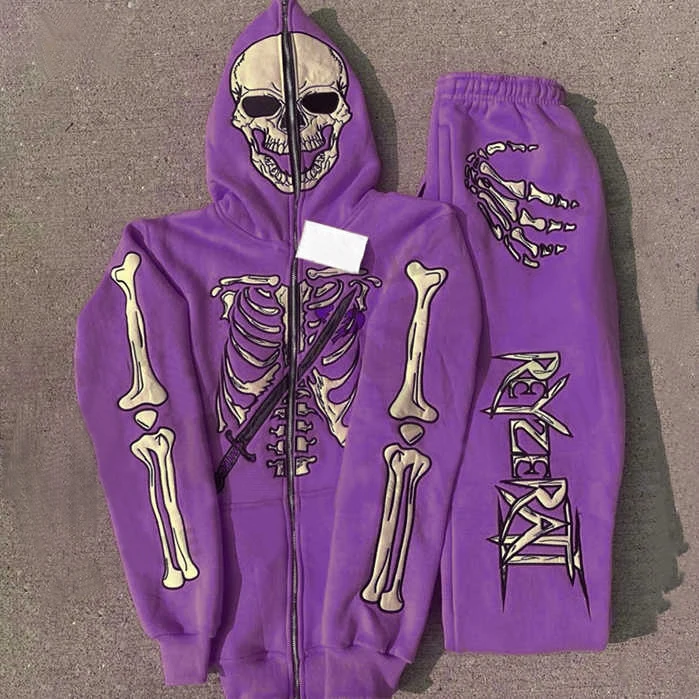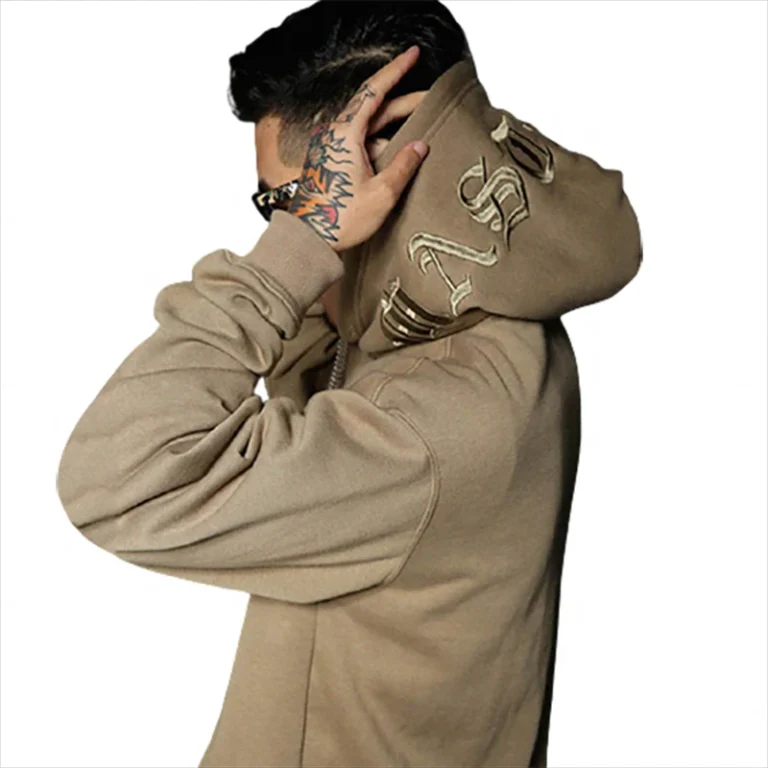
The humble hoodie has evolved far beyond its athletic origins into a global fashion staple and a canvas for artistic expression. For manufacturers, brands, and designers, understanding the vast array of techniques available for hoodie decoration, dyeing, and finishing is not just about aesthetics—it is about quality control, cost management, and brand identity. This guide provides a comprehensive overview of the key technics used in hoodie manufacturing, from embroidery and printing to washing and dyeing, alongside essential quality control tips to ensure every garment meets the highest standards.
Producing premium custom hoodies relies on standardized manufacturing workflows, precise production techniques and rigorous quality management at every stage. From fabric inspection, pattern cutting, sewing assembly to washing treatment, embroidery/printing and final finishing, each procedure directly determines the comfort, appearance and service life of finished hoodies. Minor flaws during production will evolve into obvious defects without effective quality control and professional garment finishing. In this hoodie manufacturing process technics guide, we walk through the complete production pipeline of custom hoodies, share practical quality control checkpoints throughout manufacturing, and deliver actionable garment finishing tips. This resource helps brand owners, designers and factory partners optimize sampling standards, reduce defect rates and achieve consistent high-quality outputs for streetwear collections, branded merchandise and bulk custom hoodie orders.
Hoodie Embroidered Technics
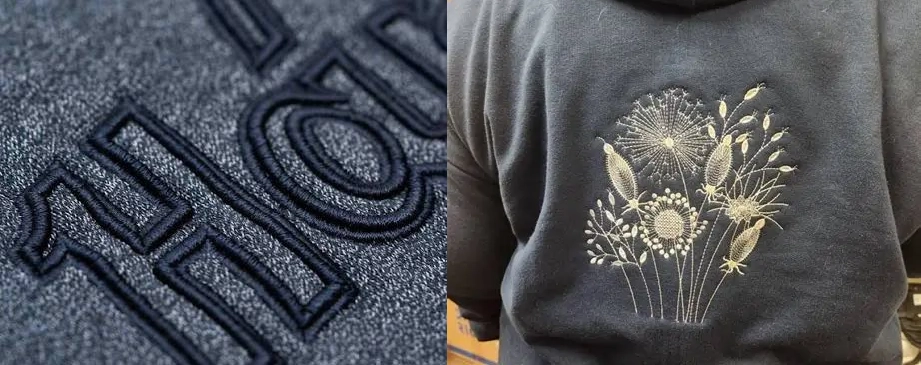
Embroidery adds a tactile, premium feel to hoodies, elevating them from basic casualwear to statement pieces.
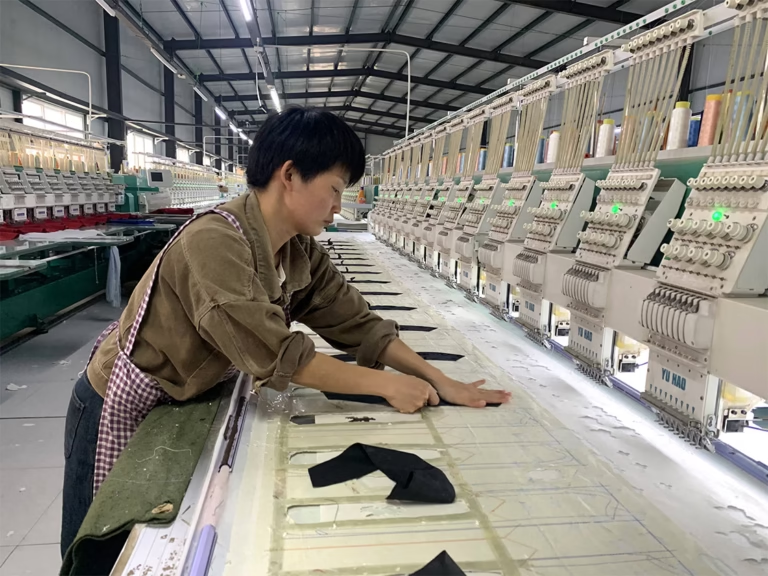
- Machine Embroidery/Automated Embroidery: The industry standard for high-volume production. Computerized machines translate digital designs into precise stitches. Quality Tip: Ensure proper thread tension and backing material (cut-away or tear-away) to prevent puckering on thick fleece fabrics.
- Hand Embroidery: A time-honored artisanal technique offering unique, irregular charm. While slow and costly, it commands a premium price point. Quality Tip: Hand-stitched garments require careful handling during finishing; avoid aggressive pressing that can flatten the raised stitches.
- 3D Embroidery (Puff Embroidery): Uses a foam layer beneath the stitching that dissolves after washing, leaving a raised, three-dimensional effect. Quality Tip: Control the washing temperature precisely; water that is too hot can cause the foam to dissolve prematurely before the stitch is set.
- Chain Embroidery: Characterized by looped stitches forming a chain-like pattern. Often used for vintage-inspired designs. Quality Tip: Use heavier threads and ensure the fabric is well-hooped to prevent the loops from becoming loose.
- Towel Embroidery (Terry Embroidery): Uses a loop pile to create a fluffy, towel-like texture. Quality Tip: This technique requires longer stitches; test the design thoroughly as it can easily snag during wear.
- Plain Embroidery: Simple, flat stitching using standard threads. The most common and cost-effective method. Quality Tip: Digitizing is key—adjust stitch density to avoid “thread breaks” on bulky hoodie seams.
- Nail Bead Embroidery: Involves stitching small beads onto the fabric to create shimmering patterns. Quality Tip: Use specialized needles and double-check the bead adhesion; loose beads are a primary customer complaint.
- Sequin Embroidery: Sequins are sewn flat or overlapping to create a sparkling effect. Quality Tip: Use a “scale” or “overlock” stitch to prevent sequins from rotating and losing their orientation.
- Flocking Embroidery: A combination of flocking (adhesive + short fibers) and embroidery to create a contrast of textures. Quality Tip: The flocking must be fully cured before the embroidery stage to avoid gumming up the needles.
- Affixed Cloth Embroidery (Appliqué): A separate piece of fabric is sewn onto the hoodie base, often with an embroidered edge finish. Quality Tip: Pre-wash the appliqué fabric to prevent shrinkage that could cause the base fabric to pucker.
- Spangle Embroidery: Similar to sequin embroidery but uses smaller, often metallic discs. Quality Tip: Ensure the spangles are securely fastened; use a locking stitch to prevent them from falling off.
Hoodie Printed Technics
Printing is arguably the most versatile method for hoodie decoration, offering endless color possibilities.
- Batik Print: A wax-resist dyeing technique where patterns are drawn with hot wax before dyeing; the wax is then removed. Quality Tip: Consistent wax application is vital. Use high-quality wax that cracks intentionally (for the signature crackle effect) or not, depending on the desired aesthetic.
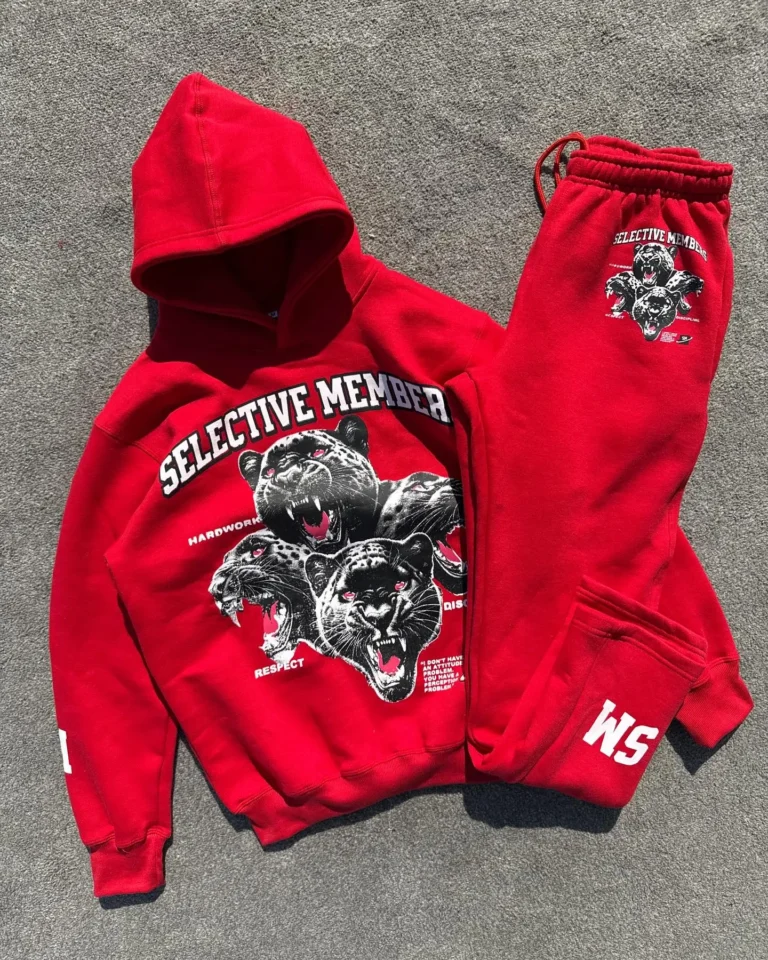
- Puff Print: A screen-printing ink that expands when heat-cured, creating a raised, puffy texture. Quality Tip: Precise heat and dwell time are critical; under-curing results in a flat print, while over-curing can cause the “puff” to collapse.
Hoodie Patchwork Technics
- Patchwork: Involves sewing different fabric pieces together to create a quilted or mosaic-like design on the hoodie. Quality Tip: Use a walking foot sewing machine to manage thick seams and prevent the fabric layers from shifting during stitching. Finish all raw edges to prevent fraying.
Hoodie Washed Technics
Washing techniques give hoodies their soft hand-feel, vintage appearance, and unique character.
- Rinsing: A simple, light wash to remove starches and shrink the fabric slightly, giving a soft, “lived-in” feel. Quality Tip: Short wash cycles with cold water minimize pilling and color loss.
- Stonewashed: Pumice stones are tumbled with the garments to create a faded, distressed look and an exceptionally soft hand. Quality Tip: Remove stones thoroughly after washing; leftover debris can damage subsequent garments or customer’s washing machines.
- Bleach Wash: Uses diluted sodium hypochlorite to remove color, creating dramatic, high-contrast fading. Quality Tip: Neutralization is critical. Residual bleach will continue to degrade the fabric over time. Use an anti-chlorine agent to stop the bleaching process completely.
- Acid Wash: Uses pumice stones soaked in a chlorine-based acid solution to create a highly contrasting, splotchy, “marble” effect. Quality Tip: This is an aggressive process. Test the garment’s tensile strength before and after to ensure it hasn’t been compromised.
- Enzyme Wash: Uses biological enzymes (like cellulase) to eat away small surface fibers, resulting in a super-soft feel and clean surface without heavy fading. Quality Tip: Terminate the enzyme activity with a hot water wash and pH adjustment to prevent over-digestion of the fabric.
- Sand Wash: A mechanical process using fine sand or silicone compounds to create a very soft, velvet-like hand-feel with subtle color fading. Quality Tip: Silicone wash can affect the fabric’s absorbency, making it unsuitable for subsequent water-based prints.
- Laser Wash: Uses lasers to “burn” or fade specific patterns onto the denim or hoodie fabric. Quality Tip: Laser power and speed must be precisely calibrated to avoid burning holes in the fabric. Excellent for achieving consistent “whiskering” effects.
- Whisker: Faded streaks or lines around the crotch and thighs, mimicking natural wear. Quality Tip: Whiskering can be done mechanically with sandpaper or digitally with lasers. The latter offers better consistency for mass production.
- PP Spray/Sand Blast: Uses high-pressure air to spray potassium permanganate (PP) or sand onto specific areas to create localized fading. Quality Tip: This is a highly hazardous process for workers. Mandate strict PPE (Personal Protective Equipment) and ventilation protocols. PP spray requires a neutralization wash to stop the chemical reaction.
Hoodie Dyeing Technics
Dyeing determines the base color and overall aesthetic of the hoodie.
- Plain Dyed (Piece Dyed): The fabric is woven/knitted first, then dyed as a whole roll. Quality Tip: Consistent dye lot control is essential. Order excess fabric (approx. 10-15%) from the same batch to avoid color discrepancies in later production runs.
- Yarn Dyed: The yarns are dyed before knitting or weaving. Used for stripes, checks, and heathers. Quality Tip: Yarn-dyed fabrics have superior colorfastness. Ensure the dye penetrates the yarn core for true “ring-dyed” or “solid-dyed” effects.
- Tie Dyed: A resist-dyeing technique where fabric is tightly bound with string or rubber bands before dyeing. Quality Tip: The binding tension must be uniform across garments to achieve a consistent pattern. Use cold-water reactive dyes to prevent the colors from bleeding into each other.
- Garment Dyed: The finished hoodie is sewn first, then dyed. This gives an incredibly soft, worn-in feel and subtle color variations at the seams. Quality Tip: Over-dyeing can shrink the garment significantly. Always pre-shrink the fabric or pre-wash the garment to control final dimensions. Use all-purpose zippers and threads that can withstand the dye bath.
Hoodie Embellishment & Specialty Technics
- Rhinestone (Crystal/Rhinestone Setting): Heat-pressed or glued rhinestones are applied to create a glamorous, sparkling effect. Quality Tip: For heat-set rhinestones, ensure the heat press is perfectly flat and the temperature is high enough to melt the adhesive without scorching the fleece. Use “hot-fix” stones for the most durable bond.
- Applique (already covered under Affixed Cloth Embroidery): A piece of fabric is cut into a shape and sewn or glued onto the base garment.
- Jacquard: This is not a finishing technique but a weaving method. Jacquard fabrics are knitted with an intricate, multicolored pattern built directly into the fabric structure (like a sweater pattern). Quality Tip: Jacquard hoodies are very thick; use specialized, heavy-duty needles and seams to prevent tearing.
Hoodie Cutting & Preparation
- Automated Cutting: Utilizes CNC (Computer Numerical Control) cutting machines or laser cutters to cut multiple layers of fabric with extreme precision. Quality Tip: Program “markers” (layouts) to minimize fabric waste. Calibrate the blade depth and speed daily to prevent fraying or melting of synthetic fibers.
Quality Control & Finishing Tips for Manufacturers
Mastering the techniques above is only half the battle. Here are essential QC and finishing tips to bring it all together:
- Pre-Wash All Substrates: Whether it’s cotton, polyester, or a blend, always pre-shrink and pre-treat the fabric. This ensures that the final garment dimensions remain stable through washing and dyeing.
- Thread and Notions Matching: When garment dyeing, ensure that sewing threads, zippers, and labels are made of a fiber that will take the dye equally, or use a “dye-compatible” option. Conversely, for non-dyed hoodies, match thread colors meticulously.
- Needle Selection: Use ballpoint needles for knitted fleece to avoid cutting the fibers, which leads to holes and pilling. For dense embroidery, use a sharp, heavy-duty needle.
- Pilling Tests: The fleece inside a hoodie is prone to pilling. Conduct Martindale abrasion tests to ensure the fabric meets your quality standards.
- Shade Banding: When cutting multiple layers, cut all pieces for one garment from the same ply to avoid shade variation between sleeves and the body.
- Final Garment Pressing: Avoid high heat that can flatten puff prints or 3D embroidery. Use a steam press or a “tunnel finisher” that gently removes wrinkles without crushing the artwork.
- Labeling: Include clear care instructions, especially for delicate techniques like beading, bleach wash, and hand embroidery. Washing method is critical to garment longevity.
By understanding the interplay between these diverse techniques and adhering to stringent quality control measures, manufacturers can produce hoodies that are not just clothing, but durable, artistic, and market-ready products. The secret lies in choosing the right technic for the right fabric and ensuring that every step, from cutting to the final press, is executed with precision.