What is embroidery? Embroidery is a traditional decorative craft that stitches patterns, letters, logos and artistic motifs onto fabrics using threads of various colors and textures. Originally created by hand, it has evolved into high-precision computerized embroidery widely adopted in the apparel industry today.
With different stitching techniques, embroidery can produce diverse visual effects, including flat smooth letter logos, fluffy towel embroidery, 3D raised foam embroidery, appliqué patches, sequin embellishments and metallic thread detailing. Applied to t-shirts, hoodies, jeans, jackets and accessories, embroidery delivers durable, premium and high-end texture compared with regular screen printing. It helps clothing brands strengthen visual recognition, add dimensional aesthetics and upgrade product value with long-lasting, wash-resistant decorative details.
Embroidery is the art of decorating textiles with stitched thread. From delicate handcraft to industrial digital embroidery machines, this timeless technique turns simple fabrics into eye-catching pieces. Various stitch styles create flat solid graphics, textured 3D designs and shiny ornamental details. Durable, fade-proof and tactile, embroidery remains one of the most popular premium decoration methods for fashion apparel, brand logos and custom clothing designs worldwide.
1.3D embroidery
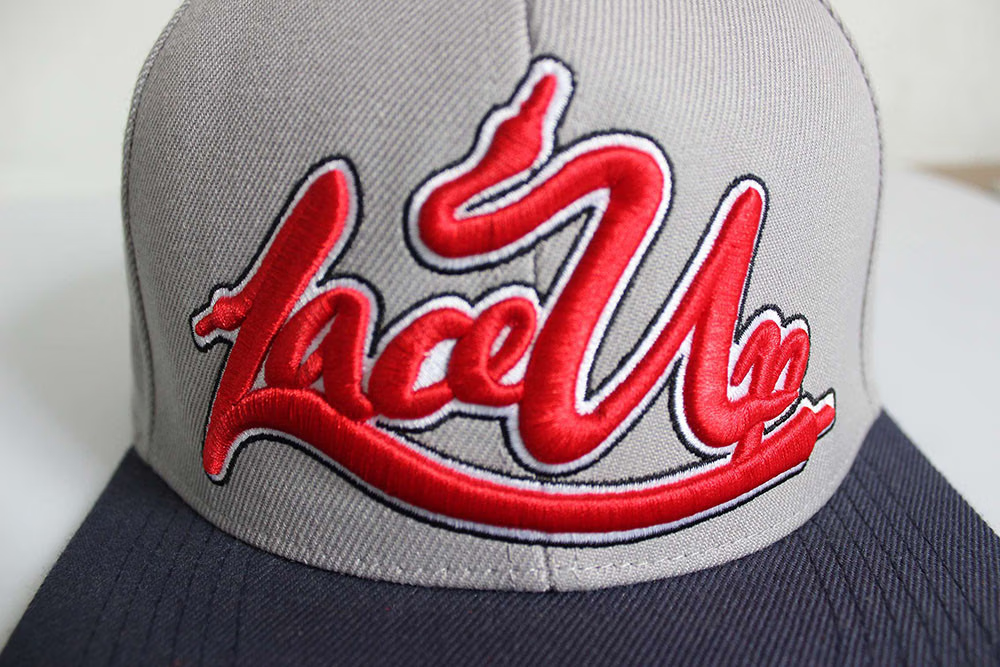
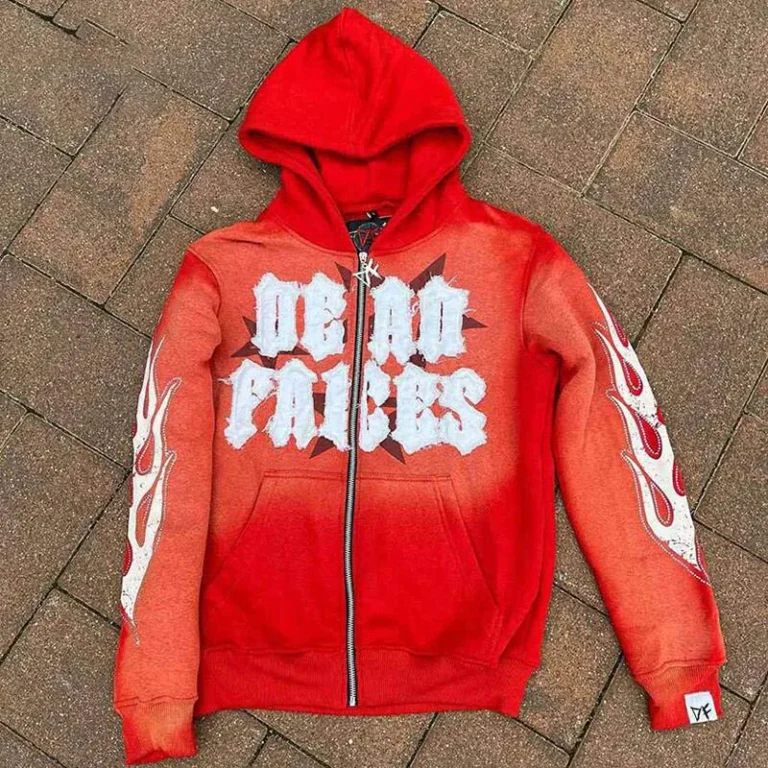
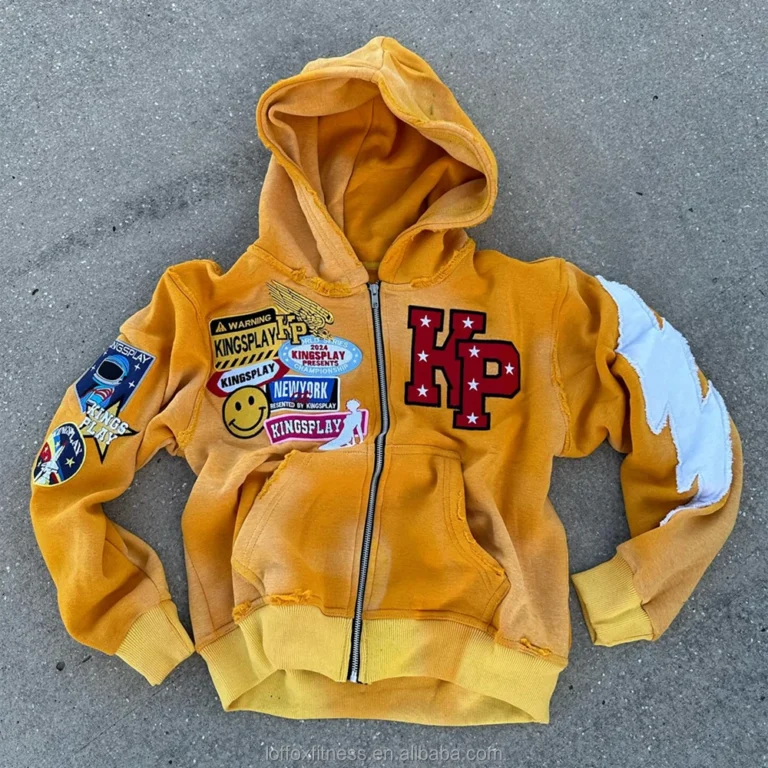
Upgrade your apparel designs with premium 3D Embroidery. Featuring raised, padded stitching that delivers striking depth and tactile texture, this craft makes logos, letterings and graphic patterns stand out vividly on hoodies, jackets, jeans and casual wear. Durable, dimensional and eye-catching, 3D embroidery adds high-end streetwear charm to every garment.
3D Embroidery is one of the most popular decorative techniques in modern apparel manufacturing. By stitching over foam padding, the finished pattern creates a prominent raised effect with a soft, three-dimensional touch. Compared with ordinary flat embroidery, it boasts stronger visual impact and excellent wear resistance, not easy to deform or thread loose after long-term washing. Ideal for brand logos, custom fonts and statement graphics, 3D embroidery perfectly elevates the texture and premium sense of streetwear, workwear, fashion outerwear and customized clothing, helping your brand leave a deep impression on consumers.
2.machine embroidery
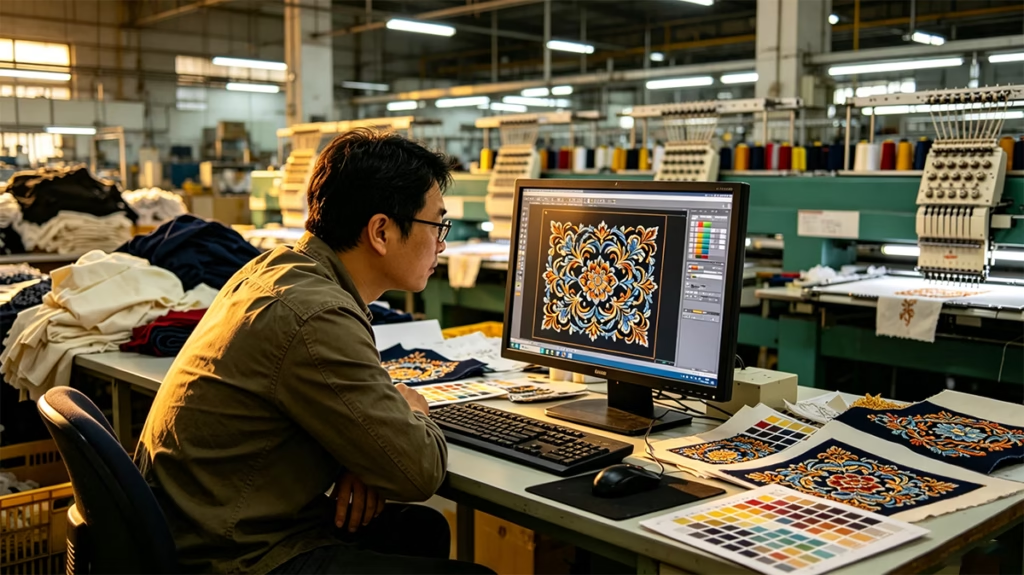
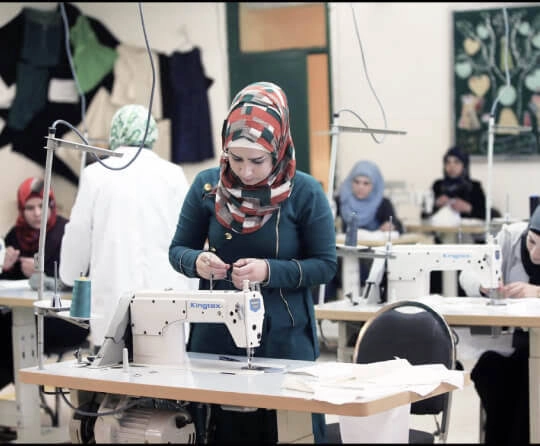
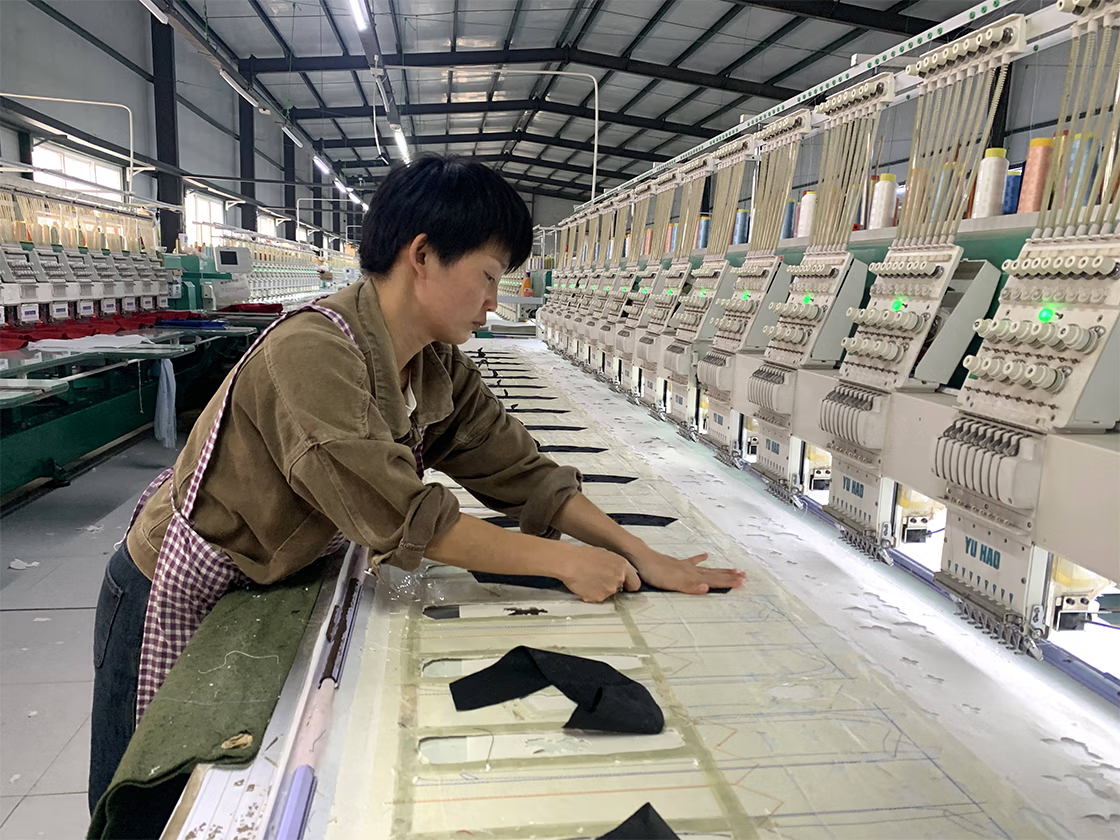
Machine embroidery is a modern industrial stitching technique that uses computerized embroidery machines to create precise, intricate patterns on various fabrics, widely applied in apparel, accessories, and textile decoration. Compared with traditional hand embroidery, it greatly improves production efficiency while maintaining consistent pattern accuracy, making it the mainstream craft for mass garment production in modern embroidery workshops.
This technology relies on digital design files. Designers first create and edit embroidery patterns, fonts, and graphics on professional computer software, then import the programmed data into embroidery machines. The automatic equipment precisely controls needle movement, thread tension, and stitching density to complete uniform and delicate embroidery works. It supports multiple classic stitching styles, including satin stitch, tatami stitch, 3D foam embroidery, sequin embroidery, and appliqué embroidery, meeting diverse design needs from simple logo lettering to large-area full-pattern decoration.
Machine embroidery features stable quality, strong stereoscopic effect, and excellent wear resistance. The finished patterns are neat, durable, and not easy to loose threads or deform. It adapts to almost all common clothing fabrics such as cotton, polyester, denim, and knitwear. Balancing aesthetics, practicability, and production cost, machine embroidery has become an essential decorative process for fashion apparel, casual wear, children’s clothing, and customized textile products, continuously promoting the innovation and standardization of the garment embroidery industry.
3.Flocking embroidery
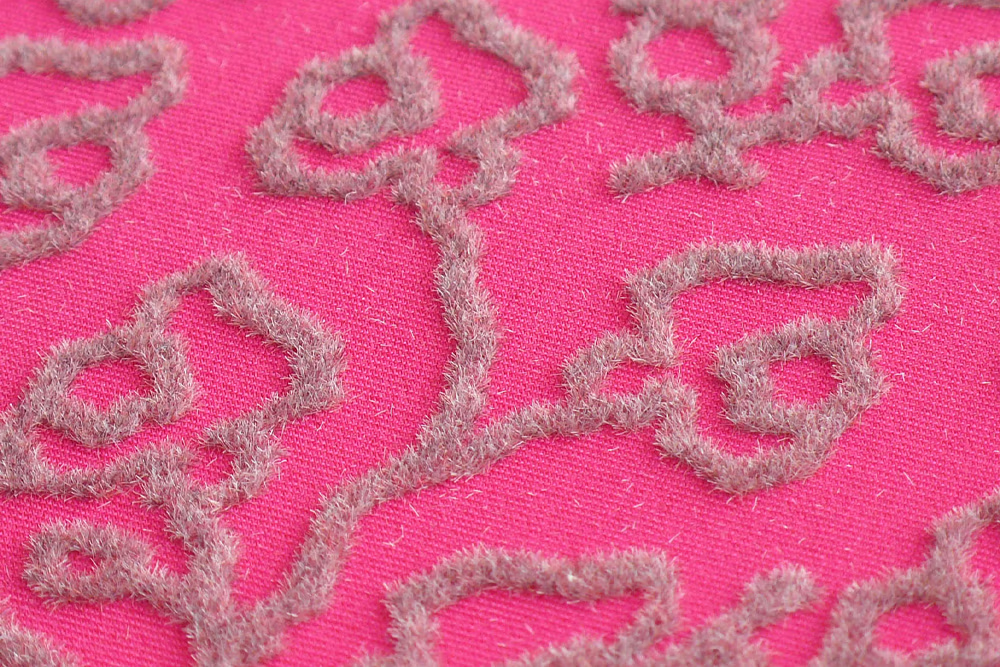
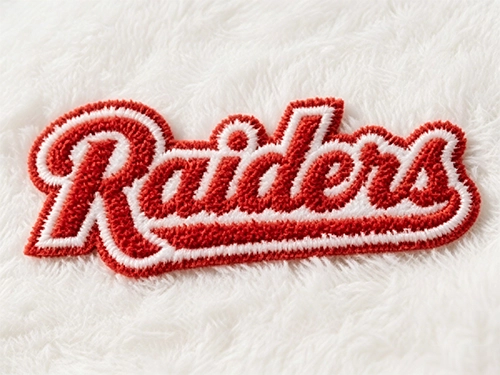
Flocking embroidery, also known as chenille embroidery or tuft embroidery, is a popular 3D textile decorative craft that combines traditional embroidery positioning with flocking technology to create plush, velvety raised patterns on fabric surfaces. Instead of flat thread stitching, this process implants tiny short fibers along pre-programmed embroidery tracks, firmly bonding fine nylon or viscose flock materials to garments, patches and accessories via adhesive and high-temperature pressing, forming a distinct thick, fuzzy tactile effect similar to suede or velvet.
Core Features
- Luxurious 3D Tactile Experience It delivers a soft, fluffy and thick hand feel with obvious embossed stereoscopic effects, far more textured than ordinary flat embroidery, bringing a premium high-end visual and touching experience.
- Rich Color & Stable Performance Available in abundant color options with high color fastness. Qualified flocking embroidery resists fading, shedding and frequent rubbing; it remains intact after repeated gentle washing with proper care.
- Wide Fabric Compatibility Applicable to most common textiles including cotton, polyester, fleece, denim and canvas, and widely made into iron-on or sew-on embroidered patches for flexible brand customization.
Main Advantages
Compared with conventional thread embroidery, flocking embroidery better highlights bold logos, letterings and graphic patterns. It covers minor fabric defects well, features strong stereoscopic layering, and balances exquisite appearance with cost efficiency for bulk custom orders. It is softer against the skin than thick tatami stitch embroidery, greatly improving wearing comfort for hoodies, T-shirts and casual apparel.
Common Application Scenarios
This craft is extensively adopted in streetwear, sportswear, team uniforms, fashion jackets, caps, bags and luggage accessories. It is also widely used for home textiles, decorative fabrics and premium brand labels, becoming a mainstream decorative technique for personalized fashion, team identity marking and commercial brand image presentation.
Care Tips
To extend its service life, flocking embroidered products are recommended for cold gentle machine wash or hand wash. Avoid high-temperature ironing directly on the flocking surface, and air dry instead of high-heat tumble drying to prevent fiber shedding and deformation.
4.sequin embroidery
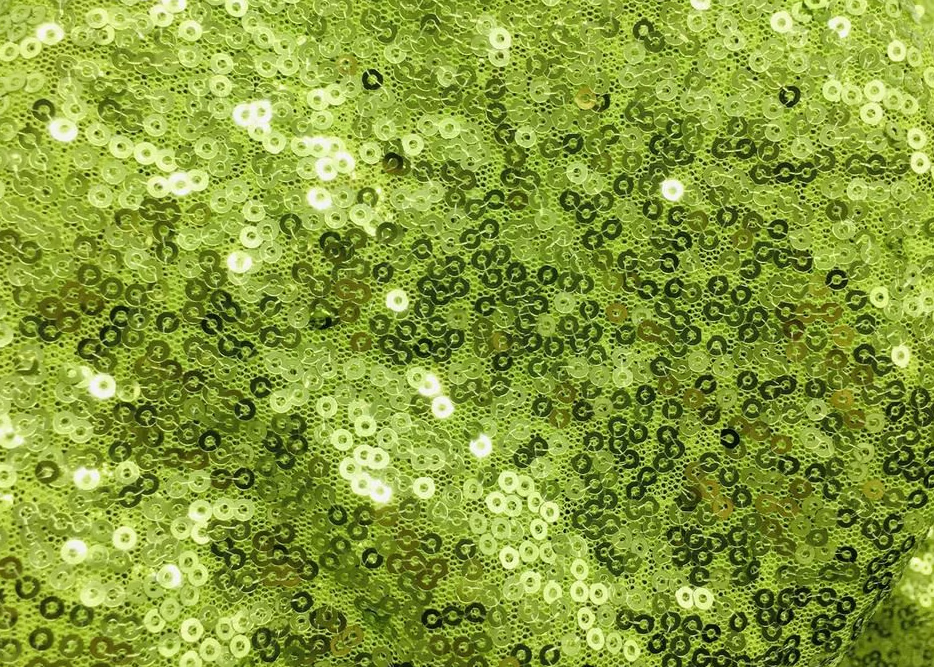
Sequin embroidery is a dazzling decorative textile craft that combines traditional embroidery stitching with shiny sequin accessories, widely used to add glamorous visual highlights to garments, accessories and home textiles. Tiny flat reflective sequins are fixed onto fabric by high-speed embroidery machines with fine threads, arranging sequins into various letters, logos, patterns and artistic shapes to create eye-catching sparkling effects under different light sources.
Core Features
- Stunning Glossy Visual Effect Sequins come in rich finishes including metallic, holographic, matte, iridescent and translucent styles. When catching light, they produce dynamic shimmering layers, which greatly enhance the fashion and luxurious sense of products, far more decorative than ordinary thread embroidery.
- Diversified Craft Combinations It can be perfectly matched with flat embroidery, chenille embroidery, appliqué and printing processes. Designers can freely adjust sequin size, color, arrangement density and stitching methods to realize minimalist delicate patterns or bold exaggerated decorative styles.
- Strong Wear Resistance & Stable Adhesion High-quality sequin embroidery adopts dense lock-stitch technology to firmly fasten each sequin, effectively preventing sequins from falling off during wearing and washing. It can be applied to most fabrics such as cotton, polyester, satin, denim and mesh cloth.
Main Advantages
Sequin embroidery is highly expressive for fashion designs. It can quickly highlight brand logos, decorative patterns and clothing details, greatly improving the grade and attractiveness of apparel products. It supports custom personalized pattern development, suitable for both small-batch custom orders and large-volume mass production with stable processing efficiency.
Common Application Scenarios
This craft is popularly applied to evening dresses, stage costumes, fashion streetwear, hoodies, T-shirts, jeans, baseball caps, handbags and footwear. It is also extensively used on dance uniforms, wedding accessories, fashion patches and home decorative fabrics, always being the preferred decorative technique for creating trendy, eye-catching fashion works.
Care Instructions
For sequin embroidered items, hand washing or gentle cold machine washing inside out is recommended. Avoid strong rubbing, bleaching agents and high-temperature ironing directly on sequin surfaces to prevent sequin deformation, fading or detachment. Turn the garment inside out before ironing to protect the sequin layer.
5.Affixed cloth embroidery
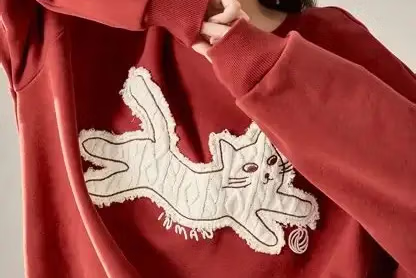
Affixed cloth embroidery, also commonly known as fabric appliqué embroidery, is a classic decorative textile craft widely used in apparel, accessories and home textiles. Its production principle is to cut pre-selected fabric materials into designed patterns, letters or logos, fix the cut fabric pieces onto the base fabric by heat pressing or adhesive bonding, and then use precise embroidery stitching to sew and lock the edges of the fabric patch firmly, so as to avoid fabric fraying and falling off during long-term wearing and washing.
Key Characteristics
- Rich Texture & Layered Visual Effect Different from ordinary flat thread embroidery, this technique superimposes two or more layers of fabrics. You can match diverse materials such as denim, canvas, fleece, twill and felt to create distinct color contrast and three-dimensional layering. The finished patch looks thick and textured, with strong visual impact.
- High Wear Resistance & Stable Durability With fully enclosed edge embroidery locking, the affixed cloth pattern is not easy to loose or fray. It boasts excellent color fastness and washing resistance, and can withstand repeated machine washing without deformation, peeling or fading, perfectly fitting the wearing demands of casual wear, work uniforms and outdoor clothing.
- Flexible Pattern Customization & Cost Advantage It is suitable for large-area logo, letter and graphic design production. For oversized patterns that are difficult to be finished by conventional embroidery, affixed cloth embroidery can effectively reduce production costs and shorten processing cycles. It also well covers fabric flaws such as stains and weaving defects.
Main Application Scenarios
Affixed cloth embroidery is highly popular in streetwear, hoodies, denim jackets, baseball caps, backpacks, sports team uniforms and fashion patches. It is also widely applied on home textiles like cushions, blankets and decorative tapestries, becoming a mainstream personalized customization process for brand identity display and fashion style shaping.
Care Instructions
For long-term use maintenance, it is recommended to turn clothes inside out before washing to reduce friction on the appliqué embroidery area. Avoid high-temperature ironing directly on the patch surface; use low-temperature ironing with a thin cloth cushion to prevent edge stitching melting and fabric deformation.
6.Maching embroidery/Automated embroidery
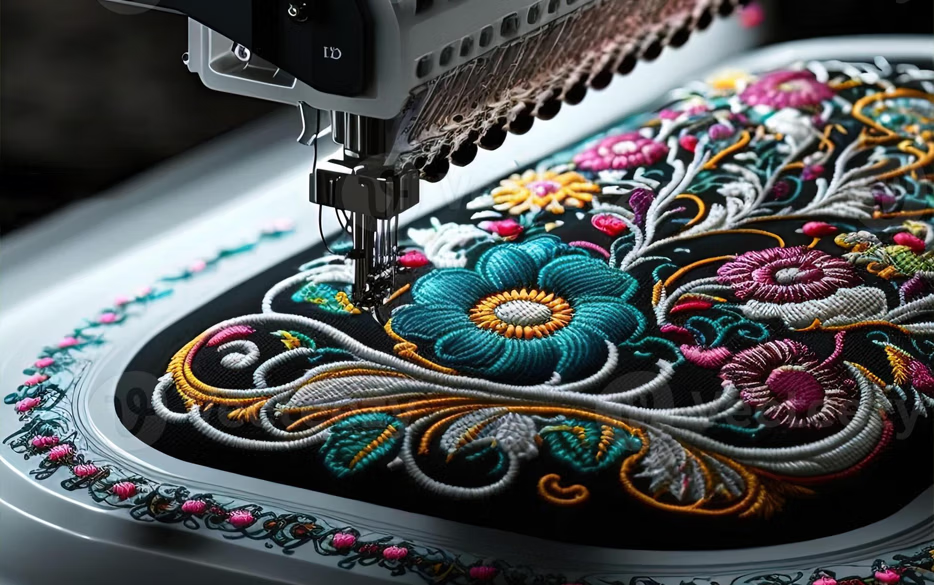
Machine embroidery, also referred to as automated embroidery, is a computer-controlled textile decoration technology that replaces traditional hand stitching with precision-driven industrial embroidery machines. Designers first create digital graphic patterns via professional embroidery software, then convert the artwork into executable stitch files. Once uploaded to automated embroidery equipment, the machine can accurately follow pre-set programs to complete intricate stitching repeatedly on various fabric materials.
Core Advantages
- High Precision & Stable Consistency Automated embroidery delivers extremely precise stitch positioning, capable of reproducing delicate logos, small text, complex patterns and gradient details that are hard to achieve by hand. Mass-produced embroidery patches and embroidered garments maintain uniform size, stitch density and color performance, effectively avoiding the inconsistent craftsmanship common in handmade work.
- High Production Efficiency Multi-head industrial embroidery machines can process dozens of pieces simultaneously. Compared with manual embroidery, automated production greatly shortens the production cycle, perfectly meeting large-batch customized orders from clothing brands, team uniforms, accessories and promotional merchandise.
- Rich Diverse Craft Options It supports multiple embroidery techniques, including flat stitch, tatami stitch, 3D puff embroidery, appliqué embroidery, chenille embroidery and sequin embroidery. Various thread materials such as polyester thread, rayon thread, metallic thread and glow-in-the-dark thread are available to create diverse visual textures from minimalist flat styles to luxurious three-dimensional effects.
Wide Application Range
Machine embroidery is widely applied to fashion apparel like hoodies, T-shirts, denim jackets, sportswear and work uniforms. It is also commonly used on hats, canvas bags, towels, home textiles, shoe accessories and custom sew-on/iron-on patches. For brand merchants, it serves as a classic, durable way to present brand logos, slogans and exclusive custom patterns, bringing premium texture and brand recognition to finished products.
Durability & Practicality
High-quality machine embroidery features tight, firm stitches with strong color fastness. Properly embroidered items can withstand repeated washing and long-term wear without thread loosening, fading or pattern deformation. It balances decorative aesthetics with practical durability, making it one of the most mainstream and reliable decorative crafts in the global garment customization industry.
7.Hand Embroidery
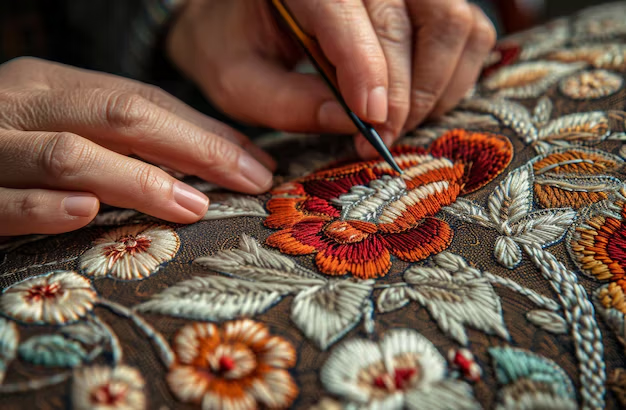
Hand embroidery is a traditional handmade craft that decorates fabric with various colored threads, needles and manual stitching techniques. Dating back thousands of years across different civilizations, it is regarded as both a decorative art and a precious cultural heritage.
Different from machine embroidery, every stitch of hand embroidery is finished manually by skilled artisans. Craftsmen use diverse stitching methods such as running stitch, satin stitch, cross stitch and chain stitch to create delicate patterns including flowers, animals, letters, landscapes and traditional cultural motifs. Each piece carries unique handmade charm, with subtle texture differences that cannot be perfectly replicated by industrial machines.
Core Features
- Unique Handmade Craftsmanship No two hand-embroidered works are identical. The slight variation in stitch density, thread tension and color layering endows each finished piece with exclusive artistic value and strong collection significance.
- Exquisite Texture & Rich Details Artisans can flexibly adjust thread thickness, stitch directions and color gradients to present soft color transitions and delicate three-dimensional layering. It achieves finer, more vivid detailing than most mass-produced machine embroidery.
- Wide Application Range Hand embroidery is widely applied to clothing, cheongsam, scarves, linen bags, home textiles, decorative tapestries, custom gifts and cultural souvenirs. It is also commonly used for high-end fashion customization and traditional ethnic costume decoration.
Advantages
Hand embroidery can realize highly personalized and complex custom patterns, especially suitable for small-batch high-end orders and artistic creation. With proper maintenance, hand-embroidered works feature excellent durability and color fastness, able to be preserved for decades. It not only elevates the grade of textiles but also inherits traditional craftsmanship and emotional temperature that mass industrial products lack.
Care Guidance
Hand-embroidered items are suggested to be hand-washed in cold water with mild detergent. Avoid vigorous rubbing, twisting or high-temperature soaking. Lay flat to air dry and iron gently on the reverse side to protect delicate hand stitches from damage.
8.Chain embroidery
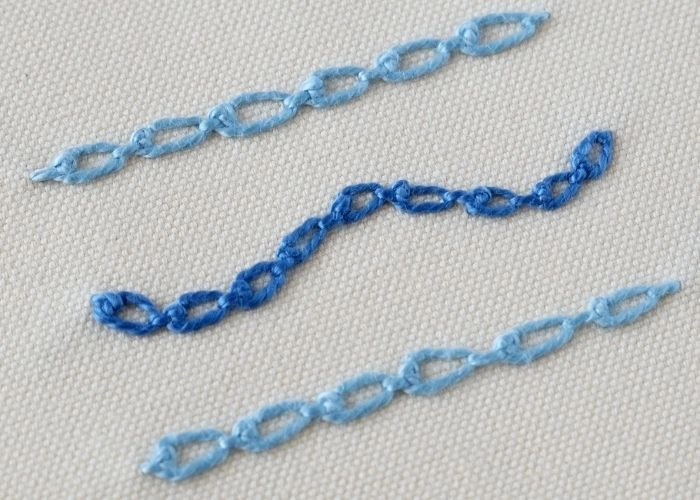
Chain embroidery is a classic traditional hand and machine embroidery technique defined by interlocking loop stitches that resemble connected chain links, forming a continuous, textured stitching line on fabric.
Core Features
- Distinct Chain-Like Texture Each stitch loops through the previous one to create a flexible, raised chain effect. It delivers soft dimensional texture that stands out far more than ordinary flat running stitches, bringing a vintage, handcrafted aesthetic to garments and accessories. The dense loop structure also makes the stitching highly durable and resistant to pulling or fraying.
- Strong Adaptability for Various Patterns Chain embroidery works perfectly for outlining logos, letterings, floral vines, decorative borders and curved patterns. It can be stitched in single lines for delicate trimming or layered with multiple rows to form bold, solid graphic fills, freely switching between delicate and eye-catching visual styles. It is compatible with cotton, linen, denim, canvas, polyester and most woven fabrics.
Key Advantages
Compared with flat satin stitch embroidery, chain embroidery offers superior tensile strength, so it rarely cracks or loosens even after repeated washing and stretching. Its flexible loop structure fits well on stretch fabrics like hoodies and sportswear. It balances exquisite retro charm and cost-effectiveness for mass customization, widely favored in vintage streetwear, ethnic-style apparel and fashion decorative patches.
Common Applications
This timeless embroidery craft is extensively used on casual clothing, denim jackets, hats, canvas bags, team uniforms, home textiles and craft accessories. It is also commonly applied to brand label embroidery, ethnic fashion decorations and handmade craft products, serving as a popular way to add retro texture and personalized design details to textiles.
Care Guidance
Chain embroidered items can be machine washed on gentle mode with cold water. Avoid vigorous scrubbing directly on the embroidered area to prevent thread snags. Do not iron the embroidered surface at high temperature to protect the loop stitches from flattening and deformation.
9.towel embroidery
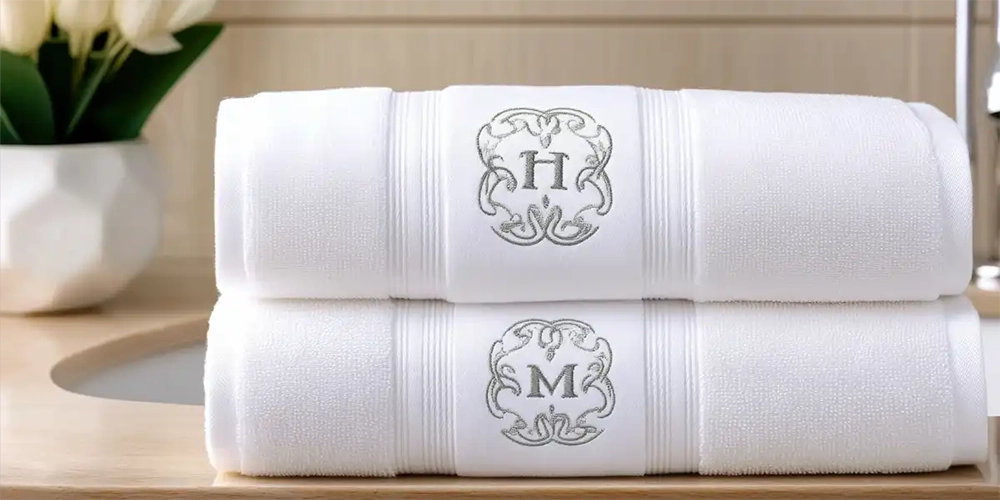
Towel embroidery is a classic, high-value decorative craft that imprints personalized patterns, logos, names, slogans or delicate floral motifs onto the surface of towels, bath towels, hand towels and bathrobes. Different from printed patterns that are easy to fade after repeated washing, embroidery uses durable colored threads stitched firmly onto terry fabric, delivering both decorative beauty and long-lasting wear resistance.
Core Features
- Premium & Skin-Friendly Craftsmanship Embroidery threads are soft, smooth and non-irritating to the skin, which perfectly matches the comfortable texture of cotton towels. The stitched patterns will not fall off or rub against your body during use, bringing a safe and pleasant using experience for families, hotels, spas and sports teams.
- Excellent Wash Resistance & Durability High-quality towel embroidery boasts great color fastness and strong stitching tension. It can withstand hundreds of times of regular washing without fading, thread fraying or pattern peeling, far more durable than heat transfer, screen printing or digital printing techniques.
- Strong Personalization & Branding Value It supports custom designs including corporate logos, hotel brand marks, wedding monograms, guest names, holiday patterns and team emblems. Custom embroidered towels are ideal promotional gifts, hotel amenities, wedding favors and team souvenirs to elevate brand image and create exclusive customized gifts.
Wide Application Scenarios
Towel embroidery is widely applied in hotel & resort linen, spa and beauty salon supplies, home daily towels, wedding personalized gift sets, school and sports team kits, corporate business promotional gifts, as well as holiday customized souvenir towels. It can also be used on bathrobes, face cloths and linen napkins to unify brand visual style.
Practical Advantages
Embroidery adds a sense of high-end texture to ordinary towels, greatly upgrading product grade and market selling price. Available in various stitch types such as flat embroidery, tatami embroidery and 3D raised embroidery, it can present delicate fine patterns as well as bold eye-catching logos. For light-colored towels, dark embroidery threads create sharp contrast; while subtle tone-on-tone stitching offers an elegant minimalist style to meet diverse aesthetic demands.
Care Instructions
Embroidered towels are suitable for conventional washing. Avoid vigorous scrubbing directly on embroidered areas and high-temperature ironing on the stitched surface to prevent thread deformation. Tumble dry at low temperature or air dry naturally to keep embroidery neat and long-lasting.
10.plain embroidery
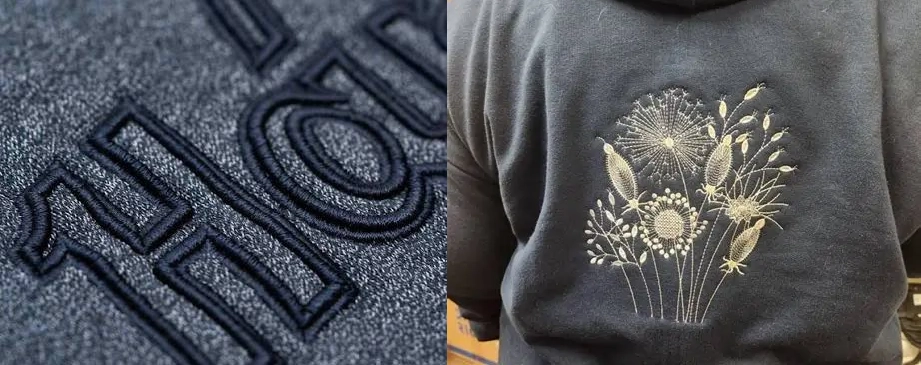
Plain embroidery, also known as flat embroidery, is the most classic and widely used traditional embroidery technique in the apparel and accessory customization industry. Different from three-dimensional decorative crafts such as flocking and chenille embroidery, it completes pattern presentation by tightly stitching embroidery threads flat onto the surface of fabrics, forming smooth, thin and neat two-dimensional decorative layers.
Core Features
- Flat & Delicate Texture The embroidered surface lies closely against the fabric without raised bulges. Fine stitching can restore intricate patterns, tiny fonts and complex graphic details that are hard to achieve with 3D embroidery, showing high precision and delicate visual effects.
- Outstanding Durability & Wash Resistance High-quality plain embroidery features tight thread stitching and strong fixation. It is not easy to loose threads, deform or fade after repeated washing and long-term friction, with excellent color fastness and service life.
- Lightweight & Skin-Friendly Thin stitching will not increase the thickness of clothing. It fits closely to the fabric without rubbing against the skin, making it very suitable for close-fitting garments such as T-shirts, polo shirts and underwear.
Main Advantages
Plain embroidery supports rich color matching and flexible pattern customization. It has a wide range of applicable fabrics, including cotton, polyester, canvas, denim, chiffon and other materials. Compared with other three-dimensional embroidery processes, it has a more cost-effective price for small and bulk orders, and can perfectly present brand logos, letter marks, small decorative patterns and national-style detailed patterns. It also works well on small accessories like hats, bags and handkerchiefs.
Common Application Scenarios
It is commonly applied to business uniforms, fashion casual wear, school team jerseys, high-end fashion, household textiles, hats, handbags and various custom embroidered patches. Whether minimalist brand embellishment or exquisite artistic pattern decoration, plain embroidery is always the preferred craft for pursuing stable quality and delicate detail performance.
Care Instructions
Ordinary washing methods are available for plain embroidered products. It is allowed to turn clothes inside out for machine washing and low-temperature ironing on the reverse side. Avoid prolonged soaking in high-temperature water or strong alkaline detergent to prevent thread fading and loosening.
11.spangle Embroidery
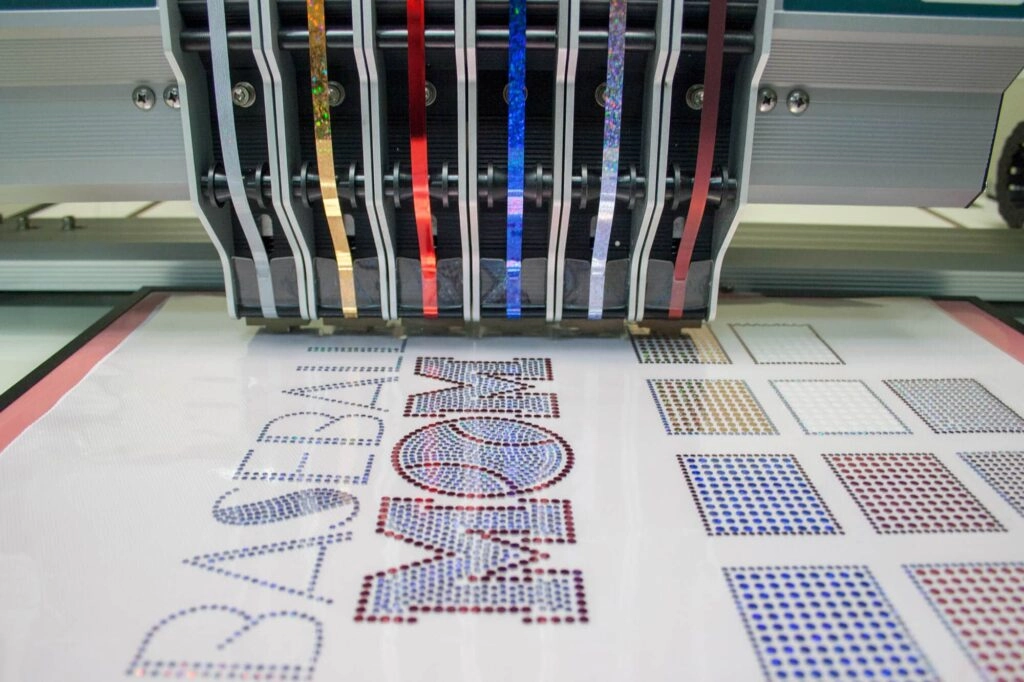
Spangle embroidery, also commonly known as heat transfer sequin embroidery or hot fix spangle transfer, is a dazzling decorative textile craft widely used in modern fashion customization. Different from traditional hand-sewn sequins, this technology arranges countless tiny metallic or colorful flat spangle sequins into preset patterns, then firmly adheres them to fabrics through high-temperature heat pressing. It creates a brilliant, sparkling visual effect with a smooth and flat surface, greatly enhancing the fashion sense and high-end texture of garments.
Core Features
- Stunning Sparkling Visual Effect Spangle embroidery delivers an eye-catching shimmering luster under light. Available in various finishes including silver, gold, holographic, iridescent and matte colors, it can produce dynamic glitter effects that flat thread embroidery cannot achieve, making logos, letters and graphic designs more striking and stylish.
- Smooth Surface & Comfortable Wear All spangles are tightly attached to the fabric with no loose threads or raised edges, so the finished surface is flat and skin-friendly. It avoids the scratchy discomfort of traditional hand-sewn sequins, ideal for casual wear, sportswear and close-fitting apparel.
- Strong Durability & High Wash Resistance High-quality hot-fix spangle embroidery features excellent adhesive fastness. Properly processed spangles are not easy to fall off during repeated cold water washing, rubbing and normal wearing, with stable color retention and long-lasting sparkling performance.
Main Advantages
Compared with conventional sequin embroidery, spangle embroidery supports mass rapid production with lower labor costs and higher production efficiency, perfectly meeting large-batch customized orders. It can be freely matched with flat embroidery, chenille embroidery and printing crafts to create layered mixed decorative effects. Besides covering minor fabric flaws, it also offers flexible design freedom for intricate small patterns as well as bold large-area decorative layouts.
Wide Application Scenarios
This decorative technique is highly popular in streetwear, T-shirts, hoodies, sports team jerseys, fashion jeans, caps, bags, stage costumes and fashion accessories. It is also widely applied to promotional custom patches, brand clothing logos, cheerleading uniforms and fashion home textiles, serving as a mainstream decorative craft to highlight brand personality and trendy style.
Care Instructions
To extend the service life of spangle embroidered products, it is recommended to turn the clothes inside out before cold gentle machine washing or hand washing. Avoid high-temperature ironing directly on the spangle surface, and do not use strong alkaline bleach. Hang the garments to air dry instead of high-heat tumble drying to prevent spangle warping and peeling.
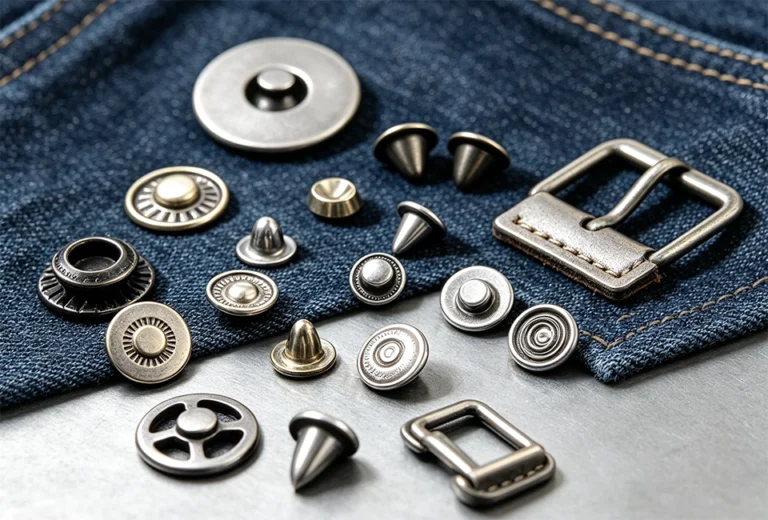
12.Nail bead embroidery
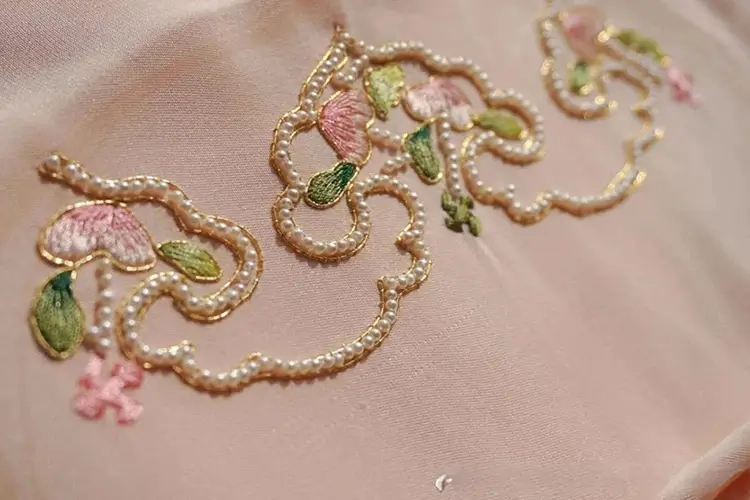
Nail bead embroidery is a distinctive decorative craft widely used in apparel, accessories and fashion embellishment, which secures various beads, rhinestones, sequins and metallic ornaments onto fabric by special nail fixation technology. Different from traditional hand-sewn beadwork or hot-fix rhinestone crafts, this technique uses tiny metal nails to firmly fasten each bead onto garments, patches, bags and headwear, delivering a sturdy, three-dimensional and sparkling decorative effect.
Key Features
- Outstanding Durability & Firm Adhesion Each ornament is fixed with miniature metal nails, so beads rarely fall off even after repeated washing, long-term friction and frequent wearing. It solves the common problem of bead shedding seen in glue-fixed bead crafts, greatly extending the service life of decorated products.
- Rich Visual Hierarchy & Glossy Texture You can freely match round beads, faceted rhinestones, metallic studs, pearl beads and acrylic beads in diverse sizes, colors and shapes. The combination of reflective glossy ornaments and fabric creates eye-catching layered visual effects, adding a luxurious, trendy and high-end fashion touch to casual wear, streetwear and formal outfits.
- High Customization Flexibility This process supports custom logos, letter patterns, graphic motifs and personalized decorative layouts. It can be applied to nearly all common fabrics such as denim, canvas, cotton, polyester and leather, perfectly meeting brand customized embellishment demands for clothing, hats, handbags and shoe accessories.
Core Advantages
Compared with hot-fix rhinestone transfer and hand beading, nail bead embroidery balances production efficiency and firmness. It avoids the limitation of high-temperature ironing which may damage delicate fabrics, and is more time-saving than fully manual bead sewing. The three-dimensional raised texture also brings unique tactile feeling, making brand patterns more prominent and attractive.
Main Applications
It is highly popular in street fashion apparel, denim jackets, baseball caps, fashion handbags, sports team uniforms, leather goods and festival decorative accessories. Many clothing brands adopt nail bead embroidery to highlight brand logos, decorative shoulder patterns and pocket embellishments, upgrading product grade and competitive advantages in the fashion market.
Care Guidance
For long-term preservation, hand washing or gentle cold machine washing is recommended. Avoid strong rubbing, scrubbing directly on the beaded area, high-temperature ironing and tumble drying, which can prevent deformation of fixing nails and accidental bead falling.
Customized clothing embroidery service
Our customized clothing embroidery service brings your unique design ideas to life with exquisite craftsmanship and premium quality. Whether you need brand logos, personalized slogans, distinctive patterns, name tags or exclusive decorative motifs on garments, we offer flexible custom solutions for various apparel types, including T-shirts, hoodies, jackets, polo shirts, work uniforms, hats and more.
We support full customization from pattern design, thread color matching to embroidery positioning. Our skilled craftsmen use advanced embroidery equipment to deliver neat, durable and vivid embroidery work that resists fading, fraying and repeated washing, perfectly highlighting your brand image or personal style.
Suitable for corporate uniform customization, team activity apparel, retail brand clothing, souvenir outfits and private personalized wear. We accept both small-batch orders and bulk wholesale cooperation, provide professional pre-production samples to confirm details, and guarantee efficient production and on-time delivery to meet your diverse customization demands.