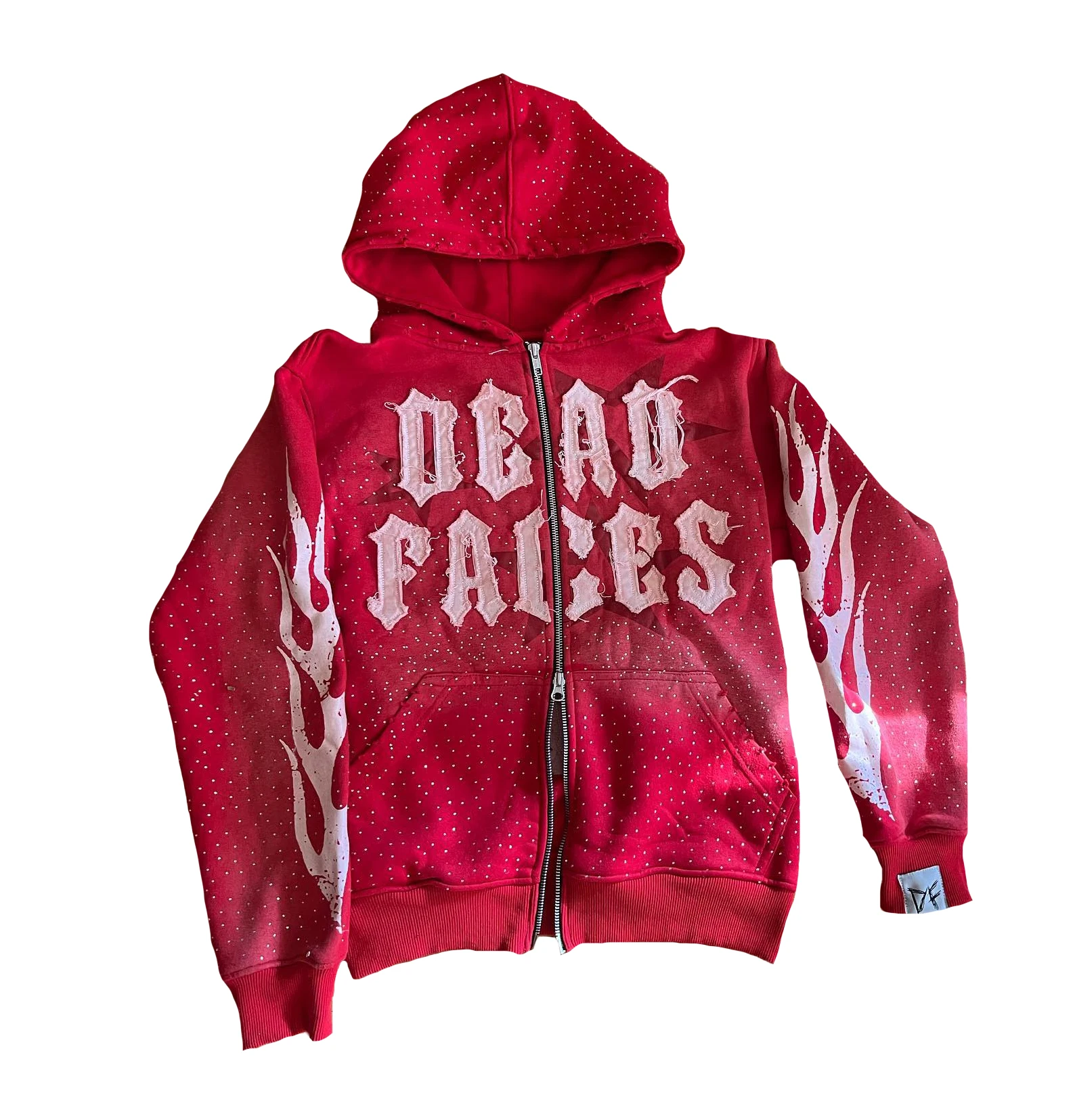
Introduction: The Ubiquity of the Hoodie as Branding Medium
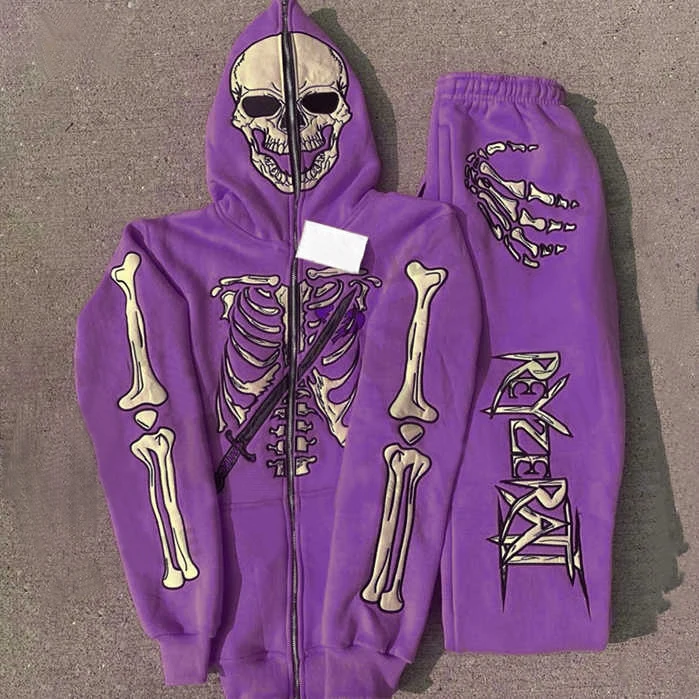
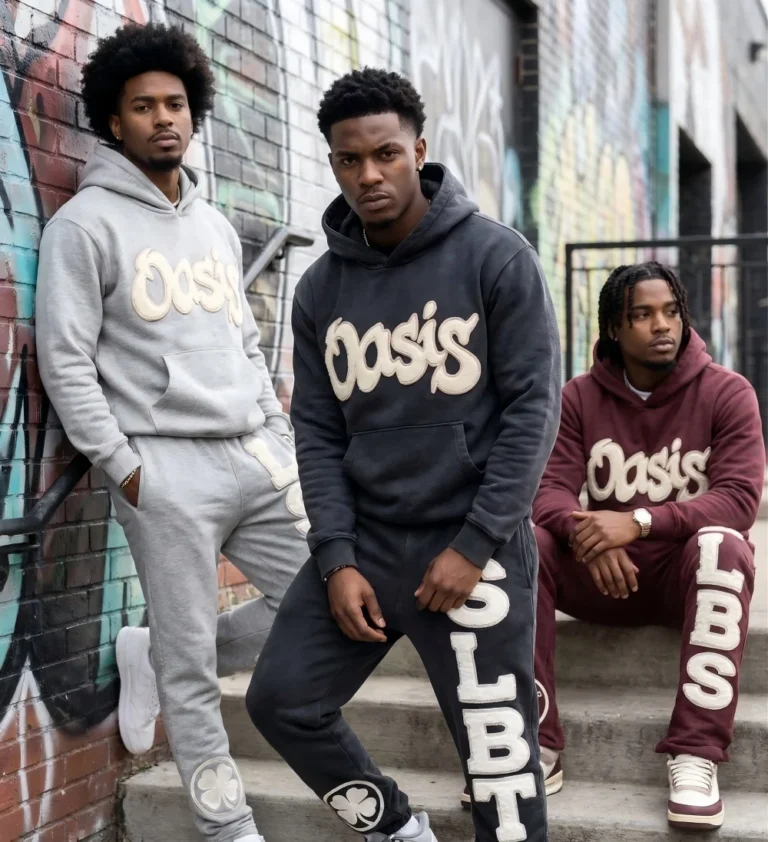
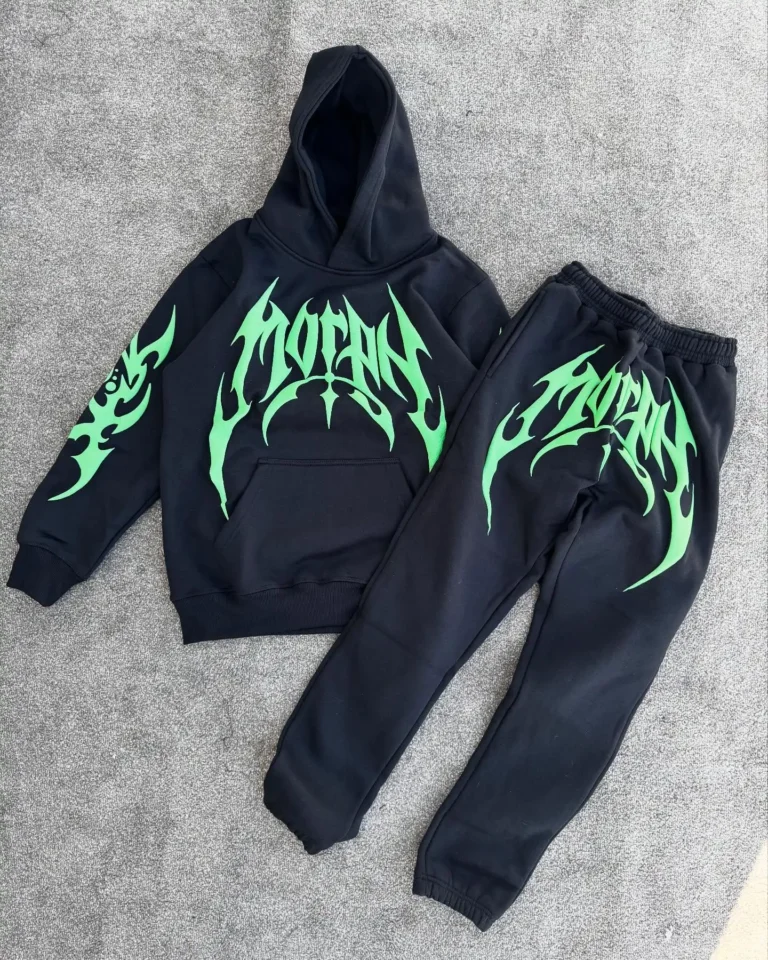
The hoodie has transcended its athletic origins to become a universal garment. It serves as casual wear, team uniform, promotional merchandise, and streetwear statement. For brands, organizations, and individuals seeking to emblazon a logo or design upon apparel, the custom hoodie offers an expansive canvas and enduring utility. The question of where to purchase custom hoodies, however, admits no single answer. The optimal source depends upon volume, budget, timeline, and the degree of customization required. This article examines the landscape of custom hoodie procurement, from print-on-demand platforms to direct manufacturer relationships.
Defining the Custom Hoodie
Blank Versus Cut-and-Sew Construction
Custom hoodies originate from two distinct production models. The first involves purchasing blank garments—finished hoodies devoid of branding—and applying decoration through embroidery, screen printing, or other methods. The second involves cut-and-sew manufacturing, in which the hoodie is constructed from raw fabric according to the buyer’s specifications. Cut-and-sew offers greater control over fit, fabric, and construction but demands higher minimums and longer lead times.
The Spectrum of Customization
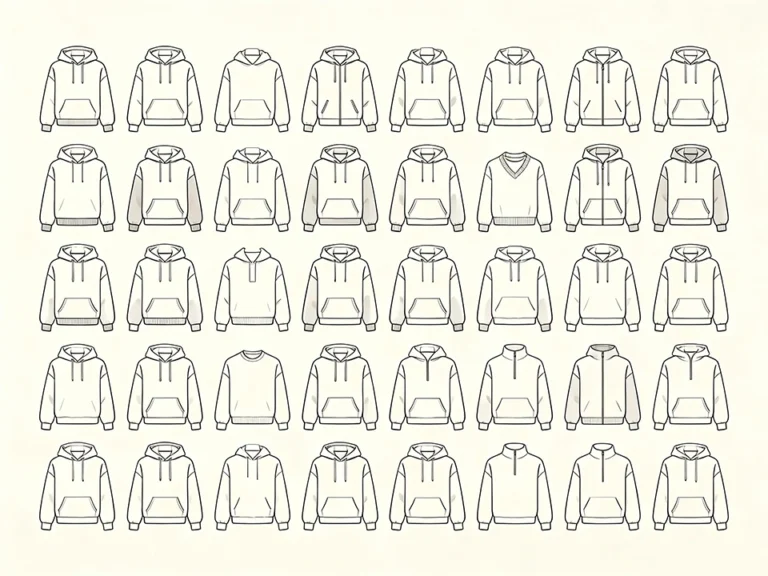
Customization spans a continuum. At one extreme, a single-color logo applied to a stock blank constitutes minimal customization. At the other, fully bespoke garments feature custom-milled fabric, unique patterns, branded hardware, and private-label packaging. Most buyers occupy a middle ground, seeking a balance between differentiation and cost.
The Print-on-Demand Model
How POD Works: On-Demand Fulfillment
Print-on-demand platforms produce garments only after an order is placed. The customer selects a design, the platform prints or embroiders it onto a blank hoodie, and the finished product ships directly. This model eliminates inventory risk and requires no upfront investment in stock.
Leading POD Platforms Compared
Several platforms dominate the POD landscape. Printful is widely regarded as the premium option, offering consistent quality and a broad product range suitable for brand building. Printify provides access to multiple suppliers within a single network, allowing buyers to compare prices and production locations, though quality varies by partner. CustomCat positions itself as a budget-friendly alternative, ideal for margin-sensitive sellers. Apliiq specializes in branding and private-label aesthetics, enabling relabeling and fashion-forward presentation. For European sellers, Inkthreadable and Two Fifteen offer regional fulfillment with reduced cross-border complications.
Advantages and Limitations for Brands
POD excels for testing designs, fulfilling small orders, and avoiding inventory. However, unit costs are typically higher than bulk manufacturing, and customization options—fabric, fit, labels—are constrained by the platform’s catalog. Brands seeking distinctive garments with custom labels and hardware will eventually outgrow POD.
Bulk and Wholesale Custom Hoodie Suppliers
Domestic Screen Printers and Embroiderers
Local print shops and embroiderers serve buyers who need moderate quantities with quick turnaround. These suppliers typically work with blank garments sourced from distributors such as SanMar or S&S Activewear. They excel at small-to-medium runs, offer personalized service, and eliminate overseas shipping delays. For corporate gifts, team uniforms, and event merchandise, domestic suppliers remain a pragmatic choice.
Corporate and Team Apparel Specialists
Companies such as Custom Ink cater specifically to schools, sports teams, and businesses. They provide design tools, mockup services, and volume discounts. Minimums are typically low—often six pieces—and turnaround ranges from three to ten days depending on the service level. These platforms simplify the ordering process but offer limited control over garment specifications.
Direct Manufacturer Sourcing: The OEM/ODM Pathway
Why Manufacturers Offer Lower Unit Costs
Direct sourcing from manufacturers eliminates intermediaries. Factories in China, Vietnam, and other production hubs offer per-unit prices substantially below domestic print shops, particularly at volume. A basic custom hoodie from a Chinese manufacturer may cost $5 to $15, compared to $25 or more from a domestic POD platform.
The Trade-Offs: MOQs, Lead Times, Communication
The lower prices of direct sourcing come with conditions. Minimum order quantities typically range from 30 to 100 pieces per style, though some factories offer lower thresholds. Lead times span 15 to 40 days for production plus shipping. Communication across time zones and languages requires patience and precision. Buyers must provide detailed specifications to avoid costly misunderstandings.
China’s Apparel Manufacturing Clusters
Guangdong: Guangzhou, Dongguan, Shenzhen
Guangdong province is the epicenter of China’s custom apparel manufacturing. Guangzhou excels in rapid prototyping and low-MOQ flexibility, making it ideal for startups. Dongguan, often called China’s apparel manufacturing capital, hosts large-scale factories with sophisticated quality control systems. Shenzhen combines manufacturing capacity with proximity to logistics infrastructure.
Fujian and Zhejiang: Complementary Capabilities
Fujian province, particularly Quanzhou, has emerged as a center for technical innovation in digital printing and fabric engineering. Zhejiang, home to Ningbo, offers strong knitwear production and export experience. Buyers may find that different regions specialize in different garment types and decoration methods.
Evaluating Custom Hoodie Manufacturers
Technical Capacity and Decoration Methods
A manufacturer’s value lies in its ability to execute the intended decoration. Embroidery requires Tajima or Barudan machines and skilled operators. Screen printing demands color-matching expertise and drying capacity. DTG and sublimation require specialized equipment and fabric-compatible inks. Buyers should request samples demonstrating each method before committing to production.
Operational Reliability Metrics
Response time, on-time delivery rate, and reorder rates indicate supplier health. A response time under six hours suggests active customer service. On-time delivery above 90% reflects supply chain stability. Reorder rates above 20% signal customer satisfaction—buyers return to suppliers who perform.
Communication and Transaction Security
Clear communication prevents errors. Suppliers who provide digital mockups within 24 hours and accept vector files demonstrate professionalism. Secure payment methods, such as Alibaba Trade Assurance or milestone-based payments, protect buyers from non-delivery or quality failures.
Fabric Selection for Custom Hoodies
Cotton, Blends, and Fleece
Fabric composition determines comfort, durability, and print adhesion. Common blends include 80% cotton / 20% polyester for softness and shrink resistance, or 100% ring-spun cotton for premium hand feel. Fleece and sherpa linings provide warmth for winter markets.
GSM and Seasonal Suitability
Fabric weight, measured in grams per square meter, correlates with warmth and durability. Lightweight options (250–300 GSM) suit mild climates. Midweight (300–360 GSM) offers year-round versatility. Heavyweight (400–500 GSM and above) provides premium structure and insulation for cold-weather markets.
Sustainable and Organic Options
Environmentally conscious buyers may seek organic cotton, recycled polyester, or OEKO-TEX certified fabrics. These materials command premium prices but align with growing consumer demand for ethical production.
Decoration Techniques: A Comparative Analysis
Embroidery: Durability and Prestige
Embroidery stitches thread directly into the fabric, creating a raised, tactile design. It survives more than 100 wash cycles, far exceeding the durability of printed alternatives. Embroidery suits logos, monograms, and simple graphics. Complex gradients and fine details do not translate well.
Screen Printing: Vibrancy and Scale
Screen printing applies ink through a mesh stencil. It excels at bold, flat colors and large graphics. Setup costs—screen creation and color separation—make it less economical for small runs, but per-unit costs decline sharply at volume. Plastisol inks offer opacity and durability; water-based inks provide a softer hand.
DTG and DTF: Flexibility and Detail
Direct-to-garment printing functions like an inkjet printer for fabric. It accommodates photographic imagery, complex gradients, and full-color designs without setup fees. DTG works best on cotton-heavy fabrics. Direct-to-film (DTF) offers similar flexibility with broader fabric compatibility.
Heat Transfer, Sublimation, and Specialty Effects
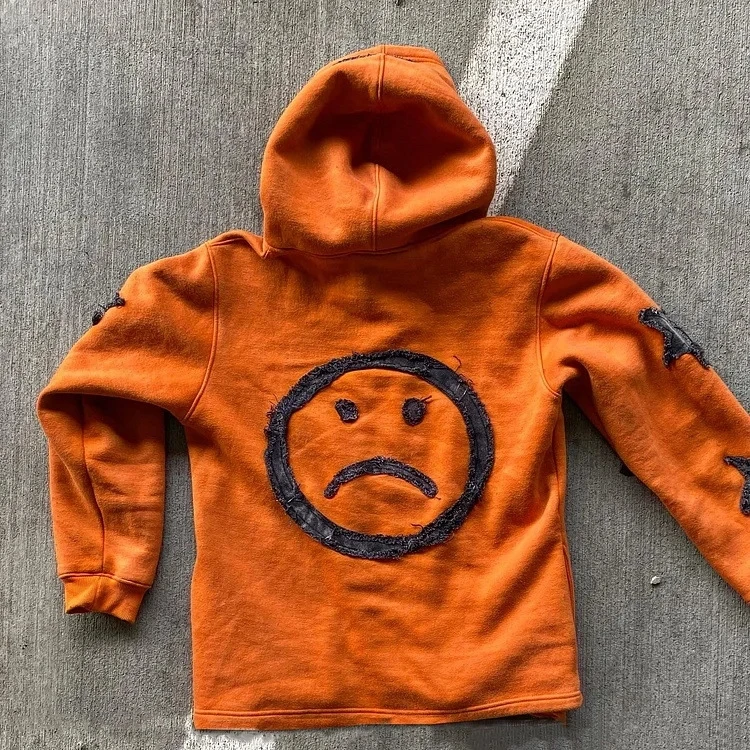
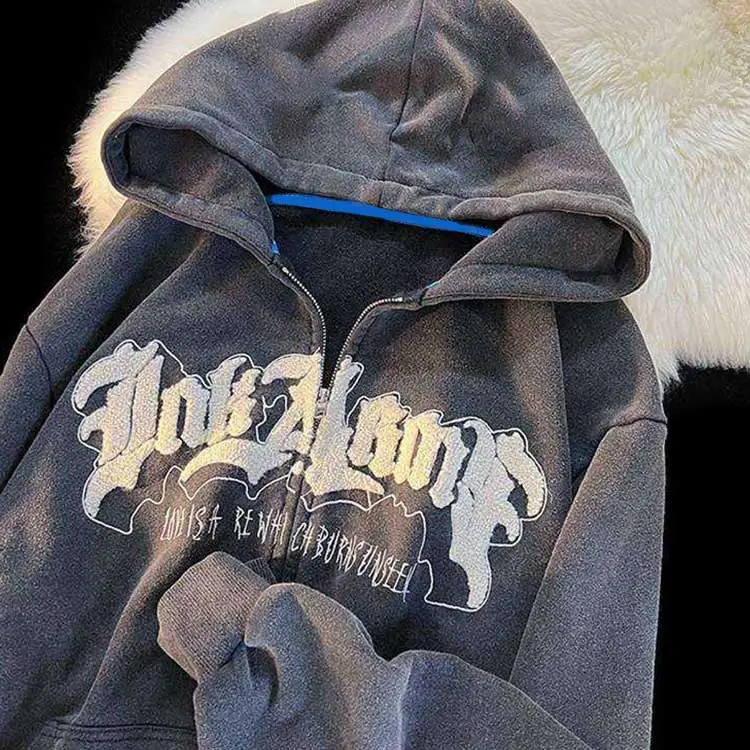
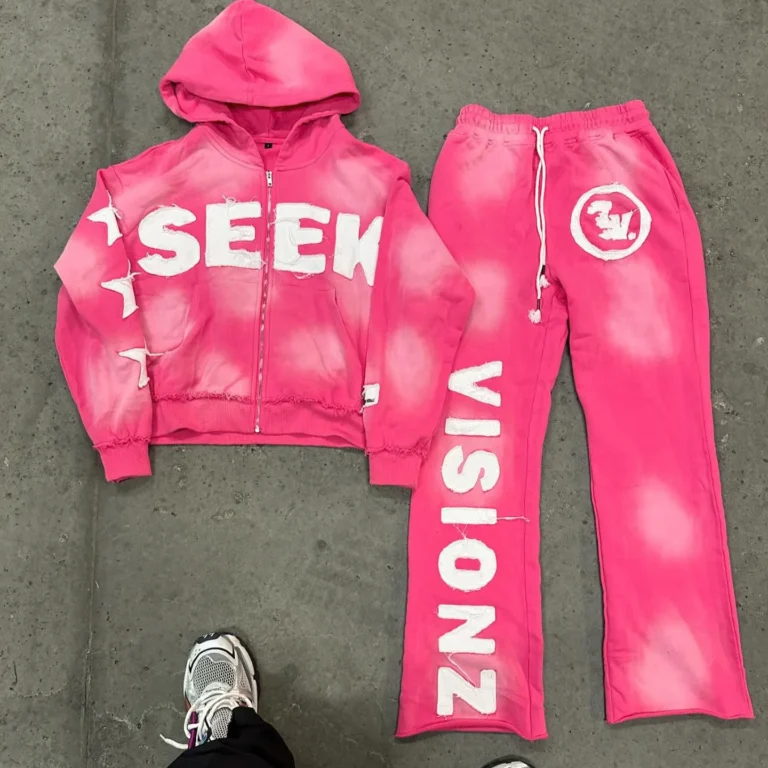
Heat transfer applies pre-printed designs via heat and pressure. Sublimation gasifies ink into synthetic fabrics, producing all-over prints. Puff printing adds dimensional texture. Chenille patches evoke varsity aesthetics. The choice depends on the design and the desired effect.
Minimum Order Quantities: The Startup Barrier
The Tyranny of High MOQs
Traditional factories often demand 500 or more units per style. For startups, this commitment ties up capital and risks unsold inventory. High MOQs favor established brands with proven demand.
Negotiating Low Minimums
Some suppliers offer starter quantities—30 to 100 pieces—at higher per-unit prices. Negotiation is possible, particularly when a buyer demonstrates a credible growth plan or commits to repeat orders.
No-MOQ and Low-MOQ Suppliers
Several manufacturers now advertise no minimum or flexible minimums. Ninghow, for example, offers no MOQ on stock camo patterns and flexible thresholds for custom designs. Qianshiwear accepts orders as low as 50 pieces per style. These suppliers cater to startups and small brands.
Pricing Structures and Cost Drivers
Unit Cost Components: Fabric, Labor, Decoration
The cost of a custom hoodie comprises fabric, labor, decoration, and overhead. Fabric typically accounts for 40–60% of the total. Decoration adds cost depending on complexity: a single-color screen print is inexpensive; multi-color embroidery with metallic threads is not.
Volume Tiers and Breakpoints
Pricing follows volume tiers. A buyer purchasing 50 units pays more per unit than one purchasing 500. Understanding breakpoints allows buyers to optimize order sizes.
Hidden Costs: Setup, Sampling, Shipping
Setup fees, sampling costs, and shipping charges can surprise inexperienced buyers. Sample costs range from $20 to $80, often refundable with bulk orders. Shipping costs vary by method and destination; courier services may cost $3 per hoodie, while ocean freight reduces to $1 per unit.
Sampling and Prototyping
The Importance of Pre-Production Samples
Samples reveal fit, construction, and decoration quality. They expose issues—color inaccuracy, poor stitching, print misalignment—before bulk production. Buyers should insist on physical samples and approve them in writing.
Mockup Services and Digital Approvals
Many suppliers provide digital mockups within 24 hours of receiving artwork. Mockups verify placement, scale, and color. They are not substitutes for physical samples but accelerate the approval process.
Quality Control and Assurance
AQL Standards and Defect Classification
Acceptable Quality Limit (AQL) standards define tolerable defect rates. Defects are classified as critical, major, or minor. Critical defects—non-functioning zippers, significant stains—render garments unsellable. Buyers should specify AQL levels in purchase agreements.
Pre-Shipment Inspections
Third-party inspections verify quantity, quality, and specifications before shipment. They catch defects before they cross borders, avoiding costly returns.
Packaging, Labeling, and Private Branding
Custom Labels and Hangtags
Woven neck labels, printed care labels, and hangtags transform a generic hoodie into a branded product. Suppliers offer label customization as part of OEM services.
Retail-Ready Packaging
Polybags, custom boxes, and branded packaging enhance perceived value. Retailers often have precise packaging requirements; compliance prevents chargebacks.
Logistics and Fulfillment
Shipping Methods and Cost Trade-Offs
Sea freight is economical but slow, typically 20–40 days. Air freight is faster but costlier. Courier services (DHL, FedEx, UPS) balance speed and cost for smaller shipments. The choice depends on urgency and volume.
Incoterms and Customs Documentation
Incoterms define buyer and seller responsibilities. FOB, EXW, and DDP are common. Customs documentation—commercial invoices, packing lists, certificates of origin—must be accurate to avoid delays.
Common Pitfalls in Custom Hoodie Sourcing
Underestimating Sample Cycles
New buyers often expect a single sample to suffice. In reality, two or three rounds are common, particularly for complex designs. Budgeting time and money for iterations prevents disappointment.
Ignoring Color Matching Standards
Colors appear differently across fabrics, lighting conditions, and print methods. Pantone matching ensures consistency. Buyers should provide Pantone references and request color approval before production.
Overlooking Reorder Consistency
A reorder may not match the original shipment if the supplier changes fabric lots, dye batches, or decoration parameters. Establishing quality standards and retaining approved samples mitigates this risk.
Building Long-Term Supplier Relationships
Volume Commitments and Loyalty Pricing
Suppliers reward loyalty with better pricing and priority scheduling. Buyers who commit to annual volume or repeat orders often secure advantageous terms.
Collaborative Product Development
Some suppliers collaborate with buyers to develop exclusive fabrics, fits, or decoration techniques. These partnerships yield differentiated products that competitors cannot easily replicate.
The Future of Custom Hoodie Manufacturing
Digital Printing and On-Demand Integration
Digital printing continues to advance, enabling smaller batches, faster turnaround, and greater design complexity. On-demand production models, once confined to POD platforms, are migrating to manufacturer-direct channels.
Sustainable Materials and Circular Production
Recycled fibers, organic cotton, and waterless dyeing are gaining traction. Take-back programs and circular design principles appeal to environmentally conscious consumers and regulators.
Conclusion: Strategic Selection for Brand Success
The question of where to buy custom hoodies yields answers as varied as the buyers who ask it. Print-on-demand platforms offer simplicity and zero inventory risk. Domestic printers provide speed and personalized service. Direct manufacturer sourcing delivers lower costs at the price of higher minimums and longer lead times. The optimal choice depends upon volume, budget, timeline, and the degree of customization required. For startups, a staged approach—beginning with POD or low-MOQ suppliers, then transitioning to direct manufacturing as demand grows—balances risk and reward. For established brands, cultivating relationships with reliable factories yields consistent quality and competitive pricing. In all cases, the principles remain constant: sample rigorously, verify quality, communicate clearly, and plan for reorders. The hoodie is a durable, versatile garment. Sourcing it well is a strategic act.