Introduction: The Quality Imperative
The search for a high-quality custom hoodie is not a simple transactional exercise. It is a strategic endeavor that demands a discerning eye, a methodical approach, and a willingness to look beyond the surface-level promises of price and convenience. The difference between a hoodie that endures and one that disintegrates after a few washes lies not in the marketing copy but in the fabric’s provenance, the integrity of the construction, and the rigor of the manufacturing partner’s quality control protocols. This guide delineates the pathways to sourcing superior custom hoodies, providing a framework for evaluating suppliers, understanding the anatomy of quality, and avoiding the common pitfalls that plague first-time buyers.
Deconstructing Quality: The Anatomy of a Superior Hoodie
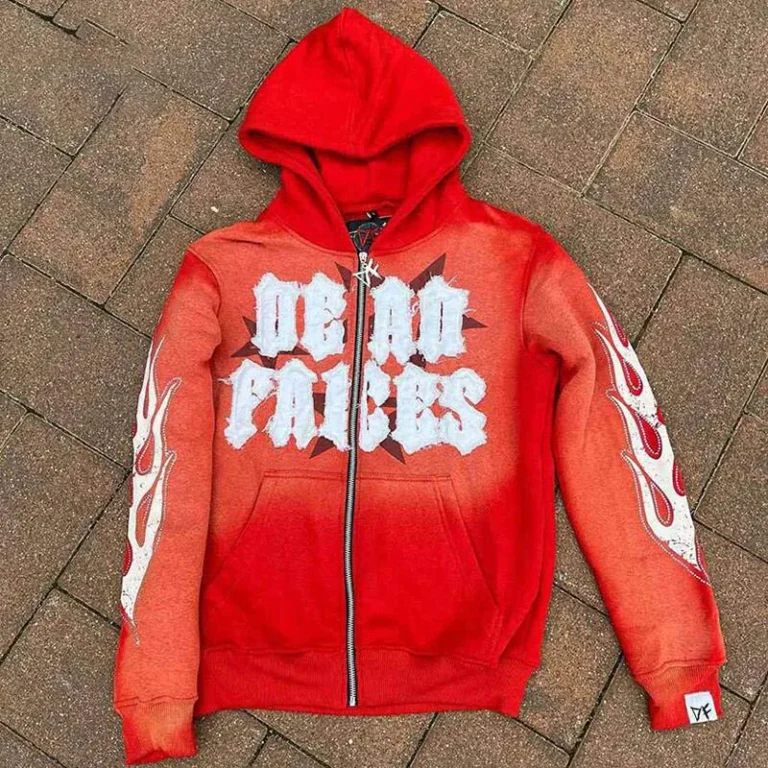
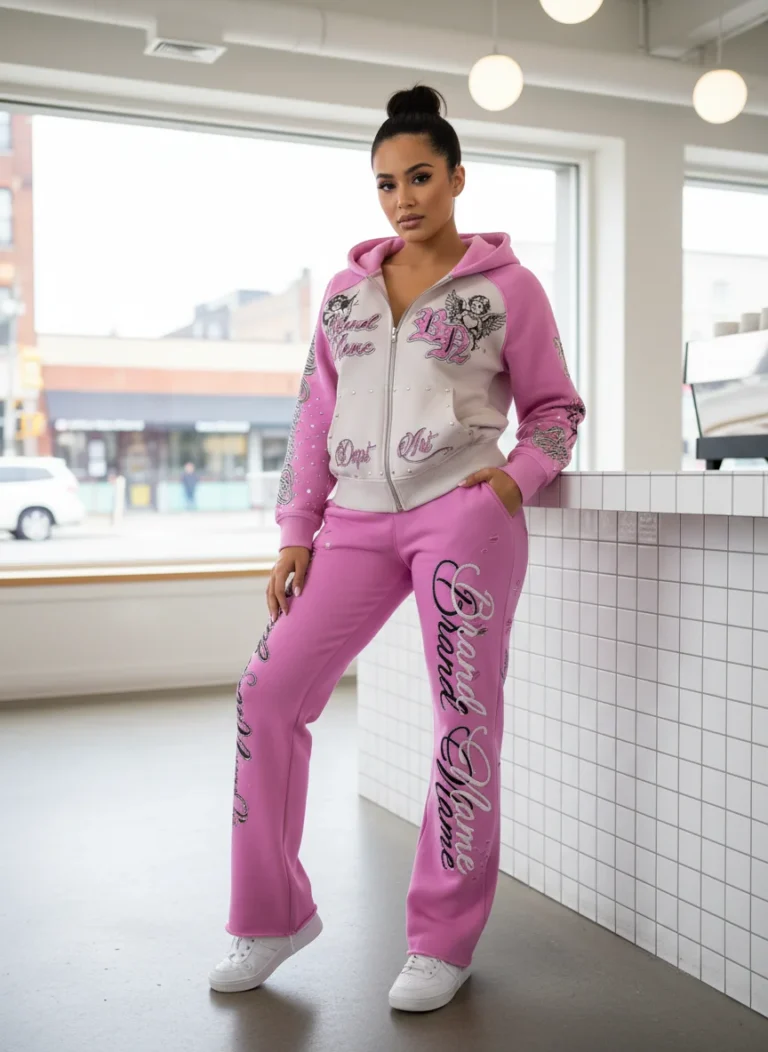
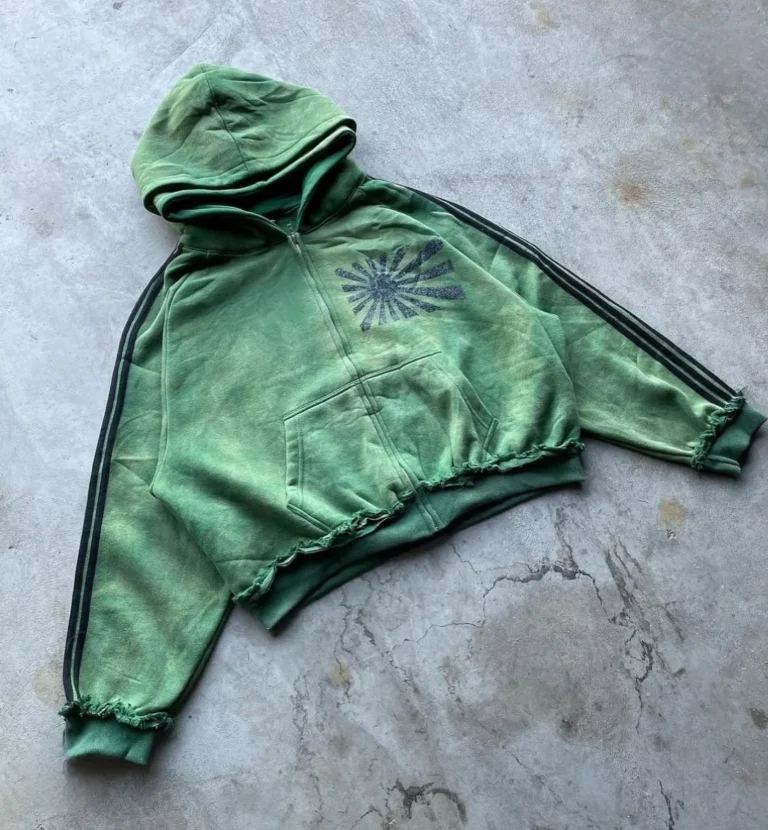
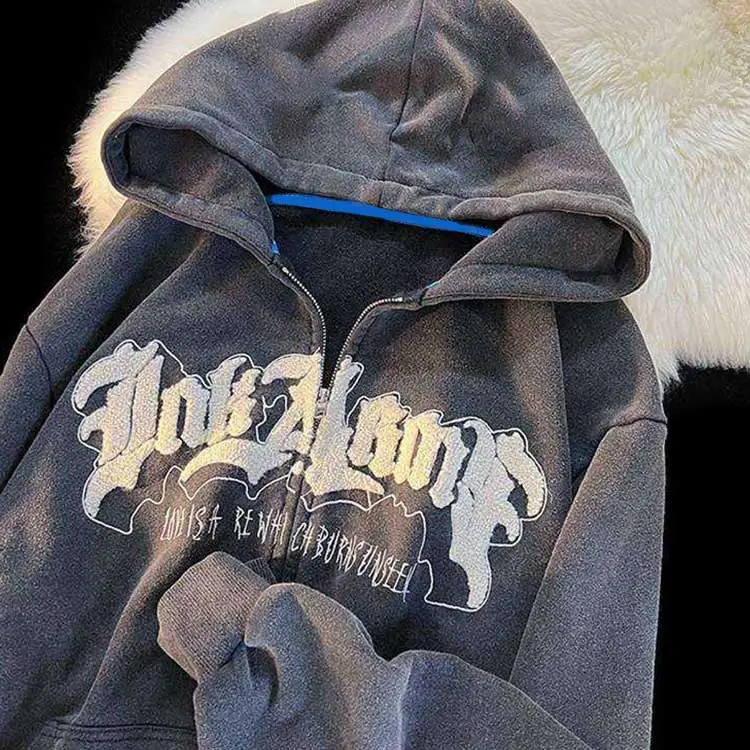
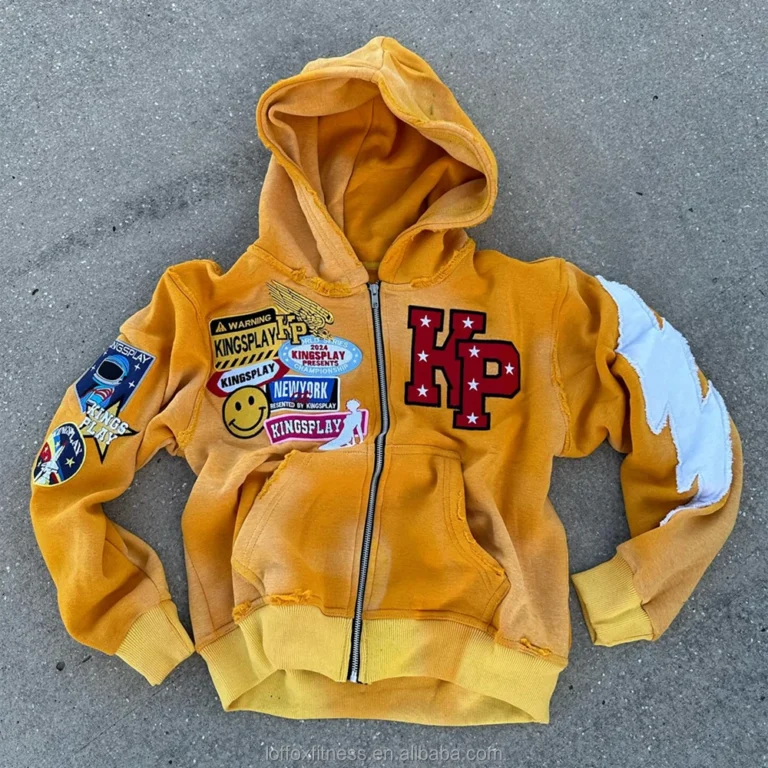
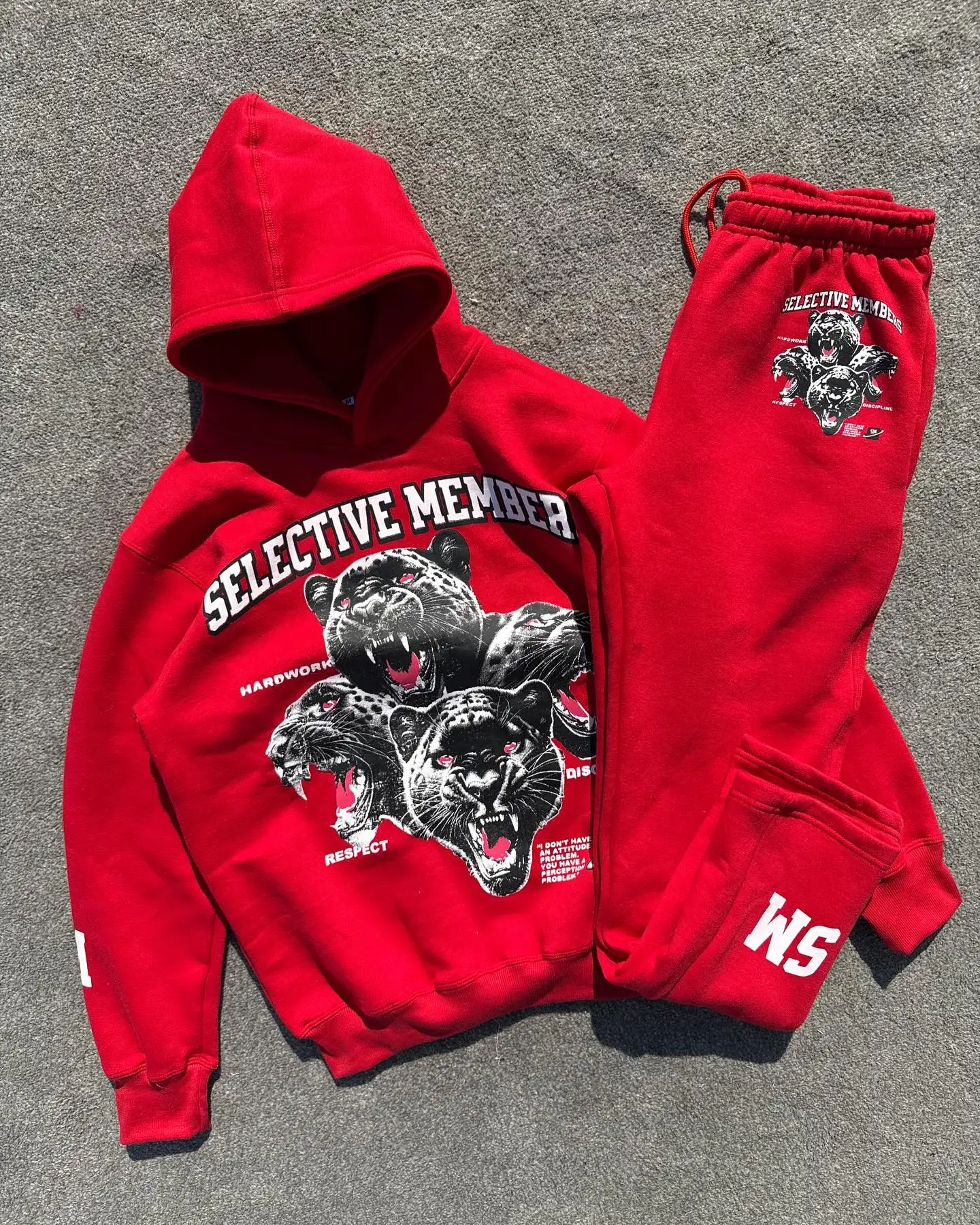
Quality in a custom hoodie is a composite attribute, assembled from the fabric’s weight and composition, the precision of its stitching, and the durability of its decoration. The fabric’s weight, measured in grams per square meter (GSM), is the primary determinant of the garment’s drape, warmth, and resilience. A standard 280–320 GSM cotton-poly blend represents the baseline for everyday wear, while premium streetwear brands favor heavyweight fleece in the 400–650 GSM range for its structured, retail-quality feel . The composition further refines the hand-feel: 100% cotton offers superior breathability and print adhesion, while a cotton-polyester blend enhances durability and color retention. The stitching must be examined for density and uniformity; a quality hoodie employs double-needle stitching at stress points and consistent thread tension throughout. The decoration method must align with the garment’s intended use, with embroidery offering the most durable finish for logos and screen printing providing vibrancy for larger designs.
The Print-on-Demand Platform: Accessibility and Its Limits
For individuals and creators testing a design concept without financial risk, print-on-demand platforms offer the most accessible entry point. Printful, Printify, and Teespring (now Spring) are among the most prominent options, each with distinct strengths in pricing, branding tools, and quality . Printful is regarded as the premium choice for creators focused on quality, offering high-quality printing, a wide product range, and fast delivery . Printify connects buyers to multiple suppliers, providing budget-friendly flexibility for resellers . Teespring offers a simplified platform ideal for merchandise drops and influencers . The limitation of these platforms is the constrained control over the base garment; the fabric weight, composition, and construction are predetermined by the supplier’s catalog. Decoration is typically restricted to DTG or heat transfer, and the per-unit cost remains elevated because setup costs are absorbed by each individual order.
The Bulk Sourcing Platform: Custom Ink and Beyond
For schools, sports teams, corporate gifting, and other group orders, bulk sourcing platforms provide a reliable balance of quality, consistency, and service. Custom Ink is the recognized leader for bulk orders, offering great service and fast delivery with a minimum order of six pieces and a lead time of seven to ten days . Vistaprint, known primarily for business print products, now offers apparel at scale with a five-piece minimum and a ten-to-fourteen-day lead time . RushOrderTees specializes in last-minute orders, with turnaround as fast as three days . These platforms offer volume-based pricing, loyalty discounts, and tax-exempt purchasing for schools and nonprofits . However, for brands seeking proprietary fabrics, custom labels, and fully bespoke construction, these platforms represent a compromise rather than an ideal.
The Direct Manufacturer: The Pathway to True Quality
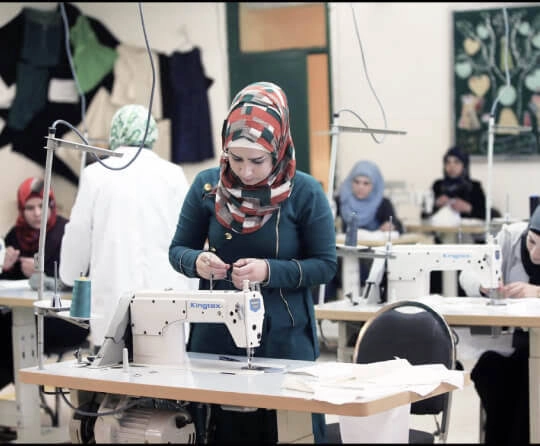
The most discerning buyers—those who demand control over every aspect of the garment—will find their ideal partner among direct manufacturers, particularly those in China’s specialized production clusters. These factories offer vertically integrated operations that manage everything from fabric sourcing and dyeing to cutting, sewing, and advanced decoration under one roof . This integration reduces lead times, improves quality control consistency, and enables a level of customization that platform-based services cannot match.
The Guangdong Advantage
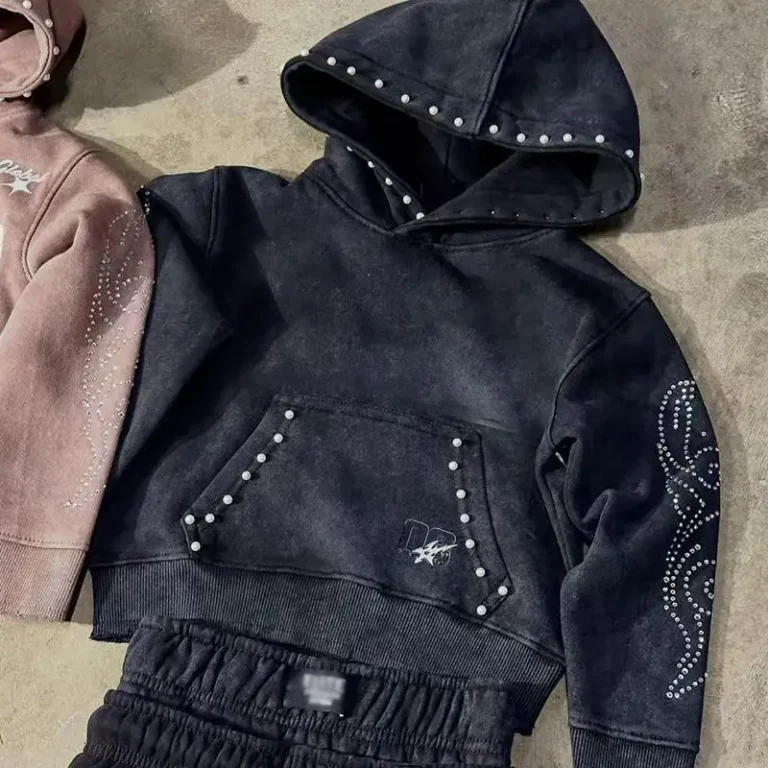
Guangdong Province, encompassing the industrial hubs of Guangzhou, Dongguan, and Zhongshan, is the epicenter of premium hoodie manufacturing. The region’s mature supply chains and extensive experience in knitted garments make it ideal for complex designs requiring precise stitching, embroidery, or specialty washes . Guangzhou-based Qianshiwear exemplifies the premium tier, offering heavyweight luxury rhinestone hoodies and 400 GSM spliced zip-up hoodies with complex cross-zipper embroidery . Their MOQ of 50 pieces per color per design is designed to accommodate startups and limited-edition drops, and their sampling process takes five to seven working days . The company emphasizes controlled production for consistent stone placement and offers full private-label programs with custom neck labels, wash labels, and packaging .
Heavyweight Specialists
For brands targeting the premium streetwear market, the fabric weight is a defining attribute. MHQ Hoodies, based in Guangdong, specializes in authentic heavyweight fabrics ranging from 400 to 650 GSM . Their offerings include 460–470 GSM 100% cotton fleece and 580–600 GSM French terry, with price points from $17 to $19 for 400 GSM and higher for heavier weights . The factory offers comprehensive OEM and private-label customization, including custom drawstrings, metal or rubber cord ends, embossed buttonholes, and a choice of fit profiles from relaxed drop-shoulder to regular . Their MOQ is 100 pieces per color and design, including six to eight sizes .
The Ultra-Low MOQ Innovators
For emerging brands seeking to test the market with minimal inventory risk, several manufacturers have eliminated the traditional barriers. Ninghow, established in Shenzhen in 1998, operates a 10,000-square-meter factory with over 300 skilled workers and offers no strict minimum order quantity—orders as few as ten pieces are accepted . Their fabric weight range spans 260–350 GSM, and they support embroidery, screen printing, heat transfer, and silicone patch decoration . The factory provides mockups within 24 hours and samples in seven to ten days, with bulk production of two to four weeks .
The Versatile Mid-Tier
Xiamen Doveark Garments, based in Fujian, represents a balanced option for brands seeking cost-effectiveness without sacrificing quality. Their price range of $6.99 to $12.49, with a sample MOQ of two pieces, offers a middle path between the ultra-low-cost commodity suppliers and the premium specialists . The Fujian region is known for advanced digital sublimation and French terry fabric processing, making it suitable for fashion-forward streetwear lines .
Evaluating Suppliers: Metrics That Matter
Selecting a manufacturing partner requires more than comparing price tags. Several operational metrics provide objective insight into a supplier’s reliability and quality consistency.
On-Time Delivery Rate
This metric reflects the factory’s production planning and supply chain stability. A rate above 95% is expected, with top performers achieving 97% to 100% . A consistent 100% rate, such as that achieved by Wdibetter (Shenzhen), signals strong internal coordination .
Response Time
Rapid response indicates active customer service and engagement. Suppliers responding within two to four hours are typically more proactive, with top-tier factories replying in under one hour . Nanchang Tengcai Clothing, for example, maintains a response time of one hour or less .
Reorder Rate
A reorder rate above 25% reflects customer satisfaction, as it indicates buyers are returning for additional production runs . iGift Company Limited stands out with a 40% reorder rate, suggesting consistent performance in quality and communication .
Certifications
Formal certifications provide independent verification of a manufacturer’s commitment to quality, safety, and ethical practices. Buyers should prioritize suppliers holding ISO 9001 (quality management), BSCI (ethical labor), WRAP (social compliance), and OEKO-TEX Standard 100 (chemical safety) . The presence of these credentials signals a professional operation that adheres to international standards.
The Sampling Imperative: The Contractual Benchmark
Regardless of the supplier selected, the sampling phase is non-negotiable. A physical prototype reveals what a digital mockup cannot: the actual hand-feel of the fabric after washing, the accuracy of the fit, the placement of the decoration, and the security of the stitching. The sample serves as the contractual benchmark against which the bulk order is measured. Reputable manufacturers provide pre-production samples for approval and retain pattern data and fabric sources for future reorders, ensuring consistency across production cycles .
When evaluating a sample, buyers should conduct a wash test—washing it multiple times to check for fading, cracking, or shrinkage. The colorfastness should be assessed under natural light, and the seam strength should be tested under tension. These evaluations provide the data required to make an informed decision about the manufacturer’s capability.
Conclusion: The Partnership as a Continuum
The identification of a high-quality custom hoodie manufacturer is not a discrete event but the beginning of a collaborative relationship. The most successful partnerships are built on clear communication, mutual transparency, and a shared commitment to quality. By applying the metrics and verification protocols outlined above, a brand can navigate the global manufacturing landscape with confidence, securing a partner capable of translating its creative vision into a durable, market-ready product. The pursuit of excellence is a continuum, not a destination, and the diligent buyer treats every supplier evaluation as an opportunity to refine their standards and deepen their understanding of what quality truly means.