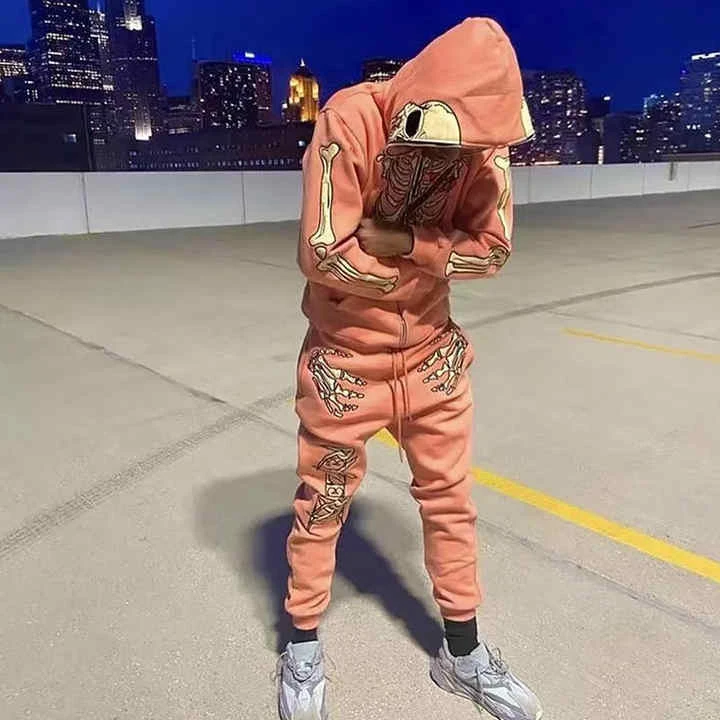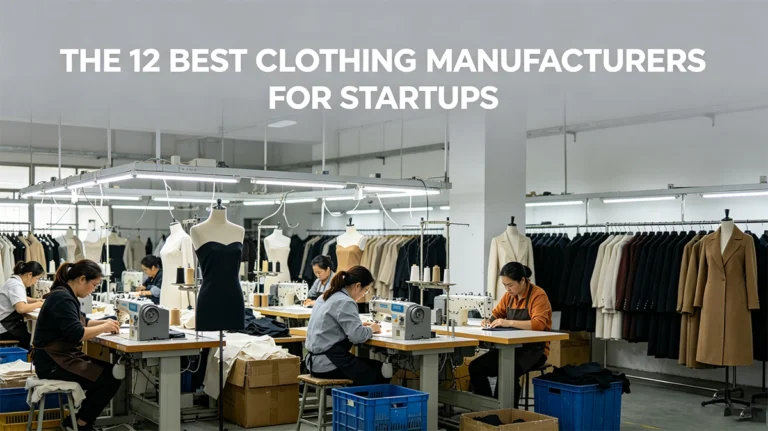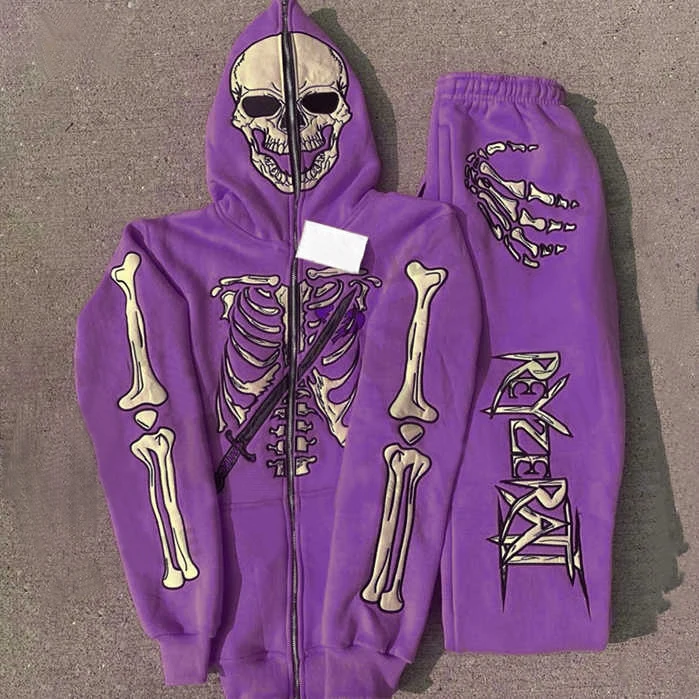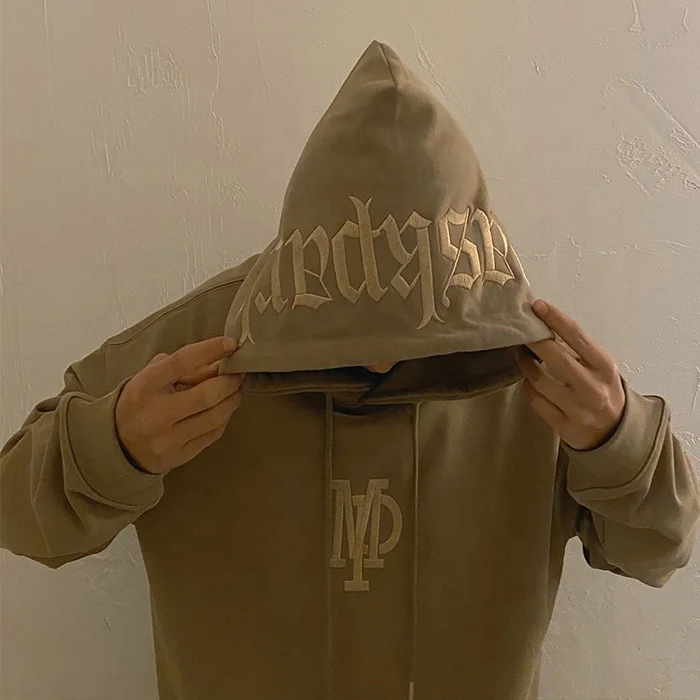
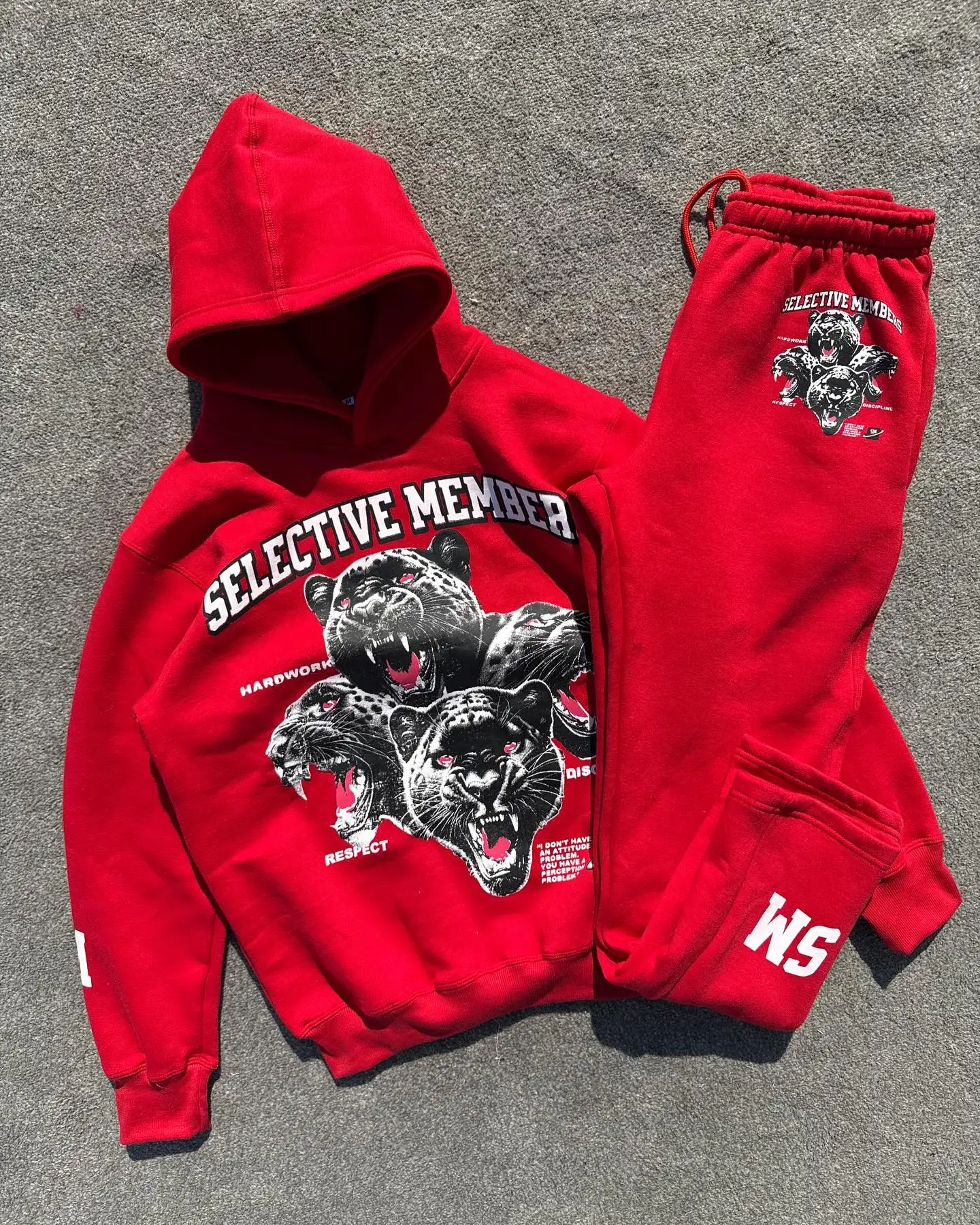
The search for a custom hoodie manufacturer begins not with a price list but with a strategic self-assessment. The optimal partner for a brand launching its first collection differs profoundly from the partner suited to an established label seeking to scale production. The pathway chosen must align with the brand’s stage, volume expectations, and the level of control desired over the final garment.
Pathway One: The Ultra-Low Minimum Route
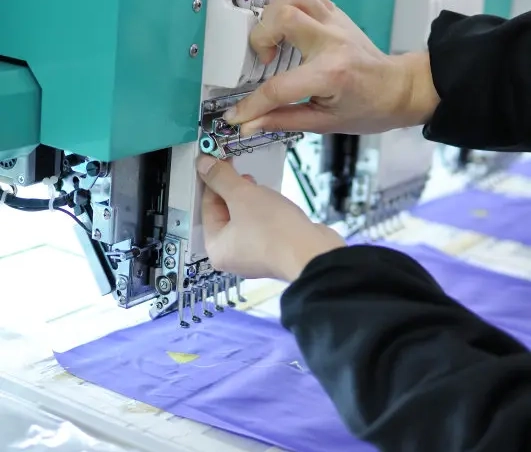
For startups, independent creators, and those testing a design concept, the most accessible entry point is a manufacturer that has eliminated the traditional barriers of bulk production. Arklavo, a U.S.-based custom apparel company, has built its model around no minimum order requirements across its entire catalog. The company has served over 13,000 businesses by allowing orders of a single embroidered hoodie or a small team run at consistent per-piece pricing, with free design assistance and digital proofs before production . Production is handled in-house using embroidery, DTG printing, and heat-press decoration, with approximately two-day shipping after order approval .
This model is designed for small businesses, company stores, employee onboarding, and event merchandise—situations where the brand needs a professional product without committing to inventory . The trade-off is limited control over the base garment, as the fabric and silhouette are predetermined by the supplier’s catalog.
Pathway Two: The Low-MOQ Manufacturing Route
For brands with a clear product vision and the resources to invest in proprietary development, engaging a manufacturer directly offers control over fabric, fit, and branding. The market has responded to the needs of emerging labels by lowering minimum order quantities to levels that were once unimaginable.
AOGU operates with a minimum order quantity of 100 pieces per color, positioning itself as a partner for brands seeking to scale at their own pace . QYOURECLO also maintains a standard MOQ of 100 pieces for custom cropped hoodies, with sampling typically requiring 7 to 10 days and bulk production of 15 to 20 days after approval . The manufacturer explicitly states that its service is designed for brands prepared to approve fabric, fit, decoration, and private-label details before production—not for one-off pieces or print-on-demand fulfillment .
For even smaller commitments, Qianshiwear offers a flexible MOQ of 50 pieces per color per design, specializing in streetwear and private-label hoodies with French terry loopback fabric and options for custom branding, washed labels, and packaging . Renrui Textile also operates from 50 pieces per color or design, with the same MOQ applying to embroidered styles .
What to Prepare Before Contacting a Manufacturer
Manufacturers consistently report that projects move faster when the buyer arrives with a comprehensive brief. The essential elements include a design or reference, target fit and size range, fabric and GSM specification, artwork and branding requirements, quantity and color plan, and target date and destination country .
A tech pack is preferred, but manufacturers can also work from clear front and back sketches, reference images, a measurement chart, or a physical sample . For brands without design resources, some manufacturers offer in-house design support to create professional tech packs and samples .
The Cost Reality
The cost of a custom hoodie varies significantly based on fabric, decoration method, and order quantity. A standard custom hoodie can cost anywhere from $12 to $70 per unit . For a single piece with a basic print, expect $25 to $40. For premium fabric with full-color or all-over printing, the cost rises to $45 to $70 .
Bulk pricing improves dramatically with volume. At 50 pieces, per-piece cost typically ranges from $20 to $30. At 500 pieces, it drops to $12 to $16. At 1,000 pieces, the cost can reach $10 to $14 . Fabric alone accounts for 40 to 50 percent of the cost, with heavyweight fleece of 380 to 450 GSM costing significantly more than standard 280 GSM blends .
Key Evaluation Metrics for Suppliers
Beyond price, several operational metrics provide objective signals of a manufacturer’s reliability. A response time under 6 hours suggests active customer service, while an on-time delivery rate above 90 percent reflects supply chain stability . Reorder rates above 20 percent indicate customer satisfaction, with top performers like iGift Company Limited achieving 40 percent .
Physical samples are indispensable. Buyers should request samples to evaluate color accuracy under natural light, wash durability, seam strength, and sizing consistency across units . Secure payment platforms such as Alibaba Trade Assurance protect against non-delivery or significant deviations from agreed specifications .
The right manufacturer is the one whose capabilities align with the brand’s current stage and future ambitions. For a first collection, a low-MOQ partner provides the flexibility to test the market. For a proven brand, a vertically integrated factory offers the efficiency and consistency required for scale.