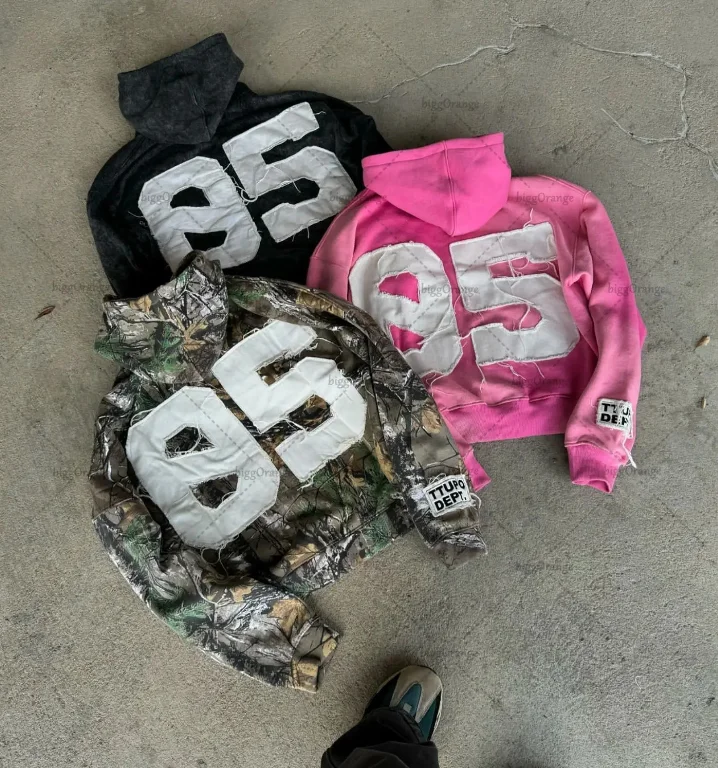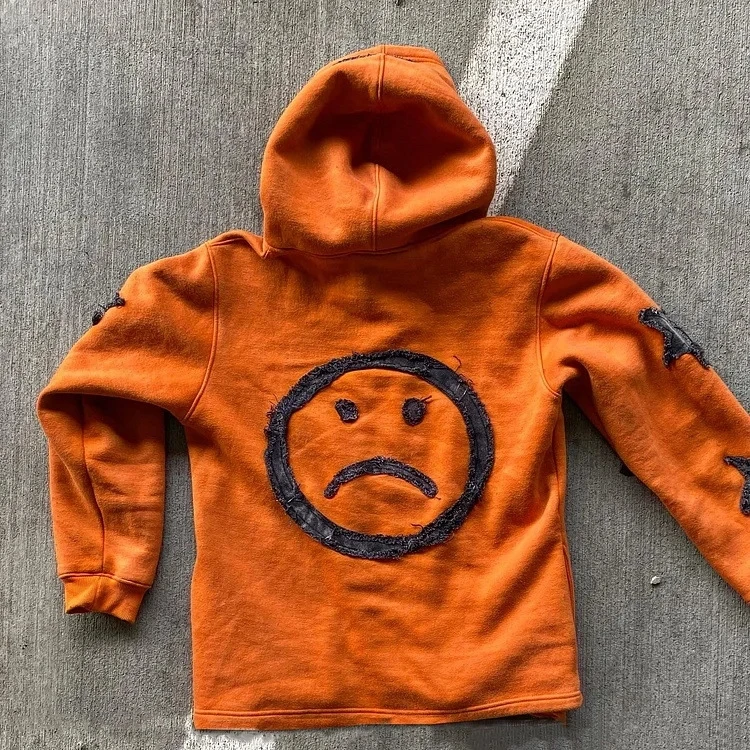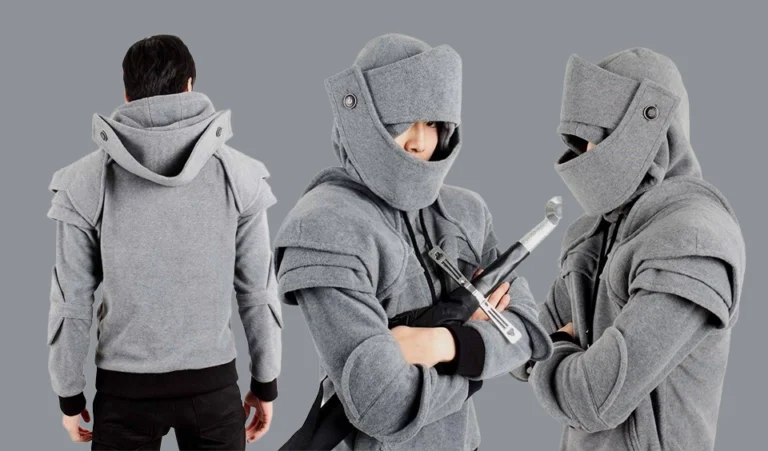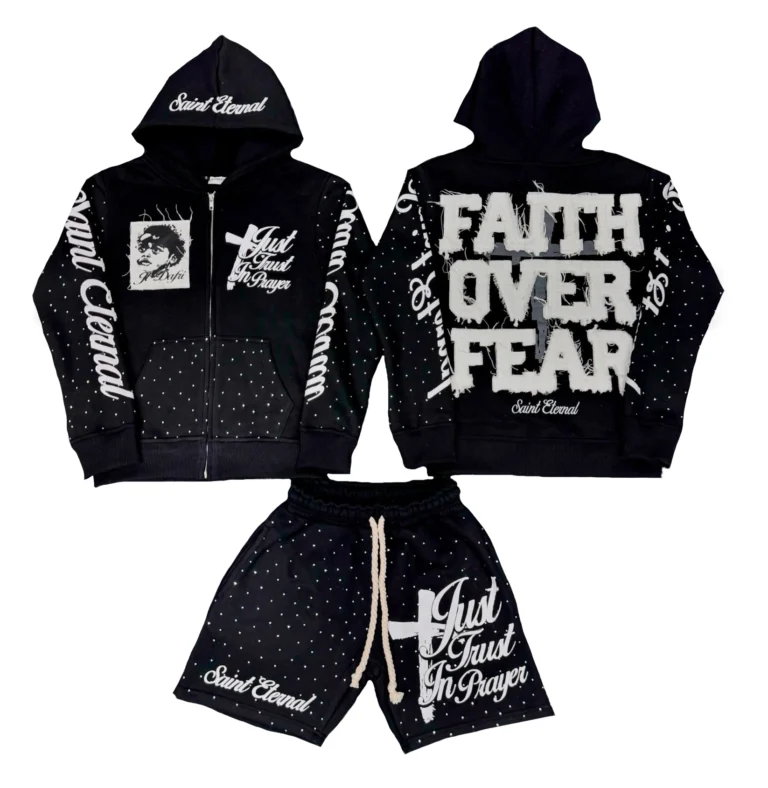
Introduction: The Hoodie as Canvas and Commodity
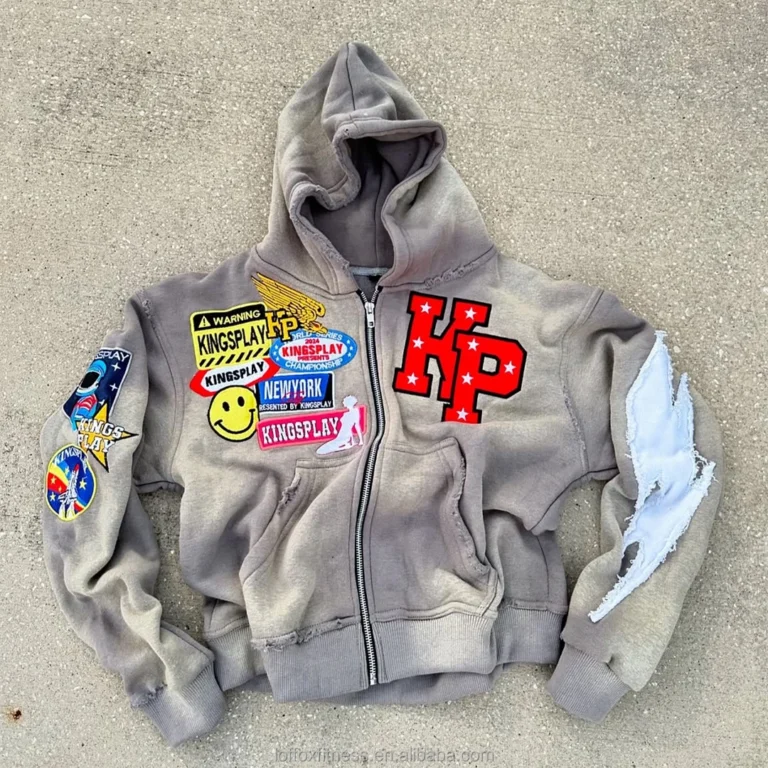
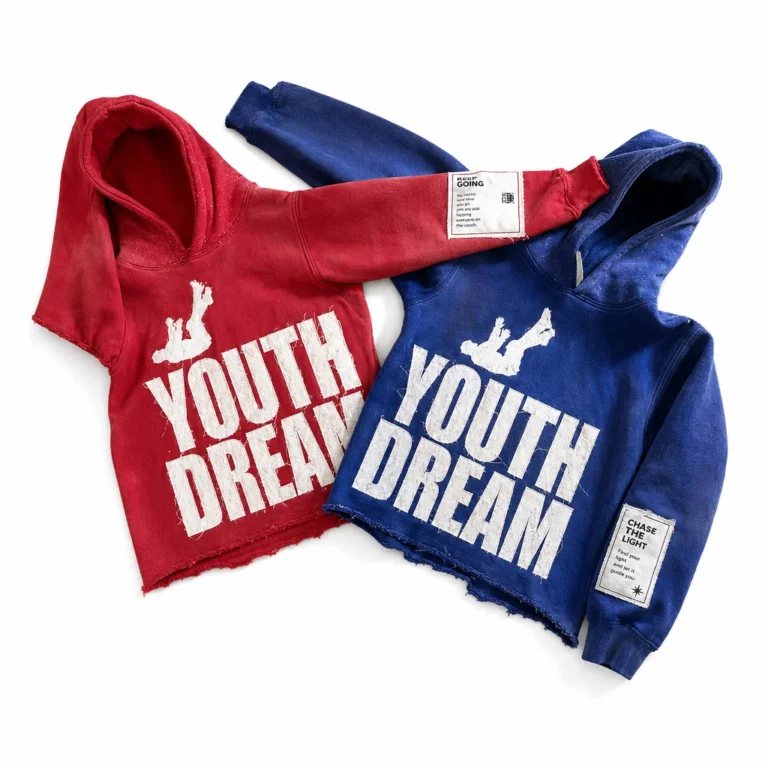
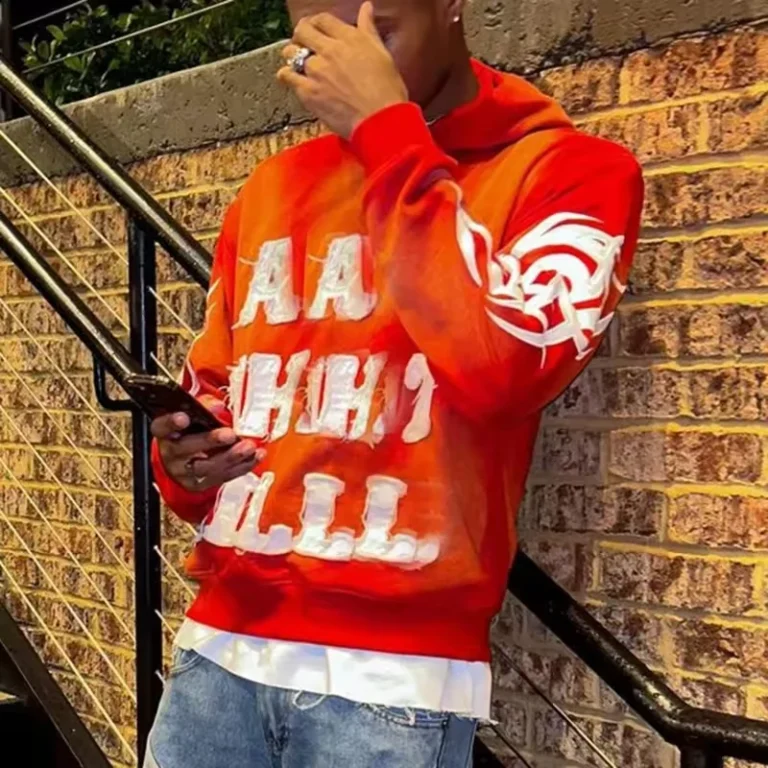
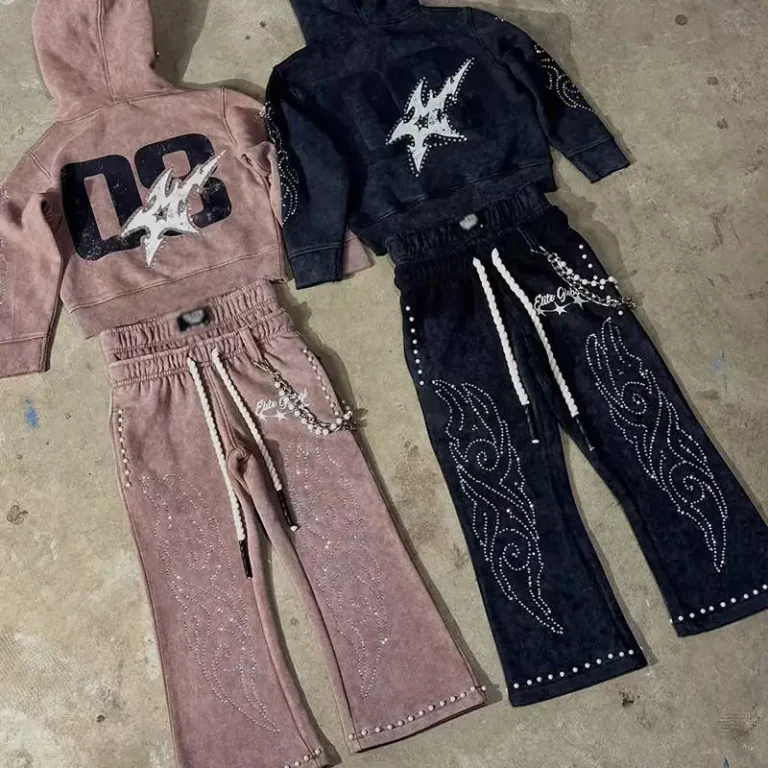
The hoodie is a garment of remarkable duality. It is at once a utilitarian staple of modern casual wear and a potent vehicle for personal expression, corporate branding, and cultural identity. To create a custom hoodie is to engage with a manufacturing ecosystem that spans from the solitary artisan wielding a heat press in a home studio to the vertically integrated factory producing thousands of units for global distribution. The pathway chosen must align with the creator’s scale, budget, and the degree of control desired over the final artifact. This guide delineates the methodologies, materials, and workflows that constitute the creation of custom hoodies, from the selection of the blank substrate to the final quality inspection.
The Foundational Decision: Decoration versus Construction
The first decision in any custom hoodie project is the selection of the pathway. Decoration involves applying a design to a ready-made blank hoodie, a process that requires modest equipment and yields professional results with minimal technical skill. Construction involves sewing a hoodie from pattern to finished garment, a more demanding endeavor that demands a sewing machine, precision cutting, and a working knowledge of garment assembly. The former is accessible to the novice and scalable to the enterprise; the latter rewards the experienced maker with absolute control over fit and fabric.
Pathway One: Selecting the Blank Hoodie
The foundation of any decorated hoodie is the blank garment itself. The choice of blank dictates the comfort, durability, and ultimate success of the project. A heavyweight fleece of at least 8 ounces per square yard is preferable, as it resists the shrinkage and distortion that can plague lighter fabrics during the heat-press process. A cotton-rich blend, ideally 80% cotton and 20% polyester, offers the optimal surface for heat transfer vinyl adhesion and the softest hand-feel against the skin. The fabric weight, measured in grams per square meter (GSM), is the primary determinant of the blank’s cost; a standard 280–320 GSM cotton-poly blend represents the baseline, while premium streetwear brands favor 380–450 GSM heavyweight fleece.
The Print-on-Demand Option for Single Pieces
For individuals and for brands testing a concept without financial risk, print-on-demand platforms offer the most accessible entry point. The model requires no inventory investment; the platform prints and ships each order as it arrives. The trade-off is control. You select from the platform’s catalog, so fabric weight, composition, and construction are predetermined by the supplier. Decoration is typically restricted to DTG or heat transfer. For a personal piece or a first market test, this suffices. For a brand seeking a distinctive hand-feel or proprietary silhouette, it is a constraint.
The Low-MOQ Manufacturing Route
For brands building a proprietary product, engaging a manufacturer directly provides control over fabric, fit, and branding that print-on-demand cannot match. The market has responded to demand from emerging labels by offering flexible minimums. MOQs now routinely start at 50 to 100 pieces per style and color. A professional manufacturer will guide the brand through the development process, from the creation of a tech pack to the approval of a pre-production sample. The sampling phase, typically lasting 7 to 15 days, is the crucible in which potential issues are identified and rectified before bulk production commences.
The Anatomy of Decoration: Methods and Their Applications
The application of a design is the defining act of customization, and the method selected must align with the order quantity, the complexity of the artwork, and the desired durability. Each technique possesses a unique cost profile and aesthetic character.
Screen Printing: The Volume Champion
Screen printing is the most prevalent decoration method for hoodies. It involves forcing ink through a stenciled mesh screen onto the fabric. This technique excels for bold, solid-color designs on larger orders, as it is extremely fast and allows for the use of special inks. The main limitation is that each color in a design requires a separate screen, making multi-color, intricate designs more expensive and less practical for small batches. A minimum order of approximately 12 to 24 pieces is often required.
Direct-to-Garment (DTG): The Digital Artisan
Direct-to-Garment printing is a digital process that operates much like a giant inkjet printer, applying ink directly to the fabric. This method is ideal for small orders, photorealistic art, and designs with unlimited colors. There are no color count surcharges, making it perfect for one-off or personalized pieces. However, the best results are achieved on 100% cotton fabrics, where the ink can soak into the fibers for a soft hand-feel. On dark hoodies, a white underbase is required, which can add production time and slightly affect the hand-feel.
Direct-to-Film (DTF): The Versatile Alternative
Direct-to-Film printing involves printing a design onto a transfer film with a white adhesive base, which is then heat-pressed onto the hoodie. It is fabric-agnostic, meaning it works effectively on cotton, polyester blends, and everything in between. For dark-colored hoodies with full-color artwork, DTF is a stronger option than DTG because the white base makes colors read true and vibrant on dark fleece. While the hand-feel is slightly stiffer than DTG because the transfer sits on top of the fabric, the difference is often minimal on heavyweight fleece.
Embroidery: The Premium Stitched Signature
Embroidery stitches a design directly into the fabric using thread, creating a textured, three-dimensional finish. It is the decoration standard for professional and corporate apparel because it does not crack, fade, or peel, outlasting the garment itself. A significant majority of buyers are interested in premium methods like embroidery because the tactile quality signals a high level of care. It is a popular choice for logos, text, and simple shapes. Lettering should be kept relatively large to maintain definition on fleece.
The Art of Heat Transfer Vinyl at Home
For the home artisan, heat transfer vinyl (HTV) offers a practical and accessible pathway to custom hoodies. The process begins with the selection of the vinyl and the preparation of the design in a cutting machine’s companion software. The non-negotiable step is the activation of the Mirror function; because the vinyl is applied face-down and then flipped, an unmirrored design will emerge reversed upon the finished garment. The workflow proceeds through cutting, weeding, and pressing. The success of the bond is governed by three variables: temperature, pressure, and time. For standard Everyday Iron-On, a temperature of approximately 305°F to 315°F, firm pressure, and a duration of 15 to 30 seconds is typical.
Designing for Wearability: The Art of the Hoodie Graphic
The cardinal sin of custom hoodie design is a graphic that resembles a walking advertisement. The goal is to create a garment that the wearer will genuinely want to wear in their daily lives, thereby extending the brand’s reach. The design should lead with the mission rather than the logo. A powerful phrase or a symbolic image often resonates more deeply than the organization’s full name or logo in isolation. Simplicity is paramount. A one or two-color front chest print is inexpensive to produce and projects a clean, professional aesthetic. The addition of a back print can amplify visibility without cluttering the front of the garment.
Navigating Minimum Order Quantities
For emerging and established brands alike, the Minimum Order Quantity is a critical financial consideration. The landscape has evolved to accommodate smaller players, with many manufacturers now offering thresholds as low as 50 pieces per style and color. This flexibility is a significant departure from the traditional demands of mass production, which often required orders of 2,000 to 5,000 pieces. For home crafters, print-on-demand platforms impose no minimum at all, allowing orders of a single piece.
The Sampling Cycle: The Crucible of Refinement
Before the commencement of bulk production, the sampling phase is indispensable. This iterative process involves the creation of physical prototypes that allow for the evaluation of the fabric, fit, and finishing details. The sample serves as a tangible benchmark against which the final order is measured. Standard sampling lead times typically range from 7 to 15 days, depending on the complexity of the design and the availability of materials. It is the period during which potential issues are identified and rectified, and it is an investment in quality assurance that should never be omitted.
Production Timelines and Planning
The timeline from order placement to delivery is a variable that must be factored into operational planning. Bulk production lead times for custom hoodies typically range from 20 to 35 days following sample approval, depending on the complexity of the decoration and the manufacturer’s existing capacity. This timeline can fluctuate based on seasonal demand and the logistical arrangements for shipping. A realistic timeline works backward from the desired delivery date, with design and artwork approval finalized at least six weeks before delivery.
Quality Control: The Assurance of Consistency
Maintaining consistency across a production run is a formidable challenge. Reputable manufacturers implement rigorous in-line and final quality control checks that measure stitching integrity, decoration placement, color consistency, and overall fit. This process often involves a multi-point checklist on every piece, ensuring that the quality observed in the sample is replicated across the entire order. Requesting a wash test on the sample—washing it multiple times to check for fading, cracking, or shrinkage—is the most reliable way to validate decoration durability.
The Economics of Creation
The cost of a custom hoodie is determined by a confluence of factors: the quality of the fabric, the complexity of the decoration, the type of hardware, and the order volume. As order quantities increase, the per-unit cost decreases, reflecting economies of scale in setup, cutting, and decoration. A small-batch run of 100 hoodies with a two-color front print might carry a per-unit cost in the range of $16 to $22, inclusive of blanks, printing, and shipping. At retail prices of $40 to $55, the margin supports both the brand and the channel. For fundraising campaigns, the pre-sale model—collecting orders before production—eliminates inventory risk entirely.
Conclusion: From Concept to Artifact
The creation of a custom hoodie is a sequence of informed decisions. Whether the path chosen is a single print-on-demand piece or a five-hundred-unit production run, the principles remain constant: define the purpose, select the substrate with intention, choose the decoration method that serves the design, sample rigorously, and plan the timeline with margin. The result is not merely a garment but a tangible artifact of a vision—one that carries the wearer’s identity and the maker’s intent in equal measure.